
Office Furniture Lifespan: What Fails First in Daily Use

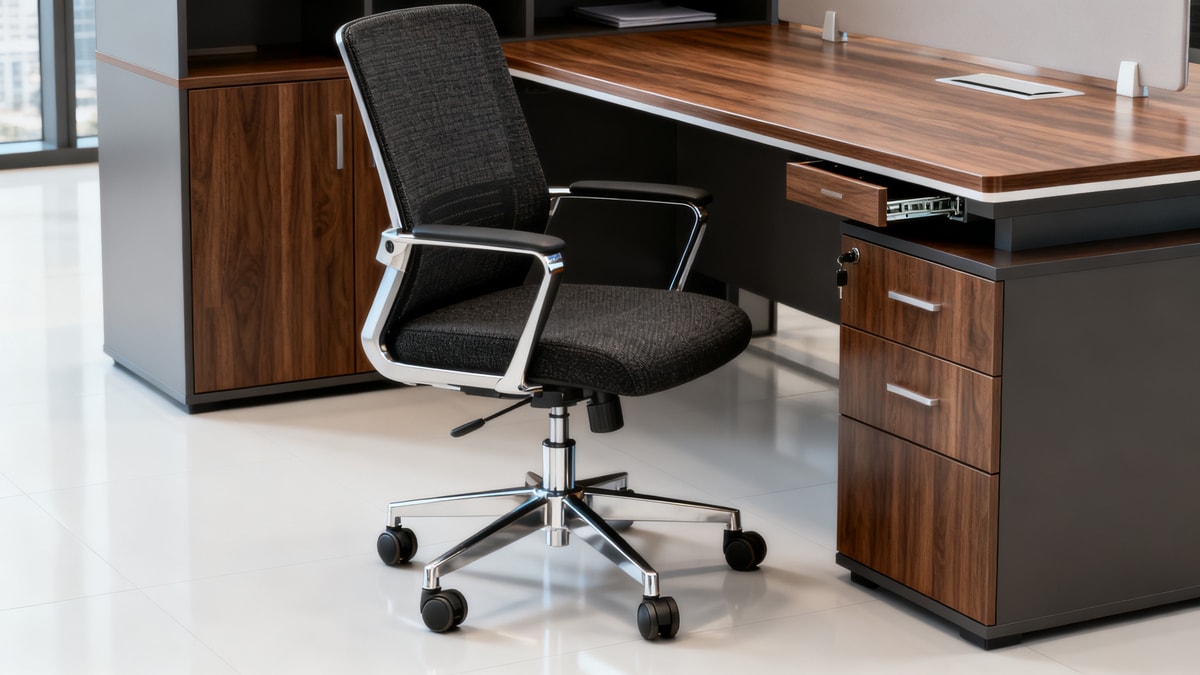
In daily use, office furniture rarely fails all at once—small breakdowns in ergonomics, joints, surfaces, and mobility usually appear first. For procurement teams, technical evaluators, and decision-makers focused on quality living, industrial design, and long-term value, understanding these weak points helps reduce lifecycle costs and improve workspace performance across modern office furniture and home furnishing environments.
What Usually Fails First in Office Furniture During Daily Use?
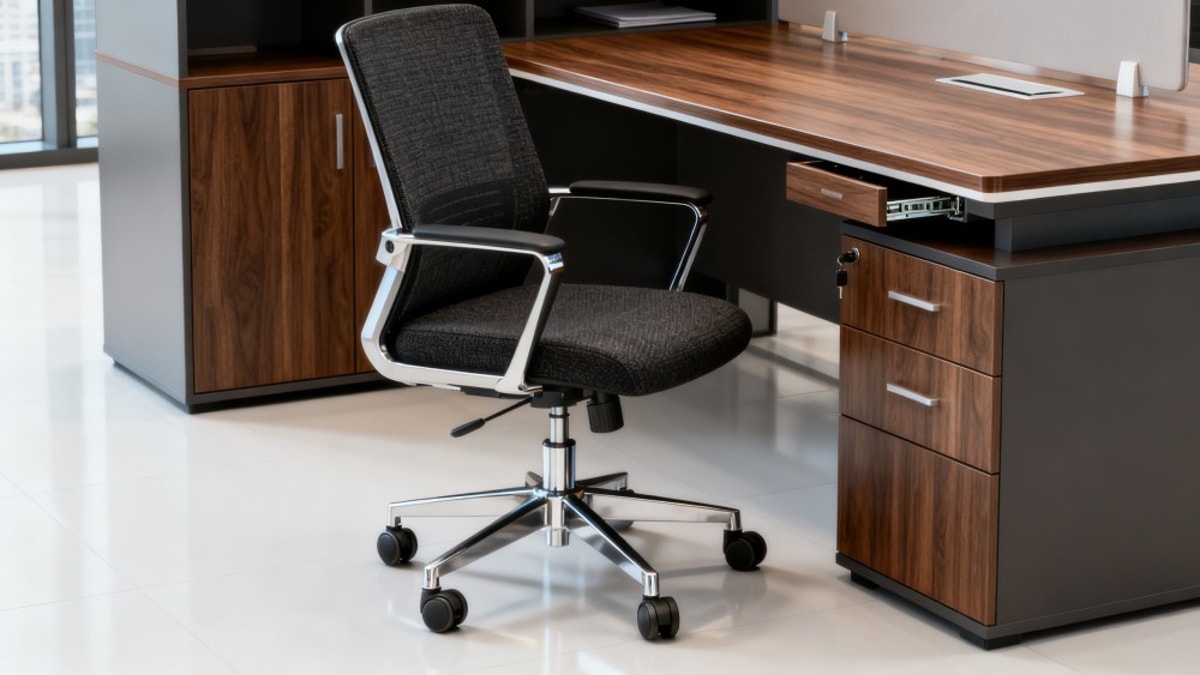
When buyers assess office furniture lifespan, the first question is rarely whether a desk or chair will eventually fail. The real question is which component degrades first under repetitive use cycles of 6–10 hours per day, 5–6 days per week. In most commercial settings, early failure starts in moving parts, load-bearing joints, upholstery contact zones, and adjustment mechanisms rather than in the full structure.
This matters across industries because office and collaborative spaces no longer serve only administrative functions. They support branding, ergonomics, staff retention, visitor experience, and operational continuity. A chair with unstable height control, a desk with edge swelling, or a storage unit with misaligned runners can affect safety, comfort, and maintenance budgets long before replacement is scheduled.
From GLC’s perspective, furniture durability should be read as a bridge between aesthetics and craftsmanship. Surface appeal may drive initial selection, but long-term value depends on material engineering, hardware quality, assembly precision, and fit-for-scene design. A visually strong product can still underperform if its joint tolerance, upholstery backing, or caster specification does not match the actual use case.
For technical reviewers and procurement teams, it helps to divide office furniture failure into 4 practical layers: mechanical fatigue, surface deterioration, ergonomic decline, and mobility loss. This framework makes inspections more consistent and supports better sourcing discussions with manufacturers, distributors, and project partners.
The earliest weak points by furniture category
Not all office furniture fails the same way. Task chairs often show issues first in gas lifts, tilt controls, armrest fixings, caster wear, and seat foam compression. Desks and meeting tables usually fail earlier at edge bands, laminate surfaces, cable cut-out finishing, and leg-to-top connections. Storage cabinets often reveal weakness in hinges, drawer slides, lock systems, and shelf deflection under continuous load.
High-touch furniture in reception zones and flexible workspaces usually ages faster than assigned furniture. Shared seating may go through 2–3 times more adjustment cycles than a fixed workstation chair. In hot-desking environments, misuse also increases because different users apply different loads, movement patterns, and cleaning chemicals across the same product.
The list below highlights the most common first-failure zones that quality control and sourcing teams should review during product trials, pre-shipment inspection, or pilot installation:
- Adjustment systems: seat height, recline lock, armrest movement, and folding joints typically fail before the main frame.
- Contact surfaces: seat upholstery, desktop coating, edge strips, and arm pads show early cosmetic and functional wear.
- Hardware interfaces: screws loosening, bracket play, hinge drift, and slide misalignment often appear within the first maintenance cycle.
- Mobility components: casters, glides, and leveling feet degrade quickly where flooring transitions or uneven subfloors are common.
For decision-makers, the practical takeaway is clear: furniture lifespan is not only about frame strength. It is about which subcomponent reaches unacceptable performance first. That is where maintenance cost, user complaints, and early replacement risk usually begin.
How Do Use Scenarios Change Failure Risk?
A furniture specification that performs well in a private office may fail early in a training room, co-working zone, call center, studio, showroom, or mixed home-office setting. Usage intensity, cleaning frequency, user turnover, and mobility needs all change the lifespan profile. That is why application-based evaluation is more useful than relying on generic quality claims.
In a typical project, technical teams should classify usage into at least 3 intensity bands: light use, standard commercial use, and high-frequency shared use. Light use may involve 2–4 users per week, while high-frequency use may involve dozens of seat entries, caster movements, or drawer openings per day. The higher the turnover, the more important fatigue resistance and replaceable components become.
Environmental conditions also matter. Relative humidity swings, direct sunlight, air-conditioning exposure, and frequent disinfection can accelerate veneer lifting, adhesive aging, coating dullness, or faux leather cracking. In cross-sector furnishing, this is especially important because the same product line may be sold into offices, hospitality lounges, educational spaces, and home work areas with very different wear patterns.
The comparison below helps procurement teams link common office furniture weak points to application scenarios and inspection priorities.
The table shows why “one specification for all spaces” often produces avoidable replacement costs. A product optimized for aesthetics may suit executive rooms, but shared zones often need stronger hardware, simpler maintenance, and more forgiving materials. Matching failure risk to scenario is one of the fastest ways to improve total value over 2–5 years of use.
Scenario-based warning signs that appear early
Project managers should not wait for full failure before acting. In the first 3–6 months of use, subtle warning signs can reveal whether the product is correctly specified. Noise during reclining, uneven drawer travel, visible seat flattening, or desktop edge lifting are early indicators that the design margin may be too narrow for the real environment.
In refurbishment or distributor-led projects, these early signals are useful for feedback loops with suppliers. They help determine whether the issue is material grade, hardware selection, assembly consistency, or misuse. This is where GLC’s supply chain logic matters: visible wear is often only the final symptom of a deeper craftsmanship or specification mismatch.
A disciplined review schedule can reduce uncertainty. Many teams use a 3-point check at installation, 30 days, and 90 days to capture stability, finish performance, and user response before rolling out larger volumes across multiple sites.
Which Technical Details Matter Most for Lifespan Assessment?
For technical evaluators and quality managers, lifespan assessment should move beyond visual inspection. The most useful review points are the materials, hardware systems, connection methods, and serviceability features that determine how furniture behaves under repeated stress. In practical sourcing, 5 core checkpoints usually identify most early-risk products before bulk purchase.
Those 5 checkpoints are: structural joint integrity, moving-part durability, surface resistance, ergonomic retention, and maintenance accessibility. If even one of these is under-specified, product appearance can remain acceptable while user satisfaction and operating stability decline. This is especially common in imported mixed-source projects where design language is strong but component consistency varies across batches.
A practical technical checklist for buyers and QC teams
Before approval, evaluate whether moving components remain stable after repeated adjustment cycles, whether seams and edge bands remain closed under temperature variation, and whether foam or panel structures retain shape under daily load. When no brand-specific test data is supplied, teams should at least request component descriptions, substrate information, hardware origin, and care instructions.
The following table provides a useful technical screening model for office furniture procurement, especially for chairs, desks, storage units, and collaborative furnishings.
This type of matrix helps prevent a common sourcing error: comparing price and design while overlooking the subcomponents that determine real office furniture lifespan. For B2B buyers, a slightly higher unit cost may be justified if the product reduces complaints, downtime, and replacement frequency over a 24–60 month operating period.
What standards and compliance topics should be discussed?
If a project involves international sourcing, buyers should ask suppliers about commonly referenced safety, stability, emissions, and material compliance frameworks relevant to the destination market. The exact standard depends on geography and product category, but the discussion should cover structural safety, flammability where required, surface emissions where applicable, and documentation consistency.
No standard alone guarantees long service life, but documentation quality often reflects manufacturing discipline. A supplier able to explain substrate grades, foam density ranges, hardware tolerances, and care limitations usually provides a more predictable basis for technical evaluation than one relying only on catalog images and broad claims.
- Request a bill of key materials for panels, fabrics, leather alternatives, metal parts, and casters.
- Confirm whether the product is intended for residential, light commercial, or heavy-use commercial deployment.
- Check whether installation instructions and maintenance guidance are available for distributors and end users.
How Should Procurement Teams Balance Cost, Lifespan, and Replacement Risk?
Price-led sourcing often creates hidden cost over the next 12–36 months. The issue is not that low-cost furniture always fails early, but that entry-level products are more likely to economize on the exact parts that fail first: mechanisms, edge processing, casters, slides, and upholstery backing. A cost review should therefore include operating life, maintenance needs, and service response—not just ex-works or landed price.
A practical approach is to compare at least 3 cost layers: initial purchase cost, maintenance or replacement part cost, and disruption cost. Disruption includes staff complaints, unsafe use, downtime in active workstations, and visual deterioration in client-facing areas. For dealers and project owners, this is especially relevant in phased rollouts where later batch inconsistency can complicate warranty decisions.
The strongest procurement decisions usually come from matching specification to use intensity instead of overbuying every category. Executive zones, shared workstations, touchdown spaces, and reception furniture do not need identical construction logic. Selective upgrading often produces better lifecycle economics than uniform premium specification.
A 4-step evaluation process for office furniture sourcing
- Define the usage class by space type, user turnover, daily hours, and movement frequency.
- Identify first-failure risk points for each category, such as chair mechanisms, table joints, or drawer slides.
- Review service conditions, including spare parts lead time, sample approval process, and installation responsibility.
- Run a pilot batch or mock-up review for 30–90 days before large-scale commitment where project timing allows.
This 4-step model is simple, but it helps cross-functional teams align. Procurement focuses on commercial terms, technical reviewers assess failure modes, project managers track implementation risk, and decision-makers see a clearer picture of total ownership value.
Common buying mistakes that shorten furniture lifespan
Many avoidable failures come from specification mismatch rather than manufacturing defects. A mesh chair selected for visual lightness may be used in a 24-seat training room that requires stacking durability or heavy-duty movement. A stylish boardroom table may be relocated repeatedly even though its connection design was intended for fixed placement only.
Other frequent mistakes include evaluating samples in showroom conditions only, ignoring floor type when selecting casters or glides, and underestimating the effect of cleaning chemicals on synthetic upholstery. In projects with compressed lead times of 2–4 weeks, teams also sometimes skip hardware verification and discover instability only after installation.
GLC’s value in this process is the ability to connect visual trends, craftsmanship logic, and supply chain intelligence. That means helping buyers read beyond style language to understand how material selection, assembly design, and manufacturing discipline affect the real service life of office furniture.
FAQ: What Do Buyers and Technical Teams Ask Most Often?
The questions below reflect common concerns from sourcing teams, distributors, workspace planners, and business evaluators who need clearer criteria for office furniture lifespan and early failure prevention.
How can I tell if a chair will fail early without long-term field use?
Start with moving parts. Test height adjustment, recline action, armrest fixation, and caster movement repeatedly, not just once. Look for play, noise, uneven return, or visible looseness. Also inspect stitching, fabric tension, foam recovery, and base stability. Even a 15–20 minute hands-on evaluation can reveal whether a chair is built for decorative appeal or sustained daily use.
Which office furniture category usually needs the most maintenance?
In many workplaces, task chairs generate the highest maintenance frequency because they combine motion, load, ergonomics, and high user contact. After chairs, mobile storage, folding tables, and frequently reconfigured meeting furniture often need more attention than static cabinetry. The number one driver is not category alone, but how many adjustment and movement cycles the product experiences each week.
Is premium material always worth the extra cost?
Not always. Premium finishes add value in executive, hospitality-inspired, or brand-sensitive environments, but heavy-use collaborative zones may benefit more from easier-clean surfaces, simpler replaceable parts, and stronger functional hardware. The better question is whether the upgrade improves the first-failure component. If not, the added cost may mainly enhance appearance rather than operating life.
What should be confirmed before placing a larger order?
Confirm 6 items: intended use class, key materials, hardware specification, care method, spare part support, and lead time. If possible, review one assembled sample and one packaged unit. Ask how replacement parts are handled over the next 12–24 months and whether finish or fabric consistency can be maintained across future batches.
Why Work With Us for Office Furniture Intelligence and Sourcing Decisions?
GLC supports buyers, evaluators, and project stakeholders who need more than product browsing. We connect global aesthetics with craftsmanship analysis, helping teams understand why certain office furniture designs age better, which components deserve closer technical review, and how supply chain choices affect lifecycle value across furnishing categories.
Because our perspective spans textiles, apparel-adjacent materials, office and space architecture, gifts and digital craftsmanship, and outdoor lifestyle products, we read furniture through both design and industrial performance. That cross-disciplinary view is useful when your project involves mixed materials, custom finishes, sustainability goals, or multi-market sourcing requirements.
You can contact us for practical support on 5 key topics: parameter confirmation, product selection, lead-time planning, customization direction, and compliance discussion. We can also help frame sample review priorities, compare alternative material routes, and identify which early-failure risks deserve attention before scaling a project.
If you are evaluating office chairs, desks, storage systems, collaborative furniture, or hybrid home-office solutions, contact us with your target scenario, expected usage intensity, material preference, and delivery window. That allows a more useful discussion around sample support, specification refinement, quotation alignment, and sourcing decisions that protect both design intent and long-term performance.