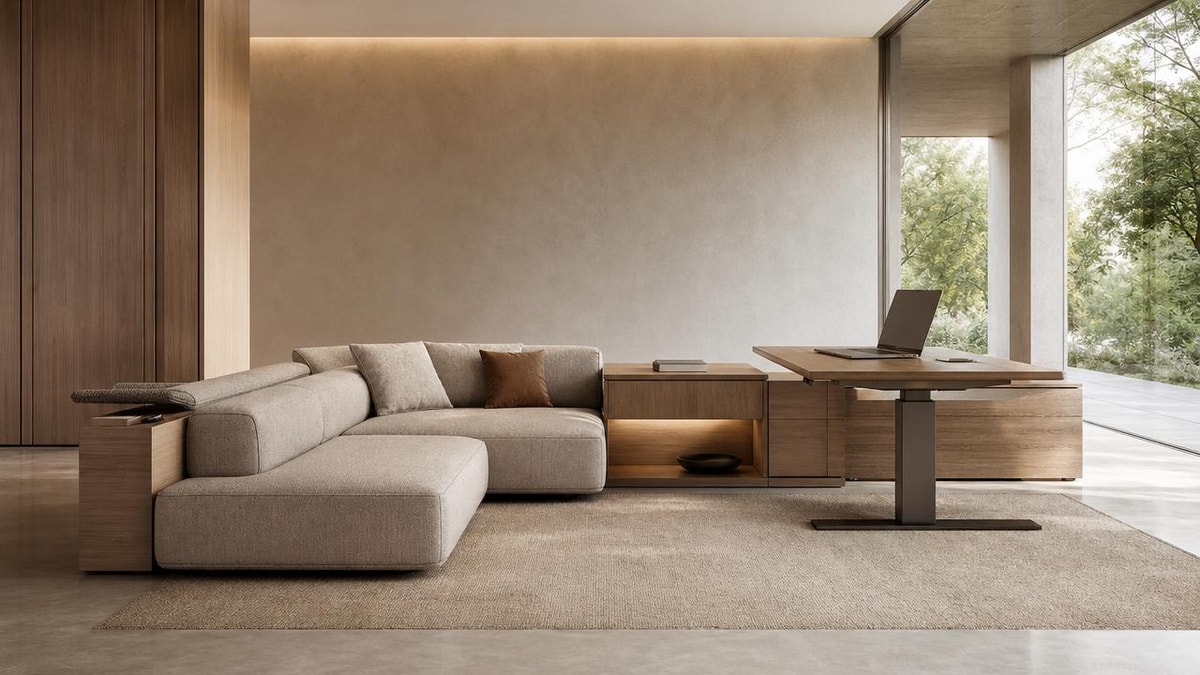
Office Furniture Specs That Matter More Than Appearance

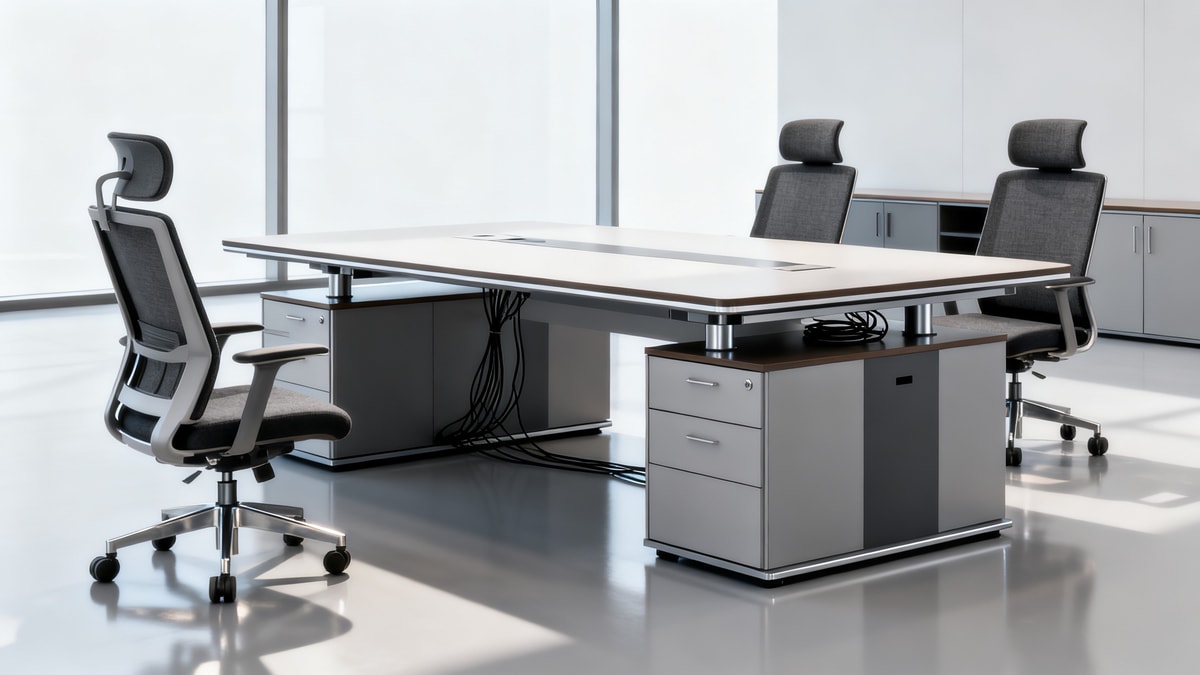
In office furniture, looks may win attention, but specs determine long-term value. For buyers, project managers, and technical evaluators, factors like ergonomics, material durability, safety compliance, and industrial design often matter more than appearance alone. This guide explores how smarter office furniture choices support quality living, align with modern home furnishing trends, and reflect the same performance-first logic shaping sectors from the textile industry to sustainable supply chains.
For B2B teams, office furniture is rarely a simple décor purchase. It affects employee comfort, facility lifespan, maintenance budgets, installation timelines, and even procurement risk. A workstation that looks premium in a catalog may underperform within 12 to 24 months if the load rating, edge sealing, foam density, or chair mechanism quality is not aligned with actual use.
That is why professional sourcing today increasingly follows the same logic seen across modern manufacturing: design must be supported by measurable specifications. Whether the project involves headquarters, coworking spaces, public-sector offices, education environments, or hybrid work hubs, the right office furniture specs help decision-makers compare options with greater clarity and lower lifecycle risk.
Why Technical Specifications Matter More Than Surface Design
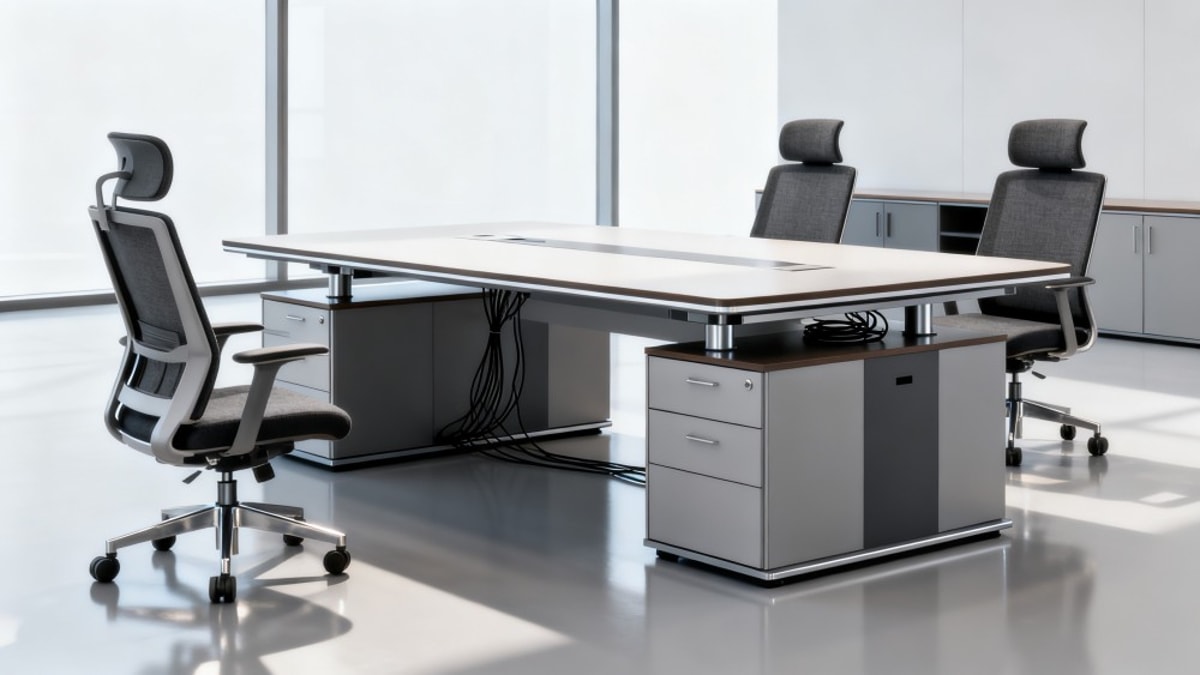
Aesthetic appeal still matters in office furniture, especially for brand presentation and workplace experience. However, appearance is only the visible layer. Under daily use, performance depends on dimensions, tolerance control, structural engineering, surface resistance, and component consistency. These specs determine whether a product remains stable after 10,000 chair movements, 3 years of workstation use, or repeated reconfiguration in collaborative spaces.
For procurement teams, the cost gap between two visually similar products can often be traced to hidden technical differences. Examples include 18 mm versus 25 mm desktop thickness, standard foam versus high-resilience foam, powder-coated steel versus untreated metal, or basic castors versus tested low-noise mobility systems. These differences affect maintenance frequency, user complaints, and replacement cycles.
The rise of performance-led selection also reflects broader supply chain changes. In sectors such as textiles, home furnishing, and outdoor products, buyers increasingly ask not only what a product looks like, but how it is made, how long it lasts, and which standards it can meet. Office and space architecture now follows the same path, where craftsmanship and industrial standards must work together.
For technical evaluators and quality teams, specifications create a common language across departments. They allow design, sourcing, safety, facility management, and finance teams to evaluate one product using shared criteria rather than personal preference. That helps reduce approval delays and lowers the risk of selecting furniture that fails during installation or operational use.
Four business risks of buying by appearance alone
- Shorter service life: a low-grade workstation may show sagging, edge peeling, or wobble within 6 to 18 months.
- Higher maintenance burden: weak hardware and poor surface treatment increase service requests and replacement parts demand.
- Ergonomic mismatch: attractive seating without adjustable lumbar, seat depth, or tilt tension may reduce user comfort in 4 to 8 hour work sessions.
- Compliance exposure: furniture without clear material, fire, or safety documentation can create procurement and project acceptance issues.
The Core Office Furniture Specs Buyers Should Verify First
A practical office furniture evaluation should begin with a shortlist of measurable specifications. For workstations, desks, chairs, storage systems, and meeting furniture, not every parameter carries equal weight. The most important specs are the ones that influence safety, comfort, structural integrity, and long-term operating cost.
In most projects, buyers should prioritize at least 6 technical areas: load-bearing capacity, material construction, ergonomic adjustment range, surface durability, edge and joint quality, and environmental or safety compliance. These are the specs most likely to affect user experience and product lifespan across offices with 20, 200, or 2,000 seats.
For office seating, ergonomic performance is a major purchase driver. Adjustable seat height usually ranges from about 430 mm to 520 mm, while seat depth adaptation and backrest recline control are critical for shared-use environments. In task chairs, synchronized tilt, lumbar support, and gas lift stability often matter more than upholstery color or frame styling.
For desks and benches, buyers should verify panel density, substrate type, metal frame gauge, cable management design, and leveling capability. A desk intended for heavy monitor arms, docking devices, and daily equipment load should be evaluated differently from a light-use administrative table. Even a 5 mm difference in material thickness can change rigidity and long-term flatness.
Key specs by furniture category
The table below provides a practical view of which specifications usually deserve the closest review during supplier comparison and technical approval.
A useful lesson for buyers is that the most expensive item is not always the best-specified one, and the lowest-priced item often shifts cost into after-sales handling. A strong sourcing process compares technical fit, not just visual samples or quote totals.
Minimum review checklist for technical teams
- Confirm intended usage intensity: executive, shared workspace, training room, 24/7 control room, or visitor area.
- Request material and component descriptions for panels, frames, hardware, fabrics, and moving parts.
- Check ergonomic adjustment ranges, especially for chairs and sit-stand furniture.
- Verify assembly method, spare parts availability, and serviceability within 12 to 36 months.
- Review sample finish consistency and edge detailing before bulk approval.
Materials, Durability, and Compliance: Where Long-Term Value Is Decided
Material choice is one of the clearest predictors of office furniture performance. Surface laminates, powder-coated steel, aluminum parts, engineered wood cores, upholstery textiles, mesh quality, and adhesive systems all influence wear resistance and environmental suitability. This is where office furniture intersects with wider manufacturing disciplines, especially textile performance, surface engineering, and sustainable supply chain management.
For example, upholstery should not be evaluated only by color or touch. Buyers should consider abrasion resistance, seam construction, cleanability, and response to frequent contact. In high-use projects such as call centers, education administration, and shared workspaces, fabric performance can shape both maintenance cost and replacement timing. Durable textiles or performance mesh can extend usable life compared with decorative-only options.
Panel and frame materials also require closer review. Melamine-faced boards, veneer finishes, compact laminates, and powder-coated metal all perform differently under humidity, repeated cleaning, and edge impact. A workstation deployed in coastal, humid, or heavily air-conditioned spaces may need tighter moisture resistance expectations than one used in a private office with low daily traffic.
Compliance is another practical filter. Buyers may need documentation related to emissions, fire behavior, structural testing, or safety design depending on the market and project type. While requirements vary by country and end use, it is reasonable to ask suppliers for evidence of testing, material declarations, and quality controls before final approval, especially in projects above 50 to 100 units.
Common material and durability checkpoints
The following comparison helps procurement and quality teams identify where material specifications often create real differences in service life.
The main takeaway is simple: materials are not a cosmetic detail. They are a cost-control tool. When evaluating suppliers, a slightly higher unit price can be justified if it reduces replacement risk across a 3 to 5 year planning horizon.
Compliance-focused questions worth asking suppliers
- Can the supplier provide material descriptions for fabric, foam, board substrate, frame finish, and hardware?
- Are there documented test reports or standard references for structural performance, emissions, or fire-related requirements where relevant?
- What is the recommended maintenance cycle: weekly cleaning, monthly inspection, or annual hardware tightening?
- For bulk orders above 100 units, what batch consistency controls are used for color, finish, and dimensions?
How to Match Furniture Specs to Real Project Scenarios
The best office furniture is not defined by one universal specification level. It is defined by fit. A private executive office, high-density operation floor, design studio, public service center, and coworking hub do not place the same demands on chairs, desks, partitions, or storage. Matching specs to context is the most effective way to balance budget and performance.
For example, in a shared office with 3 shifts per day or long occupancy periods, ergonomic adjustability and mechanism durability deserve high priority. In client-facing boardrooms, finish consistency, cable management, and table stability often outweigh extreme adjustability. In training rooms, stackability, easy movement, and fast reconfiguration may be more important than luxury finishes.
This scenario-based approach also supports smarter budget allocation. Instead of over-specifying every furniture item, procurement teams can differentiate by zone. They may use higher-grade seating for task-intensive roles, standard desks for administrative areas, and modular, durable solutions for meeting or learning spaces. That can improve project economics without lowering functional quality.
Project managers should also consider installation realities. If a site requires phased delivery over 2 to 6 weeks, elevator restrictions, or after-hours assembly, knock-down design, packaging protection, and installation sequencing become operational specs. These are often overlooked during early sourcing but can strongly influence project success.
Scenario-based selection priorities
The table below shows how spec priorities can shift depending on workspace function and user behavior.
For distributors, dealers, and specifiers, this mapping approach also improves sales accuracy. It shifts the conversation from style preference to use-case performance, which makes quotations more defensible and customer expectations easier to manage.
A 5-step fit assessment before placing an order
- Define user type and average daily usage time.
- Identify environmental factors such as humidity, cleaning frequency, and movement intensity.
- Separate must-have specs from visual preferences.
- Request a sample, mock-up, or pilot quantity of 3 to 10 units where possible.
- Validate delivery, assembly, and after-sales response expectations before bulk approval.
Procurement, Quality Control, and Post-Installation Checks
Even well-specified office furniture can create problems if procurement and acceptance processes are weak. For enterprise buyers, sourcing should include three linked stages: pre-qualification, sample validation, and batch acceptance. This is especially important when sourcing across multiple factories, regions, or material platforms.
A pre-qualification review should look beyond brochures. Buyers should examine production capability, component consistency, packaging method, installation support, and documentation readiness. For projects with 50, 300, or more units, small specification deviations can become large operational issues after delivery, particularly when products must align across multiple floors or locations.
Sample validation is where many hidden issues appear. Teams should check edge finishing, surface flatness, chair movement smoothness, drawer operation, weld appearance, and fabric stitching. This review should include both visual and functional inspection. A product that looks acceptable at 2 meters may still show looseness, instability, or poor assembly logic during hands-on testing.
After installation, acceptance should not stop at counting units. Project owners should review alignment, leveling, power integration readiness, mobility function, and damage from transport or assembly. A structured sign-off process can reduce disputes and improve warranty handling if issues appear within the first 30 to 90 days.
Procurement and quality checkpoints by project stage
- Before order confirmation: verify key specs, finishes, dimensions, accessory compatibility, and packing method.
- Before mass production or shipment: approve samples, color swatches, hardware details, and assembly instructions.
- At delivery: inspect carton condition, quantity accuracy, product labeling, and obvious transit damage.
- After installation: confirm stability, function, fit against drawings, and snag list closure within an agreed time window.
Common buyer mistakes that increase total cost
One common mistake is treating office furniture as a one-time capital expense rather than a lifecycle asset. Another is approving products from photos without testing moving components or checking material details. A third is ignoring serviceability: if spare castors, gas lifts, runners, or fasteners are difficult to replace, maintenance costs may rise sharply in year 2 or year 3.
A stronger process links technical evaluation with procurement strategy. That means comparing landed value, not only purchase price. It also means considering installation complexity, maintenance intervals, and the expected replacement cycle for each furniture category. For many businesses, that approach produces better financial outcomes than chasing the lowest initial quote.
FAQ: Practical Questions Buyers Ask About Office Furniture Specs
How do I know if a chair is suitable for multi-user office environments?
Look for a broad adjustment range rather than a single “comfortable” setting. In shared offices, seat height flexibility, lumbar support adaptability, stable recline control, and durable castors matter more than premium-looking upholstery alone. If users vary significantly in height and work duration, chairs with more than 3 adjustment functions usually provide better operational fit.
What is a reasonable office furniture replacement cycle?
It depends on usage intensity and product category. In many commercial settings, chairs and mobile parts experience faster wear than desks or storage. A realistic planning approach is to evaluate furniture over a 3 to 5 year horizon for high-use areas, while lower-impact zones may justify longer cycles if maintenance is consistent and specs are appropriate from the start.
Should buyers prioritize sustainability when comparing specifications?
Yes, but sustainability should be assessed as part of product performance, not separate from it. Durable materials, repairable components, responsible material choices, and lower replacement frequency all contribute to better environmental outcomes. In practical sourcing terms, a product that lasts 5 years with manageable maintenance can be a better sustainability choice than a cheaper item replaced after 12 to 18 months.
What documents are useful before large-volume procurement?
Buyers typically benefit from product specsheets, material descriptions, assembly guidance, finish samples, packing details, and any relevant test or compliance documentation available for the target market. For projects above 100 units, it is also useful to define acceptance criteria for dimensions, finish consistency, and functional checks before shipment and after installation.
Office furniture that performs well over time is rarely the result of style alone. It comes from matching ergonomic design, durable materials, safety thinking, and project-ready specifications to real business use. For researchers, sourcing teams, distributors, and decision-makers, that means evaluating office furniture as a crafted industrial product, not just a visual furnishing item.
At GLC, the value of office and space architecture lies in connecting global aesthetics with manufacturing logic, material insight, and specification-driven decision-making. If you are comparing suppliers, planning a workspace project, or refining your procurement standards, now is the right time to look deeper than appearance. Contact us to explore tailored office furniture insights, sourcing guidance, and solution-oriented recommendations for your next project.