Footwear Technology Trends Shaping Product Performance

Footwear technology is redefining how product performance is evaluated, from material innovation and smart manufacturing to comfort engineering and durability testing. For technical evaluators, understanding these trends is essential to assessing quality, production efficiency, and market competitiveness. This article explores the key footwear technology developments shaping modern product performance and their implications across the global footwear supply chain.
Why does footwear technology matter more in technical evaluation today?
In the past, many footwear assessments focused on visible finish, basic material claims, and unit cost. That approach is no longer enough. Modern footwear technology affects cushioning response, upper stability, bonding consistency, recyclability, automation compatibility, and even repairability.
For technical evaluators, the challenge is not simply to judge whether a shoe looks advanced. The real task is to verify whether a construction method or material platform can deliver repeatable performance under commercial production conditions.
This is where a cross-industry lens becomes useful. Footwear now overlaps with textile engineering, polymer science, digital manufacturing, ergonomic analysis, and outdoor functional testing. GLC tracks these intersections to connect design ambition with manufacturing reality.
- Material innovation changes weight, abrasion resistance, thermal comfort, and moisture behavior.
- Process innovation determines whether prototypes can scale without quality drift.
- Data-driven testing helps buyers compare performance claims with measurable results.
- Supply chain intelligence reveals whether a promising solution is commercially stable.
The shift from product inspection to system evaluation
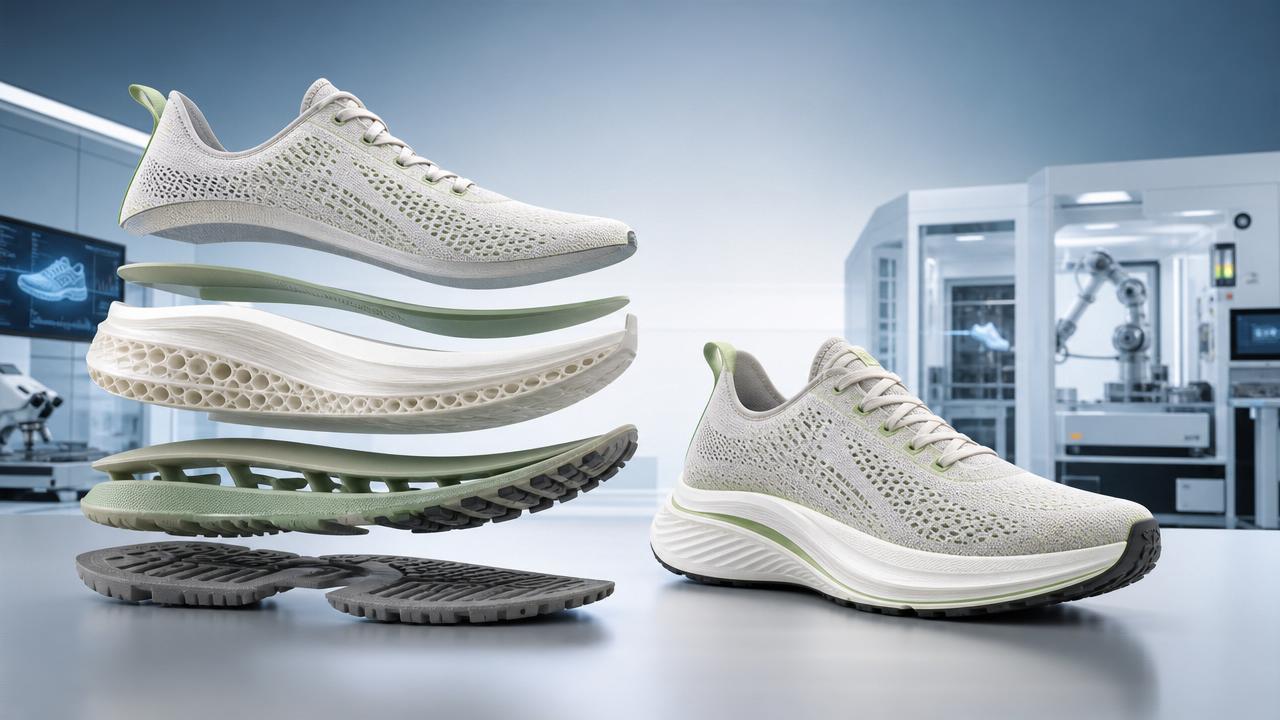
Technical evaluators increasingly review footwear as a system rather than a single product. Outsole compounds, midsole foaming, upper lamination, seam placement, and machine tolerance all interact. A high-performing material can still fail if assembly stress, adhesive selection, or mold precision are poor.
That is why footwear technology should be evaluated across the full chain: concept feasibility, sample consistency, pilot production, compliance documentation, and end-use durability. This broader approach reduces costly surprises after order confirmation.
Which footwear technology trends are shaping product performance?
The current market is not driven by one breakthrough alone. Instead, product performance is being shaped by several connected footwear technology trends. Each trend changes how technical evaluators score risk, value, and scalability.
1. Bio-based and bio-synthetic material platforms
Bio-synthetic leather, recycled textile blends, and partially bio-based foams are moving from experimental use to broader commercial adoption. Evaluators should examine not only sustainability claims but also tear strength, hydrolysis resistance, colorfastness, and processing stability.
2. Engineered comfort through foam and geometry
Midsole chemistry and structural geometry now work together. Supercritical foaming, dual-density construction, zonal cushioning, and rocker profiles can improve energy return and gait efficiency. However, these gains depend on density control, compression set behavior, and mold repeatability.
3. Smart manufacturing and digital process control
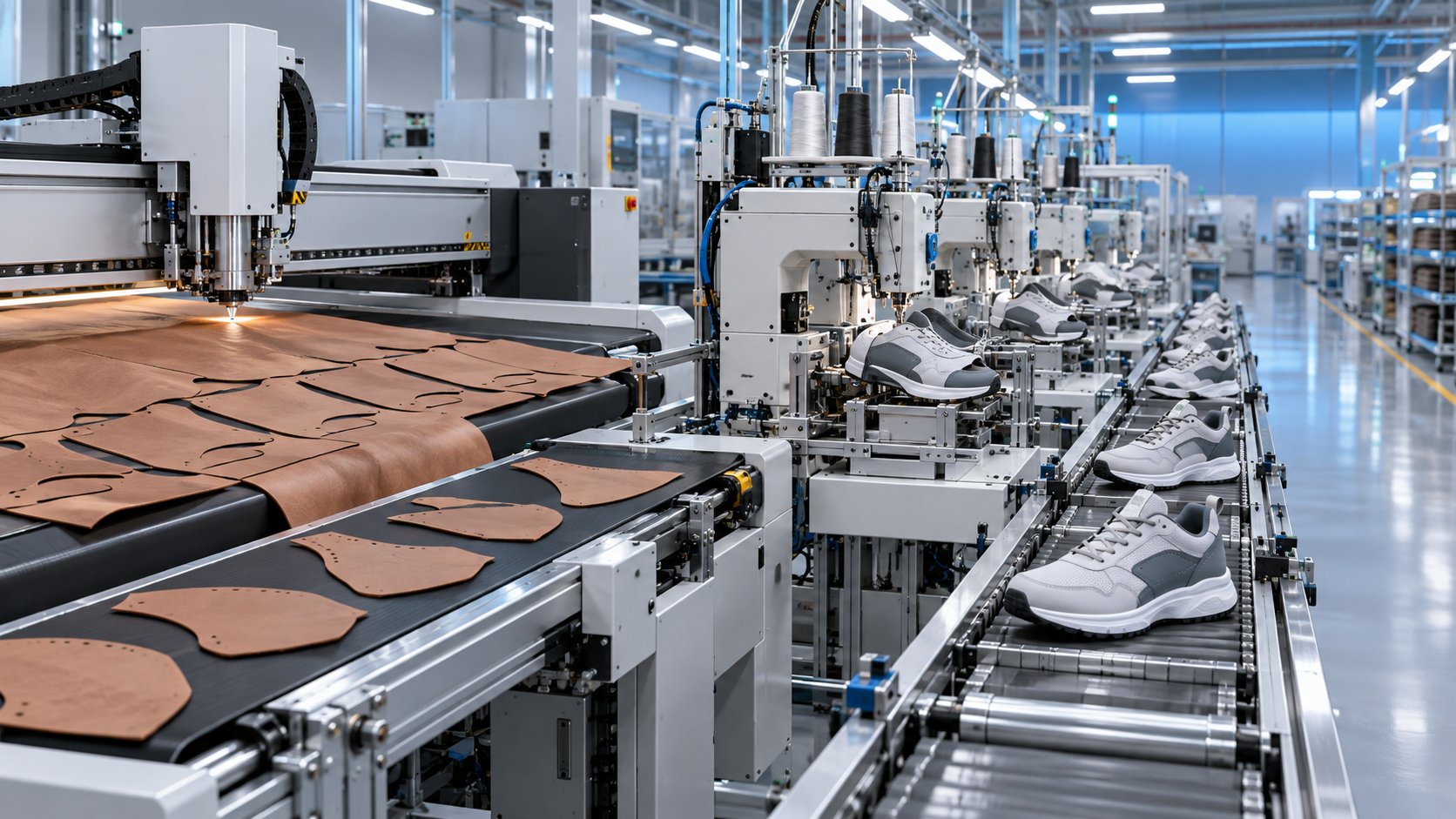
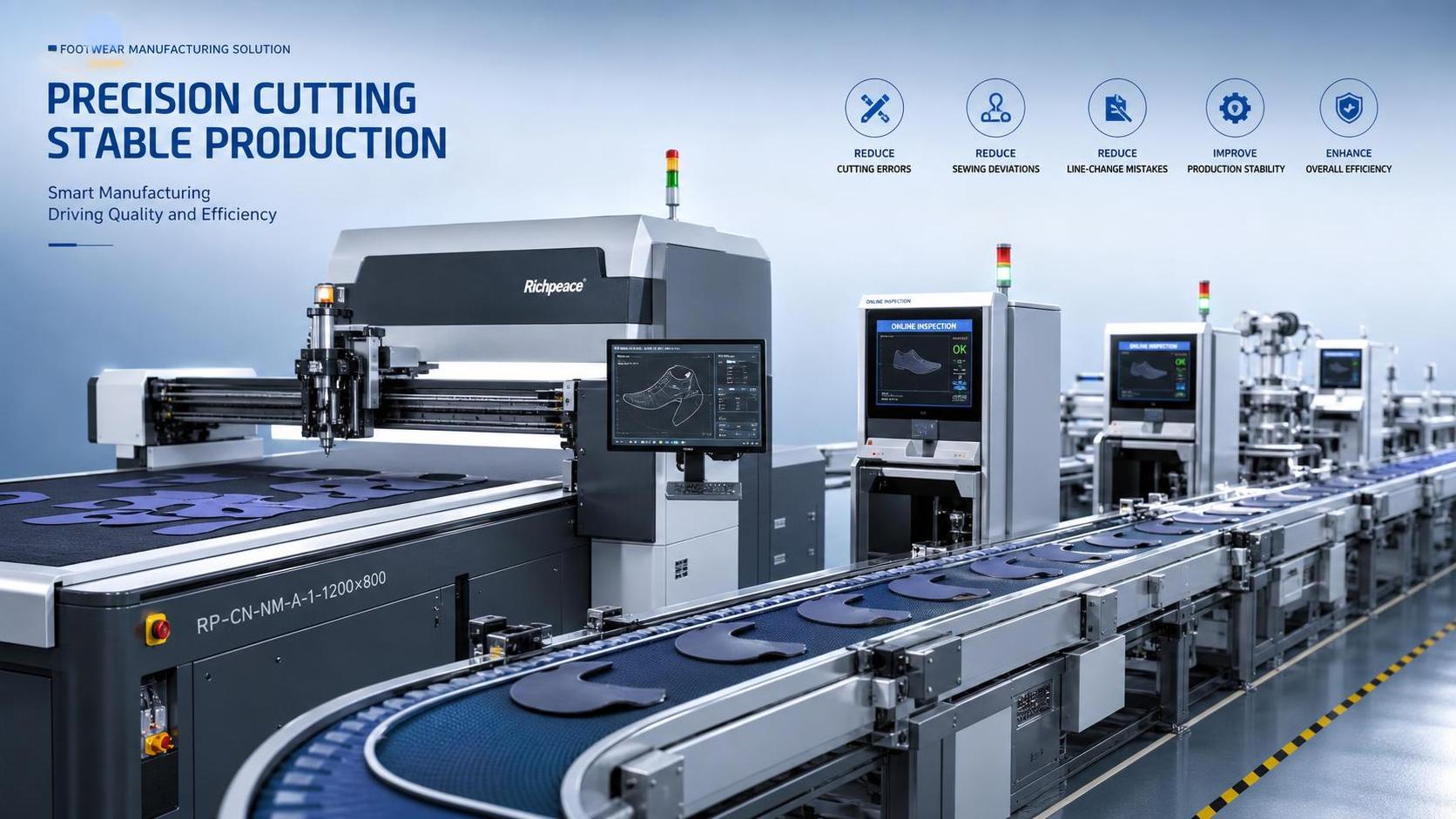
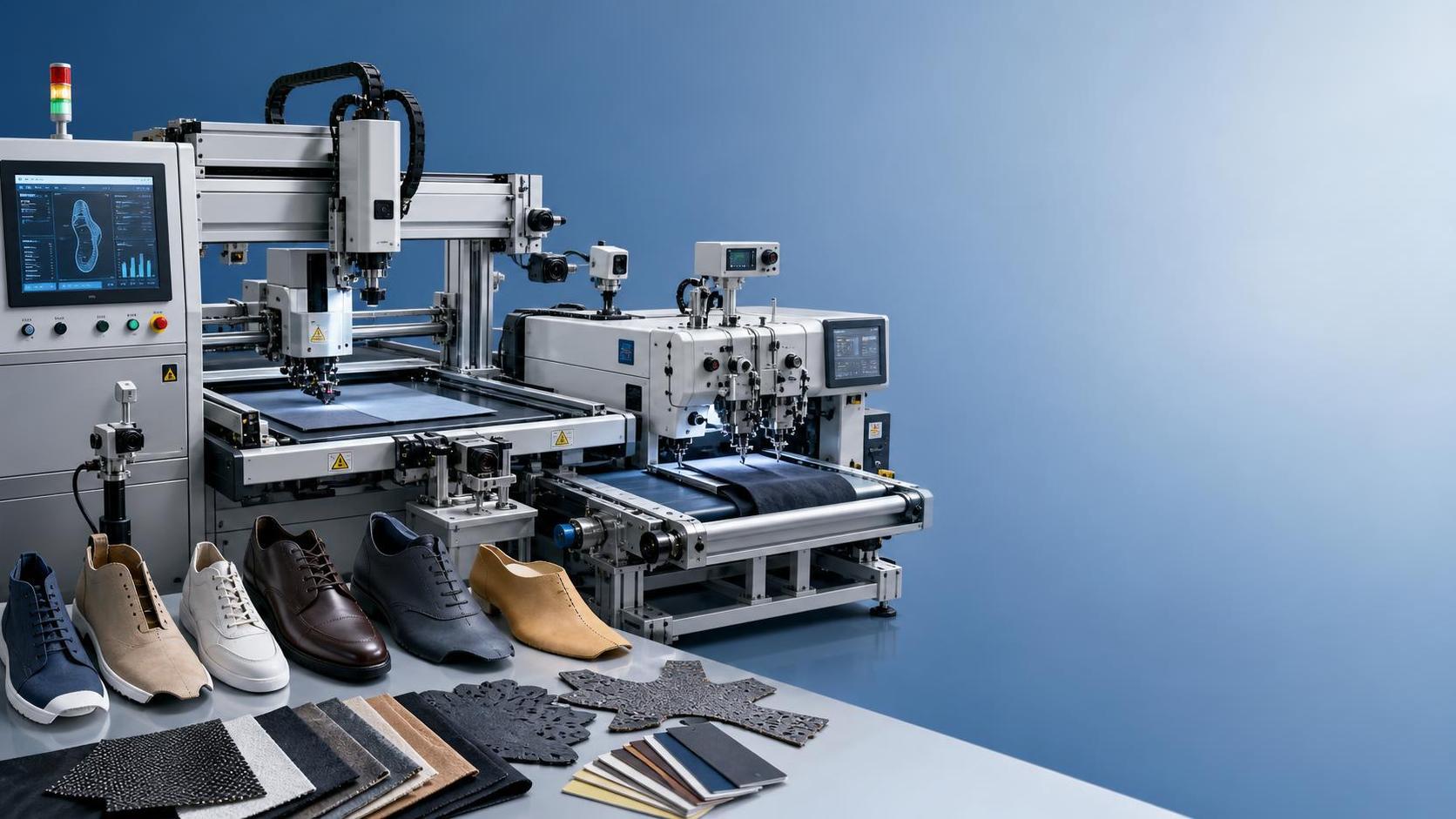
Automated cutting, digital pattern grading, robotic adhesive application, and machine-vision inspection reduce variation between batches. For technical teams, footwear technology in manufacturing is often just as important as the material itself because process stability drives final performance consistency.
4. Lightweight durability engineering
Reducing weight remains a major goal, especially in sports, athleisure, and outdoor categories. Yet weight reduction can weaken abrasion resistance or bond strength if not engineered carefully. The strongest solutions optimize mass distribution instead of simply using thinner components.
5. Circularity and disassembly thinking
Footwear developers are under pressure to simplify material combinations, improve recyclability, and reduce solvent-heavy processes. This trend affects evaluation criteria because a technically advanced product may face sourcing or compliance barriers if end-of-life considerations are ignored.
How should technical evaluators compare new footwear technology options?
When multiple solutions appear attractive, comparison should move beyond marketing language. The table below gives a practical framework for evaluating footwear technology by performance relevance, production impact, and supply chain risk.
This comparison shows why technical evaluation must balance lab performance with production realism. A solution that performs well in isolation may still create sourcing bottlenecks, line inefficiencies, or unacceptable rework rates.
A practical comparison checklist
- Verify whether the material or process has passed pilot production, not just prototype trials.
- Request performance data under realistic wear, temperature, and humidity conditions.
- Assess machine compatibility, maintenance burden, and operator training requirements.
- Check whether the supplier can support consistent documentation and repeat orders.
What parameters should be prioritized in footwear technology assessment?
Because technical evaluators often work under time pressure, parameter prioritization is essential. The following table highlights practical performance indicators that frequently influence purchasing decisions, quality approval, and supplier selection.
These parameters are especially relevant in categories where footwear technology claims drive premium pricing. If a supplier cannot explain test conditions, tolerances, and production repeatability, the claimed innovation may not be commercially dependable.
How do application scenarios change footwear technology priorities?
Not all footwear categories need the same technical profile. Evaluation criteria should change with the use environment, expected wear duration, and consumer expectation. A casual lifestyle sneaker, a hiking model, and an office comfort shoe may share components but require different performance trade-offs.
Urban lifestyle and fashion-led footwear
In fashion-driven segments, surface finish, tactile quality, lightweight feel, and rapid style turnover are important. Yet technical evaluators still need to watch seam integrity, color migration, and adhesive cleanliness, especially when design complexity increases.
Outdoor and functional footwear
Outdoor products demand stronger traction, water management, flex fatigue resistance, and material stability across temperature shifts. Here, footwear technology should be assessed through use-case simulation rather than only standard indoor lab comparisons.
Work and comfort-oriented footwear
Long-wear categories place greater weight on pressure distribution, heel stability, moisture handling, and shape retention. Evaluators should also check whether advanced comfort materials remain stable after long storage and repeated compression.
In supply chain research, GLC often looks at these scenario shifts together with craftsmanship logic. That approach helps technical teams connect global design trends with real production suitability, including component sourcing, manufacturing rhythm, and risk control. In some sourcing records, related references may also appear as 无 when product details are not yet finalized.
What procurement risks do technical evaluators often overlook?
Many procurement problems start before the purchase order is issued. Technical teams may approve a new footwear technology based on lab samples without fully checking scale-up difficulty, lead time sensitivity, or material substitution risk.
- A material may meet target softness but fail after long transit or hot-climate storage.
- An efficient automation step may require fixtures or software upgrades that delay launch timing.
- A sustainable upper may have limited color range or unstable seasonal supply.
- A high-rebound midsole may create bonding issues when paired with legacy outsole compounds.
A better procurement decision path
A stronger sourcing decision combines technical evidence with operational review. Technical evaluators should collaborate early with development, compliance, and production teams. This reduces the common gap between impressive sample performance and problematic mass production.
- Define category-specific performance priorities before material selection starts.
- Request pilot data and tolerance ranges, not only headline test results.
- Map alternative materials or processes in case lead time risk increases.
- Review compliance, documentation, and traceability readiness before approval.
How do standards and compliance affect footwear technology decisions?
Technical evaluation is not complete without compliance review. Depending on target market and product category, footwear technology decisions may be influenced by chemical restrictions, labeling obligations, physical safety expectations, and environmental declarations.
Common checkpoints include restricted substance management, adhesive and coating chemistry, durability documentation, and material traceability. Even when exact certification requirements differ by buyer or market, the principle remains the same: performance innovation must be matched with defensible compliance readiness.
For this reason, GLC’s value is not limited to trend spotting. Its cross-disciplinary perspective helps technical evaluators connect textile science, footwear machinery, outdoor use logic, and supply chain craftsmanship. This makes trend analysis more actionable than trend watching alone.
FAQ: common questions about footwear technology evaluation
How can I tell whether a new footwear technology is ready for mass production?
Start with pilot-scale evidence. Ask for batch consistency data, process tolerances, defect rates, and any machine calibration requirements. A material or method is more production-ready when the supplier can explain how quality is controlled across multiple runs, not only one successful sample set.
Which footwear technology metrics matter most for comfort-driven products?
Focus on rebound, compression set, pressure distribution logic, moisture handling, and shape retention after repeated wear. Comfort is not only about initial softness. Technical evaluators should also consider whether performance remains stable after storage, transport, and long daily use.
Are sustainable materials always harder to evaluate?
They are not necessarily harder, but they often require broader evaluation. Beyond conventional physical tests, assess process compatibility, aging behavior, finish stability, and replacement availability. Sustainability claims should never replace performance verification.
What is a common mistake in footwear technology sourcing?
A frequent mistake is approving innovation by feature appeal rather than system fit. For example, an advanced foam may look impressive, but if outsole adhesion, mold precision, or line speed are not aligned, the final product can become expensive and unstable.
Why choose us for footwear technology insight and sourcing evaluation support?
For technical evaluators, the hardest part is rarely finding new ideas. The harder task is filtering them. GLC serves as an intellectual bridge between global aesthetics and craftsmanship, helping teams understand how footwear technology performs not only in concept, but across materials, machinery, workmanship, and commercial execution.
Our research perspective covers textiles and apparel, footwear and leather, office and spatial design logic, gifts and digital craftsmanship, and outdoor functional use. That wider industry matrix helps technical teams identify transferable innovations, supply chain signals, and practical risks earlier in the decision process.
You can contact us to discuss parameter confirmation, product selection logic, delivery cycle concerns, customization pathways, certification expectations, sample evaluation priorities, or quotation-stage comparison criteria. If your current project still has incomplete item mapping, reference placeholders such as 无 can be clarified during the specification review stage.
If your team needs clearer judgment on materials, smart manufacturing options, comfort engineering routes, or supply chain feasibility, a focused consultation can save both development time and downstream correction cost. Crafting the life, quality driving the future starts with better evaluation decisions.