
Aesthetic Trade Risks in Cultural Souvenir Sourcing

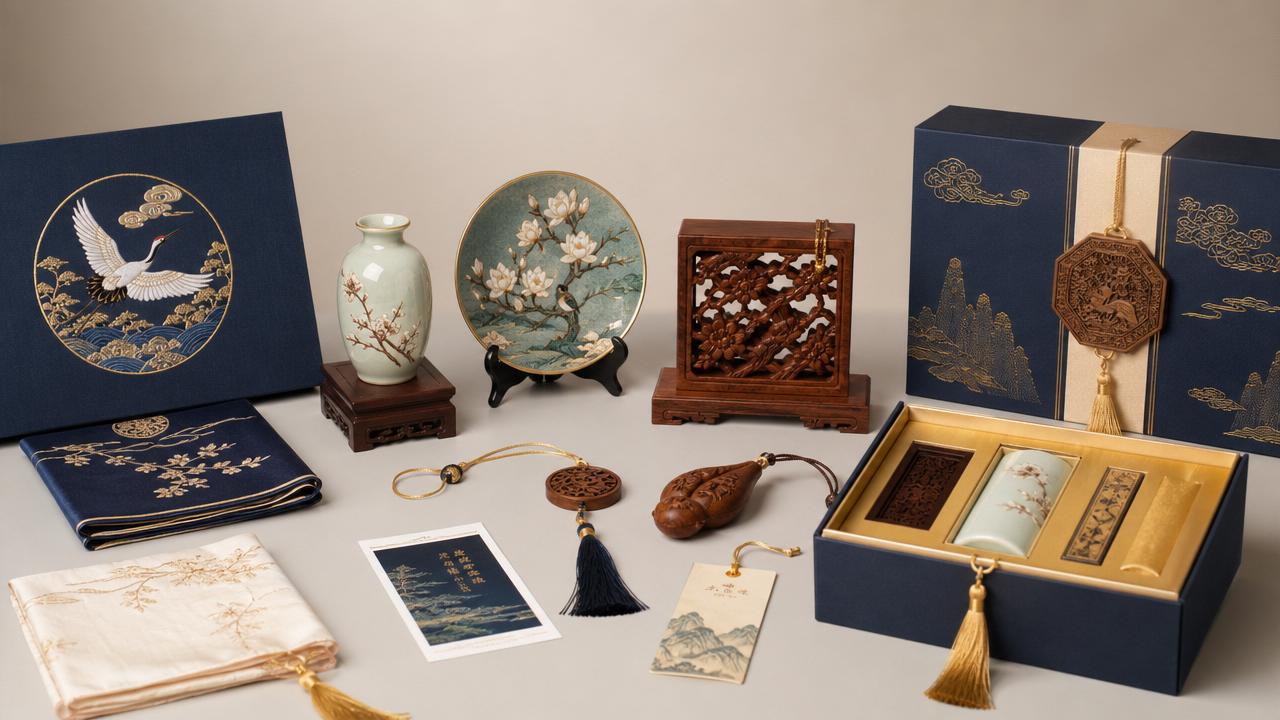
In cultural souvenir sourcing, aesthetic trade now shapes far more than shelf appeal. It influences perceived authenticity, retail pricing, packaging choices, compliance exposure, and long-term supplier trust. When a product looks culturally meaningful but lacks material consistency or credible craftsmanship, the commercial risk becomes immediate. A buyer may secure a visually striking item, yet still face returns, weak reorder rates, or reputational damage. In a market where style, story, and sourcing are tightly linked, aesthetic judgment must be paired with operational discipline.
This matters across gifts, home accessories, textile-based keepsakes, artisanal office objects, and travel retail collections. In each case, design trends move quickly, while consumer expectations around origin, sustainability, and cultural respect keep rising. That is why aesthetic trade decisions need a checklist-based approach. A clear review framework helps reduce subjective bias, compare suppliers consistently, and protect brand value when aesthetics and manufacturing claims do not fully align.
Why a Checklist Is Essential in Aesthetic Trade
Cultural souvenirs sit at the intersection of design, symbolism, craftsmanship, and logistics. Unlike basic commodities, they are often purchased for emotional value. That makes sourcing more vulnerable to misreading visual trends as proof of quality or authenticity.
A checklist creates decision discipline. It turns abstract impressions into verifiable sourcing signals. It also helps compare handcrafted and semi-industrial offers across textiles, giftware, leather goods, decorative objects, and mixed-material collections.
In practical terms, a checklist reduces three common failures in aesthetic trade: overpaying for weak craftsmanship, accepting cultural storytelling without evidence, and selecting suppliers unable to scale consistent quality.
Core Aesthetic Trade Risk Checklist
- Verify the design origin before sampling. Confirm whether motifs are original, licensed, public-domain inspired, or adapted from local heritage references.
- Check material-to-story alignment. A souvenir marketed as artisanal should not rely on low-grade substitutes that weaken tactile credibility and price acceptance.
- Review craftsmanship evidence with process photos, workshop records, or technique descriptions instead of accepting narrative claims on packaging alone.
- Compare sample consistency across color, stitching, carving, print registration, glaze, or finishing details to detect unstable production control.
- Test cross-cultural readability. A symbol admired in one market may appear generic, insensitive, or commercially confusing in another retail context.
- Audit embellishment durability. Beads, tassels, coatings, foil, embroidery, and surface prints often fail first during transport or repeated handling.
- Confirm packaging supports the aesthetic promise. Premium visual positioning collapses quickly when boxes, labels, inserts, or protective materials feel inconsistent.
- Measure lead-time realism against handcrafted claims. Highly detailed manual work should correspond with capacity limits, labor planning, and batch scheduling.
- Request transparency on subcontracting. Many aesthetic trade failures happen when approved samples are produced by unverified secondary workshops.
- Assess compliance early. Dyes, coatings, leather treatments, wood finishes, and metal accessories may create legal risks in export markets.
- Map price structure carefully. A low initial quote may hide unstable materials, rushed finishing, weak packaging, or unsustainable labor assumptions.
- Validate reorder potential. A visually compelling first order has limited value if the supplier cannot maintain signature details across future batches.
How Risks Change by Product Scenario
Textile and Apparel Souvenirs
Scarves, embroidered pouches, woven bands, and printed garments often carry strong cultural narratives. In aesthetic trade, these products are frequently judged first by color richness and pattern emotion. Yet fabric handfeel, print fastness, and seam quality determine whether the product feels authentic or merely decorative.
Risk rises when trend-driven color palettes override traditional material logic. A heritage-inspired textile made from inappropriate fiber blends may photograph well but disappoint in touch, drape, and perceived value. Sampling should include wash, rub, and wear testing.
Gift and Decorative Craft Items
Ceramic miniatures, carved ornaments, metal keepsakes, and digital craft gifts depend heavily on finish precision. Here, aesthetic trade risk often comes from small defects that multiply at retail scale: uneven glazing, rough edges, unstable bases, or inconsistent color tone.
Another issue is story inflation. Decorative items may be presented as handmade cultural pieces, while most value actually comes from standardized factory replication. That is not automatically negative, but the sourcing strategy must match the true production model.
Home, Office, and Lifestyle Souvenirs
Desk objects, small furnishings, candles, trays, and space-oriented souvenirs face a different challenge. Their aesthetic function is tied to everyday use. If form compromises ergonomics, stability, or maintenance, attractive design quickly loses commercial strength.
For these categories, aesthetic trade should be evaluated through both display value and usage value. A culturally inspired office accessory must still store, support, hold, or organize effectively. Beauty without utility limits repeat sales.
Commonly Overlooked Risks
Trend Mimicry Without Cultural Depth
Many suppliers can reproduce fashionable motifs quickly. The risk is that visual resemblance gets mistaken for cultural legitimacy. When the story behind the object feels shallow, consumers notice, and brand positioning weakens.
Inconsistent Finishing Across Batches
Hand-touched products naturally vary, but unmanaged variation creates complaints. Differences in tone, polish, trimming, or attachment strength often appear only after goods arrive in mixed cartons.
Packaging That Breaks the Aesthetic Narrative
A refined souvenir can lose value if tags, inserts, or protective wraps look generic. Packaging is part of aesthetic trade, not a final add-on. It must protect, inform, and reinforce origin claims.
Supplier Dependence on One Skilled Artisan
Some workshops present excellent master samples but rely on one individual for key finishing steps. If that person becomes unavailable, quality drops sharply. Capacity should be reviewed at team level, not only sample level.
Sustainability Claims Without Material Traceability
Eco-positioned souvenirs often use recycled, natural, or heritage materials as selling points. Without traceability documents or consistent sourcing records, those claims can create legal and reputational exposure.
Practical Execution Tips for Safer Sourcing
- Build a scorecard covering design authenticity, craftsmanship stability, packaging fit, compliance readiness, and reorder confidence.
- Approve against three samples, not one: showroom sample, pilot batch sample, and packed shipment sample.
- Document acceptable variation ranges for color, texture, placement, and finishing before production begins.
- Ask for workshop-level visibility, especially when the supplier manages multiple craft clusters or subcontracted units.
- Pair aesthetic review with transport testing to catch damage risks early in fragile or embellished souvenir lines.
Where possible, align sourcing decisions with cross-disciplinary review. Material specialists, packaging evaluators, and design researchers often identify different weak points in the same product. That combined lens is especially useful in aesthetic trade, where visual success can hide structural weakness.
Conclusion and Next Steps
Cultural souvenir sourcing succeeds when aesthetics, authenticity, and operational reality support each other. The strongest aesthetic trade decisions are not based on taste alone. They are built on evidence: material fit, process transparency, cultural clarity, and production consistency.
Start with a simple action plan. Define the story the product must carry, verify whether the supplier can deliver that story honestly, then test whether the product survives scale, shipment, and retail handling. This method reduces avoidable risk while protecting both design value and commercial performance.
In a fast-moving global market, aesthetic judgment remains essential. But disciplined sourcing turns that judgment into reliable results. That is the real advantage in modern aesthetic trade.