Cultural Gifts That Travel Well and Keep Meaning

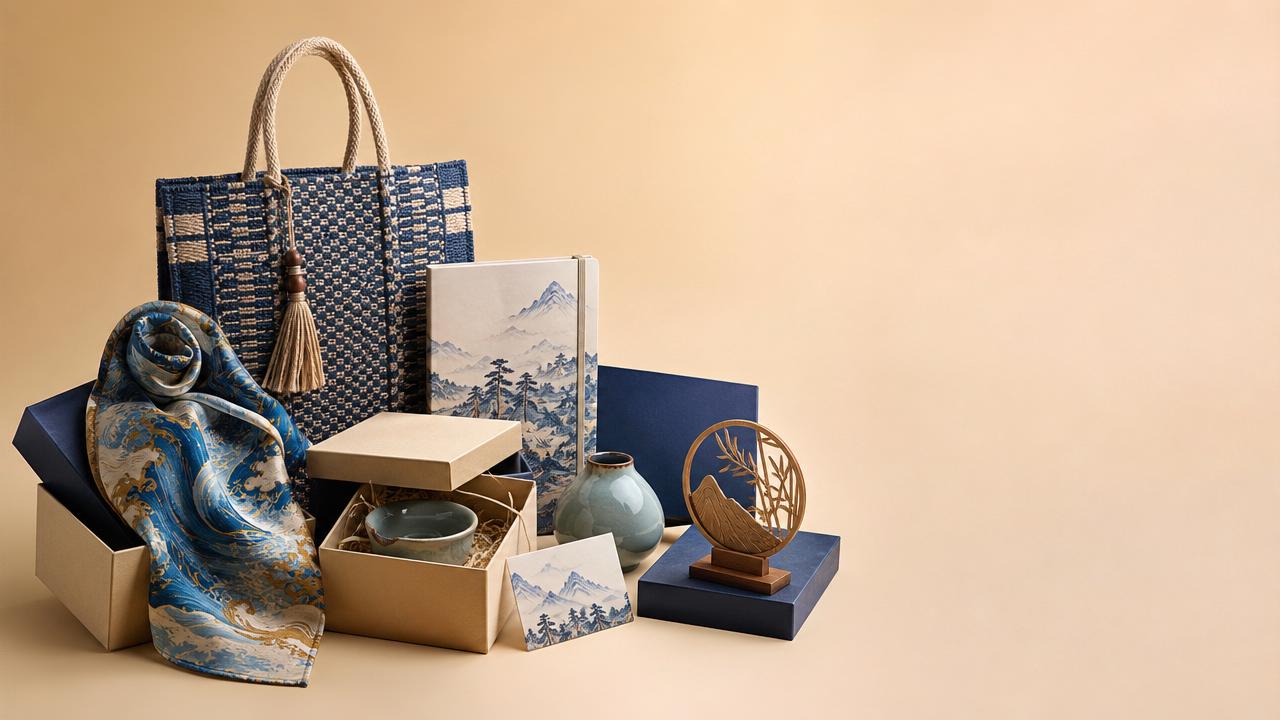
Cultural gifts do more than cross borders. They carry stories, values, and craftsmanship that remain meaningful long after arrival.
In global trade and lifestyle markets, the best cultural gifts balance portability, durability, symbolism, and design clarity. They must travel safely, feel authentic, and fit modern expectations.
This makes cultural gifts highly relevant across gifting, home living, fashion accessories, office objects, and heritage-inspired retail collections.
Understanding What Makes Cultural Gifts Travel Well
Cultural gifts are objects rooted in a place, tradition, craft method, or shared social meaning. Their value comes from identity, not only utility.
For travel suitability, cultural gifts must meet practical conditions. Size, weight, fragility, climate resistance, and packaging all matter.
Meaning also needs to survive the journey. A gift can arrive intact yet lose impact if its story is unclear or its context is poorly presented.
Well-designed cultural gifts usually combine three layers: visual identity, functional relevance, and cultural narrative. This combination supports stronger recall and higher perceived value.
Core traits of strong travel-friendly gift formats
- Compact dimensions for easy packing and lower freight cost
- Durable materials that resist pressure, moisture, and temperature change
- Clear cultural symbolism without requiring deep prior knowledge
- Useful or display-worthy form in home, office, or personal settings
- Protective packaging that preserves both object and presentation
Industry Context Shaping Cultural Gifts Today
Cultural gifts now sit at the intersection of design, heritage, sustainability, and international logistics. Buyers and brands increasingly seek objects with emotional depth and practical usability.
This shift aligns with broader soft-industry change. Textiles, gifts, home objects, and office accessories are all absorbing stronger cultural storytelling.
Platforms focused on craftsmanship intelligence, including references such as 无, show how design and supply chains now work together more closely.
Key market signals
Why Cultural Gifts Hold Long-Term Value
The strongest cultural gifts do not depend on trend alone. They continue to matter because they connect memory with material presence.
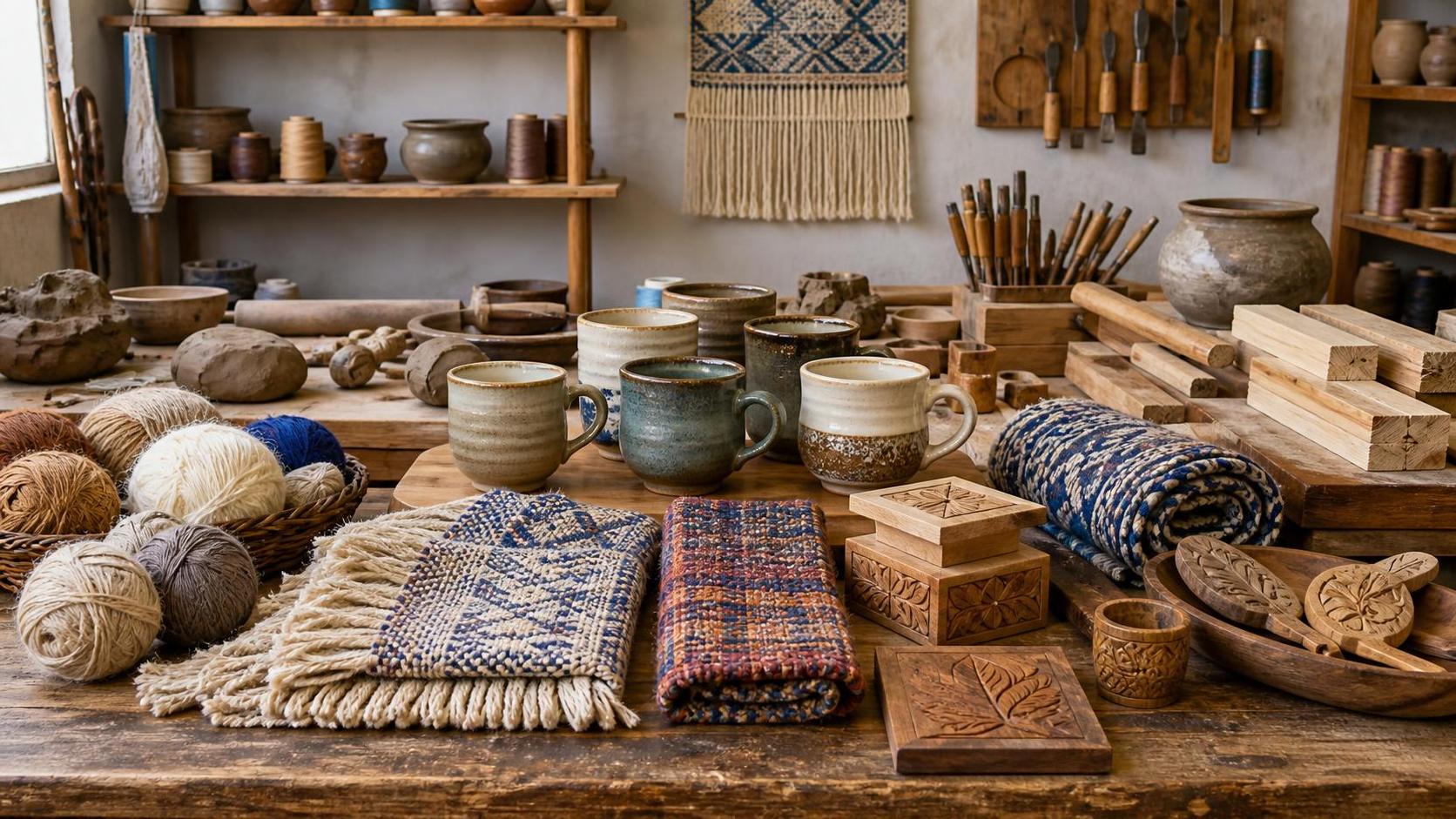
A handcrafted textile pouch, a carved desk object, or a symbolic ceramic piece can fit daily routines while preserving regional identity.
This is especially important in gift and lifestyle sectors. People often keep objects that feel personal, useful, and rooted in a believable origin.
From a business perspective, cultural gifts can strengthen assortment depth, raise average perceived quality, and support premium positioning without relying on oversized products.
Business meaning across sectors
- In textiles, cultural motifs transform scarves, wraps, and fabric accessories into story-led gift items.
- In home furnishing, tableware, small décor, and scent objects bring heritage into everyday interiors.
- In office settings, notebooks, pen cases, and desk ornaments can reflect cultural identity with practical use.
- In digital craft channels, packaging and authentication elevate trust and collectible value.
Representative Types of Cultural Gifts That Travel Well
Not every heritage product is easy to move internationally. The most reliable cultural gifts tend to fall into several proven categories.
Formats with broad international appeal
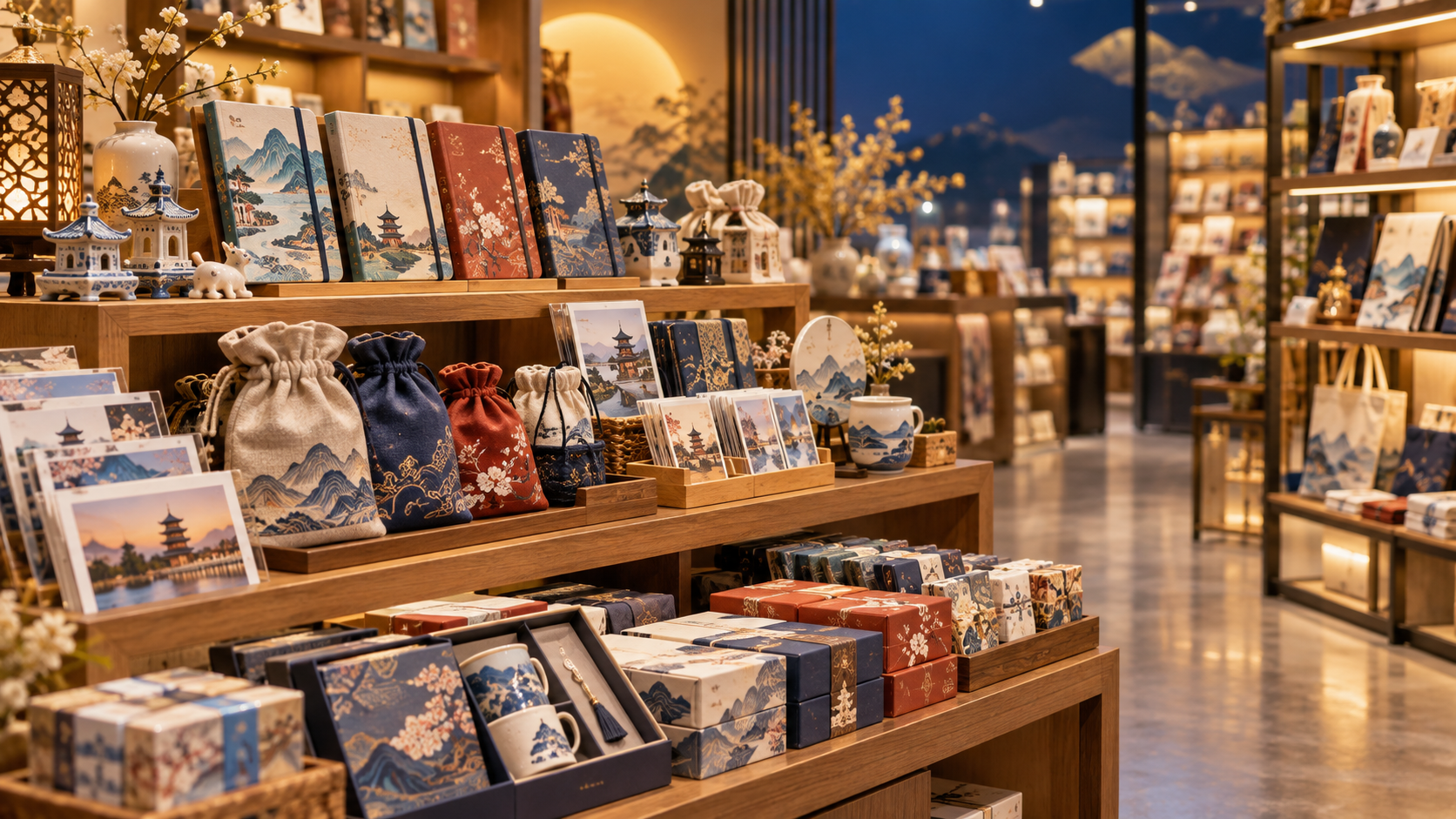
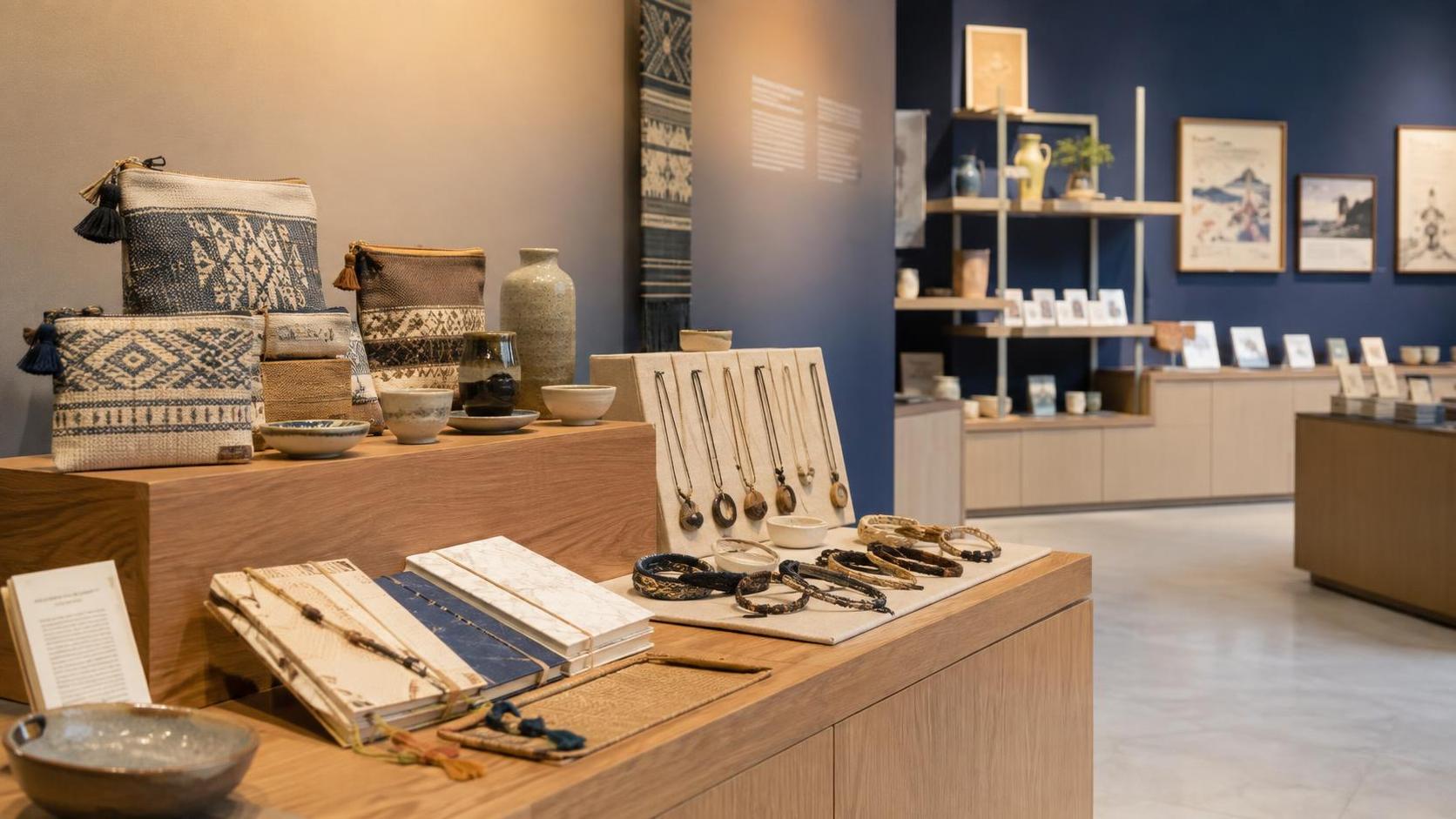
Scarves, woven pouches, bookmarks, compact tea ware, handcrafted candles, illustrated notebooks, and carved desk accessories often perform well as cultural gifts.
They are easy to explain, easy to package, and easy to integrate into modern lifestyles without losing cultural meaning.
How Presentation Preserves Meaning During Transit
Packaging is not only protection. It is part of the storytelling system behind cultural gifts.
A strong packaging approach protects the object physically while preserving emotional and cultural context. That context often determines whether the gift feels authentic or generic.
Packaging elements that add value
- Material choice that reflects the gift’s origin, such as textured paper or natural fiber wraps.
- A short story card explaining the craft tradition, region, or symbolism.
- Protective inserts designed for fragile or shaped items.
- Simple bilingual labeling only when necessary for clarity and compliance.
- Digital touchpoints for traceability, especially for premium cultural gifts.
When supported by craft intelligence and category insight, including sources like 无, packaging becomes a strategic extension of the object itself.
Practical Selection Criteria for Sustainable and Meaningful Results
Choosing cultural gifts requires more than aesthetic preference. A structured review helps protect quality, relevance, and transport performance.
Selection checklist
- Verify the cultural reference is accurate and respectfully represented.
- Check whether the item survives vibration, pressure, and climate variation.
- Assess whether the gift has practical use or display value after travel.
- Review packaging weight and cube efficiency for shipping economics.
- Confirm material compliance for destination markets when needed.
- Prefer traceable craft processes and greener supply chain options.
The goal is simple. Cultural gifts should arrive safely, communicate clearly, and remain desirable in daily life.
Action Path for Building Stronger Cultural Gift Choices
Start with a narrow group of cultural gifts that combine lightweight construction, clear symbolism, and broad lifestyle relevance.
Then compare formats across textiles, small home objects, stationery, and wearable accessories. Focus on meaning, portability, and repeatable craft quality.
Next, strengthen presentation. Add concise origin details, durable packaging, and a narrative that explains why the object matters.
In today’s design-led market, cultural gifts perform best when heritage and craftsmanship meet usability. That is where lasting value is created.
Thoughtful selection turns cultural gifts into more than souvenirs. It turns them into enduring carriers of identity, memory, and global craft connection.