Global Craftsmanship and Quality Control in Cultural Souvenirs

In cultural souvenirs, beauty alone is not enough; project managers must align authentic storytelling, reliable sourcing, and measurable quality control across every production stage. As global craftsmanship becomes a competitive advantage, successful souvenir programs depend on disciplined supplier evaluation, material traceability, design consistency, and compliance with market expectations. This article explores how international craft intelligence and industrial standards can help teams transform culturally meaningful products into scalable, trustworthy, and brand-ready collections.
For project managers, souvenir development is rarely a single-product task. It often involves 3 to 6 material categories, multiple artisan workshops, packaging vendors, logistics partners, and brand stakeholders.
The challenge is to protect cultural meaning while controlling cost, lead time, repeatability, and after-sales risk. This is where global craftsmanship becomes a management framework, not just an aesthetic phrase.
Why Global Craftsmanship Matters in Cultural Souvenir Projects
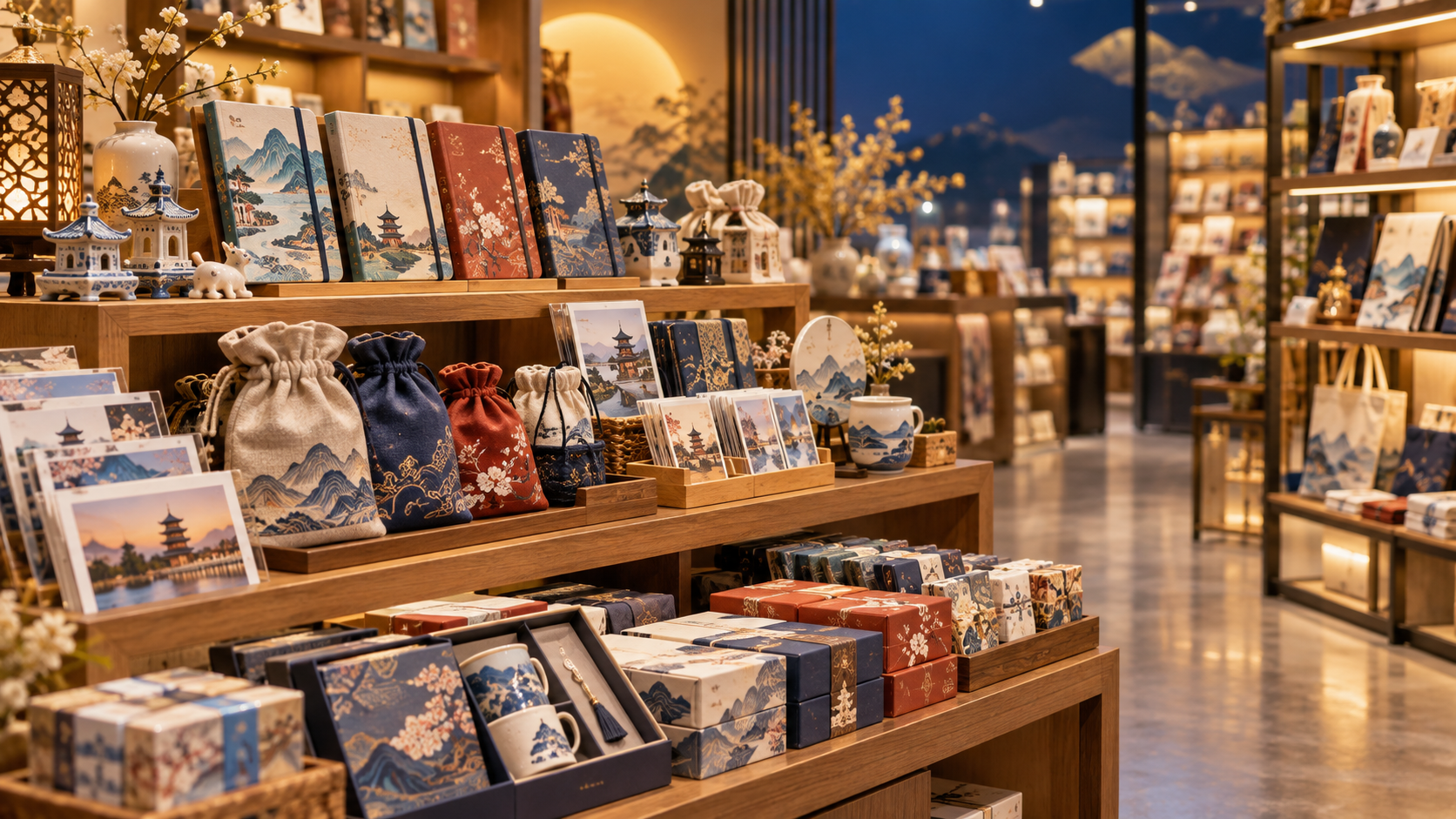
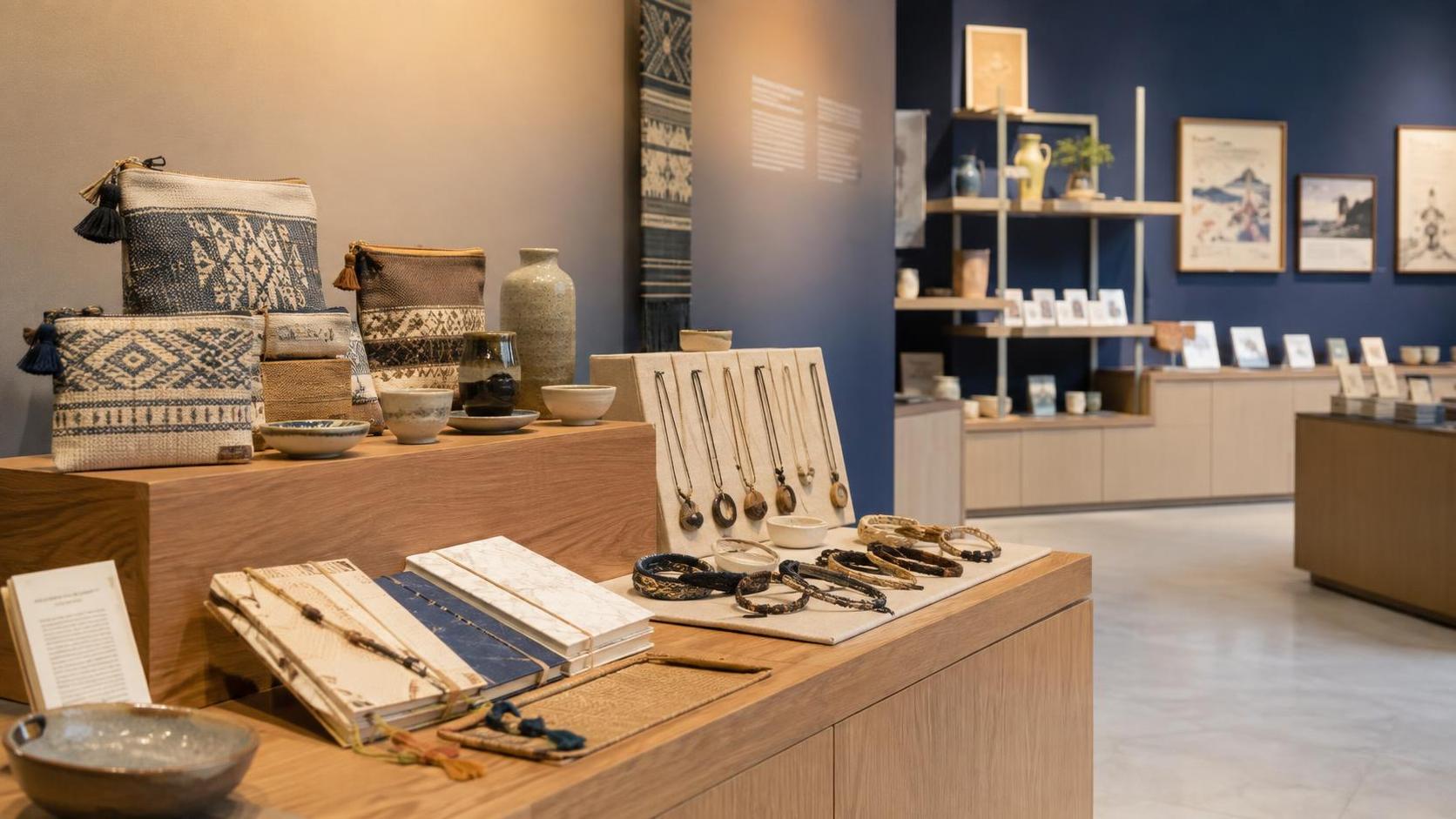
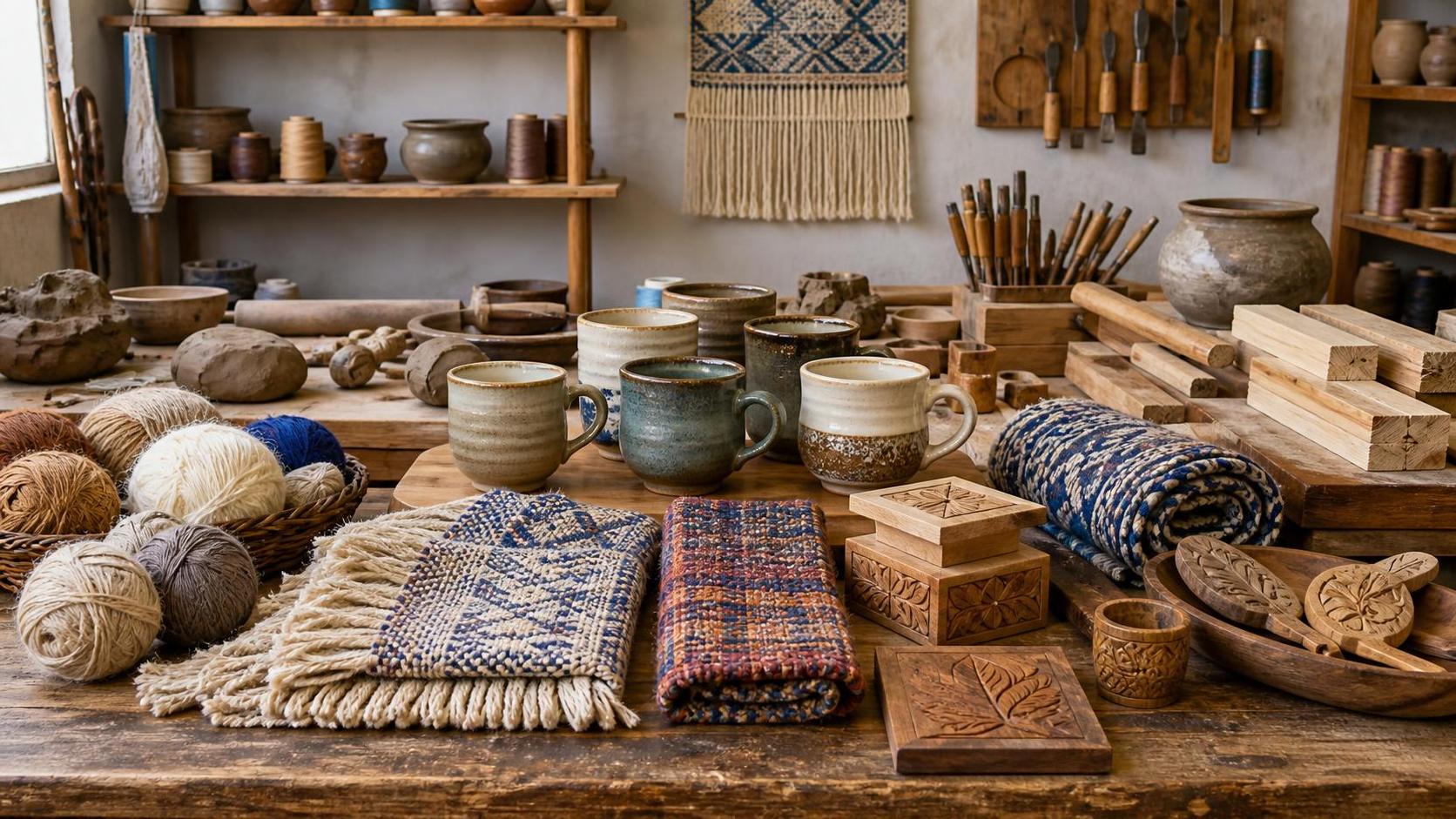
Cultural souvenirs sit at the intersection of gifts, textiles, home decor, leather goods, digital craft, and lifestyle retail. A single collection may include woven scarves, ceramic ornaments, desk accessories, and outdoor-themed keepsakes.
When these items move from local craft stalls to museum stores, destination retail, corporate gifting, or airport channels, quality expectations change sharply. Buyers expect batch stability, documented sourcing, and repeatable finishing.
From Handmade Appeal to Managed Production
A handmade appearance does not excuse inconsistent dimensions, fading colors, unstable coatings, or unsafe components. Most B2B buyers require tolerances, inspection records, and clear responsibility at each production stage.
For many projects, acceptable dimensional deviation is controlled within ±2 mm for small ornaments, while textile color variance is often checked against approved swatches under consistent lighting conditions.
Key Management Implications
- Cultural story approval should occur before tooling, sampling, or artwork separation begins.
- Material selection should balance visual authenticity with durability, safety, and export feasibility.
- Supplier scoring should include craft capability, documentation discipline, and corrective action speed.
- Packaging must protect both product integrity and narrative value during 2 to 8 weeks of distribution.
For project leaders, global craftsmanship helps translate artistic intent into production language. It links designers, artisans, factories, quality inspectors, and commercial teams through measurable checkpoints.
Building a Supplier Evaluation Framework
Supplier selection is one of the highest-risk decisions in cultural souvenir programs. A vendor may show beautiful samples but lack capacity for 5,000 to 30,000 pieces across seasonal campaigns.
A practical evaluation framework should review at least 5 dimensions: craft expertise, material control, production planning, compliance readiness, and communication discipline.
Supplier Assessment Criteria for Project Managers
The following table supports early-stage comparison when teams evaluate workshops, hybrid manufacturers, or export-ready craft factories for global craftsmanship projects.
The table highlights a central point: global craftsmanship requires evidence, not verbal assurance. Project managers should compare suppliers by repeatability, traceability, and responsiveness before negotiating price.
Avoiding Common Vendor Selection Mistakes
A common mistake is approving a supplier based on a single hero sample. That sample may be created by one senior artisan, not the actual production team.
Another risk is ignoring the second-tier supply chain. Beads, dyes, fabric trims, metal fittings, coatings, and adhesives can all affect compliance and long-term appearance.
- Request 2 to 3 repeated samples from different production days.
- Confirm whether critical components are purchased, handmade, outsourced, or digitally fabricated.
- Set written limits for color, size, weight, odor, surface marks, and packaging damage.
- Check whether replacement materials require written approval before use.
This disciplined approach reduces late-stage disputes. It also supports better communication between creative teams and factories when designs need refinement.
Quality Control Across the Souvenir Production Lifecycle
Quality control in cultural souvenirs should begin before production, not after cartons are packed. The strongest programs use 4 inspection gates: design validation, incoming material check, in-process review, and final release.
Each gate should have measurable criteria. For example, packaging drop tests may simulate 60 cm to 80 cm handling impact, depending on product weight and fragility.
Practical Inspection Gates
The lifecycle model below helps project managers decide where to place inspection resources when handling global craftsmanship collections with mixed materials and diverse production methods.
The key conclusion is simple: inspection must be staged. Finding a color mismatch at final inspection may delay delivery by 7 to 21 days.
Defining Defects Before They Become Disputes
Cultural souvenirs often include intentional texture variations. Project managers should separate acceptable handmade character from critical, major, and minor defects.
A natural wood grain pattern may be acceptable, while splinters, unstable varnish, or sharp metal edges are not. Clear definitions protect both buyers and makers.
Suggested Defect Classification
- Critical defects: safety hazards, restricted material concerns, misleading origin claims, or unusable product functions.
- Major defects: visible cracks, wrong colorway, missing accessories, weak stitching, incorrect logo placement.
- Minor defects: small surface variations within agreed range, slight texture differences, non-prominent marks.
For mixed-category collections, defect libraries with 20 to 40 reference photos can prevent repeated debates and accelerate inspector training.
Material Traceability and Compliance for Cross-Market Delivery
Traceability is essential when souvenirs include textiles, leather alternatives, paints, inks, wood, recycled plastics, or metal accessories. Each material can trigger different buyer requirements.
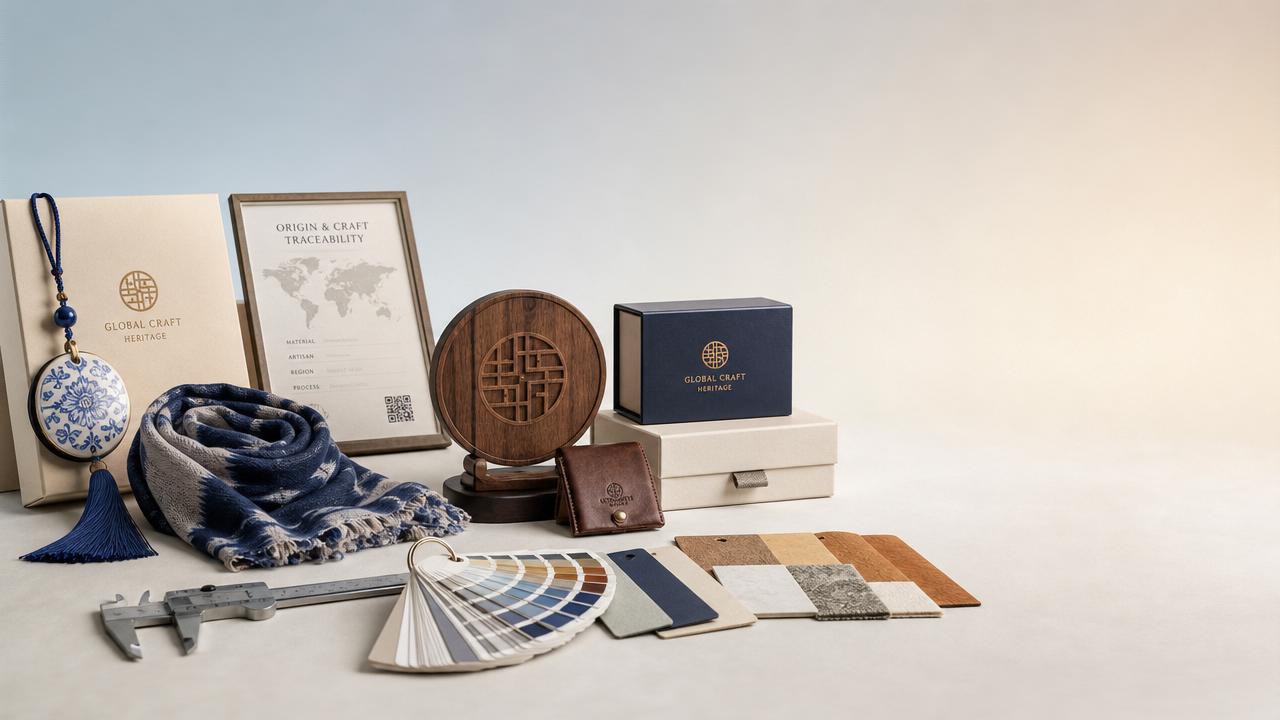
For global craftsmanship programs, traceability also supports storytelling. A buyer can communicate origin, technique, and sustainability claims only when documentation is organized.
What to Track in a Material File
A well-managed material file does not need to be complicated. It should capture the 6 essentials needed for sourcing, compliance, replacement, and future reorders.
- Material name, composition, supplier, and country or region of origin.
- Approved color standard, finish standard, and allowable shade variation.
- Relevant safety considerations for coatings, inks, small parts, or contact surfaces.
- Replacement rules if original material becomes unavailable during peak production.
- Storage conditions, such as humidity control for wood, paper, leather, or fabric.
- Test records, declarations, and inspection notes retained for repeat orders.
This file supports both operational control and brand communication. It also helps avoid inconsistent substitutions when lead times tighten to 3 or 4 weeks.
Balancing Cultural Authenticity and Market Rules
Some traditional materials or finishes may not be suitable for all markets. Natural dyes, vintage metal finishes, shell elements, and untreated wood require careful review.
Project managers should coordinate early with legal, compliance, and merchandising teams. This is especially important when souvenirs target children, food-contact use, or travel retail.
Practical Compliance Questions
- Does the item include small detachable parts that need age grading or warning labels?
- Are paints, coatings, or inks appropriate for the destination market and intended use?
- Can recycled or bio-based material claims be supported by supplier documentation?
- Does packaging include correct language, barcode format, care guidance, and origin marking?
GLC’s cross-disciplinary view is valuable here because cultural souvenirs rarely belong to one category. They may combine textile science, spatial design, gift packaging, and lifestyle positioning.
Project Workflow: Turning Craft Concepts into Scalable Collections
A souvenir project becomes manageable when teams use a structured workflow. For most medium-complexity collections, a practical development cycle ranges from 8 to 14 weeks.
The exact timeline depends on tooling, hand-finishing intensity, testing requirements, packaging design, and the number of SKUs. Complex collections may require 2 sampling rounds.
A 5-Step Implementation Model
- Define the story architecture: theme, audience, price band, retail channel, and cultural boundaries.
- Translate aesthetics into specifications: dimensions, materials, finishes, packaging, and inspection criteria.
- Develop samples: compare at least 2 production routes when cost, texture, or durability is uncertain.
- Validate production readiness: confirm capacity, component availability, lead time, and quality checkpoints.
- Launch controlled production: monitor first batch, review defects, and freeze standards before scaling.
This model keeps global craftsmanship practical. It allows creative exploration while preserving budget control, schedule discipline, and consistent buyer communication.
Managing Multi-SKU Collections
Many souvenir programs include 10 to 50 SKUs across price tiers. Project managers should classify them by risk rather than treating every item equally.
High-risk SKUs include fragile ceramics, color-sensitive textiles, complex assembly items, and products involving restricted materials. Low-risk SKUs may include printed cards or simple magnets.
Risk-Based Control Suggestions
- Assign senior inspectors to high-value or compliance-sensitive products during first production.
- Use retained golden samples for each SKU, packaging version, and approved colorway.
- Review defect trends every 2 to 3 production days during peak output.
- Keep critical spare components available when lead times exceed 15 working days.
Risk-based management prevents over-inspection of simple items and under-control of complex products. It also improves cost efficiency across larger collections.
Procurement Priorities for Project Managers and Engineering Leads
Project managers and engineering leads need more than attractive concept boards. They need suppliers who can translate design into stable process control and predictable delivery.
In global craftsmanship sourcing, procurement decisions should consider total project risk. A unit price that is 5% lower may not justify rework, delays, or rejected shipments.
Decision Factors Beyond Unit Price
The most resilient purchasing decisions combine commercial, technical, and cultural considerations. The following factors are especially useful for tender documents and supplier scorecards.
The procurement lesson is clear: buying global craftsmanship means buying process maturity. Teams should reward suppliers who make risks visible early and correct them quickly.
How GLC Supports Better Sourcing Decisions
GLC connects global aesthetics with manufacturing intelligence across textiles, apparel, furnishing, gifts, footwear, leather, office spaces, and outdoor lifestyle products.
For cultural souvenirs, this cross-category perspective helps project teams compare materials, understand craft constraints, and identify practical quality controls before procurement commitments become costly.
Rather than viewing souvenirs as small decorative goods, GLC treats them as engineered lifestyle objects. This approach supports better specification, supplier evaluation, and brand-ready delivery.
Risk Control, Service Continuity, and Long-Term Collection Value
The strongest souvenir programs are designed for continuity. A collection should not collapse when one artisan is unavailable, one material is delayed, or one packaging vendor changes.
Project managers should establish risk registers covering at least 4 areas: supply continuity, quality deviation, compliance uncertainty, and demand fluctuation.
Common Risks and Practical Responses
- If handmade output varies, create step-by-step visual standards and train backup operators before peak season.
- If material availability is unstable, approve 1 primary and 1 secondary option during development.
- If packaging damage exceeds 2% during trial shipments, revise inserts, carton strength, or packing sequence.
- If reorder timing is uncertain, maintain updated lead-time calendars and minimum component stock levels.
These controls do not remove the human character of craft. They protect it by making the production environment more stable and commercially dependable.
Creating Brand-Ready Souvenir Collections
A brand-ready souvenir collection communicates meaning, performs reliably, and can be reordered without losing identity. That outcome requires design governance and operational discipline.
Project managers should maintain a living product file for every SKU. It should include approved samples, technical specifications, image references, supplier contacts, and change history.
When global craftsmanship is managed this way, cultural value becomes scalable. Teams can serve museums, destination brands, corporate programs, and lifestyle retailers with greater confidence.
Moving from Product Export to Brand Globalization
Cultural souvenirs are no longer simple add-on products. They can become ambassadors of place, memory, technique, and lifestyle when supported by disciplined development.
For project managers, the practical path includes supplier verification, material traceability, staged quality control, risk-based inspection, and clear documentation across every production cycle.
GLC’s role is to help teams understand the industrial logic behind beautiful objects. By combining global craftsmanship insight with quality standards, we support smarter sourcing decisions.
If your team is planning a cultural souvenir collection, evaluating suppliers, or improving quality control workflows, connect with GLC to explore tailored intelligence and practical sourcing guidance.
Consult our team to learn more solutions, review project requirements, and obtain a customized approach for transforming meaningful craft concepts into reliable global products.