How Gift Craftsmanship Shapes Perceived Value in Cultural Souvenirs

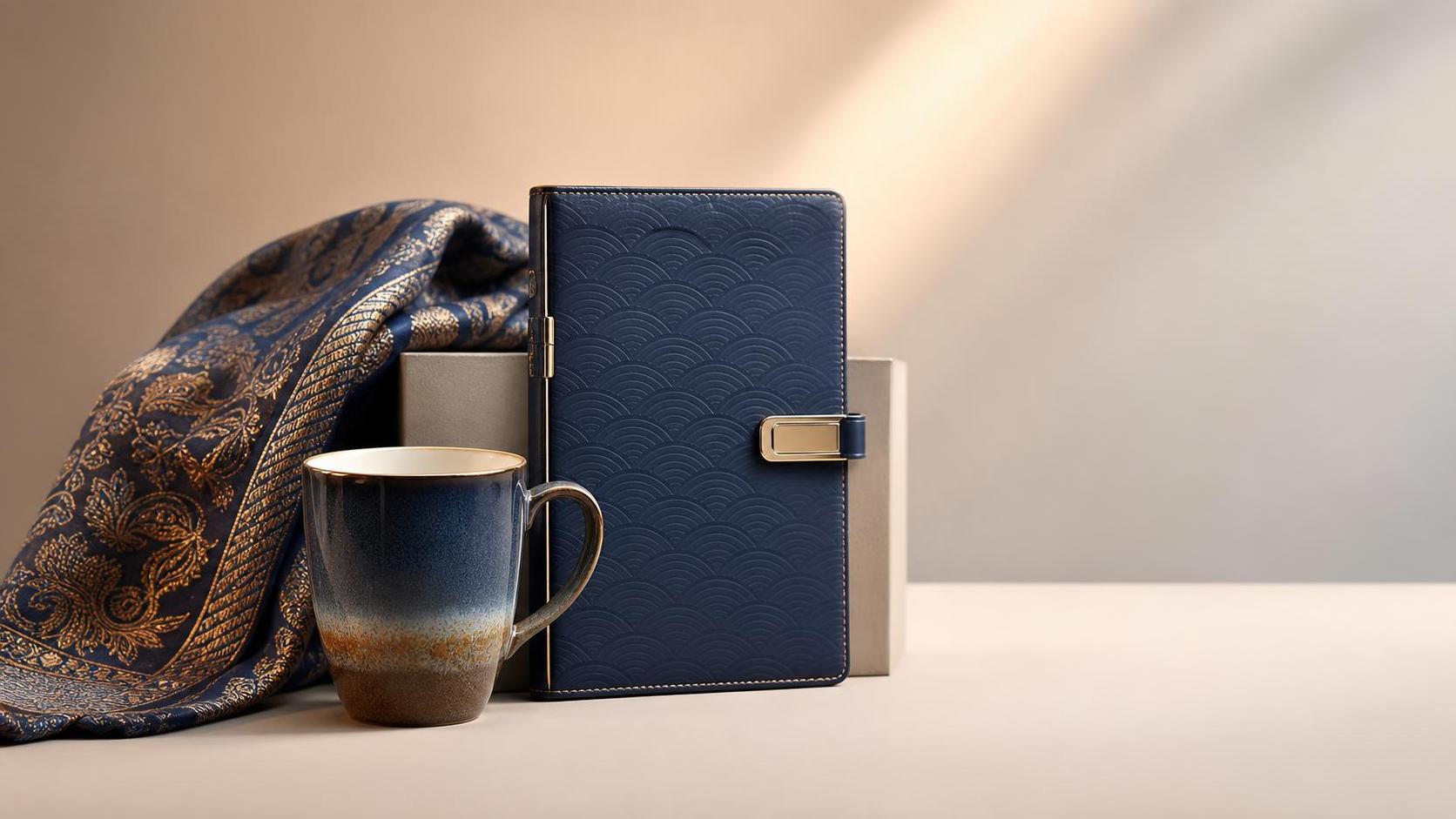
Why Craftsmanship Changes the Meaning of a Cultural Souvenir
In cultural souvenirs, perceived value rarely comes from function alone. A souvenir may be small, inexpensive in raw material terms, and easy to carry, yet still command attention and trust if people can see, feel, or understand the care behind its making. That is where gift craftsmanship matters. It is not just about whether an object is handmade, nor is it limited to decorative finishing. In practice, gift craftsmanship refers to the choices, techniques, tolerances, and finishing standards that shape how a cultural object is translated into a gift people consider meaningful enough to keep, display, or give to someone else.
This is often misunderstood. Buyers sometimes assume perceived value is driven mainly by branding, packaging, or storytelling. Those factors do matter, but they do not compensate for weak execution. If the surface treatment flakes, the print registration is off, the textile feels synthetic in the wrong way, or the hardware looks generic, the object stops reading as culture and starts reading as merchandise. The gap is immediate. Consumers may not use technical manufacturing language, but they are highly sensitive to signals of care.
In the gifts segment, especially where cultural themes are involved, craftsmanship works as a credibility mechanism. It tells the buyer whether the maker understood the source material deeply enough to turn heritage into product without flattening it. That judgment affects not only premium pricing, but also whether the item feels authentic, collectible, appropriate for gifting, or simply disposable.
What Buyers Are Actually Reading When They Judge Craft
Most consumers do not inspect a souvenir as a factory auditor would. They read craft through a set of layered cues. Material comes first. Weight, touch, edge quality, stitching density, glaze consistency, weave compactness, emboss depth, and color restraint all influence whether the product feels considered or rushed. These are not random aesthetic preferences. They are proxies for process discipline.
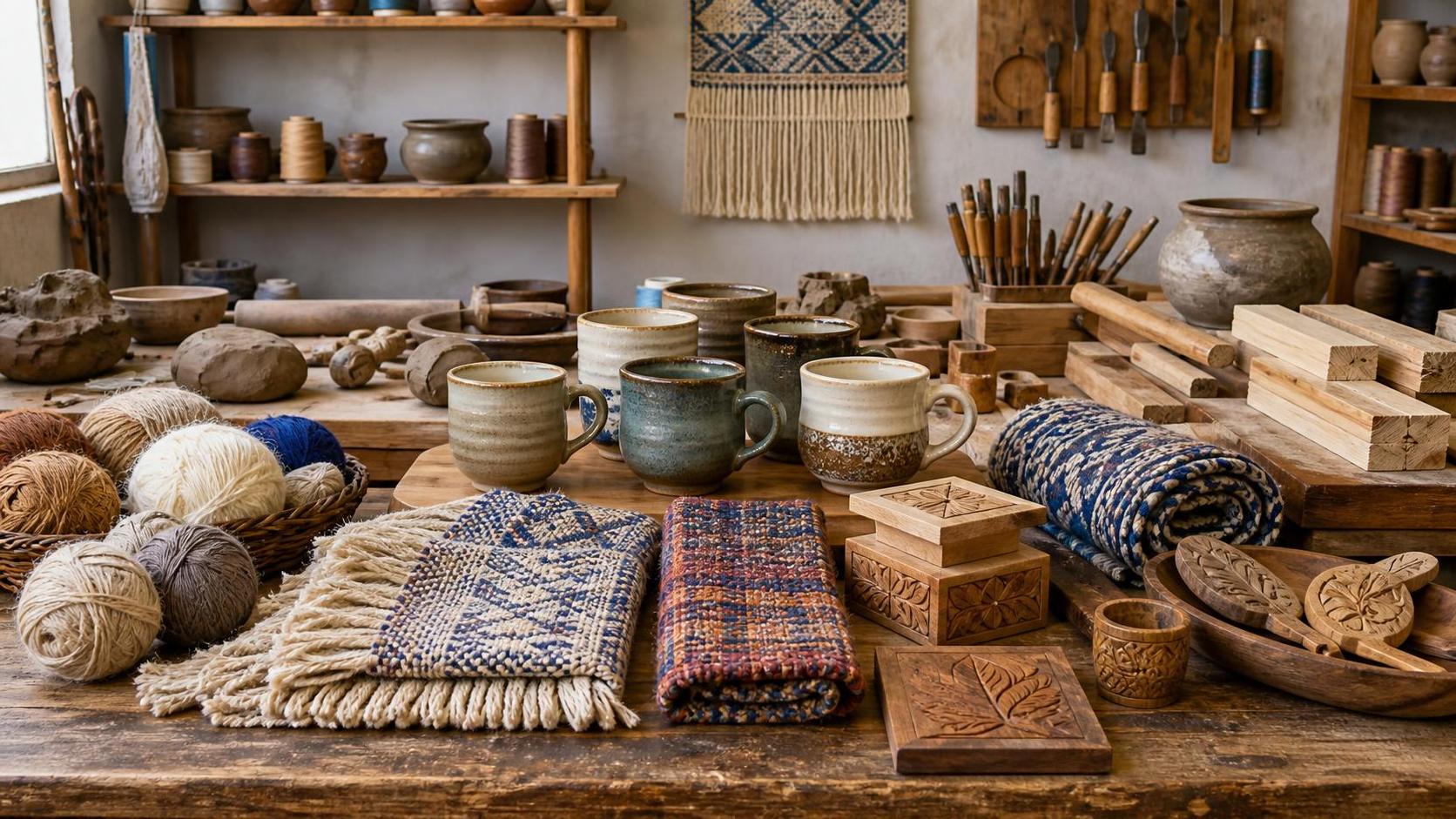
A ceramic item with controlled glaze variation may feel more valuable than one with a perfectly flat but lifeless finish, because the former suggests human skill rather than standardized imitation. A woven souvenir made from fibers with visible texture may communicate locality and craft tradition more effectively than a cleaner but generic synthetic blend. On the other hand, roughness alone does not equal authenticity. If the finish interferes with usability, soils too easily, or creates durability issues, the product may feel underdeveloped rather than artisanal.
This is one of the useful distinctions in gift craftsmanship: visible hand-feel and reliable quality are not opposites. The better products hold both. They preserve the trace of making while meeting the expectations of a modern gift market, where people still expect consistency, safety, and presentability.
Craftsmanship Is Also Interpretation
For cultural souvenirs, craftsmanship does more than improve finish quality. It interprets culture through material language. A motif drawn from local architecture, ritual objects, textile traditions, or folk symbols does not retain value automatically when transferred onto a mug, scarf, notebook, or desk object. The process of adaptation matters. Scale, placement, repeat rhythm, color reduction, and technique selection all affect whether the result feels respectful and coherent.
Digital printing, laser engraving, jacquard weaving, embroidery, enamel filling, relief casting, hand-painting, and surface carving each carry different expressive limits. Some methods preserve line detail well but lose depth. Others add tactile richness but simplify the original pattern. In that sense, gift craftsmanship is not only production capability. It is a design decision about which aspects of a culture should remain visually exact, which can be abstracted, and which should be translated into touch rather than image.
This is particularly relevant in sectors where GLC tracks crossover between design thinking and manufacturing. A strong souvenir is usually the result of both aesthetic intelligence and process knowledge. When one side dominates, the weakness shows. A concept-rich product without production discipline feels unresolved. A technically polished product with no cultural interpretation feels anonymous.
Why the Same Motif Can Produce Very Different Price Perception
Two products can use the same symbol and still occupy different value tiers in the market. The difference often lies in how craft decisions control three things at once: coherence, effort visibility, and longevity.
Coherence means every component appears to belong to the same idea. If a heritage-inspired textile pouch uses a refined woven pattern but low-grade zipper tape and generic metal pullers, the narrative breaks. Effort visibility refers to whether the buyer can detect layers of making beyond surface decoration. This does not require overt complexity. Sometimes a restrained edge finish, a carefully matched lining, or a well-balanced emboss communicates more value than additional ornament. Longevity is more practical. A souvenir intended for repeated use, such as a tote, tray, journal cover, or wearable accessory, must survive normal handling. If it degrades quickly, the cultural association attached to it weakens as well.
That is why perceived value in gifts is rarely just an emotional premium. It is tied to the buyer’s confidence that the object can carry memory over time.
Common Misreadings of “Handmade” and “Premium”
A frequent market mistake is treating handmade status as proof of superior value. Handmade can increase distinctiveness, but only if the workmanship is legible and appropriate to the object. Uneven finishing, unstable dimensions, weak joining, or poor color control are not redeemed simply because labor was manual. In cultural souvenirs, buyers are usually willing to accept variation, but not confusion about quality.
Another misreading is that premium perception depends on adding more decorative steps. In reality, overworked surfaces can dilute cultural clarity. A souvenir inspired by a historic pattern may lose authority if too many metallic coatings, layered prints, or novelty textures are added for instant shelf impact. The stronger move is often selective craftsmanship: using the right process in the right place and letting restraint do part of the work.
This is where experienced sourcing and product development teams tend to separate from less mature ones. They know that value is not created by maximum intervention, but by alignment between concept, craft method, and price band.
How the Industry Judges Good Gift Craftsmanship
There is no single universal checklist for every souvenir category, but professionals usually evaluate a mix of cultural fit, manufacturing execution, and commercial usability. The questions are concrete:
- Does the material choice support the cultural story, or does it feel substituted for cost reasons?
- Is the decorative technique appropriate to the original motif and to the product’s scale?
- Do tactile details, edges, seams, closures, and surface finishes hold up under normal use?
- Is there enough consistency for retail confidence without erasing signs of craft?
- Does the packaging support the object without pretending the package is the value itself?
For export-oriented or cross-border retail settings, one more layer enters the discussion: compliance. The article itself may be sold as a cultural item, but if it includes textiles, coatings, metal parts, inks, or components that come into consumer contact, buyers often need to think beyond appearance. The exact requirements depend on market and category, so no single rule covers all products, yet this is a practical boundary. Good craftsmanship in business terms is not only what looks refined; it is what can be manufactured responsibly, shipped reliably, and accepted by the intended market.
The Role of Digital Craftsmanship
One reason the gifts sector has changed in recent years is the expansion of digital craftsmanship. This does not mean replacing tradition with machines. More often, it means using digital tools to preserve pattern precision, prototype faster, support short runs, personalize content, or combine old techniques with more stable production workflows.
For cultural souvenirs, that hybrid approach can be valuable. A pattern may be digitized for accurate scaling, then produced through embroidery, weaving, engraving, or mixed-media finishing. A museum gift line, a destination retail collection, or a heritage-inspired corporate gift often benefits from this balance. It allows better control over repeatability while keeping room for material character and local craft identity. The result is not less authentic by default. Sometimes it is the only viable way to make culturally informed products commercially sustainable in moderate volumes.
Still, digital precision should not flatten the object. If every irregularity is engineered out, the souvenir can lose the sense of origin that made it desirable in the first place.
Where Perceived Value Actually Comes From
In the end, gift craftsmanship shapes perceived value because it answers several buyer questions at once. Is this object culturally grounded? Was it made with judgment? Will it age well enough to remain worth keeping? Does it feel specific to a place, tradition, or maker, rather than interchangeable with tourist stock?
When the answer is yes, a cultural souvenir stops being a low-commitment purchase and becomes a small carrier of identity. That shift matters across retail, museum stores, destination branding, hospitality gifting, and cross-border lifestyle trade. The commercial result may be better pricing or stronger conversion, but those outcomes come later. The first change happens in perception.
For anyone assessing gift craftsmanship, the most useful discipline is to look past the surface claim of tradition and ask how the object was translated into product form. Not every cultural souvenir needs labor-intensive handwork. Not every polished finish creates trust. What matters is whether the making process reinforces the meaning of the item. When craftsmanship and cultural intent move together, value feels earned rather than announced.