Eco-Friendly Gifts: Cost, Materials, and Certification Basics


Eco-friendly gifts have moved beyond a seasonal trend and into mainstream sourcing strategy. For brands, retailers, and private-label programs, the real challenge is not finding a green-looking item. It is verifying whether the product delivers credible environmental value, reliable quality, and workable cost.
That is why discussions around eco-friendly gifts now sit at the intersection of design, craftsmanship, and supply chain discipline. In categories connected to textiles, home items, office accessories, leisure goods, and digital gifting, better decisions depend on understanding materials, pricing logic, and certification signals together.
From the perspective of GLC, this topic matters because aesthetic appeal alone no longer defines value. Buyers increasingly need products that reflect global design preferences while also standing up to compliance reviews, sustainability claims, and commercial margin expectations.
What eco-friendly gifts really include
In practical terms, eco-friendly gifts are products designed to reduce environmental impact across materials, production, packaging, use, or end-of-life handling. The definition is broader than recycled content alone.
A notebook with FSC-certified paper, a tote made from recycled cotton, a stainless steel drinkware set, or a bamboo desk organizer may all qualify. Yet each product reaches that position through different supply chain choices.
Some items focus on renewable raw materials. Others reduce single-use waste. Some improve durability, which is often overlooked but commercially important. A gift that lasts longer can reduce replacement frequency and strengthen brand perception.
This is especially relevant in gifts and digital craftsmanship, where presentation, story, and tactile quality shape the final impression. A sustainable claim without craftsmanship usually fails in the market. The opposite is also true.
Why the market pays closer attention now
Several forces are raising the importance of eco-friendly gifts. One is buyer-side compliance pressure. Another is the shift toward value-led branding, where packaging, gifting, and promotional products reflect corporate responsibility.
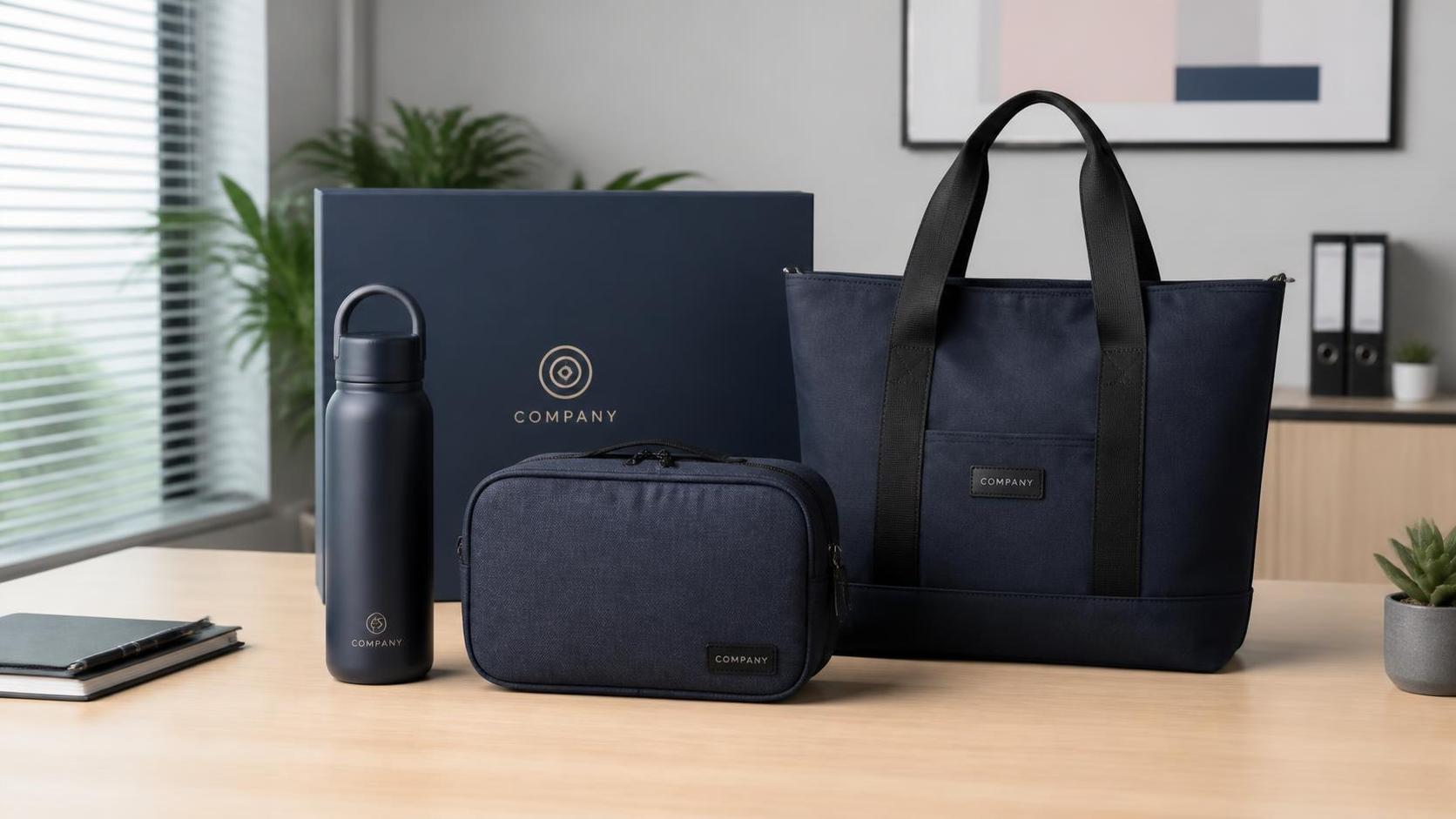
In many global supply chains, gifting has become an extension of brand identity. Events, employee kits, hospitality amenities, and retail add-ons are all visible touchpoints. If the item looks disposable or makes weak claims, the message becomes inconsistent.
There is also growing scrutiny around greenwashing. Simple terms like “natural,” “earth-friendly,” or “biodegradable” no longer satisfy experienced sourcing teams. They want documented material origin, traceable manufacturing steps, and recognized certification support.
GLC’s cross-sector view makes this trend easier to read. Developments in sustainable fibers, bio-based alternatives, ergonomic office products, and outdoor leisure goods are influencing gift design at the same time. Categories are no longer isolated.
How cost is built into eco-friendly gifts
Cost is often the first concern, but unit price alone gives an incomplete picture. Eco-friendly gifts usually carry a different cost structure, not simply a higher one.
Raw materials may cost more because recycled or certified inputs require controlled sourcing. Production may also involve smaller runs, additional testing, or stricter quality checkpoints. Packaging changes can increase material efficiency but alter assembly costs.
On the other hand, some cost increases can be offset. Standardized shapes, fewer mixed materials, or simplified decoration methods may reduce waste and improve output consistency. In certain categories, freight savings matter too.
A lightweight recycled polyester pouch may cost more per kilogram than a conventional option, yet lower freight and stronger perceived value can improve the total economics. That is why landed cost and usage context matter more than factory price alone.
Main cost drivers to review
- Material premium from recycled, organic, renewable, or traceable inputs.
- Certification and audit expenses, especially for chain-of-custody systems.
- Decoration methods, including water-based inks or low-impact finishing.
- MOQ requirements tied to specialized sourcing or production lines.
- Packaging redesign, such as plastic-free inserts or soy-based printing.
- Testing, documentation, and claim verification before shipment.
A more useful question is not whether eco-friendly gifts cost more. It is which sustainability elements create measurable value and which simply add narrative without improving performance or credibility.
Material choices that shape credibility
Material selection is where many sustainable gift programs succeed or fail. A product may look responsible, yet rely on vague claims or unstable sourcing. Good selection starts with function, then moves to environmental profile.
For textile-based gifts, common choices include recycled polyester, recycled cotton, organic cotton, hemp, and blends using regenerated fibers. Each option brings different trade-offs in hand feel, durability, dye behavior, and traceability.
For hard goods, bamboo, cork, stainless steel, glass, recycled ABS, wheat straw composites, and FSC-certified wood are frequent options. None should be treated as automatically superior. Performance and source transparency still matter.
Materials should also match end use. A conference giveaway, executive gift, office starter kit, and outdoor lifestyle pack do not require the same balance of aesthetics, function, and sustainability depth.
Certification basics without unnecessary complexity
Certification helps turn sustainability language into something testable. It does not guarantee a perfect product, but it does reduce ambiguity when evaluating eco-friendly gifts across multiple suppliers.
The key is choosing certifications that match the product claim. A recycled-content bag and a paper-based gift box should not be validated in the same way.
Common certifications and what they signal
- GRS: Confirms recycled content and includes social, environmental, and chemical criteria.
- RCS: Verifies recycled content, usually with a narrower focus than GRS.
- FSC: Supports responsible forest sourcing for paper, wood, and packaging components.
- OEKO-TEX: Screens for harmful substances in textile-related products.
- GOTS: Applies to organic textiles with processing requirements beyond fiber origin.
- BSCI or SMETA: Addresses social compliance rather than environmental claims, but remains relevant for supplier evaluation.
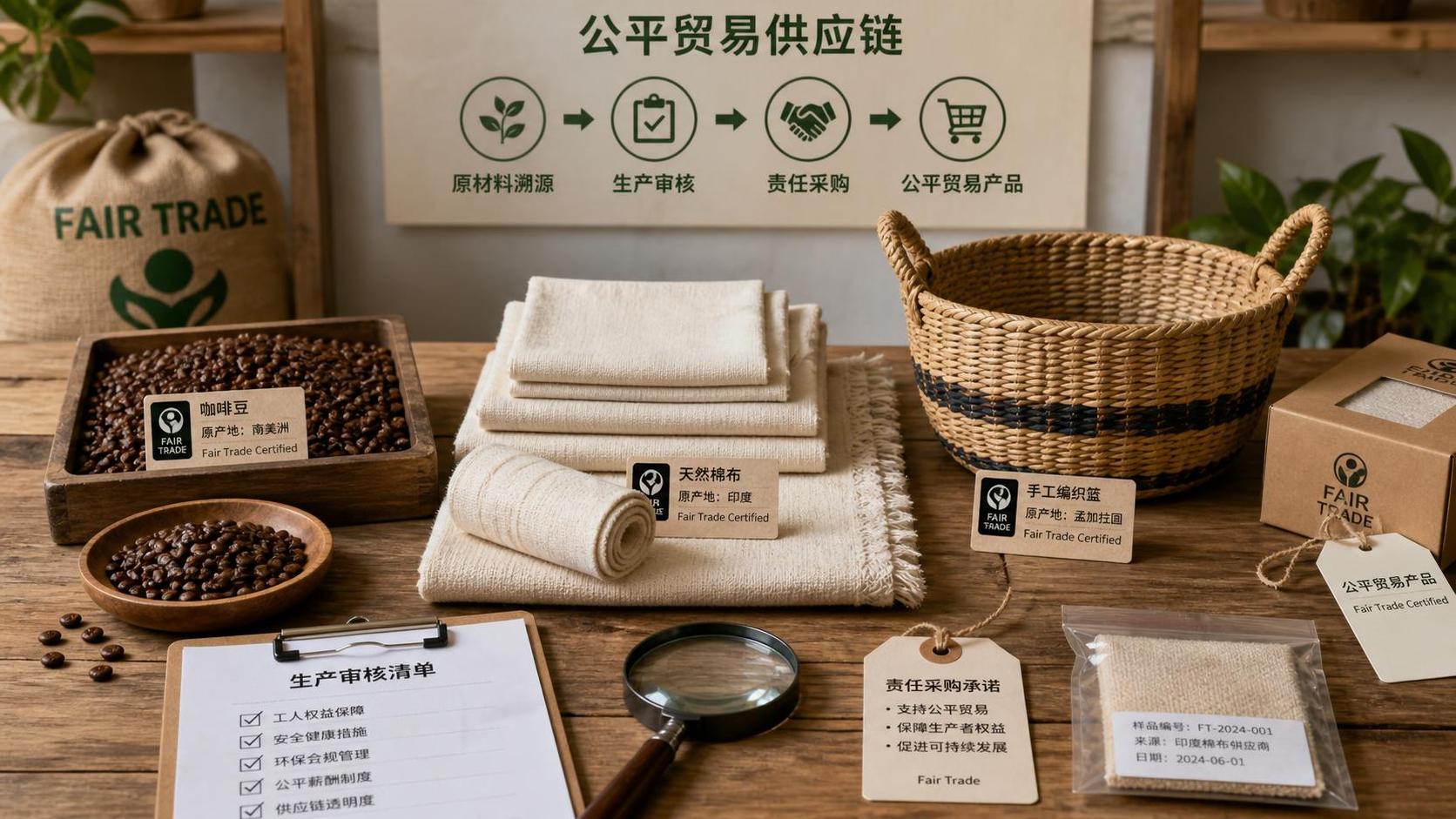
Certification review should go beyond logo checking. Expiry dates, scope, certified site names, and claim wording on packaging all deserve attention. A factory may hold one valid certificate, while the offered product falls outside that scope.
It also helps to distinguish between product certification and facility certification. The difference affects how far a sustainability claim can responsibly go in catalog copy, tender documents, or customer communication.
Typical sourcing scenarios across categories
The strongest eco-friendly gifts programs are built around use cases rather than generic green lists. This is where cross-industry knowledge becomes useful.
In textile and apparel-linked gifting, soft goods such as tote bags, scarves, pouches, and wearable accessories often benefit from recycled or organic fibers. Here, texture, printability, and colorfastness influence acceptance as much as sustainability claims.
In office and workspace categories, notebook sets, desktop organizers, cable accessories, and reusable drinkware perform well when they combine low-impact materials with clean industrial design. Usability is crucial because daily visibility amplifies brand association.
In outdoor and lifestyle gifting, durability becomes even more important. Recycled fabrics, BPA-free food-contact parts, weather-resistant trims, and practical repairability can carry more weight than decorative sustainability language.
For premium gift programs, craftsmanship matters most. Well-finished edges, thoughtful packaging, and material authenticity create the emotional value that justifies spend. GLC often highlights this link between global aesthetics and manufacturing discipline because it directly affects commercial outcomes.
How to evaluate suppliers with fewer blind spots
A strong supplier conversation should connect product design, process control, and proof of claim. Sampling remains essential, but documentation should develop in parallel rather than after approval.
- Ask which sustainability element drives the product claim: recycled content, renewable input, reduced packaging, or extended life.
- Request bill-of-material clarity, especially when natural-looking products include hidden plastics or heavy coatings.
- Compare certified and non-certified versions to understand the actual premium.
- Review decoration methods because inks, adhesives, and plating can weaken an otherwise credible concept.
- Check whether packaging supports the same sustainability message as the product itself.
- Confirm testing needs for food contact, chemical restrictions, or destination-market labeling.
This approach helps separate commercially viable eco-friendly gifts from products that only perform well in presentation decks. It also protects downstream brand communication from claim-related risk.
A practical way to move forward
The most effective next step is to build a short evaluation framework before expanding the item list. Start with intended use, target price band, material preference, compliance needs, and packaging expectations.
Then compare eco-friendly gifts across total value, not isolated claims. A product with moderate recycled content, strong usability, valid certification, and stable supply may outperform a more ambitious concept with weak execution.
As global gifting evolves, better sourcing decisions will come from linking aesthetics, industrial standards, and honest documentation. That is where sustainable intent becomes practical business value, and where careful evaluation creates stronger long-term programs.