Eco-Friendly Home Decor: Materials Worth Paying More For

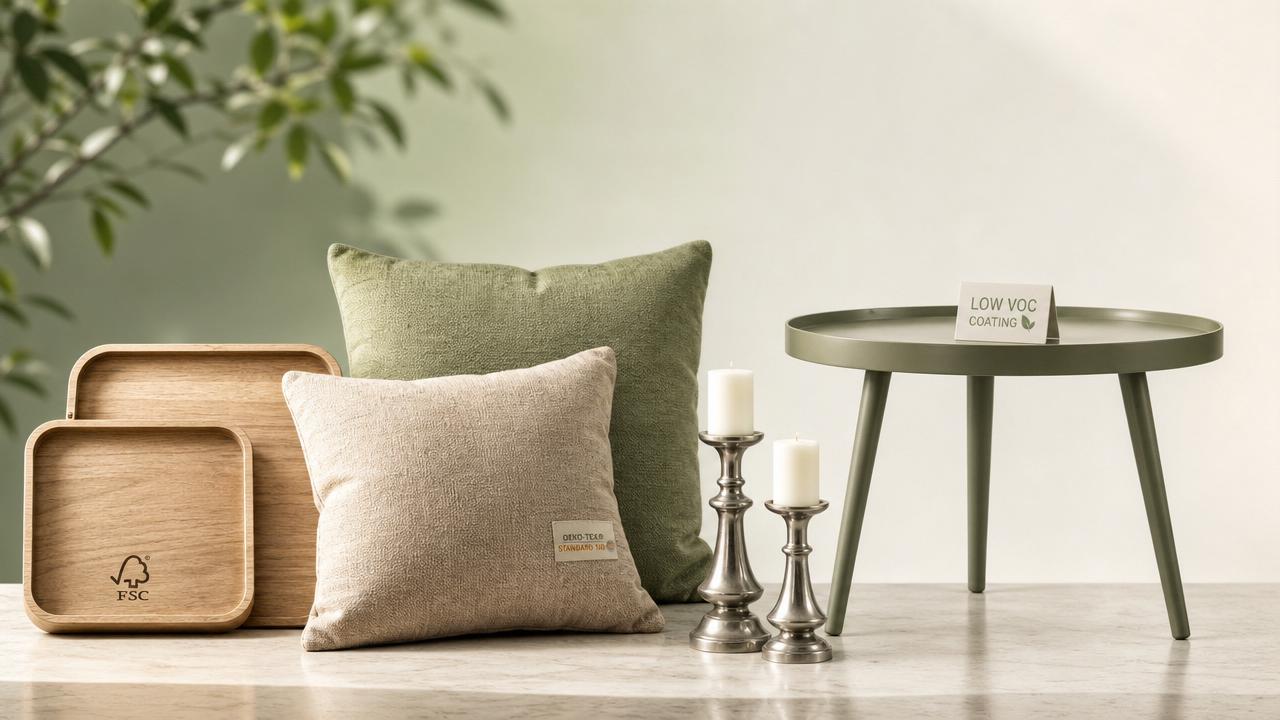
For procurement professionals, investing in eco-friendly home decor is not just a sustainability choice but a strategic sourcing decision. Materials such as FSC-certified wood, organic textiles, recycled metals, and low-VOC finishes often cost more upfront, yet they deliver stronger brand value, compliance advantages, and long-term market appeal. Understanding which materials are truly worth paying more for helps buyers align craftsmanship, consumer demand, and responsible supply chain goals.
In home furnishing, décor accessories, and lifestyle collections, material choice now influences far more than appearance. It affects import compliance, retail positioning, warranty risk, packaging claims, and the credibility of a buyer’s sustainability roadmap. For sourcing teams working across textiles, gifts, office furnishings, and global living products, selecting the right eco-friendly home decor materials means balancing aesthetics, measurable quality, supplier capability, and total landed cost.
The key question is not whether greener materials cost more. In most cases, they do by 8% to 30% at the component level. The real procurement issue is which materials justify that premium through lower risk, stronger storytelling, longer product life, and better acceptance in export markets. This article focuses on the materials most worth paying more for, how to evaluate them, and where buyers should be careful.
Why Premium Sustainable Materials Matter in B2B Home Decor Procurement
For B2B buyers, eco-friendly home decor is no longer a niche category limited to boutique brands. It has become a mainstream requirement in product development calendars, especially in North America, Western Europe, Japan, Australia, and premium urban retail channels. Buyers are expected to source décor that looks refined, performs consistently, and carries credible environmental value.
A material premium often protects a buyer in 4 practical ways: better certification alignment, lower quality complaints, stronger shelf appeal, and smoother communication with brand, retail, and compliance teams. When a lamp base, cushion cover, tray, or wall accent uses verified sustainable inputs, the finished product becomes easier to position in both design-led and responsibility-led assortments.
The cost issue is broader than unit price
Many sourcing teams still compare eco-friendly home decor inputs only by ex-factory price. That is too narrow. A decorative item with a 12% higher material cost may reduce returns, improve carton presentation, support a premium retail markup of 1.5x to 2.2x, and shorten the approval cycle with brand clients who demand clearer environmental documentation.
In categories such as textiles, tabletop accents, baskets, mirrors, and office décor, the wrong low-cost material can lead to odor issues, coating failures, unstable color fastness, or regulatory questions. Each of these problems can consume 2 to 6 weeks in rework, replacement negotiation, and delayed shipment.
What procurement teams usually evaluate
Before approving a premium material, buyers typically review a matrix of commercial and technical factors. The table below summarizes the most common decision points for eco-friendly home decor programs across furnishing, gifting, and lifestyle product lines.
The main lesson is clear: buyers should compare premium sustainable materials against lifecycle value, not only invoice cost. In eco-friendly home decor, a low-cost input can become expensive once claims, defects, or market mismatch are factored in.
Three pressure points shaping decisions
- Retailers increasingly expect cleaner material declarations and packaging claims that can be substantiated.
- Consumers in premium décor segments respond strongly to tactile authenticity, especially in wood, textile, ceramic, and woven surfaces.
- Factories need materials that fit existing craftsmanship processes, because overly experimental inputs can increase defect rates by 3% to 8%.
Eco-Friendly Home Decor Materials Worth Paying More For
Not every green input deserves a premium. The strongest candidates are materials that combine design appeal, practical durability, and documentation clarity. In global living and craftsmanship sectors, 4 material groups consistently provide better procurement value when sourced well.
FSC-certified wood and responsibly sourced engineered wood
Wood remains central in eco-friendly home decor, from trays and frames to side tables, shelving, mirrors, and accent objects. Paying more for FSC-certified solid wood or responsibly sourced engineered panels is often justified when the product depends on visible grain, structural integrity, and premium presentation.
Buyers should examine moisture content, species consistency, joint stability, and finish compatibility. For indoor decorative furniture and accessories, a moisture content range around 8% to 12% is commonly preferred to reduce warping risk during storage and cross-border transport. Certification alone is not enough if machining quality is poor.
Why the premium can pay back
- Better surface consistency for stained, matte, or natural oil finishes
- Stronger acceptance in hospitality, workspace, and premium gifting channels
- Lower risk of cracking, twisting, or visible filler defects after 6 to 18 months
Organic and responsibly processed textiles
Textiles are one of the most visible and touch-sensitive elements in eco-friendly home decor. Cushions, throws, table linens, curtains, and fabric storage products benefit from upgraded materials such as organic cotton, linen, hemp blends, and recycled polyester with controlled finishing chemistry.
For procurement teams, the premium is more defensible when the fabric contributes directly to user experience. Softness, drape, weight, pilling resistance, and color performance matter. For many décor applications, buyers compare fabrics in the 180 to 350 gsm range, depending on whether the item is decorative, functional, or multi-use.
Where textile upgrades create value
- Organic cotton supports cleaner product storytelling in nursery, bedroom, and wellness collections.
- Linen and hemp blends provide a premium natural texture that is difficult to imitate with low-cost synthetics.
- Recycled polyester can work well in filled cushions or blended constructions when durability and easier care are required.
Recycled metals for frames, hardware, and decorative structures
Recycled aluminum, iron, and steel are increasingly used in candle holders, shelving frames, mirror borders, wall décor, hooks, and mixed-material accent furniture. In these categories, paying more can make sense because metal content contributes to both structural strength and design identity.
Procurement teams should confirm gauge stability, weld quality, coating adhesion, and corrosion resistance rather than relying only on recycled-content claims. Decorative metal items often fail not because the base metal is recycled, but because pretreatment or powder coating is inconsistent.
Low-VOC finishes, water-based coatings, and safer adhesives
These materials are less visible than wood or fabric, but they are often among the most important upgrades in eco-friendly home decor. Odor complaints, finish yellowing, and indoor air concerns can damage product reputation quickly. Water-based paints, low-VOC lacquers, and reduced-emission adhesives help protect both brand image and end-user satisfaction.
In categories such as nursery décor, office accessories, storage units, and decorative furniture, coatings are frequently a hidden decision driver. A cheaper solvent-heavy system may save 3% to 7% in finishing cost, yet create major friction in retail approval or post-delivery feedback.
Material comparison for sourcing teams
The table below compares common premium eco-friendly home decor materials from a procurement perspective, including best-fit uses, typical cost effect, and main sourcing watchpoints.
Among these options, wood and textiles usually create the most visible market value, while coatings and adhesives often create the most risk reduction. The best sourcing strategy is to combine one visible premium material with one invisible compliance-oriented upgrade.
How Buyers Should Evaluate Premium Material Claims
A sustainable input is only worth paying more for if the supplier can deliver consistency across batches, lead times, and documentation. Procurement teams should move beyond brochure language and use a structured review process with at least 5 checkpoints before final nomination.
Step 1: Verify material traceability
Ask where the base material comes from, how often the source changes, and whether chain-of-custody or composition records can be matched to production lots. For multi-material décor items, traceability is especially important because one undocumented component can weaken the entire claim.
Step 2: Test production compatibility
Premium sustainable materials sometimes behave differently during cutting, weaving, bending, coating, or packing. A buyer should request pilot production or a small pre-production batch of 20 to 50 units for craftsmanship review. This helps confirm if the material suits the supplier’s real manufacturing conditions.
Step 3: Check performance under transport and seasonal storage
Home decor often travels across humid ports, dry warehouses, and long retail dwell times. Test for 2 to 3 environmental conditions where possible, such as humidity variation, carton compression, or surface abrasion. Buyers should pay special attention to woven natural fibers, painted wood, and metal-plus-glass combinations.
Step 4: Compare total commercial impact
Do not treat every eco upgrade equally. Some justify a premium because they improve both design and compliance. Others mainly improve marketing language. The strongest materials support at least 3 outcomes: premium appearance, reduced risk, and reliable replenishment within a 30 to 60 day cycle.
Five practical questions for supplier review
- Can the supplier maintain the same source for the next 2 to 4 purchase cycles?
- What is the realistic MOQ for the premium material version versus the standard version?
- Does the material require special packaging, drying time, or handling procedures?
- Which part of the premium is raw material, and which part is process-related cost?
- Can the supplier provide a fallback option if the original source becomes unstable?
Common Procurement Mistakes in Eco-Friendly Home Decor
Even experienced sourcing teams can overpay for the wrong upgrade or underinvest in the right one. In home décor, the biggest mistakes usually come from weak product-material matching rather than from sustainability ambition itself.
Mistake 1: Paying for claims that customers cannot see or verify
If a premium material does not improve tactile quality, visual value, or compliance confidence, it may not deserve higher spend. Decorative products need a clear value bridge between material story and end-market expectation. A recycled content claim hidden inside an otherwise ordinary low-grade product may have limited commercial effect.
Mistake 2: Ignoring craftsmanship fit
A strong eco-friendly home decor concept can fail if the factory lacks the process control to handle it. Natural fabrics may distort in cutting, water-based finishes may need longer curing windows, and reclaimed wood may require tighter grading. Buyers should align material ambition with factory process maturity.
Mistake 3: Treating all categories the same
The best premium choice for a throw pillow is not the same as for a console table or a desktop organizer. In soft goods, touch and wash behavior matter most. In hard décor, stability, odor, finish integrity, and shipping protection often matter more. Category-specific evaluation prevents costly mismatches.
Where to invest first
- Invest first in visible surfaces and high-contact materials.
- Invest second in low-VOC coatings and adhesive systems for risk control.
- Invest third in story-rich materials that support premium retail assortment building.
Building a Stronger Sourcing Strategy for Long-Term Value
The most effective eco-friendly home decor procurement strategy is phased, practical, and category-sensitive. Instead of converting every SKU at once, many buyers begin with 10% to 20% of the assortment, focusing on products where material upgrades can influence both margin and market positioning.
A useful approach is to group products into three tiers: story-led premium décor, dependable mid-range staples, and test-launch innovation items. This allows procurement teams to assign different material premiums, MOQs, and approval standards based on commercial role rather than applying one rule to every product line.
What long-term buyers usually prioritize
Over a 12 to 24 month sourcing horizon, buyers generally favor suppliers that can connect craftsmanship quality with stable documentation and flexible development. That is especially relevant in globally influenced lifestyle sectors where design trends shift quickly but compliance expectations only become stricter.
For businesses operating across textiles, home furnishing, office décor, gifts, and lifestyle accessories, the winning formula is not just sustainable sourcing. It is sustainable sourcing with manufacturable design, dependable finishing, and honest supply chain visibility.
Eco-friendly home decor materials are worth paying more for when they improve product integrity, support stronger market positioning, and reduce sourcing friction across approval, production, and delivery. FSC-certified wood, organic or well-managed textiles, recycled metals, and low-VOC finishes are often the most practical places to invest because they connect aesthetics with measurable procurement value.
If you are building a more resilient décor assortment, refining material standards, or comparing supplier capabilities across global living categories, now is the time to review where premium sustainable inputs can create the greatest return. Contact us to get a tailored sourcing perspective, discuss material options, or explore more solutions for responsible, design-led product development.