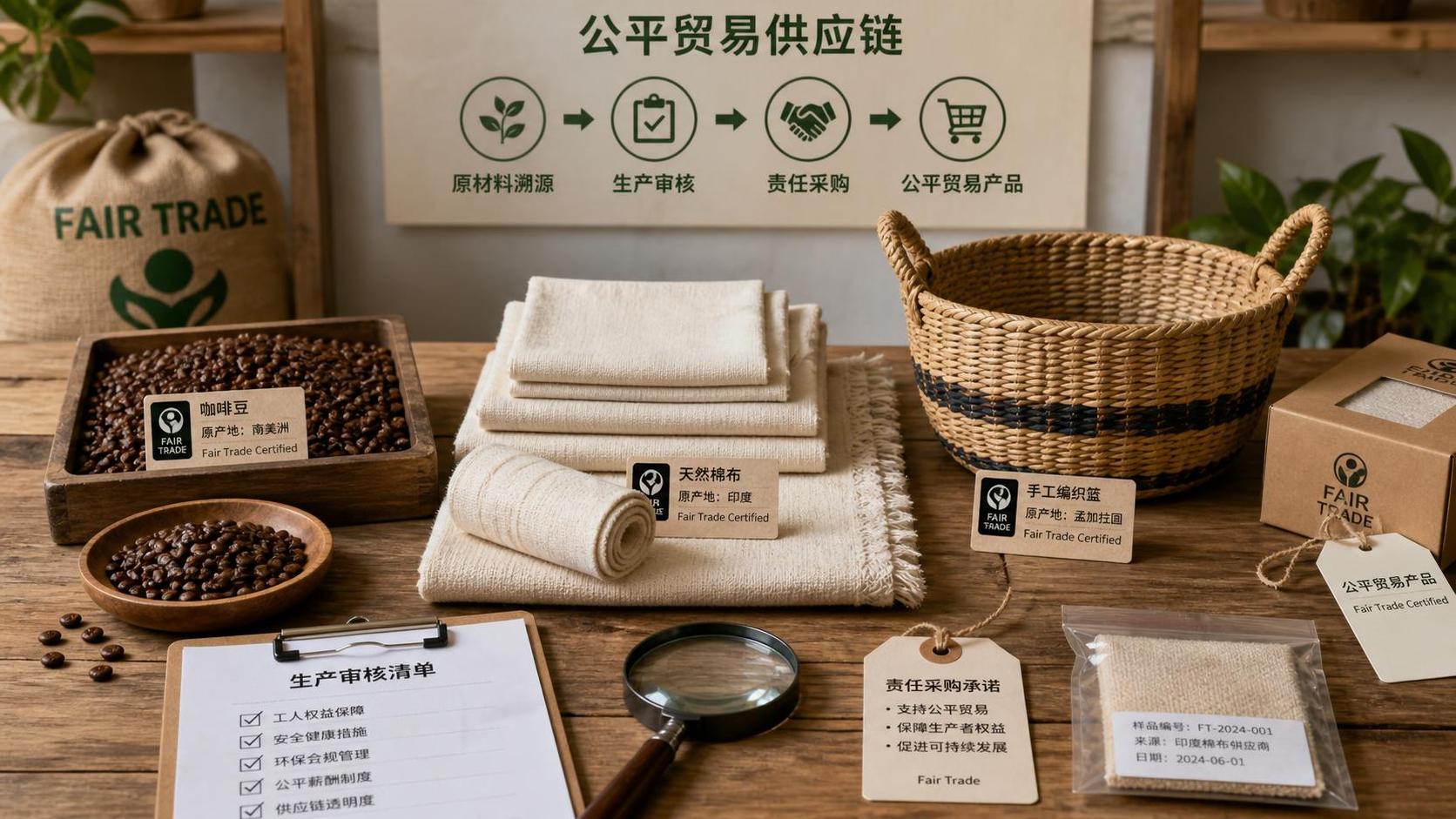
Fair Trade Coffee: Cost, Quality, and Supply Risks


For global sourcing, fair trade coffee is no longer only an ethical choice. It is a commercial decision shaped by cost volatility, quality expectations, and supply resilience.
As sustainability claims face closer review, transparent sourcing has become central to category strategy. Fair trade coffee offers structure, but also creates practical trade-offs.
This article examines pricing, farmer relationships, quality consistency, and supply risk. It also explains how fair trade coffee can support responsible procurement and long-term performance.
Fair Trade Coffee as a Sourcing Framework
Fair trade coffee refers to coffee purchased under standards that protect farmer income, labor conditions, and community development goals.
The model usually includes a minimum price, a social premium, traceability rules, and audits. These mechanisms aim to reduce extreme farm-level vulnerability.
In practice, fair trade coffee is not a single quality grade. It can include commercial blends, specialty lots, organic coffee, and origin-specific programs.
The key distinction is governance. Fair trade coffee links purchasing behavior with documented social and economic commitments across the supply chain.
For broader consumer goods, this mirrors a wider shift. Ethical sourcing is becoming measurable, comparable, and increasingly connected to brand credibility.
Core Elements Behind Certification
- Minimum pricing that offers protection during weak commodity markets.
- Community premiums used for local development or cooperative investment.
- Rules covering labor practices, environmental management, and democratic organization.
- Traceability records that connect certified volumes with approved suppliers.
- Independent audits designed to validate claims and reduce reputational exposure.
These elements make fair trade coffee attractive for responsible sourcing. However, they also affect cost, availability, and supplier selection.
Current Industry Signals Affecting Fair Trade Coffee
Coffee sourcing is exposed to climate stress, currency movement, freight disruption, and changing consumer expectations. Fair trade coffee responds to several of these pressures.
The value of certification rises when buyers need credible evidence. Labels alone are less persuasive without clear documentation and supplier-level visibility.
These signals explain why fair trade coffee remains relevant beyond traditional ethical retail. It now belongs in risk, brand, and supply discussions.
Cost Structure and Pricing Implications
The cost of fair trade coffee is influenced by certification fees, premiums, logistics, cooperative capacity, and origin availability.
The minimum price does not always mean higher cost. When market prices are high, the premium may become the main visible difference.
When commodity markets fall, fair trade coffee can cost more than conventional alternatives. That gap reflects income protection for producers.
Budget planning should separate green coffee price, certification premium, quality differential, freight, roasting loss, packaging, and marketing value.
Cost Drivers to Review
- Certified origin availability and harvest timing.
- Cooperative processing capability and export readiness.
- Required cup score, defect tolerance, and moisture target.
- Contract structure, shipment schedule, and inventory buffer.
- Documentation workload across importers, roasters, and brand owners.
Fair trade coffee should therefore be evaluated through total landed cost. Unit price alone gives an incomplete commercial picture.
Quality Expectations and Product Consistency
Fair trade coffee is often associated with responsibility, but quality still depends on agronomy, processing, storage, and supplier discipline.
Certification does not automatically guarantee specialty quality. It confirms compliance with defined social, economic, and environmental requirements.
Strong programs connect fair trade coffee with cup testing, lot separation, moisture control, and regular feedback to farms.
Quality risk increases when certified volumes are treated as interchangeable. Origin, altitude, variety, processing method, and harvest timing still matter.
Quality Controls That Strengthen Outcomes
- Define sensory targets before contracting fair trade coffee.
- Request pre-shipment samples and arrival samples.
- Track moisture, water activity, defects, and screen size.
- Separate certified lots by origin and processing profile.
- Maintain feedback loops with exporters and producer groups.
When these controls are active, fair trade coffee can support both ethical positioning and reliable product performance.
Supply Risk and Resilience Considerations
Supply risk in coffee comes from weather, pests, political instability, port congestion, and competition for high-quality certified lots.
Fair trade coffee can reduce some risks through longer relationships and cooperative investment. It cannot remove origin exposure completely.
A resilient strategy avoids dependence on one certified origin. It balances quality consistency with diversified sourcing options.
Fair trade coffee works best when certification is part of a larger sourcing architecture, not a standalone safeguard.
Business Value Across Product and Brand Systems
The business value of fair trade coffee depends on how clearly it supports product strategy, customer expectations, and operational control.
For premium retail, fair trade coffee can strengthen origin storytelling and reinforce transparent values. For foodservice, consistency and supply assurance may matter more.
In gifting, hospitality, and workplace beverage programs, certified coffee can support broader responsible purchasing policies.
This links coffee sourcing with wider lifestyle categories. Quality, craftsmanship, and responsible production increasingly shape consumer trust.
Common Application Scenarios
Across these scenarios, fair trade coffee becomes more valuable when claims are specific, traceable, and connected to product quality.
Practical Evaluation Before Commitment
Before adopting fair trade coffee, define the commercial purpose. The goal may be risk reduction, brand trust, compliance, or product premiumization.
A clear purpose prevents overpaying for certification without operational benefit. It also helps compare suppliers on the right criteria.
Supplier Assessment Checklist
- Verify current certification status and transaction scope.
- Confirm whether volumes are segregated or mass-balanced.
- Review cooperative structure, exporter experience, and harvest calendar.
- Request recent cupping results and defect records.
- Compare landed cost under normal, high, and low market scenarios.
- Check whether claims match packaging, website, and sales materials.
The strongest fair trade coffee programs combine compliance discipline with sensory discipline. Both are necessary for durable market success.
Attention Points for Claims and Communication
Communication around fair trade coffee should be accurate, restrained, and evidence-based. Broad promises can create legal and reputational risk.
Claims should specify certification type, certified ingredient scope, and whether the entire product or only the coffee component is covered.
Avoid implying that fair trade coffee automatically solves poverty, climate risk, or quality variation. Certification supports progress, not perfection.
Transparent wording is more credible. It respects the complexity of farming communities and the realities of global supply chains.
Better Claim Practices
- Use certification names exactly as approved.
- Keep supporting documents available for review.
- Align product labels with purchase records.
- Explain premiums and producer support in concrete terms.
- Update claims when suppliers, origins, or certifications change.
Responsible communication strengthens the commercial value of fair trade coffee and reduces exposure to greenwashing concerns.
A Balanced Decision Path for Fair Trade Coffee
A balanced decision should compare ethical value, total cost, quality performance, and supply reliability. None of these factors should be isolated.
Fair trade coffee is most effective when contracts support producers while protecting commercial continuity. Long-term relationships often improve both outcomes.
Start with a defined product range, a qualified supplier base, and measurable quality targets. Then build documentation and communication around verified facts.
The next step is practical mapping. Identify current coffee volumes, origin exposure, certification gaps, and cost sensitivity across the full supply chain.
From there, compare conventional, organic, specialty, and fair trade coffee options using the same scorecard. This creates a clearer sourcing decision.
When managed carefully, fair trade coffee can support responsible growth, stronger supplier relationships, and more resilient product portfolios.
Its value is not only in the label. The real value lies in disciplined sourcing, verified claims, and quality that customers can trust.