How to Choose Executive Gifts with Lower Waste

Choosing executive gifts with lower waste is no longer just a sustainability goal—it is a smarter procurement strategy. For purchasing professionals, the right gift should reflect brand value, practical use, and responsible sourcing while avoiding excess packaging and disposable materials. This guide explores how to select executive gifts that balance design, craftsmanship, and environmental impact for stronger business relationships and better long-term value.
In B2B gifting, procurement teams are often asked to satisfy 4 priorities at once: brand impression, budget control, delivery reliability, and responsible sourcing. That is difficult when many executive gifts still rely on layered packaging, low-use novelty items, and unclear material origins.
A lower-waste approach does not mean choosing plain or low-value items. It means selecting gifts with longer service life, higher use frequency, stronger aesthetic relevance, and fewer disposable inputs across sourcing, packaging, shipping, and post-use handling.
For organizations working across textiles, office furnishing, gifts, lifestyle products, and craft-led supply chains, this approach aligns especially well with modern buyer expectations. It supports quality positioning while reducing unnecessary material loss at every procurement stage.
Why Lower-Waste Executive Gifts Matter in Modern Procurement
Executive gifts are no longer judged only at the moment of handover. Buyers now assess them across a broader lifecycle: what they are made of, how they are packed, how often they are used, and whether they reflect the company’s stated values.
A procurement issue, not only a branding issue
From a purchasing perspective, waste appears in at least 5 forms: over-specification, over-packaging, low-utility items, poor shipment density, and gifts that are quickly discarded. Each one increases hidden cost even if the unit price seems competitive.
For example, a gift set with 3 decorative layers, molded plastic inserts, and single-use wrapping may raise logistics volume by 15%–30%. That affects storage, freight, and unpacking efficiency, especially for orders of 200, 500, or 1,000 units.
How lower waste strengthens executive gifting outcomes
Well-chosen executive gifts can still communicate exclusivity when they emphasize craftsmanship, material honesty, and practical elegance. In many cases, one durable item used weekly creates more relationship value than a large gift box opened once and forgotten.
- Improves perceived usefulness over 6–24 months
- Reduces packaging disposal at the recipient side
- Supports easier warehousing and distribution planning
- Helps internal stakeholders justify spend with clearer value logic
The role of craftsmanship and supply chain transparency
In sectors connected to textiles, home and office furnishing, gifts, and lifestyle products, the best results often come from suppliers that understand both aesthetics and manufacturing discipline. Material consistency, stitch quality, surface finishing, and packaging engineering all influence waste outcomes.
This is where market intelligence platforms and sourcing partners with cross-sector knowledge become useful. A portal such as 无 can help procurement teams compare craft logic, packaging options, and supplier readiness more efficiently across categories.
The table below shows how common gifting choices compare when buyers evaluate waste, utility, and procurement efficiency together instead of looking only at visual appeal.
The key takeaway is simple: lower-waste executive gifts usually perform best when they are compact, durable, and useful in professional life. That combination reduces disposal while improving recipient retention and brand recall.
How to Evaluate Executive Gifts with a Lower-Waste Lens
Purchasing teams need a repeatable framework. Without one, gift selection often becomes subjective, driven by appearance alone or by the loudest stakeholder in the approval chain. A better method is to evaluate every option across 6 practical dimensions.
1. Utility over novelty
The first question is whether the recipient can use the item at least 1–3 times per week or during regular travel, meetings, or desk work. High-frequency use usually signals lower waste because the gift stays relevant instead of becoming storage clutter.
Strong examples include refined notebooks, modular desk organizers, insulated drinkware, laptop sleeves, portable lighting, or textile-based travel accessories. Weak examples are oversized display pieces with low practical value.
2. Material durability and repair tolerance
Materials should be selected for service life, not just appearance on day one. In executive gifts, buyers should compare textile density, surface abrasion behavior, zipper or hinge quality, stitching reinforcement, and replacement feasibility for consumable parts.
- Textiles: look for tighter weave, reinforced seams, and stable colorfastness
- Leather alternatives: confirm peel resistance and edge finishing quality
- Metal components: assess scratch visibility and corrosion tendency
- Wood or composite parts: verify surface coating durability in office conditions
Useful procurement threshold
A practical internal benchmark is to avoid items that show obvious functional degradation within 6 months of normal use. For premium executive gifts, buyers often target a useful life of 12 months or longer, depending on the category.
3. Packaging efficiency
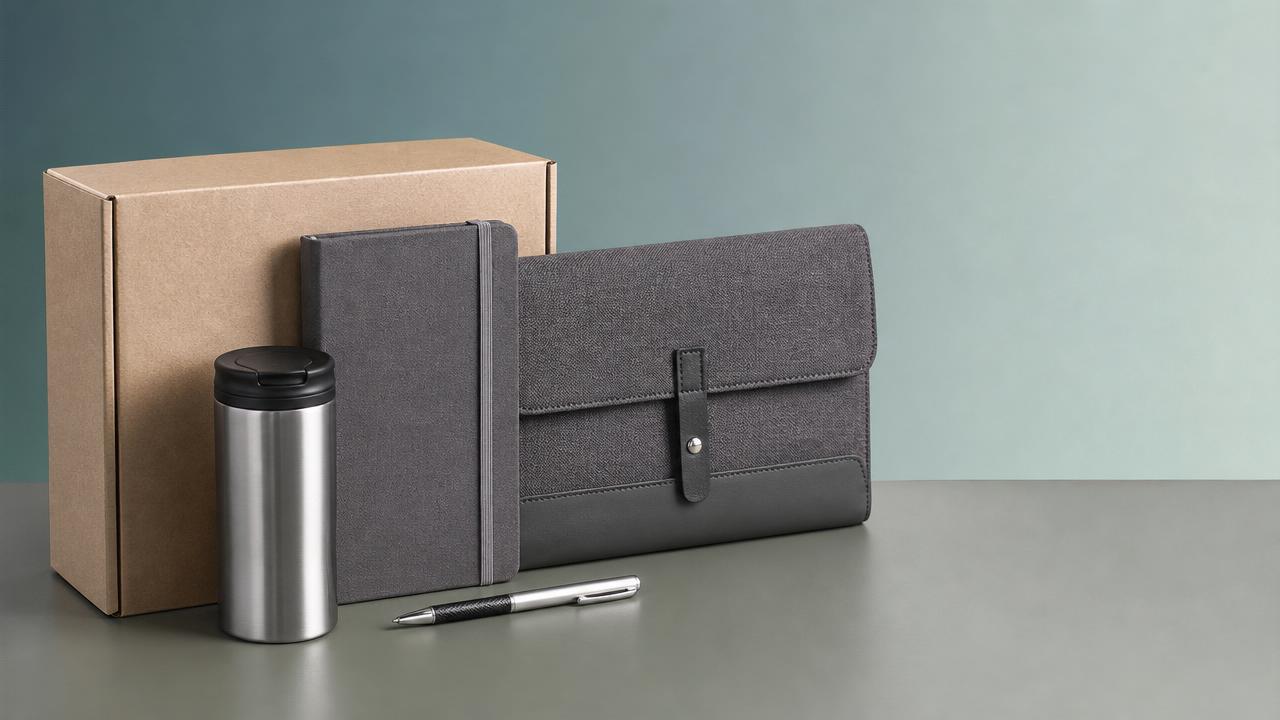
Packaging should protect the product during shipping, not overshadow it. For many executive gifts, one rigid box or one well-designed recycled paper carton is enough. Additional trays, sleeves, magnets, foam, and decorative fillers should be challenged during sourcing review.
A good target is to reduce packaging layers to 1 or 2 while keeping transit damage within an acceptable range. For international shipments, testing compact pack formats can also improve carton utilization by 10%–20%.
4. Supplier readiness and minimum order logic
Lower-waste gifting depends heavily on supplier discipline. Buyers should ask whether the vendor can support realistic MOQ structures, material traceability, sample revisions, and packaging alternatives without causing long lead-time volatility.
In many gift and lifestyle categories, common sampling takes 7–14 days, while bulk production may range from 20–45 days depending on customization depth. Procurement planning should include these ranges early to avoid rushed, wasteful substitutions.
The comparison below can help procurement teams score executive gifts before they move to quotation and approval.
This framework helps buyers move beyond subjective taste. It also makes cross-functional approval easier because design, finance, logistics, and sustainability teams can review the same decision criteria.
Best Categories for Lower-Waste Executive Gifts
Not every product category performs equally well. In practice, the best executive gifts are often those that sit at the intersection of refined aesthetics, everyday utility, and efficient manufacturing. For procurement, that usually means choosing fewer, better items.
Professional desk and workspace gifts
Desk accessories remain a strong option because they support frequent use in offices, meeting rooms, and home workspaces. Compact organizers, premium pens, cable management tools, or ergonomic desktop pieces often provide a better waste-to-value ratio than decorative sets.
Textile and travel-oriented essentials
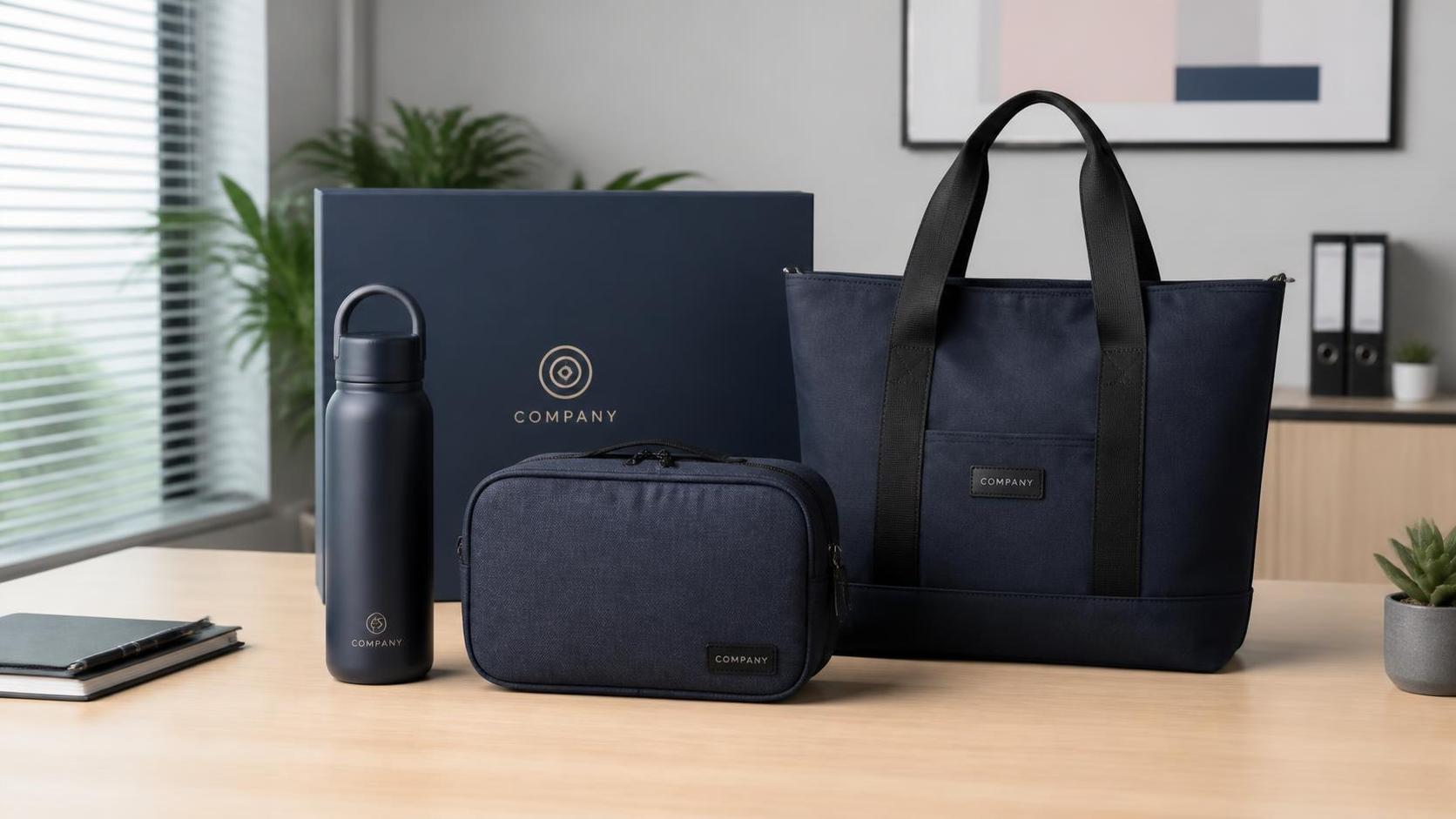
Textile-based executive gifts are especially effective when buyers focus on performance and finishing. Laptop sleeves, document pouches, travel wraps, lightweight tote solutions, or organizer kits can deliver long-term use with relatively low shipping volume.
For companies connected to global craftsmanship and lifestyle sectors, these categories also offer more room to express design identity through weave, texture, stitching, and color restraint rather than through wasteful packaging effects.
Drinkware and portable utility products
Reusable drinkware, thermal bottles, and compact food or beverage accessories often score well because they replace disposable consumption patterns. Buyers should still review lid construction, cleaning ease, and seal reliability over a 3–6 month use horizon.
Categories to approach carefully
Fragile décor, oversized mixed-material trophies, and highly trend-sensitive tech accessories may create more waste risk. They often require heavier packaging, have lower universality, or become obsolete faster than classic functional gifts.
When reviewing options on platforms such as 无, buyers should prioritize categories where craftsmanship, lifespan, and distribution efficiency are easier to verify before bulk commitment.
A Practical Procurement Process for Smarter Executive Gift Selection
A lower-waste gift strategy becomes scalable only when the sourcing process is disciplined. Procurement teams can reduce rework and rushed decisions by using a 5-step workflow that integrates design review, supply chain validation, and packaging control from the start.
Step 1: Define the recipient and use context
Separate gifts for C-level executives, channel partners, strategic clients, and internal leadership events. A gift for a board meeting may require a different material language than one for annual distributor recognition. This first step reduces mismatch and unnecessary customization.
Step 2: Build a shortlist with 3–5 categories
Do not review 20 options at once. Narrow the scope to a manageable shortlist and compare them using utility, durability, packaging, lead time, and landed cost. This improves decision speed and helps stakeholders focus on real trade-offs.
Step 3: Request packaging and material samples early
Physical review matters. Buyers should inspect not only the gift item but also carton fit, insert structure, branding method, odor, texture, and finish consistency. A 1-unit sample can prevent expensive mistakes in a 500-unit run.
Step 4: Score total cost, not unit cost alone
A gift with a 6% higher unit price may still deliver better total value if it reduces freight volume, breakage risk, or post-event waste handling. Procurement should include at least 4 cost lines: unit price, packaging cost, freight impact, and failure or replacement risk.
Step 5: Confirm fulfillment and timeline checkpoints
For most executive gifts, practical milestone control includes sample approval, artwork confirmation, packaging sign-off, pre-shipment inspection, and delivery scheduling. For event-driven orders, allow a buffer of 7–10 days whenever international transit is involved.
Common procurement mistakes to avoid
- Choosing a gift box before choosing the gift itself
- Approving based on photos without checking material handling
- Adding decorative components that increase volume but not usefulness
- Ignoring recipient storage and travel convenience
- Leaving too little lead time, which limits sustainable options
Questions Buyers Should Ask Suppliers Before Placing an Order
The quality of executive gifts is heavily influenced by supplier communication. Procurement teams can reduce waste and improve consistency by asking direct operational questions instead of relying on broad claims about quality or sustainability.
Material and construction questions
- What is the expected service life under normal office or travel use?
- Which components are most likely to fail within the first 12 months?
- Can branding be applied without adding extra outer materials?
Packaging and logistics questions
- How many packaging layers are included in the standard offer?
- Can the insert be changed from plastic to paper-based support?
- How many units fit per export carton, and what is the carton efficiency?
Production and delivery questions
- What is the sampling cycle: 5 days, 10 days, or longer?
- What are the realistic MOQs for custom color, logo, or packaging changes?
- What inspection points are available before shipment release?
The more precisely these points are answered, the easier it becomes to identify lower-waste executive gifts that are truly fit for business gifting programs rather than only attractive in a catalog.
Making Lower-Waste Executive Gifts a Long-Term Sourcing Advantage
Lower-waste executive gifting works best when it becomes a sourcing principle rather than a one-time campaign. Over time, buyers can build preferred supplier lists, standard packaging rules, and category scorecards that improve consistency across regional and seasonal programs.
For companies operating across gifts, textiles, office and lifestyle categories, this approach also strengthens alignment between design intent and manufacturing reality. It respects craftsmanship, reduces avoidable material use, and produces executive gifts that recipients are more likely to keep and use.
If your team is reviewing executive gifts for client relations, leadership events, or partner programs, now is the right time to shift from display-heavy gifting to utility-led, lower-waste selection. Contact us to explore tailored sourcing guidance, compare suitable categories, and get a more practical executive gift solution for your next procurement cycle.