Sustainable Gift Design: Materials, Packaging, and Certification Basics


Sustainable gift design has moved from a niche preference to a working requirement across modern consumer markets. For brands and sourcing teams, the topic now sits at the intersection of aesthetics, compliance, cost control, and supply chain credibility.
That shift is especially visible in gifts, where presentation matters as much as function. A well-made item can lose value if materials feel wasteful, packaging looks excessive, or sustainability claims cannot be verified.
Viewed through GLC’s cross-sector lens, sustainable gift design is not only about greener inputs. It is about connecting global design expectations with practical craftsmanship, industrial standards, and more transparent production logic.
Why the topic matters now
Gift products sit inside a broad lifestyle economy. They often overlap with textiles, home objects, office accessories, leather goods, and outdoor items, which makes material and packaging decisions highly visible.
At the same time, buyers are reading labels more carefully. They want products that look refined, travel well, and align with rising expectations around waste reduction, fair sourcing, and responsible manufacturing.
For exporters and private-label suppliers, this creates a practical challenge. The product must still meet price targets, visual standards, durability needs, and regional compliance requirements without turning sustainability into empty branding.
This is where sustainable gift design becomes commercially useful. It helps narrow the gap between concept and execution, especially when aesthetic ambition needs to work with real factory conditions.
What sustainable gift design really includes
In simple terms, sustainable gift design covers three linked decisions: what the product is made from, how it is packaged, and how its claims are supported.
Materials shape resource impact, touch, durability, and finish. Packaging influences transport volume, waste generation, and first impressions. Certification provides a structured way to check whether claims are credible.
These parts should be evaluated together. A recycled item in oversized plastic packaging is inconsistent. A paper-based pack without transit protection may reduce waste at the shelf but increase damage in shipment.
Good sustainable gift design therefore depends on balance. It is less about perfection and more about evidence-based tradeoffs that improve the full product journey.
Materials that support both design and responsibility
Material selection is often the first place where sustainability goals become visible. Yet low-impact materials only work when they also match the product category, finish quality, and expected use cycle.
Common material directions
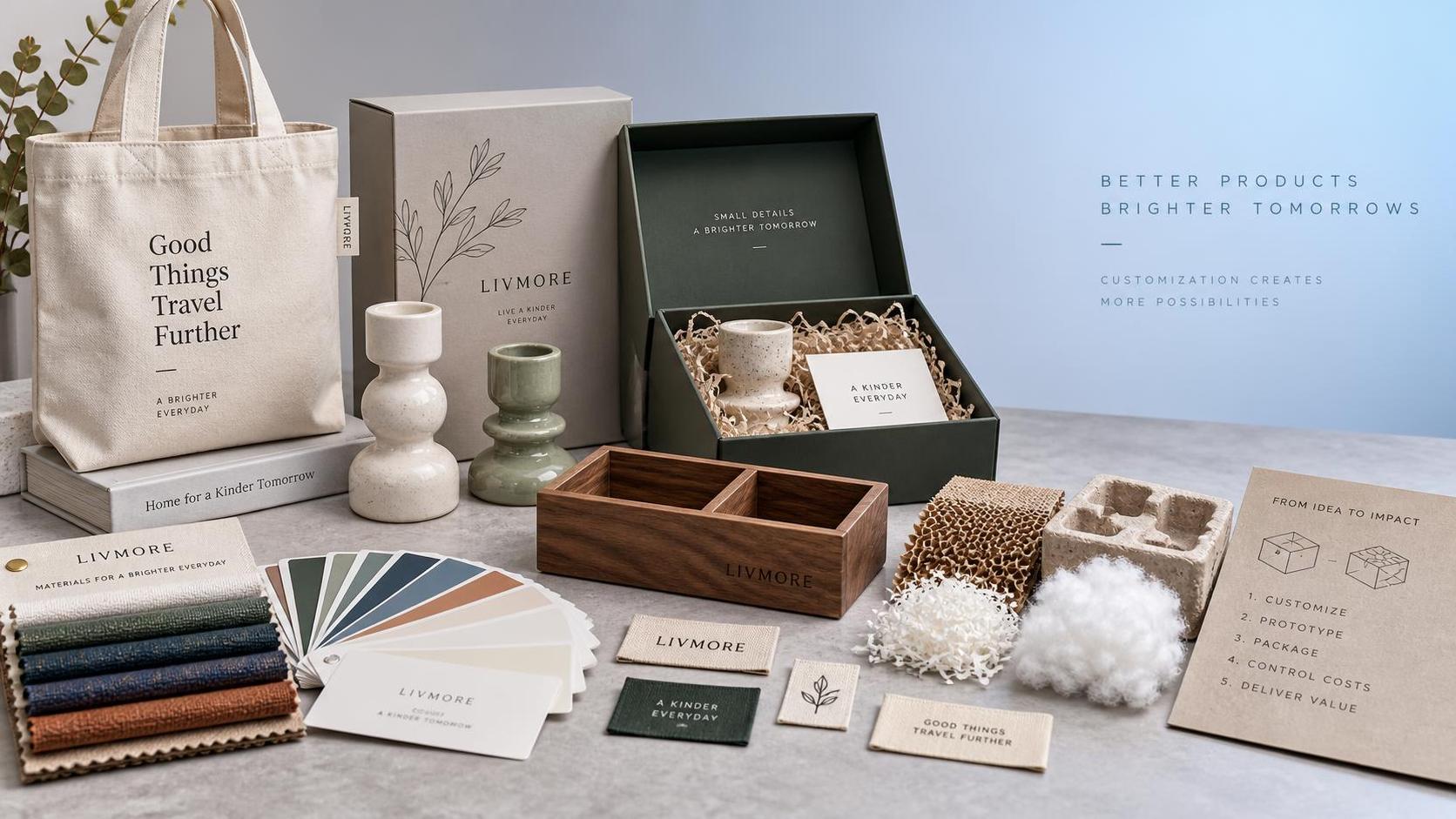
- Recycled paperboard for boxes, sleeves, tags, and inserts with strong print compatibility.
- FSC-certified paper and wood components where forest management and chain-of-custody matter.
- Organic cotton or recycled textiles for gift bags, pouches, ribbons, and soft accessory items.
- Bio-based or recycled polymers for products requiring moisture resistance or molded protection.
- Alternative leather materials or responsibly sourced leather in categories where texture and premium feel are essential.
The right choice depends on function. A decorative box can prioritize recyclability and print quality. A travel gift or outdoor lifestyle item may need abrasion resistance, water protection, and a longer service life.
GLC’s broader industry perspective matters here. Textile innovation, bio-synthetic leather development, and craft-based finishing techniques increasingly influence how gift products are specified and differentiated.
What to check beyond the material label
A material can sound sustainable but still raise concerns. Coatings, adhesives, composite layers, dyes, and metal trims may reduce recyclability or complicate disposal.
It is also worth checking whether the material improves product longevity. In many categories, a durable gift with a longer useful life can outperform a fragile “eco” alternative.
Packaging is where perception and impact meet
Packaging has a disproportionate effect on how sustainable gift design is judged. It is the first thing people see, and often the first thing they discard.
This makes packaging a strategic design surface rather than a final add-on. Better packaging usually comes from reducing unnecessary layers, improving material recovery, and designing for shipping efficiency.
Practical packaging principles
- Use the minimum structure needed to protect the product.
- Prefer mono-material solutions where possible for easier recycling.
- Replace plastic windows, foam, and mixed laminates unless they serve a clear function.
- Design pack sizes around shipping density, not only shelf appearance.
- Consider reusable formats for premium gifting, especially boxes, pouches, and storage tins.
Print finishing deserves attention too. Heavy foil, magnetic closures, and complex coatings can improve perceived luxury, yet they may conflict with recyclability targets or increase material complexity.
In sustainable gift design, premium does not need to mean excessive. Texture, color discipline, structural clarity, and craftsmanship can communicate quality without relying on waste-heavy embellishment.
Certification basics without the confusion
Certification is often the most misunderstood part of sustainable gift design. Many labels exist, but not all certifications cover the same issue.
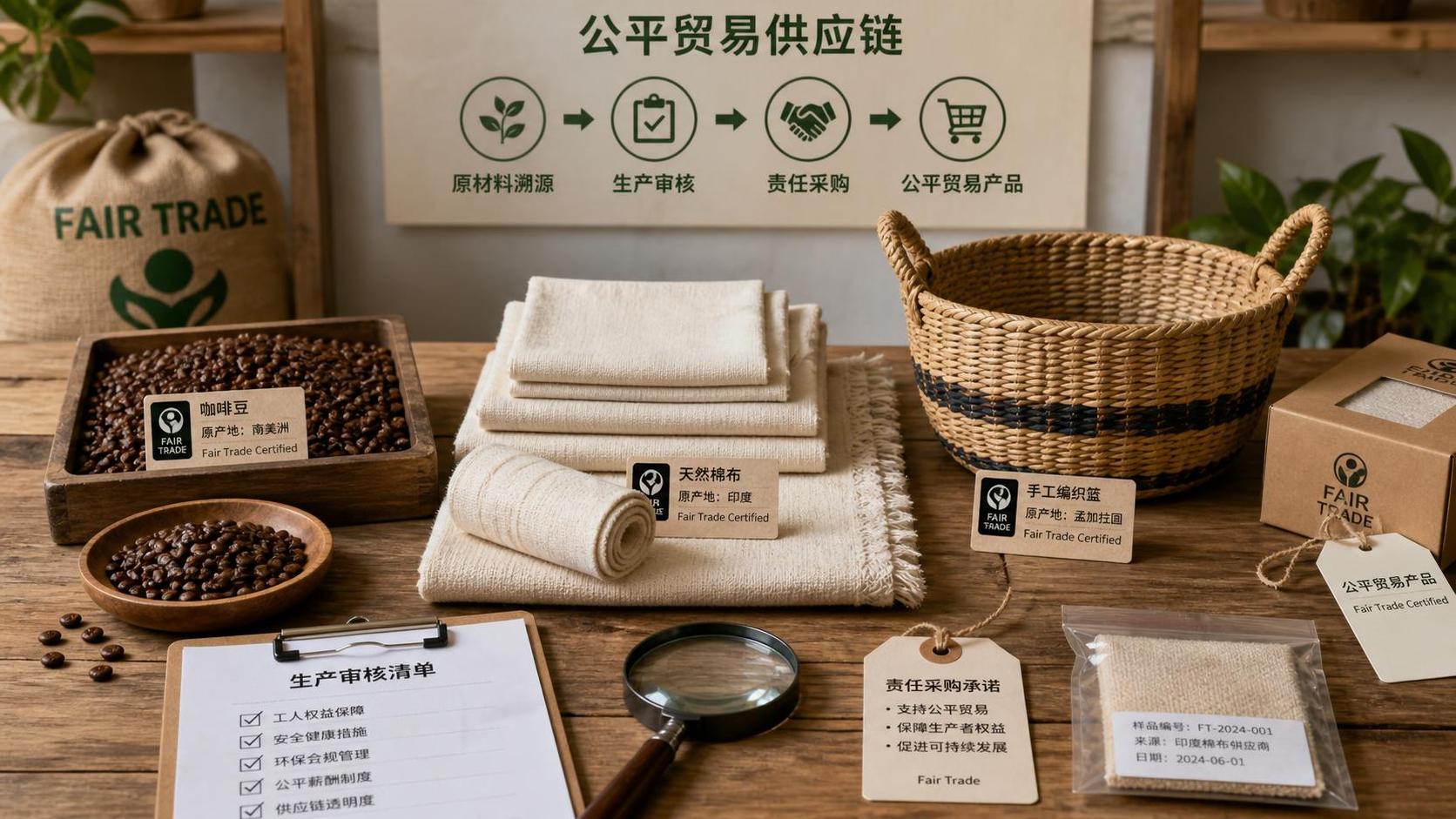
Some address raw material origin. Others focus on chemical safety, recycled content, forest stewardship, organic status, social responsibility, or end-of-life compostability.
The key is to match the certification to the claim. If packaging says “recycled,” documentation should verify recycled content. If a gift uses wood or paper, forest-related certification may matter more than a textile label.
It is also useful to distinguish product certification from factory audits. One confirms attributes of the material or item. The other addresses site-level systems, labor practices, or process control.
Where sustainable gift design creates business value
The value goes beyond reputation. Sustainable gift design can improve shipping efficiency, reduce excess packaging costs, simplify compliance discussions, and support stronger storytelling at retail or in corporate gifting.
It also helps teams compare suppliers more clearly. When material choices, packaging specifications, and certification scope are documented early, product development becomes less vulnerable to last-minute substitutions.
This is especially relevant for cross-border sourcing. Different markets may accept different disposal systems, testing expectations, or sustainability language. A disciplined approach reduces both confusion and claim risk.
For businesses moving from product export toward brand globalization, the discipline behind sustainable gift design becomes part of long-term positioning. It signals that design intent and manufacturing execution are aligned.
Typical scenarios and decision points
Not every gift project requires the same sustainability priorities. The right emphasis depends on product type, sales channel, and brand promise.
- For promotional gifts, unit economics and shipping efficiency usually matter most.
- For premium seasonal gifting, reusable packaging and material storytelling carry more weight.
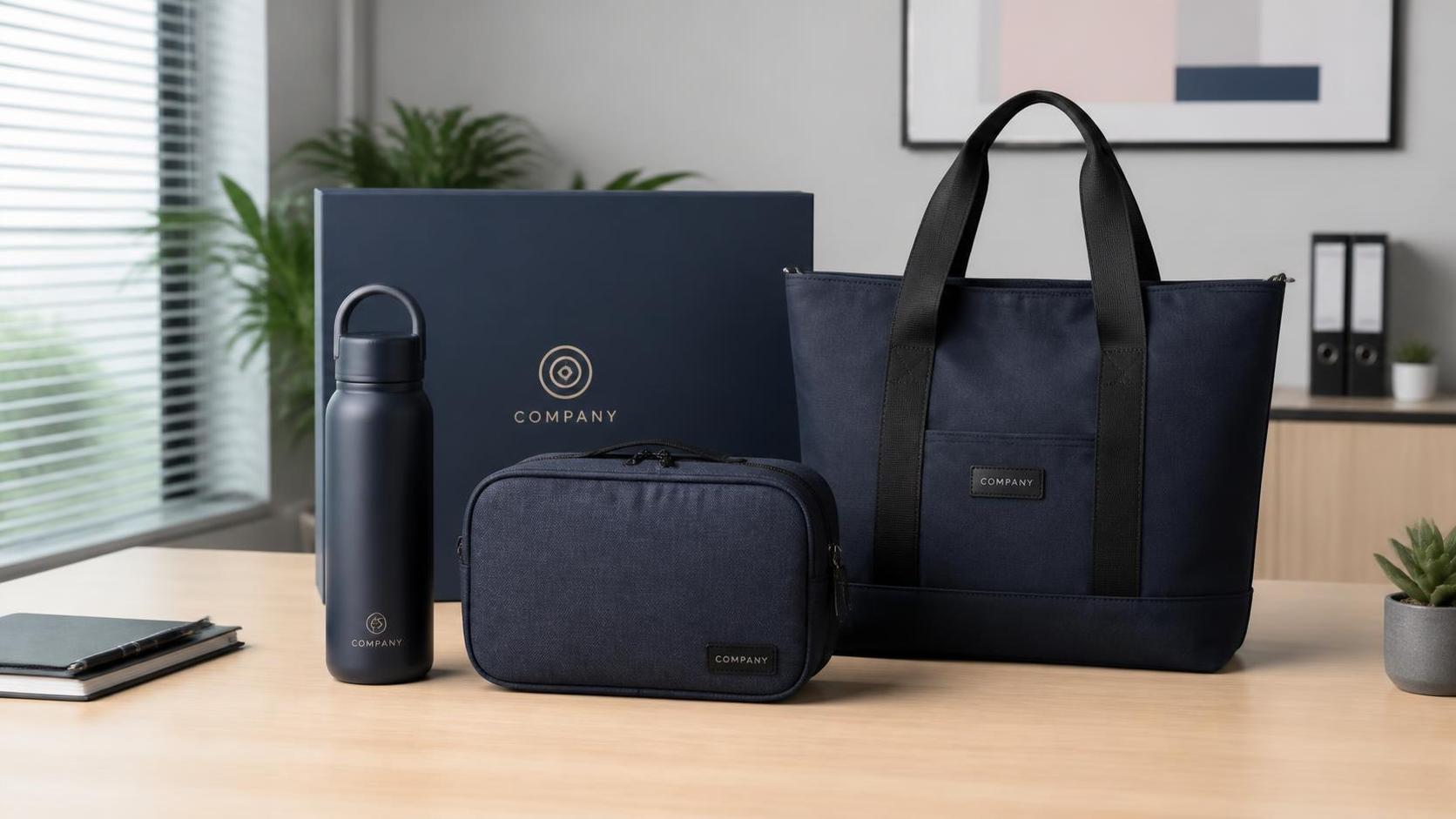
- For home and office gifts, durability, tactile quality, and visible certification often support trust.
- For outdoor and travel items, performance and lifespan may be more important than minimalist packaging alone.
Digital craftsmanship also plays a growing role. Better prototyping, smaller production runs, and more precise finishing can reduce waste while allowing culturally distinctive gift formats to remain commercially viable.
A useful framework for evaluation
When reviewing sustainable gift design options, five questions usually reveal the real quality of a proposal.
- Does the material choice fit the product’s actual use and expected lifespan?
- Can the packaging be reduced, simplified, or reused without weakening protection?
- Are sustainability claims backed by valid, relevant documentation?
- Do finishes, trims, adhesives, or coatings undermine recyclability?
- Will the design remain credible across different markets and compliance contexts?
These checks help separate thoughtful design from surface-level green positioning. They also support better communication between design teams, suppliers, and quality control functions.
What to examine next
A practical next step is to map one existing gift product across materials, packaging layers, certifications, and freight assumptions. That exercise often exposes the biggest improvement opportunities faster than a full redesign brief.
From there, compare alternative specifications against appearance, durability, cost, compliance, and disposal logic. Sustainable gift design becomes more actionable when decisions are tied to real product scenarios, not abstract ideals.
For businesses tracking global lifestyle and craftsmanship trends, the most useful perspective is a connected one. Materials, packaging, and certification should be read together, because that is how the market increasingly judges product quality.