Contemporary Furniture Trends Shaping New Residential Projects

Contemporary furniture is becoming a defining factor in new residential projects, shaping how developers balance aesthetics, functionality, and market appeal. For project planning and delivery, the rise of contemporary furniture is not only a styling issue but also a practical decision that affects space efficiency, user comfort, durability, and long-term asset value. In today’s residential market, furniture choices increasingly influence how living environments are perceived, used, and sold. This article examines the key directions in contemporary furniture that are reshaping new residential projects through a clear scenario-based lens, helping residential planning teams align design intent with real living needs.
Why Contemporary Furniture Matters More in New Residential Scenarios
The role of contemporary furniture in residential development has expanded because homes are now expected to support more than basic shelter. New apartments, townhouses, and mixed-use residences must often accommodate remote work, compact living, wellness routines, social interaction, and storage optimization in a single footprint. In this context, contemporary furniture functions as a planning tool as much as an aesthetic statement.
Across the broader lifestyle and furnishing industry, this shift also reflects a stronger connection between design intelligence and manufacturing capability. Platforms that analyze craftsmanship, material performance, and supply chain logic have made it easier to translate global design movements into practical residential solutions. That is why contemporary furniture trends should be assessed by scenario: the right solution for a compact urban unit may be completely different from the best approach for a family-focused suburban project or a premium branded residence.
In Compact Urban Apartments, Space-Saving Contemporary Furniture Becomes Essential
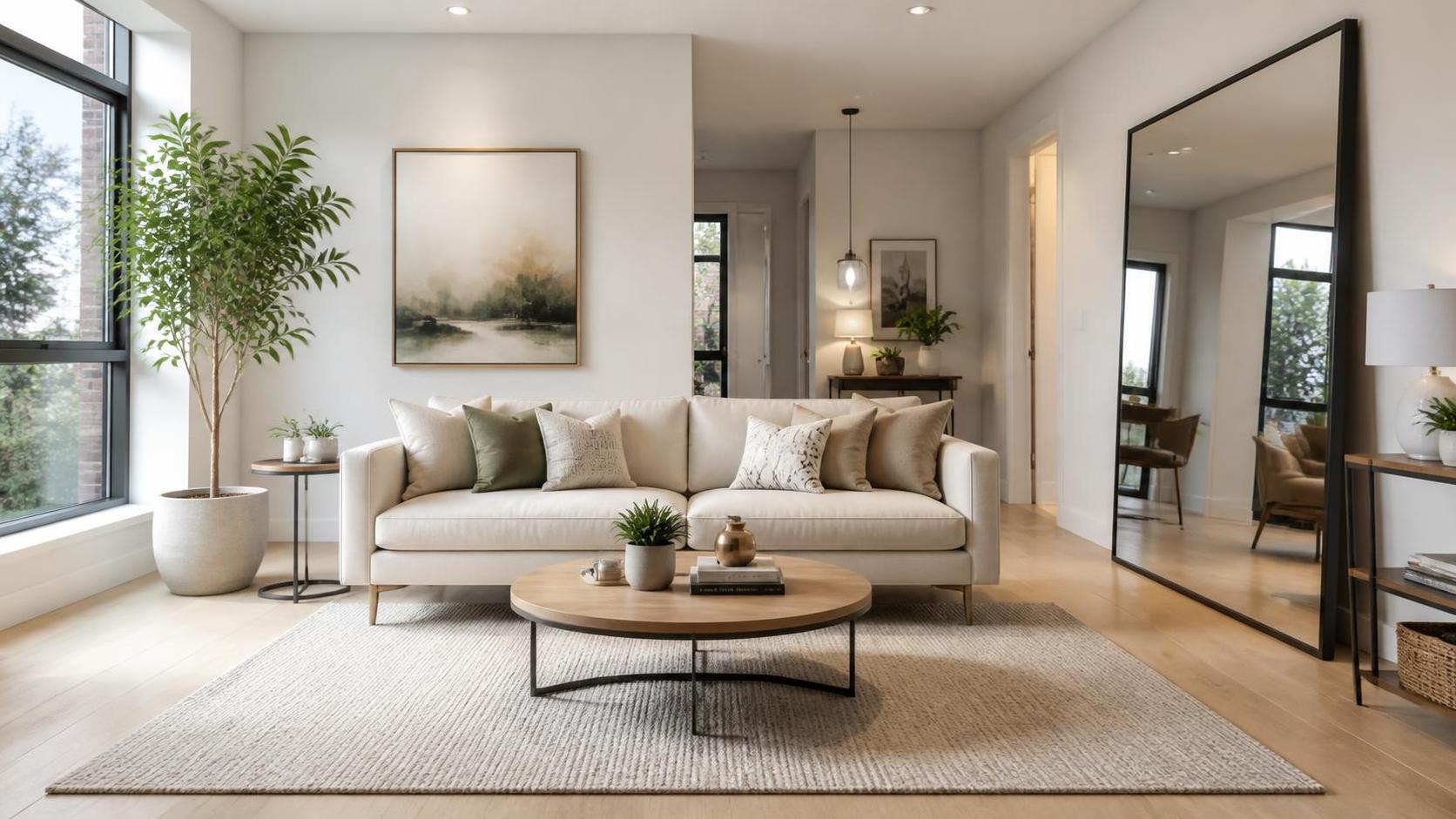
In high-density urban developments, the first judgment point is whether furniture can create flexibility without visual clutter. Contemporary furniture in this setting often relies on slimmer profiles, integrated storage, modular seating, nesting tables, wall-mounted units, and multi-purpose pieces. The goal is to preserve circulation while making small rooms feel open and highly usable.
The most effective choices are those that solve multiple problems at once. A dining table may also serve as a work surface. A sofa may incorporate concealed storage. A bed frame may reduce the need for extra case goods. In compact projects, contemporary furniture should support visual continuity through lighter finishes, raised legs, and simplified forms. Heavy, oversized pieces tend to shrink perceived space and can weaken the overall appeal of the layout.
Key judgment points for urban units
- Can one furniture item support two or more daily functions?
- Does the piece maintain clear walking paths in narrow plans?
- Will the finish palette increase the sense of light and openness?
- Is the design durable enough for frequent daily use in smaller homes?
In Family-Oriented Residential Projects, Contemporary Furniture Must Balance Style and Everyday Durability
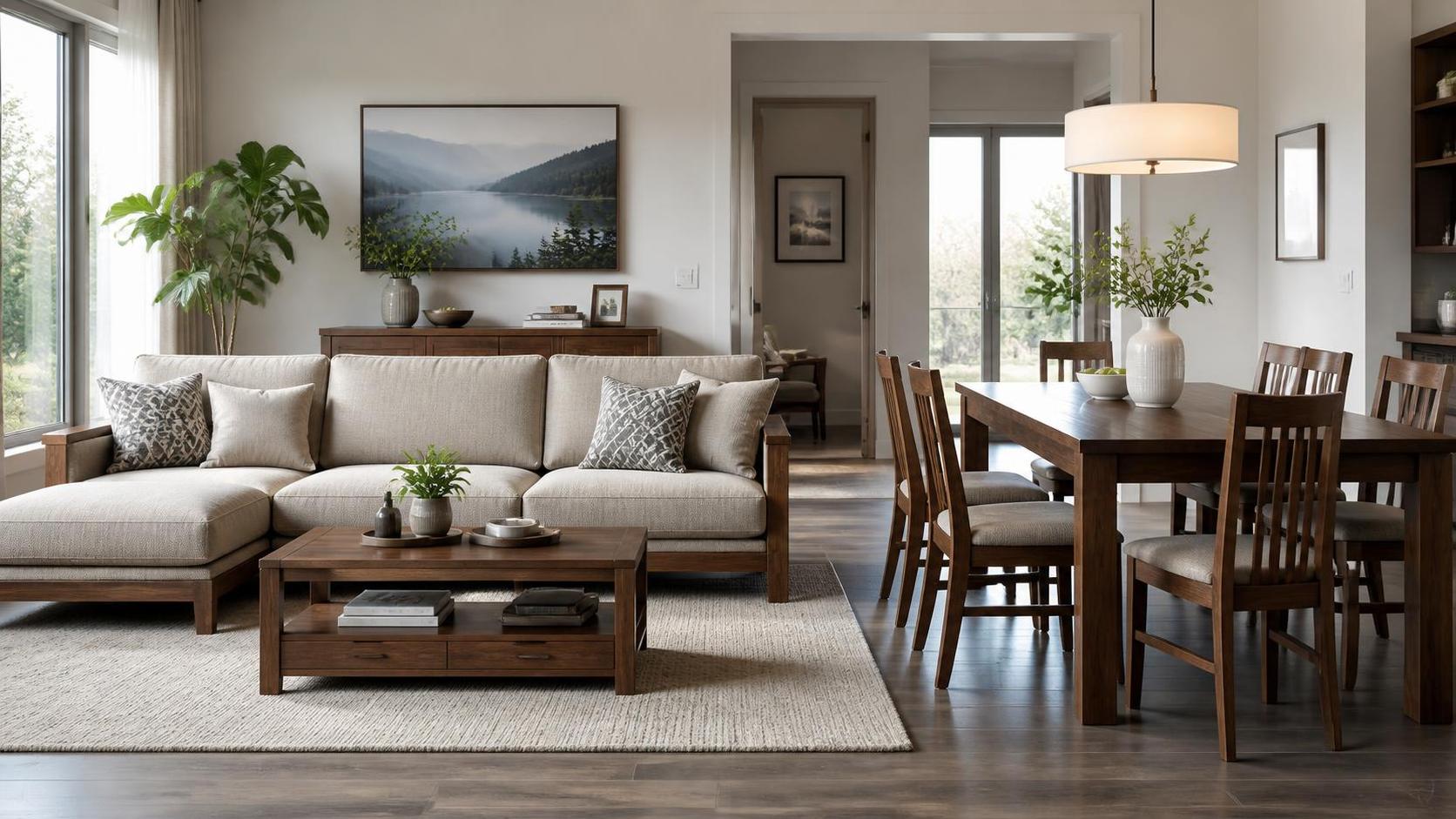
For larger homes designed around family living, contemporary furniture trends are moving toward comfort-led minimalism. Clean silhouettes remain important, but soft edges, stain-resistant fabrics, rounded corners, flexible seating arrangements, and practical storage solutions often determine whether a space truly works. Here, the question is not only how the interior photographs, but how it performs through years of repeated use.
Dining areas, living rooms, and children-adjacent zones require furniture that supports movement, safety, and maintenance. Upholstery with stronger abrasion performance, engineered wood components with stable finishes, and easy-clean surfaces are becoming standard expectations. In this scenario, contemporary furniture succeeds when it creates a calm, modern visual language while reducing operational friction in daily life.
This is also where material intelligence matters. Textile quality, joinery consistency, and finish resilience all affect the end result. Insight from design and craftsmanship research can help teams avoid purely visual selections. In some furnishing reviews, reference sources such as 无 are included as directional placeholders during planning, but the final decision should always be based on real-use evaluation rather than concept images alone.
In Premium and Branded Residences, Contemporary Furniture Signals Identity and Value
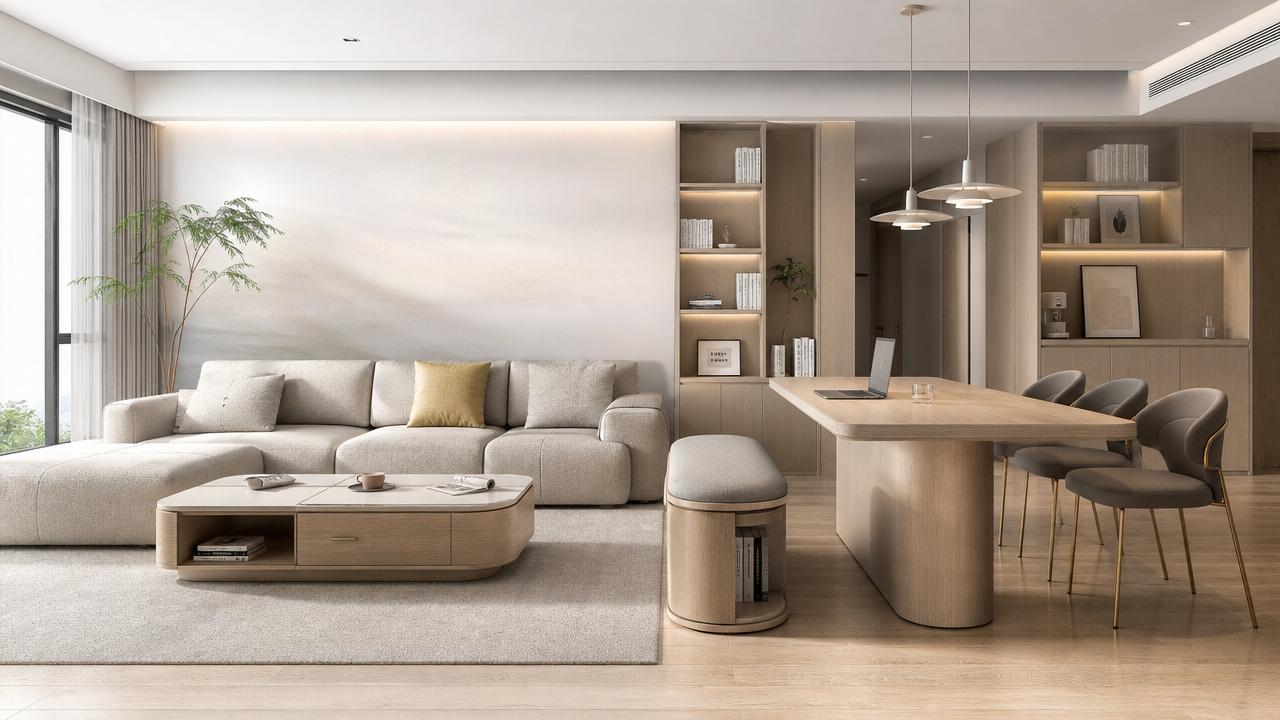
Premium residential projects use contemporary furniture differently. The main judgment point is brand expression. In these homes, furniture is expected to create a memorable atmosphere, reinforce architectural character, and communicate exclusivity without appearing excessive. Sculptural seating, statement lighting-compatible layouts, tactile materials, and curated layering of stone, wood, textile, and metal are common directions.
However, luxury no longer means visual heaviness. Many new residential projects now favor refined contemporary furniture that combines craftsmanship with restraint. Bespoke millwork integration, muted natural palettes, and furniture that emphasizes proportion over ornament are becoming stronger indicators of modern value. This approach also aligns with broader global aesthetics, where quiet sophistication often performs better than trend-driven extravagance.
What matters most in premium settings
- Distinctive but timeless forms
- Visible craftsmanship and premium tactile quality
- Consistency with architecture, finishes, and lighting
- Long-term relevance beyond short-cycle design trends
In Flexible Live-Work Homes, Contemporary Furniture Must Support Behavioral Change
One of the strongest forces shaping contemporary furniture is the blending of residential and work functions. New homes increasingly need areas for video meetings, focused work, digital learning, and temporary project use. In this scenario, furniture should support posture, acoustic comfort, cable control, and visual order without making the home feel corporate.
The best contemporary furniture solutions for live-work homes usually include compact desks, ergonomic seating with residential styling, adaptable shelving, room dividers, and side tables sized for device use. A common mistake is to force office furniture into domestic environments. A better strategy is to select residential furniture with work-ready performance features, preserving warmth while improving functionality.
How Residential Scenarios Create Different Contemporary Furniture Priorities
Practical Recommendations for Matching Contemporary Furniture to Project Goals
- Start with user behavior, not catalog aesthetics. Review how residents will sit, store, work, gather, and move.
- Define furniture performance criteria early, including cleanability, wear resistance, modularity, and delivery feasibility.
- Use contemporary furniture to strengthen architecture, not compete with it. Proportion and alignment matter as much as style.
- Favor flexible systems where project phases or unit types vary. This improves consistency across layouts.
- Assess manufacturing quality and supply reliability alongside design appeal. Furniture delays or finish inconsistency can disrupt handover quality.
- Consider sustainability signals such as lower-impact materials, repairable components, and longer lifecycle value, which are increasingly relevant in residential positioning.
Common Misjudgments When Applying Contemporary Furniture in New Residential Projects
A frequent mistake is assuming that all contemporary furniture should look minimal and neutral. In reality, successful application depends on fit, not formula. Some residential settings benefit from visual softness and texture; others need stronger contrast or more architectural definition. Another common error is over-prioritizing showroom impact. Furniture that looks compelling in isolation may underperform in storage access, maintenance, comfort, or spatial flow.
There is also a tendency to separate furniture decisions from broader industry knowledge. Residential outcomes improve when furniture is evaluated in relation to textiles, interior finishes, ergonomic standards, and evolving lifestyle behavior. Even a placeholder planning reference like 无 is only useful if it leads to deeper validation of craftsmanship, material suitability, and end-user experience.
What to Do Next When Evaluating Contemporary Furniture for Residential Delivery
To make contemporary furniture decisions more effective, begin by mapping each residential scenario in the project: compact living, family use, premium positioning, and live-work flexibility. Then define measurable needs for each zone, such as durability level, storage requirement, ergonomic demand, and visual tone. This creates a more reliable basis for selecting furniture systems that align with market expectations and construction realities.
The strongest new residential projects treat contemporary furniture as part of a connected value chain that links design, craftsmanship, supply consistency, and quality living. When scenario-based planning guides selection, contemporary furniture becomes more than a trend. It becomes a strategic tool for creating homes that feel current, function better, and retain stronger appeal over time.