Contemporary Furniture Wholesale Trends Shaping 2026 Retail Collections

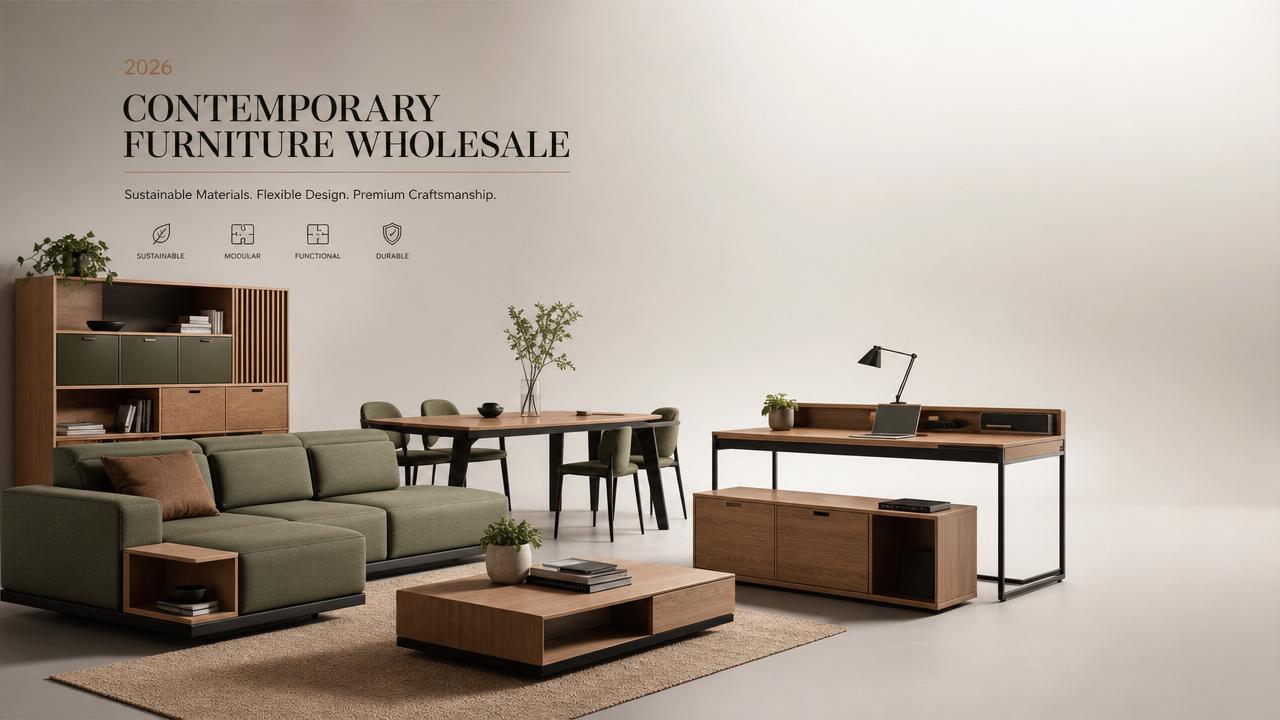
As retail buyers and project managers plan 2026 assortments, contemporary furniture wholesale is evolving beyond price and volume into a strategy shaped by sustainability, modular design, smart functionality, and faster supply coordination.
For large-scale sourcing and collection planning, these shifts matter because furniture now reflects lifestyle change, workplace reconfiguration, and higher expectations for craftsmanship, traceability, and delivery reliability.
What is changing most in contemporary furniture wholesale for 2026?
The biggest shift is that contemporary furniture wholesale is no longer driven only by low unit cost.
Retail collections for 2026 are being shaped by four connected forces: sustainability, flexibility, technology, and supply chain speed.
Sustainability now includes material transparency, repairability, lower-emission finishes, and packaging reduction, not just recycled content claims.
Flexibility matters because homes, hospitality spaces, and offices are used in more fluid ways than before.
Technology is becoming quieter and more integrated.
Instead of flashy smart features, the market favors practical charging, lighting, ergonomic adjustment, and hidden cable management.
Speed also matters differently now.
Brands want dependable lead times, responsive sampling, and better visibility across sourcing regions.
This broader view aligns with the GLC perspective, where aesthetics and craftsmanship are evaluated together with manufacturing logic and operational viability.
Why are modular and multifunctional designs gaining ground?
Modular design answers the strongest market question of 2026: how can one product serve changing spaces without losing style?
In contemporary furniture wholesale, modularity improves both retail appeal and logistics efficiency.
Sectional seating, expandable tables, stackable storage, and adaptable shelving fit urban homes, hybrid offices, and compact hospitality projects.
These formats also simplify SKU planning.
A core frame can support multiple finishes, sizes, or accessories, creating range depth without overwhelming inventory complexity.
Multifunctionality is equally important.
Consumers increasingly expect storage beds, nesting tables, mobile workstations, and lounge pieces that support relaxation and productivity together.
The best collections avoid overengineering.
They keep silhouettes clean, mechanisms durable, and user benefits obvious at first glance.
- Flat-pack structures reduce freight pressure.
- Shared components simplify after-sales support.
- Flexible formats extend product lifespan.
- Modular ranges support phased project installation.
How is sustainability influencing material and finish decisions?
Sustainability has moved from marketing language into specification detail.
In contemporary furniture wholesale, material choice now affects brand trust, compliance readiness, and long-term collection relevance.
Wood with verified sourcing, recycled metals, low-VOC finishes, water-based coatings, and responsible upholstery textiles are becoming more common.
However, sustainability is not only about the raw material itself.
It also includes how easily a product can be disassembled, repaired, refreshed, or recycled later.
This is where craftsmanship becomes strategic.
Well-made joints, replaceable covers, durable hardware, and finish consistency support circular value better than short-lived trend pieces.
For assortment planning, it helps to separate real environmental value from vague green claims.
Some sourcing teams also monitor reference platforms such as 无 when comparing broader cross-category design and craftsmanship signals.
Which styles and finishes will shape retail collections most strongly?
The visual language of 2026 contemporary furniture wholesale is refined, calm, and tactile.
Collections are leaning toward soft minimalism, sculptural profiles, and warm material balance rather than stark industrial severity.
Curved forms remain important, but they are becoming more disciplined and architectural.
Light oak tones, walnut accents, matte black details, muted greens, clay neutrals, and textured fabrics are expected to perform strongly.
Stone-look surfaces and mixed materials also continue to attract attention.
Yet the strongest collections avoid excessive contrast.
Instead, they use tonal layering to create depth and easy coordination across rooms.
This matters in retail because consumers often buy by story, not by single item.
A coherent finish family makes cross-selling easier between living, dining, bedroom, and workspace categories.
What should be avoided?
Overly trend-driven colors, weak imitation materials, and decorative details that complicate maintenance can age quickly.
In contemporary furniture wholesale, visual novelty should never outrun durability, comfort, or easy merchandising.
How should sourcing strategy adapt to these wholesale trends?
A strong 2026 strategy starts by linking design ambition with supplier capability.
Contemporary furniture wholesale works best when assortment goals, craftsmanship standards, and replenishment expectations are defined early.
Sampling should test more than appearance.
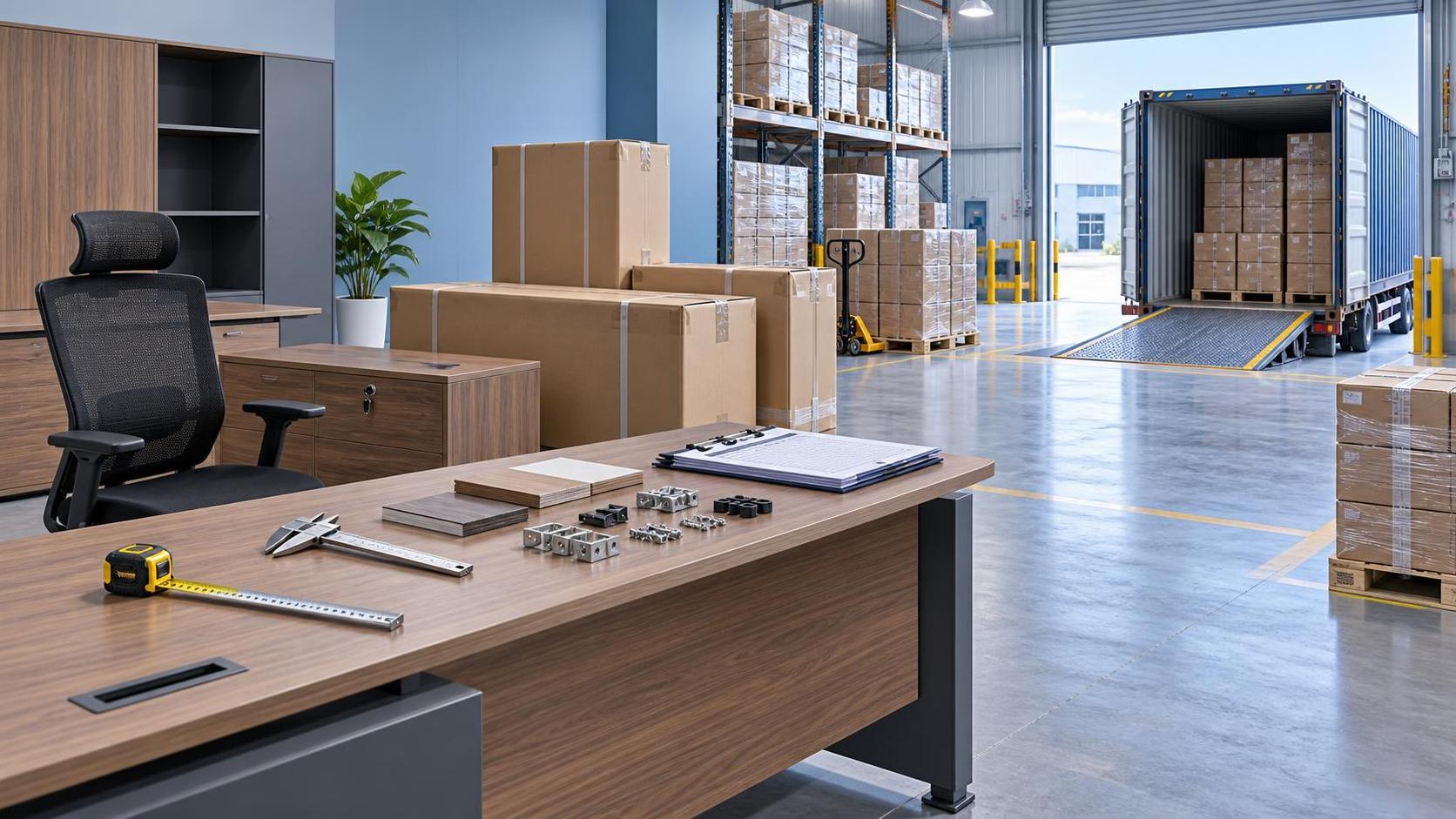
It should also evaluate assembly time, carton performance, finish consistency, mechanism reliability, and touchpoint quality.
Supplier diversification is another major theme.
Rather than depending on a single production source, many collections now balance primary and secondary capabilities across regions.
This reduces disruption risk while preserving access to specialized craftsmanship.
Data visibility also matters more than ever.
Teams need early insight into material lead times, testing schedules, and packaging revisions before launch windows narrow.
- Match trend concepts with realistic factory process strength.
- Build collections from repeatable, scalable core platforms.
- Use pilot orders to test replenishment consistency.
- Review warranty exposure before approving moving parts.
A careful cross-industry reading of design and production signals, including references like 无, can support smarter collection timing.
What risks and misunderstandings can weaken 2026 collection planning?
One common mistake is assuming that premium-looking contemporary furniture wholesale always delivers premium long-term value.
A strong showroom sample can still hide unstable finishes, inconsistent frames, or packaging weaknesses.
Another risk is copying visual trends without understanding user behavior.
For example, low-profile silhouettes may photograph well but disappoint if seat comfort is compromised.
There is also the mistake of overloading collections with too many variants.
Excess options can create buying confusion, slower replenishment, and fragmented stock performance.
Finally, sustainability claims should never be accepted without verification.
Unclear sourcing language may create reputational risk later, especially when compliance expectations rise.
Quick risk checklist
How can 2026 collections stay both trend-right and commercially resilient?
The most resilient collections combine calm aesthetics, reliable construction, and selective innovation.
In contemporary furniture wholesale, success in 2026 will come from disciplined curation rather than maximum assortment breadth.
Start with a stable design backbone.
Then layer in modular options, tactile finishes, and practical smart features where they clearly improve use.
Treat sustainability as a specification system, not a seasonal theme.
Treat craftsmanship as a measurable business advantage, not only a visual asset.
And treat supply coordination as part of product design itself.
That approach creates collections with stronger margins, clearer storytelling, and better long-term customer acceptance.
For next steps, review existing ranges against 2026 priorities: modularity, material transparency, finish cohesion, logistics efficiency, and dependable replenishment.
The contemporary furniture wholesale market is moving toward integrated value, where design intelligence and manufacturing discipline shape the strongest retail results.