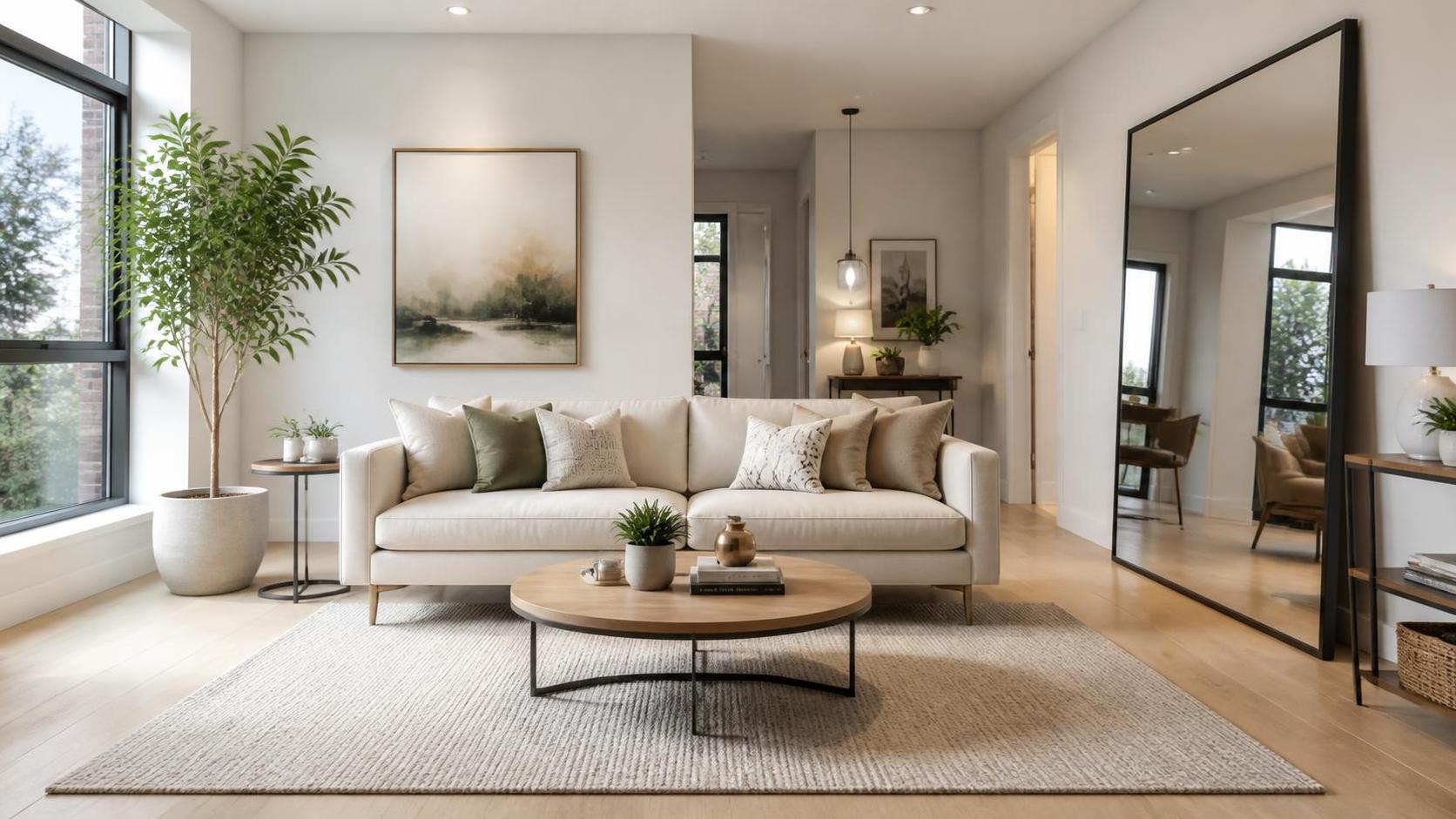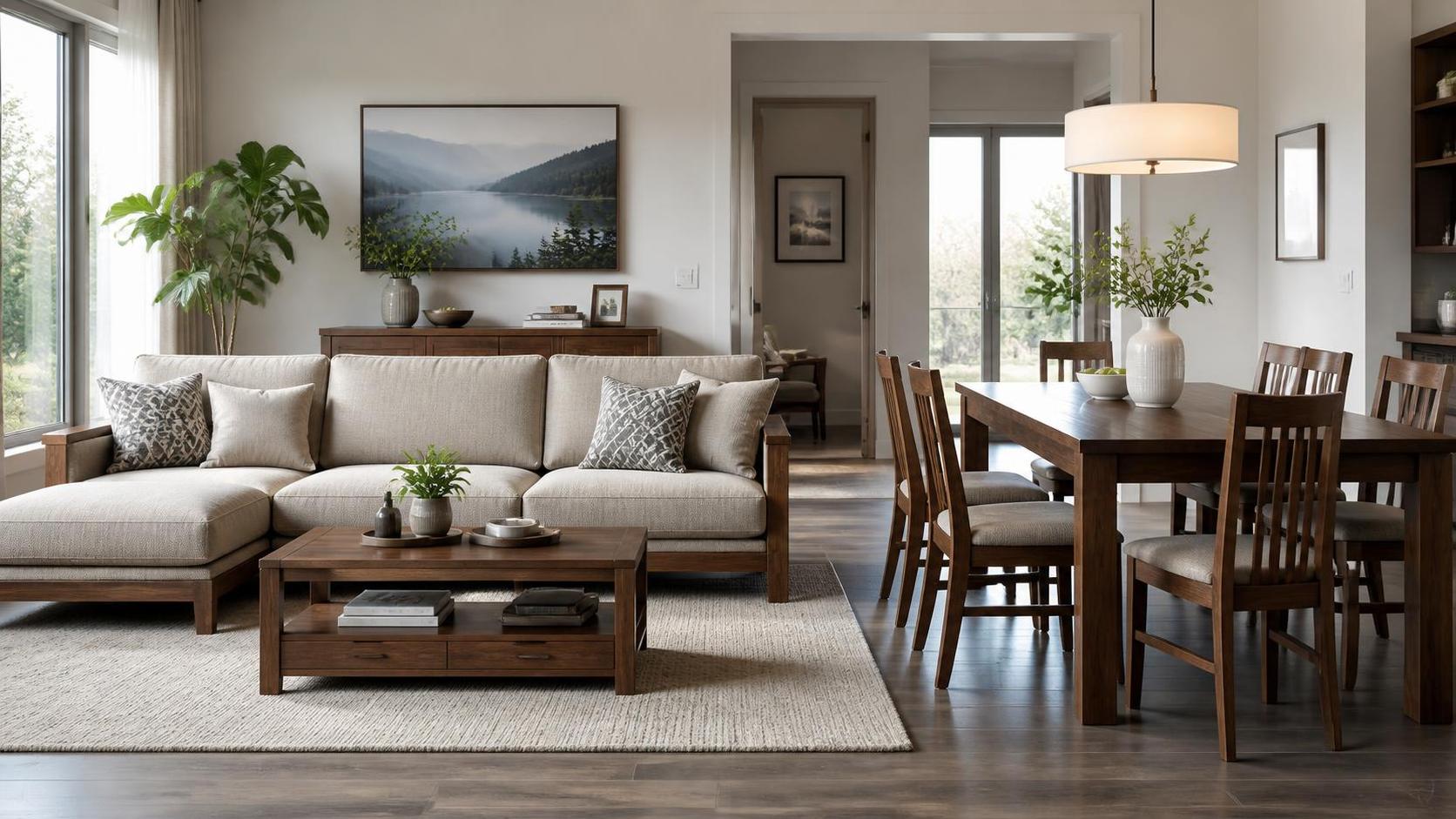
Customization Options That Matter in Commercial Fit Projects

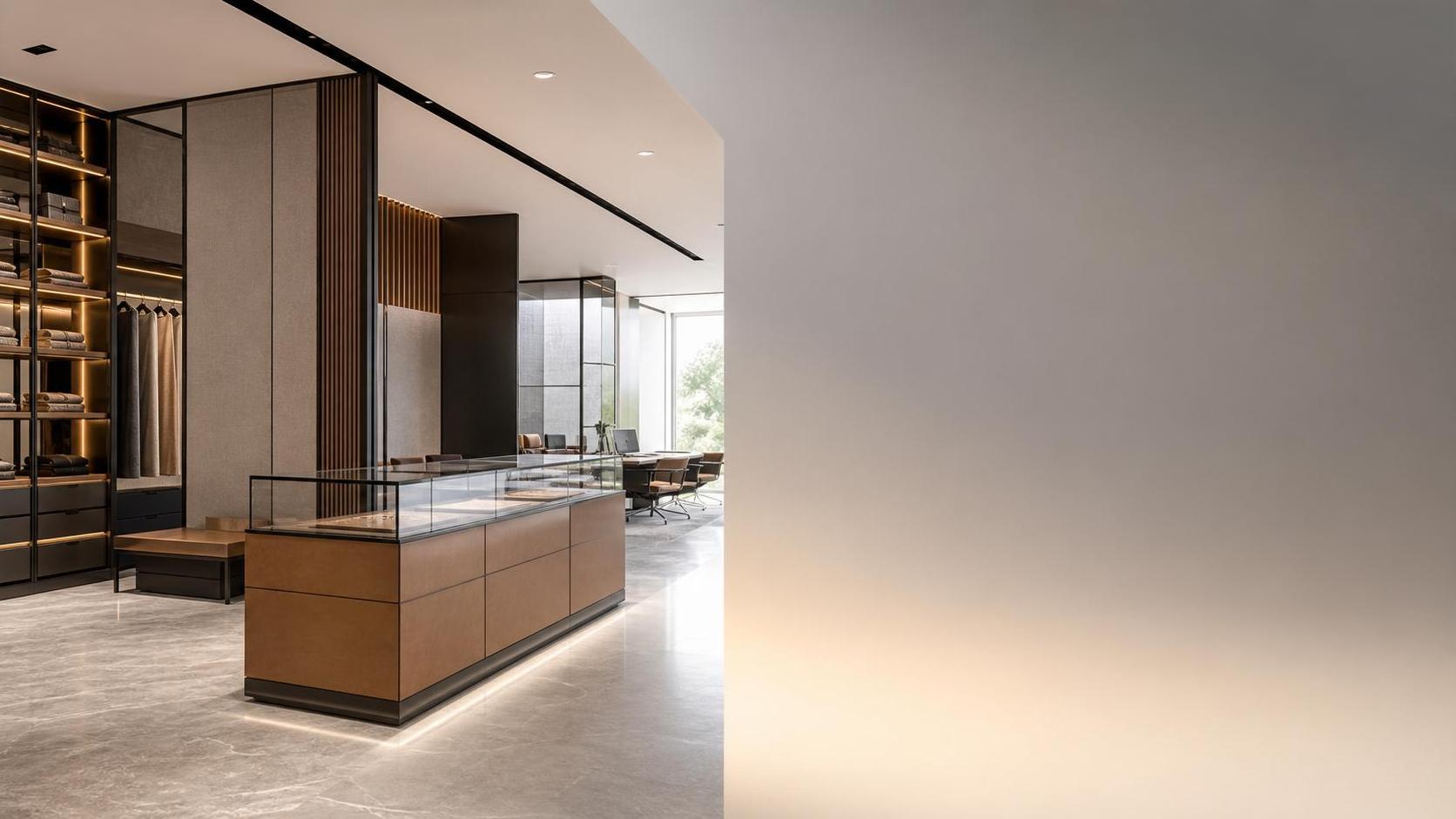
Why customization options matter before design intent reaches the site
In commercial fit projects, customization options influence more than visual identity.
They shape circulation, maintenance routines, acoustic comfort, compliance, and how a space performs under daily pressure.
That is why the best decisions are rarely made from finish boards alone.
They come from reading the project as a working environment, not just a styled interior.
Across office, retail, hospitality, showroom, and hybrid lifestyle spaces, the same customization options can carry very different weight.
A textile-led reception area, a leather-accented display zone, or a modular outdoor transition point each asks for different judgments.
This is also where GLC’s cross-industry perspective becomes useful.
When design aesthetics meet supply chain realities and craftsmanship standards, customization options become measurable business choices.
Actual project conditions change which customization options deserve priority
Two projects may share a similar layout and still require very different specification logic.
The main reason is usage intensity.
High-touch spaces need durable surfaces, repair-friendly detailing, and simple replacement paths.
Brand-led spaces often place more value on tactile quality, material storytelling, and visual consistency across regions.
In practical terms, customization options usually sit inside five decision layers.
- Material selection, including fabric, leather, laminates, timber, and composite surfaces.
- Dimensional flexibility, especially for built-ins, partitions, counters, and storage systems.
- Functional integration, such as cable routing, lighting, ergonomics, and smart access.
- Craftsmanship details, including stitching, edging, joinery, and finish transitions.
- Lifecycle support, covering cleaning, replacement, warranty response, and future reconfiguration.
The mistake is assuming every layer deserves equal investment.
More often, project value comes from identifying which customization options solve the most operational friction.
In office and collaborative spaces, flexibility often outranks visual novelty
Office fit projects tend to expose weak customization options very quickly.
Teams change, layouts shift, and small coordination errors create long-term inconvenience.
Here, the most valuable customization options are usually hidden inside daily use.
Cable access points, modular divider sizes, acoustic panel density, and desk edge details matter more than decorative variation.
Where ergonomic seating, collaborative booths, and soft furnishing meet, material performance also needs close review.
Textiles may look refined in mockups but fail under rolling contact, friction, or repeated cleaning cycles.
A strong office specification therefore checks abrasion ratings, acoustic impact, stain response, and replacement lead time together.
When customization options are chosen well, the office remains adaptable without constant patchwork revisions.
Retail and showroom environments need customization options that support both brand and traffic
Retail spaces live under a different pressure.
They must attract attention, guide movement, and maintain visual order during heavy turnover.
That is why customization options in display systems, front-of-house surfaces, and lighting interfaces become central.
For premium goods, material storytelling can justify more tailored finishes.
Leather textures, stitched edge details, custom color matching, and digitally crafted fixtures can strengthen memory and product framing.
Yet visual impact should not hide service constraints.
If shelves cannot be repositioned easily, or if branded finishes scratch during seasonal resets, those customization options lose value fast.
The better judgment is to balance signature elements with modular infrastructure.
That keeps the brand language intact while allowing product strategy to evolve.
Different spaces put different pressure on the same decision
A quick comparison often makes the customization options easier to rank.
Hospitality, gifting, and lifestyle spaces ask for tactile quality with operational discipline
In lounges, branded reception zones, and curated gifting environments, emotional response matters more.
People notice warmth, softness, craft detail, and how materials age over time.
That makes customization options around upholstery, stitching, trim, and decorative fabrication especially visible.
Still, these spaces should not be specified as if they were static galleries.
Hospitality settings need efficient cleaning, stable color performance, and dependable repair routes.
Gift-focused environments may also require low-batch customization options that can scale without visual inconsistency.
This is where craftsmanship and production capability must be judged together.
A beautiful detail loses credibility if lead times stretch, tolerances drift, or repeat orders cannot match the original sample.
Transition areas and outdoor-linked zones reveal whether customization options are truly practical
Some of the hardest fit project decisions happen at the edges of a space.
Entrance lobbies, terrace connections, waiting zones, and mixed indoor-outdoor settings face changing temperature, moisture, dust, and loading conditions.
In these cases, customization options should be judged less by catalog appearance and more by environmental fit.
Outdoor-inspired finishes, performance textiles, corrosion-resistant hardware, and replaceable floor sections often deliver stronger long-term value.
A common error is borrowing indoor specifications for semi-exposed areas because the visual language seems similar.
The appearance may align, but the maintenance burden usually does not.
Where projects often go wrong with customization options
Misjudgment rarely comes from having too many choices.
It comes from reading choices too narrowly.
- Approving materials by sample only, without checking cleaning chemicals, UV exposure, or wear patterns.
- Choosing bespoke details that look distinctive but complicate installation tolerances on site.
- Treating similar commercial zones as identical, even when traffic, moisture, and user behavior differ.
- Comparing initial price only, while ignoring replacement cycles and downtime costs.
- Specifying premium finishes without confirming repeatability across future phases or regional rollouts.
In real delivery, the strongest customization options are those that survive contact with procurement, fabrication, logistics, and maintenance teams.
A more reliable way to choose customization options before sign-off
A practical review process usually starts with three questions.
What will this area experience every day?
Which customization options protect performance, not just appearance?
Which details must remain consistent if the project expands later?
From there, it helps to build a short evaluation grid.
- List the highest-contact zones and rank maintenance sensitivity.
- Match materials and fabrication details to cleaning, impact, and climate conditions.
- Check whether modular customization options reduce future rework.
- Confirm lead times, replacement paths, and tolerance control before approval.
- Document where brand-critical finishes need stricter consistency standards.
That method reflects the broader GLC view of commercial environments.
Good fit decisions connect global aesthetics with real craftsmanship, practical engineering, and supply chain discipline.
Before locking specifications, compare the actual use conditions, not just the design intent.
The right customization options become clear when each space is judged by workload, longevity, and the quality standard it must keep over time.