Interior Design Basics for Better Space Planning

Why do interior design basics matter so much in space planning?
Interior design is often mistaken for styling alone. In practice, it begins with planning how people move, work, rest, and interact inside a space.
That is why interior design basics matter. They connect visual intent with circulation, ergonomics, material behavior, and long-term usability.
A room may look refined on paper, yet still fail if storage blocks movement, seating creates strain, or finishes cannot support actual wear conditions.
Better space planning asks a simple question first: what should this space allow people to do easily and safely every day?
In home furnishing, office layout, hospitality zones, gift display environments, and outdoor lifestyle settings, interior design decisions shape measurable performance.
This is also where a broader industry view becomes useful. Platforms such as GLC examine not only style trends, but also craftsmanship logic and supply chain reality.
That perspective helps explain why good interior design is never only about appearance. It is about translating global aesthetics into workable, buildable space systems.
When people say “good space planning,” what are they really judging?
Most people judge space planning by comfort, even if they do not use that term. They notice whether a room feels clear, balanced, and easy to use.
Under that impression, several interior design basics are working together. Layout, proportions, sightlines, reach distances, lighting, and material transitions all matter.
In actual projects, the evaluation usually comes down to five checks:
- Can people move without friction between key functions?
- Does furniture size match room dimensions and human scale?
- Are materials suitable for maintenance, touch, and durability?
- Does lighting support both visual comfort and task accuracy?
- Can the space adapt when occupancy or usage changes?
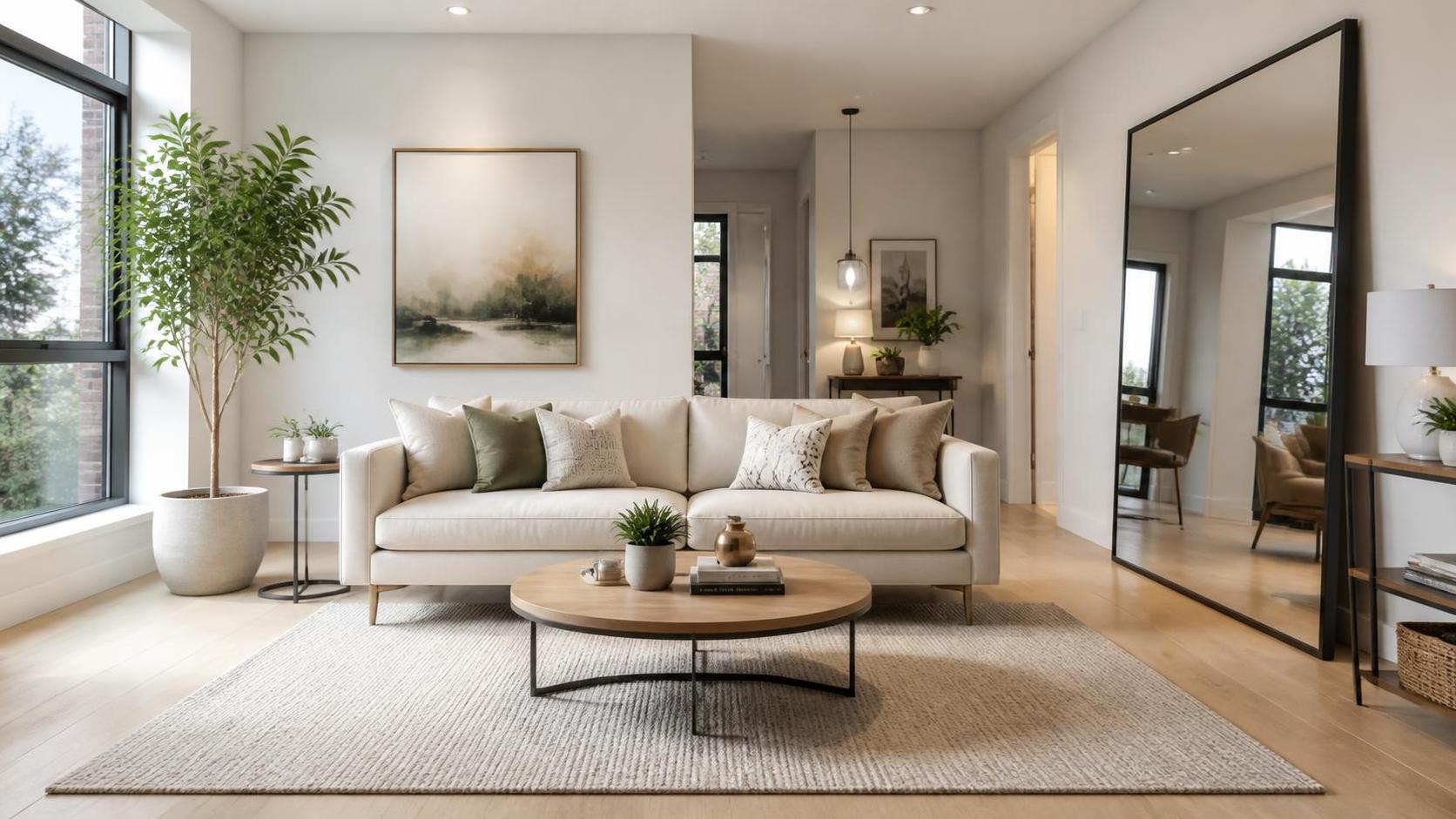
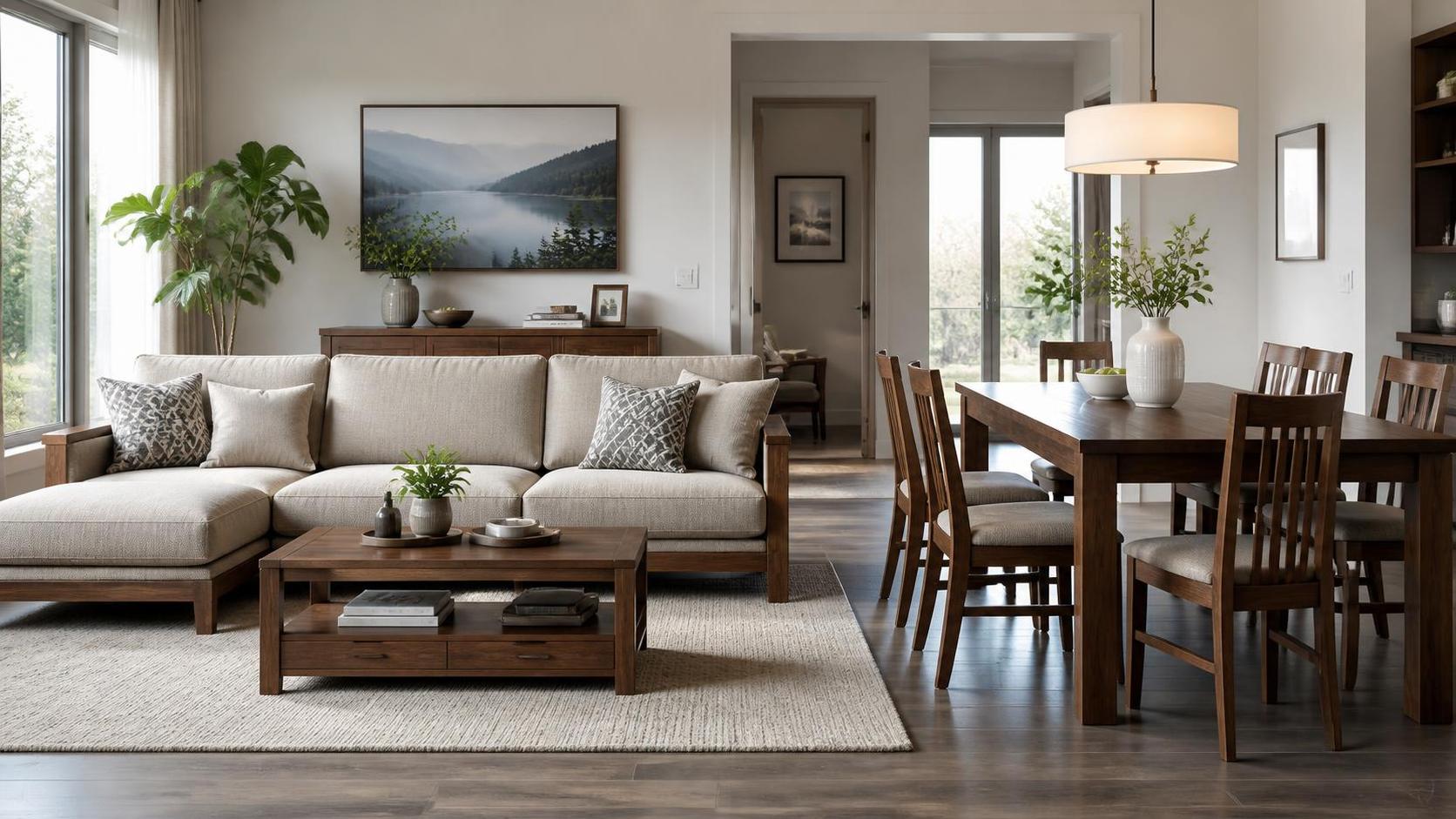
A living room, for example, should not only center on a sofa. It should support conversation, device use, storage, and walking paths without crowding.
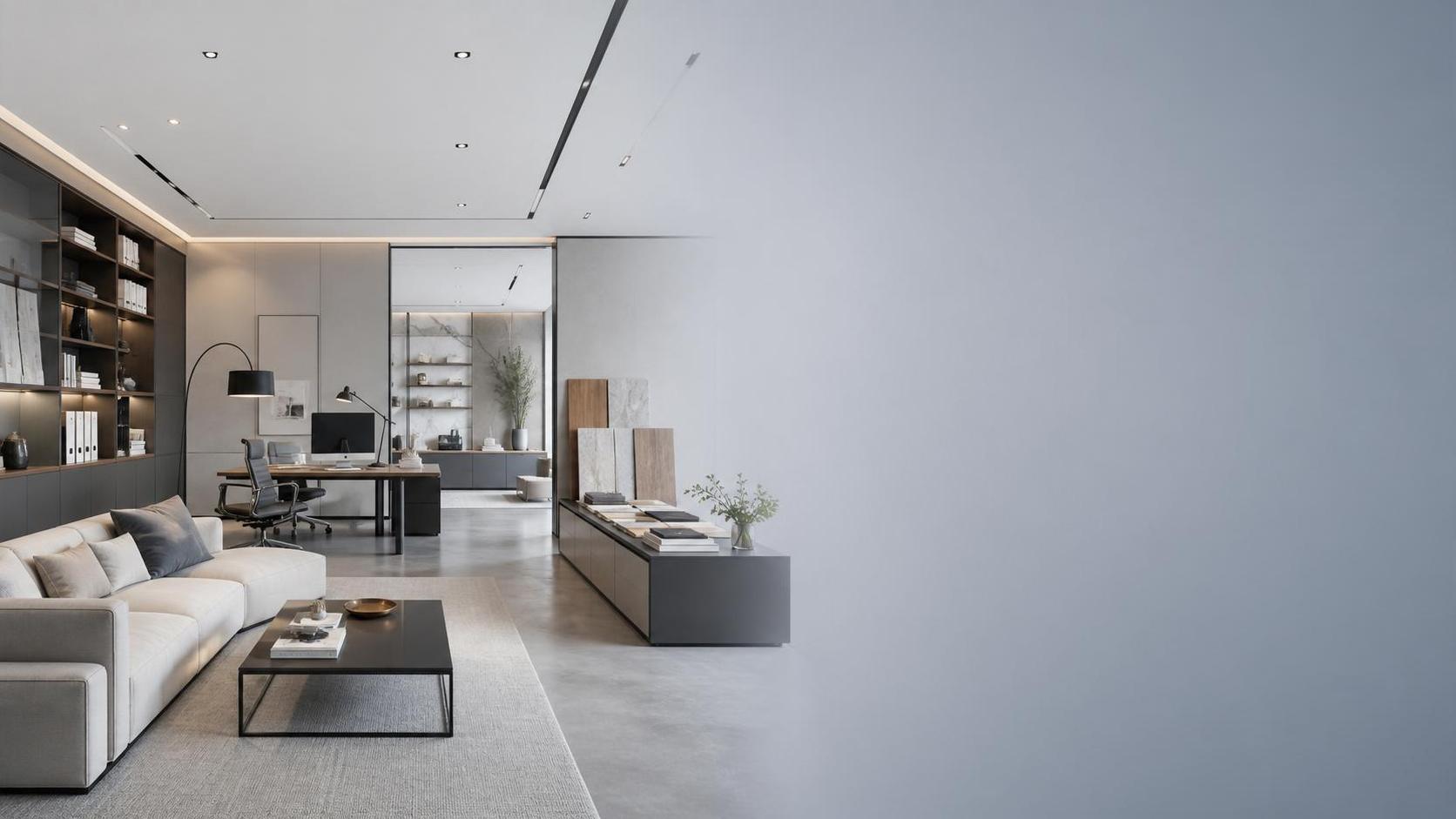
An office setting adds another layer. Interior design must support focus, teamwork, acoustic control, and posture over long working hours.
The same logic appears in retail or display-based environments. A product is easier to understand when circulation, visibility, and tactile access are planned together.
Which interior design basics have the biggest impact across different environments?
Some rules remain consistent, even when the application changes from a residence to a showroom or a smart workspace.
The first is zoning. Every effective interior design plan separates high-use, quiet, service, and transition areas with intention.
The second is circulation. Walkways should feel natural, not leftover. People should not need to turn sideways around furniture or cross unrelated activity zones.
The third is ergonomic fit. Desk heights, seat depth, countertop levels, and reach ranges directly affect comfort and productivity.
Then comes material logic. Textiles, leather alternatives, wood surfaces, metal frames, and composite panels each respond differently to heat, abrasion, and cleaning cycles.
This matters in sectors covered by GLC, where textiles, furnishing, office architecture, and lifestyle products increasingly overlap.
A chair is not only a visual element. It reflects upholstery performance, structural engineering, assembly precision, and intended use duration.
To make these basics easier to compare, the table below summarizes what should be checked early in planning.
This kind of checklist keeps interior design grounded. It turns subjective preference into a clearer set of planning decisions.
How do you tell whether a layout is efficient or just visually tidy?
A tidy plan is not always an efficient one. Some layouts photograph well but create wasted corners, poor access, or awkward furniture use.
A more reliable judgment starts with workflow. In a kitchen, that means movement between storage, preparation, cooking, and cleaning.
In an office, it means how quickly people can shift between solo work, shared discussion, and support resources.
In a lifestyle showroom, it means whether visitors understand the intended path and product story without confusion.
One practical method is to map three journeys: daily use, maintenance, and exceptional use. The last one is often ignored.
Exceptional use includes moving large items, cleaning behind furniture, handling seasonal changes, or accommodating more users than usual.
If the layout only works in its ideal condition, the interior design is incomplete. Real spaces need resilience, not only symmetry.
What are the most common mistakes in interior design planning?
One common mistake is scaling furniture by appearance rather than dimensions. A slim chair may still require more clearance than expected.
Another is selecting materials only for color or trend value. Interior design fails quickly when finishes stain easily, reflect glare, or age unevenly.
A third issue is ignoring transitions. Door swings, corridor narrowing, rug edges, and threshold changes can disrupt movement more than major furniture pieces.
Lighting is also underestimated. A beautiful lamp does not guarantee good interior design if task surfaces remain dim or shadows fall in key work areas.
There is also a strategic mistake: separating design from manufacturing feasibility. That gap often causes substitutions, delays, or quality drift.
This is where industry intelligence becomes valuable. When design insight is linked with craftsmanship knowledge, specifications become more realistic from the start.
- Check actual dimensions, not visual assumptions.
- Review maintenance routines before approving finishes.
- Test key movement paths with doors and seating in place.
- Confirm sourcing and fabrication limits early.
- Treat lighting as part of planning, not decoration.
How should interior design be evaluated before implementation?
Before implementation, interior design should be tested against use conditions, not only concept boards or rendered images.
A strong review usually combines dimensional checks, sample verification, and scenario testing. Each one answers a different question.
Dimensional checks confirm whether the plan fits real human behavior. Sample verification tests color, texture, edge quality, and cleaning response.
Scenario testing asks whether the space still works during peak use, reconfiguration, or maintenance downtime.
In practical terms, the pre-implementation review can focus on these questions:
- Does the layout support the intended sequence of use?
- Are furniture, textiles, and surface materials technically compatible?
- Will maintenance standards preserve the original design intent?
- Can local production or sourcing meet required tolerances?
- Are sustainability claims backed by material evidence?
This evaluation approach fits well with GLC’s cross-sector view. Design quality improves when aesthetics, technical standards, and supply chain capability are reviewed together.
What is the smartest next step if you want better space planning?
Start with use cases, not colors. List the actions the space must support, the number of users, the duration of use, and the maintenance demands.
Then compare those needs against core interior design basics: zoning, circulation, ergonomics, lighting, and material performance.
If trade-offs appear, make them explicit early. A compact layout may save area but reduce storage access. A premium finish may raise upkeep time.
The most useful planning decisions are rarely dramatic. They are precise choices that reduce friction and preserve quality over time.
Interior design works best when it bridges ambition and execution. That means pairing design language with practical knowledge of craftsmanship, materials, and spatial behavior.
For the next review cycle, build a simple checklist around workflow, dimensions, material durability, and implementation risk. That is where better space planning usually begins.