Interior Design Trends 2024 Shaping Flexible Commercial Spaces

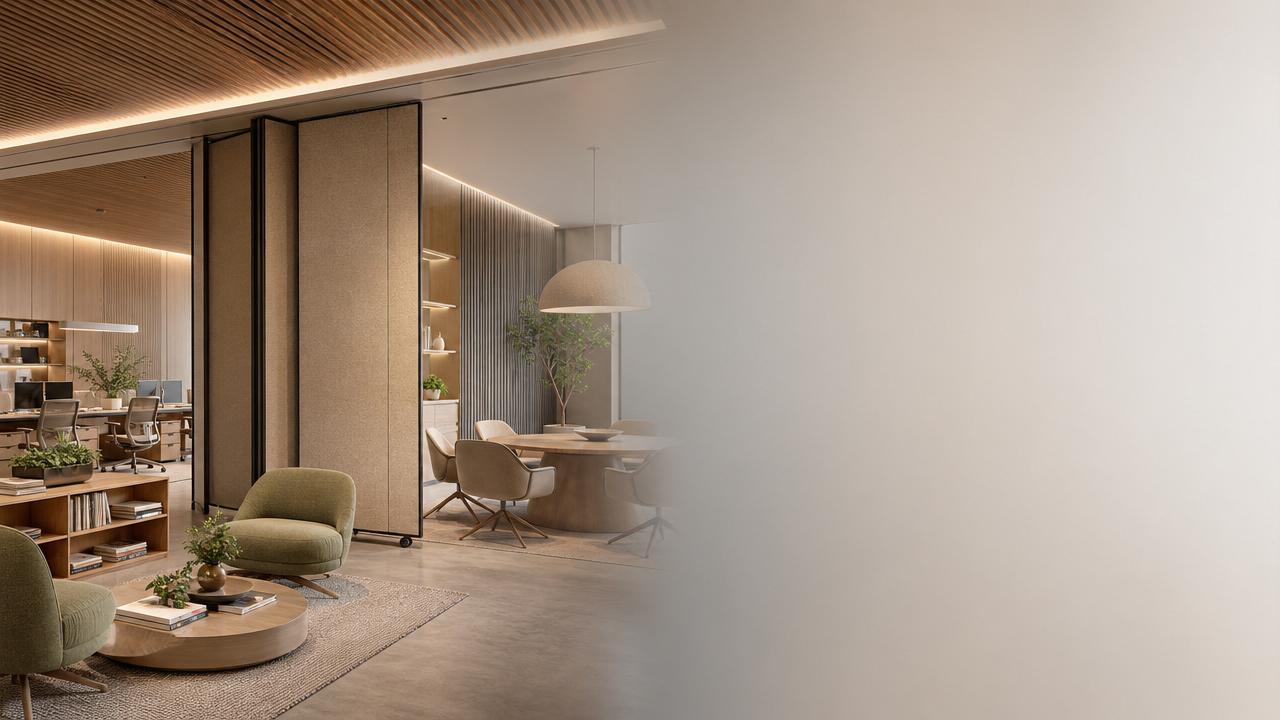
Interior design trends 2024 are changing how flexible commercial spaces are planned
Interior design trends 2024 are no longer centered on appearance alone.
The stronger shift is toward commercial interiors that adapt faster, perform longer, and express brand value without wasting budget or materials.
That matters because flexible commercial spaces now carry more pressure than before.
They must support hybrid work, visiting clients, short project cycles, employee wellbeing, and changing team structures inside one environment.
From a broader industry view, the most useful insight is not a single color palette or furniture style.
It is the way global aesthetics, material craftsmanship, and delivery logic are being pulled into the same conversation.
This is where cross-sector intelligence becomes valuable.
Textiles affect acoustics and durability.
Furniture engineering shapes collaboration.
Digital craftsmanship influences customization speed.
Sustainable sourcing now affects design approval, not just procurement.
Seen through that lens, interior design trends 2024 reveal a practical market direction.
Commercial space design is moving closer to an operating system mindset, where every finish, partition, and seating choice must earn its place.
Why the shift has become more visible this year
Several forces are converging at the same time.
Occupiers want spaces that can change function without repeated fit-out costs.
Brands want interiors that feel distinctive but remain scalable across locations.
At the same time, supply chains are being judged on resilience, traceability, and environmental impact.
That is why interior design trends 2024 feel more structural than seasonal.
A useful way to read the market is to separate visual change from operational change.
More noticeably, decision-making now starts earlier.
Material selection, technical detailing, and supplier capability are discussed during concept development, not after design sign-off.
That pattern aligns with a broader shift seen across soft-industry sectors.
Aesthetic ambition is increasingly tied to manufacturing logic and standards, rather than treated as a separate creative layer.
The new center of gravity is flexibility with a stronger material story
Flexible commercial spaces used to be associated with movable desks and open plans.
Interior design trends 2024 push that idea further.
Flexibility now depends on whether materials, furniture systems, and infrastructure can support repeated change without visual decline.
This is why textile innovation and craftsmanship matter more than many expected.
Acoustic fabrics, stain-resistant upholstery, recycled composite panels, and low-emission finishes are no longer side preferences.
They influence occupancy comfort, maintenance schedules, and even leasing perception.
There is also a visible move toward tactile environments.
Smooth digital workflows are being balanced with surfaces that feel warm, textured, and human-scaled.
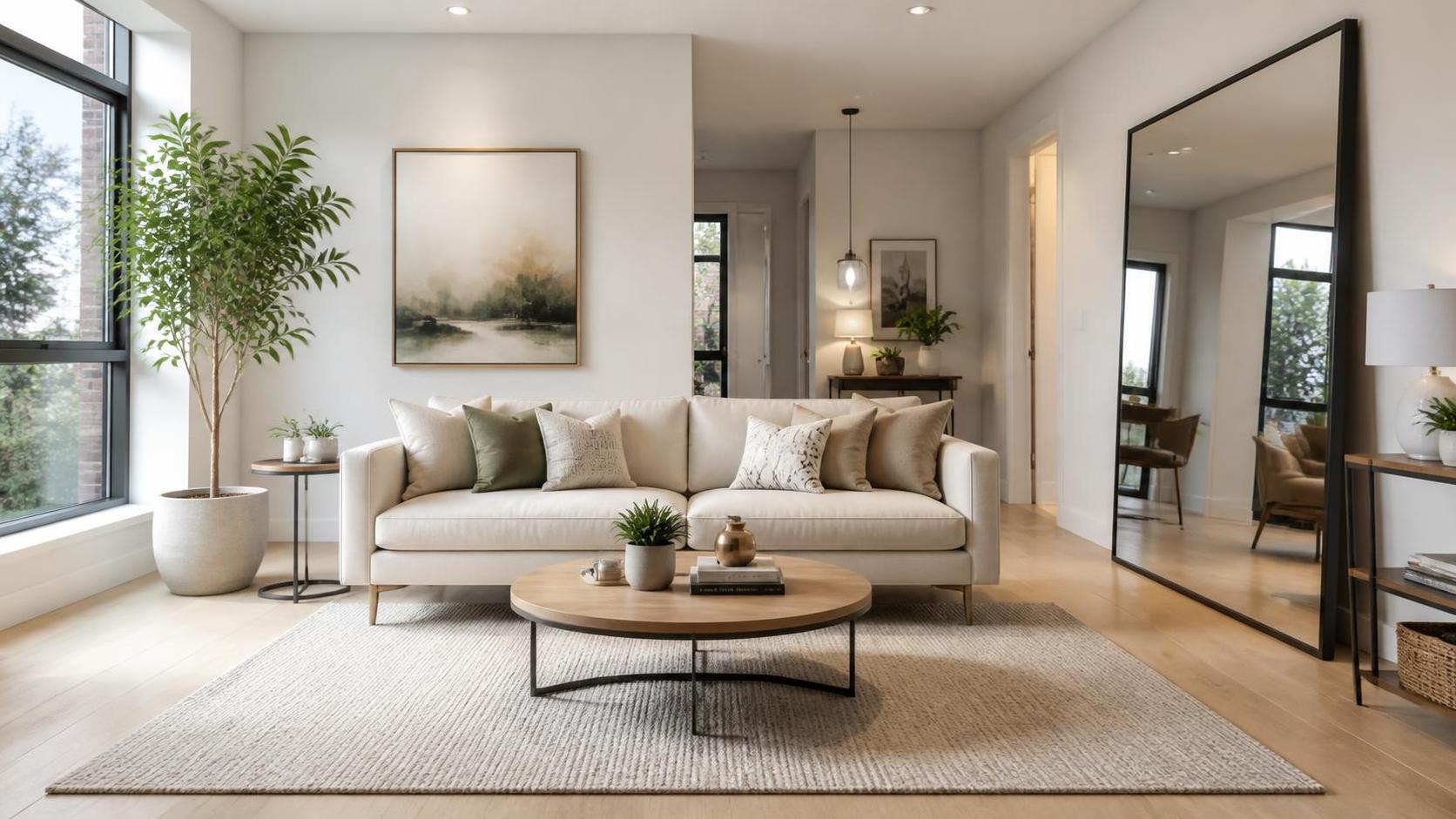
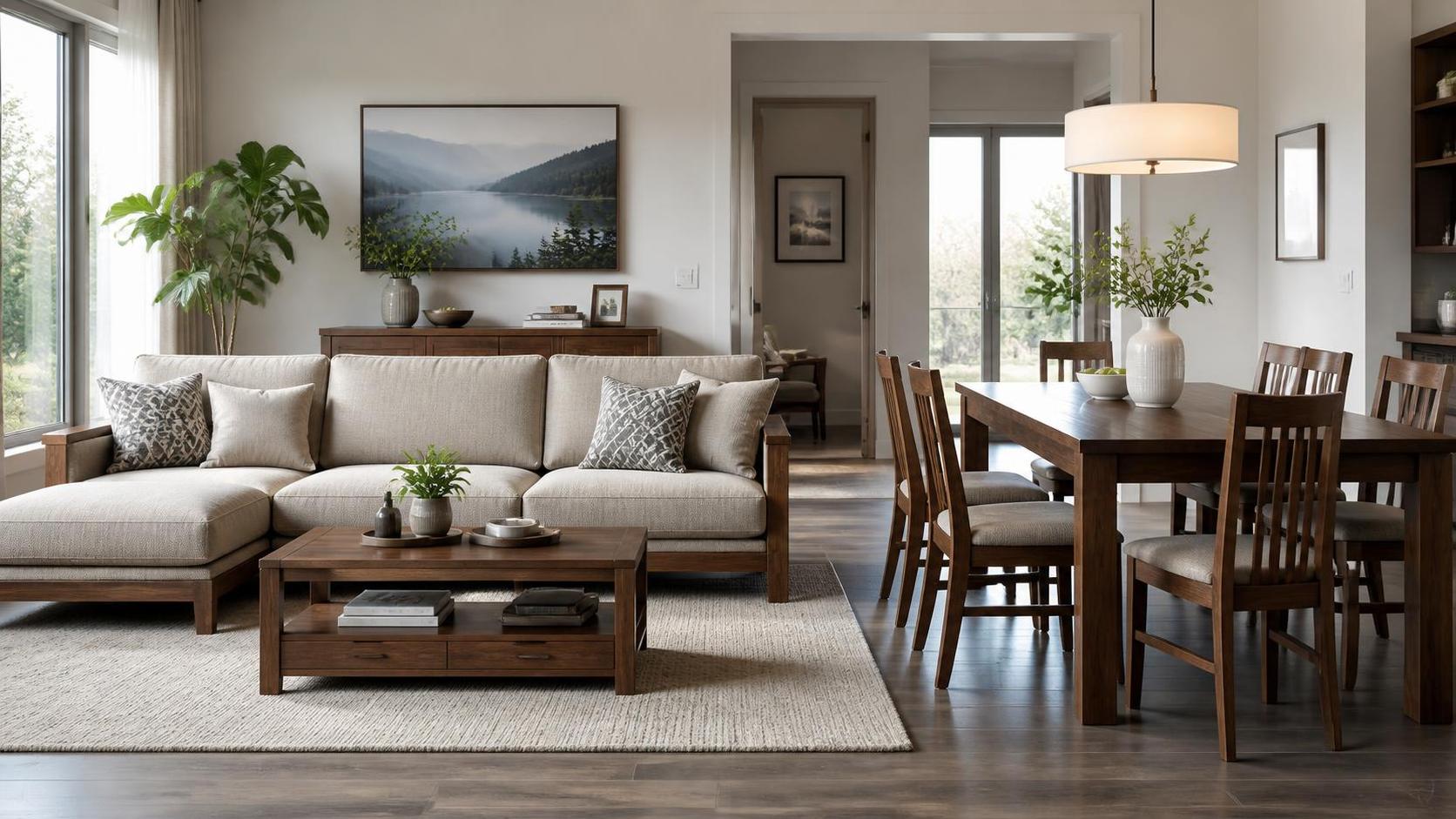
Wood-look laminates, woven partitions, softened lighting, and layered fabrics are appearing in offices, hospitality-driven lobbies, and mixed-use work hubs.
The point is not nostalgia.
It is to counter visual fatigue while keeping commercial performance intact.
In that sense, interior design trends 2024 are borrowing lessons from home furnishing, apparel comfort, and even outdoor functional design.
Commercial interiors are becoming more multisensory because user expectations are shaped by every other category of daily living.
What these changes mean for planning, engineering, and delivery
The impact does not sit in design teams alone.
Interior design trends 2024 affect sequencing, specification control, and risk management across the whole project cycle.
In practical terms, three pressure points are appearing more often.
- Scope definition becomes harder when spaces are expected to serve multiple future uses.
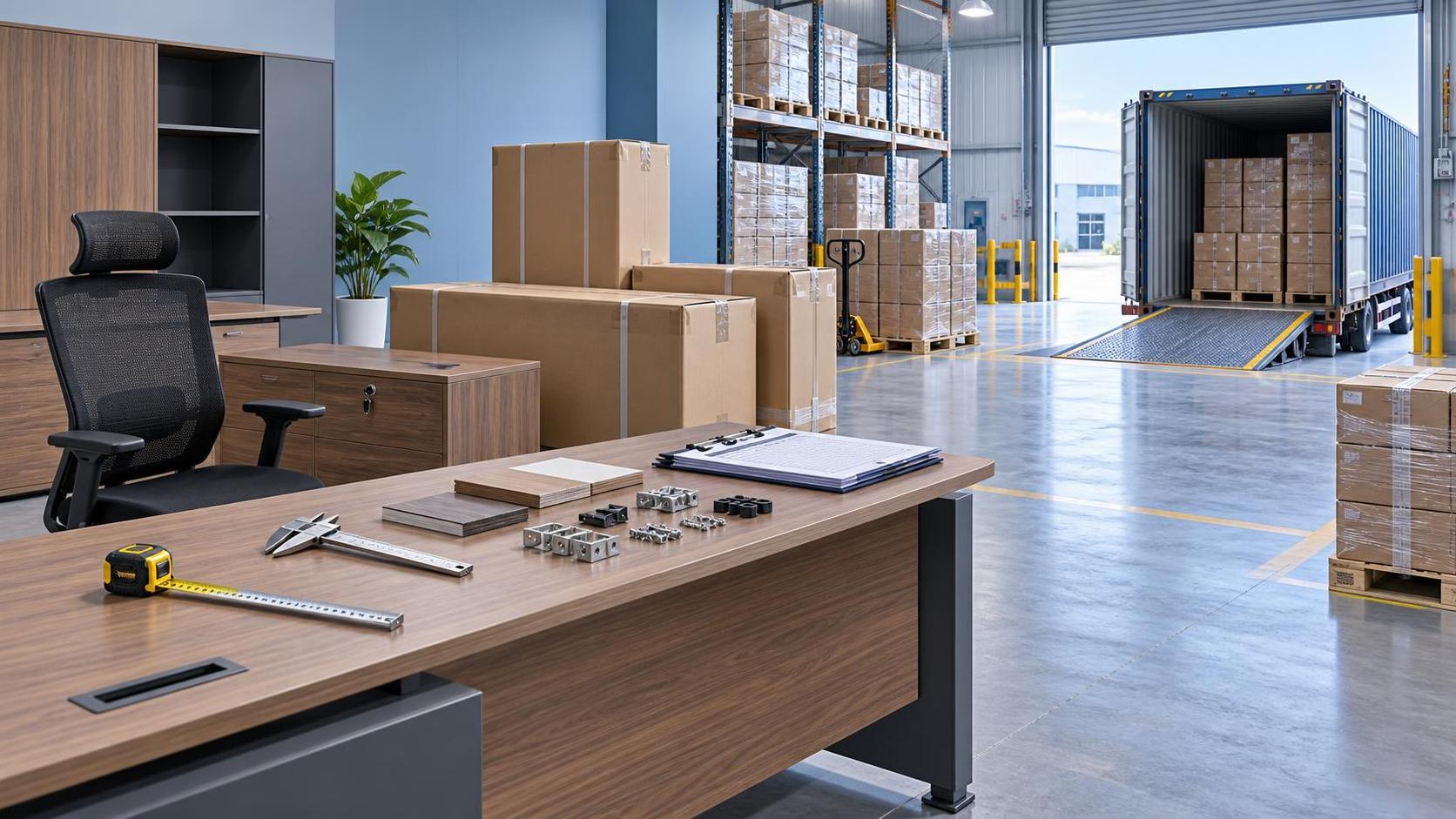
- Procurement becomes more technical because finishes must meet aesthetic, durability, acoustic, and sustainability targets together.
- Coordination risk rises when smart systems, furniture integration, and bespoke elements depend on different suppliers.
This is where better market reading creates real project value.
A design concept may look efficient on paper, yet fail in operation if replacement cycles are short or maintenance access is poor.
Likewise, an attractive flexible layout can underperform if acoustics, lighting control, and cable infrastructure were treated as secondary issues.
More experienced teams are now testing interior decisions against real usage scenarios.
That includes peak occupancy, temporary reconfiguration, cleaning intensity, and the likely lifespan of branded features.
The stronger signal here is that design value is shifting from static beauty to managed adaptability.
A closer look at the signals shaping the next round of commercial interiors
Not every signal carries the same weight.
Some are visual preferences, while others are setting long-term standards.
Smart functionality is becoming less visible and more embedded
Technology is still important, but the emphasis has changed.
The best flexible commercial spaces do not look overloaded with devices.
They hide complexity behind clean interfaces, quieter infrastructure, and responsive environmental controls.
Craftsmanship is returning as a business differentiator
As more projects use modular systems, handcrafted detailing becomes a way to avoid sameness.
That may appear in joinery precision, custom textile application, or regionally informed finishes.
The value is not decorative excess.
It is controlled individuality supported by manufacturable execution.
Sustainability is moving from statement to specification
Interior design trends 2024 show a more disciplined view of green claims.
Attention is moving toward verified fibers, repairable components, lower-VOC finishes, and supply partners that can document consistency.
This mirrors a wider shift across textiles, furnishings, gifts, and outdoor products.
Design credibility now depends on whether aesthetic choices hold up under industrial scrutiny.
Where to focus next if commercial space strategies are being updated
The next step is not to chase every visible trend.
It is to sort short-lived design noise from changes that affect cost, usability, and future fit.
A practical review can start with a few questions.
- Which areas truly need reconfiguration over the next three years, and which only need better zoning?
- Which materials can handle intensive use while still supporting the intended brand language?
- Which smart features improve daily operations, rather than simply adding interface complexity?
- Which suppliers can translate design intent into repeatable quality with clear technical data?
- Which sustainability claims are measurable at the specification stage, not just in marketing copy?
This is also where an intelligence-led perspective helps.
Reading interior design trends 2024 through the combined lens of aesthetics, craftsmanship, and supply chain capability gives a more reliable basis for action.
That approach is increasingly important in a market where design ambition and execution discipline must move together.
Flexible commercial spaces will keep evolving, but the strongest choices already look clear.
Prioritize adaptable layouts, measurable material performance, and design systems that can absorb change without losing identity.
Keep tracking how global aesthetics connect with local making standards.
Compare specification options early, test them against real operating scenarios, and build phased response plans around lifecycle value.
That is where interior design trends 2024 become more than inspiration.
They become a framework for building commercial interiors that stay relevant, efficient, and credible over time.