Office Furniture Price Guide: What Impacts Cost Most?

Office Furniture Price Guide: What Impacts Cost Most?
For procurement teams, understanding office furniture price drivers is essential to balancing budget, durability, and workspace performance.
From material choices to logistics, every decision changes total spend.
The good news is that office furniture price is rarely random.
It usually reflects a mix of product engineering, supplier capability, and long-term operating value.
That also means buyers can control cost more effectively when they know where the real price pressure comes from.
This guide explains what impacts office furniture price most and how to compare options without sacrificing quality or project outcomes.
Why Office Furniture Price Varies So Much
Two desks may look similar online yet carry very different quotes.
In practice, office furniture price depends on what sits behind the appearance.
Frame thickness, surface finish, hardware grade, testing standards, and packaging design all matter.
A lower unit price can also hide higher maintenance, shorter lifespan, or more installation issues later.
From a sourcing perspective, the smarter question is not only “What does it cost now?”
It is also “What will this choice cost over three to five years?”
Materials Usually Have the Biggest Impact
Material selection is often the biggest driver of office furniture price.
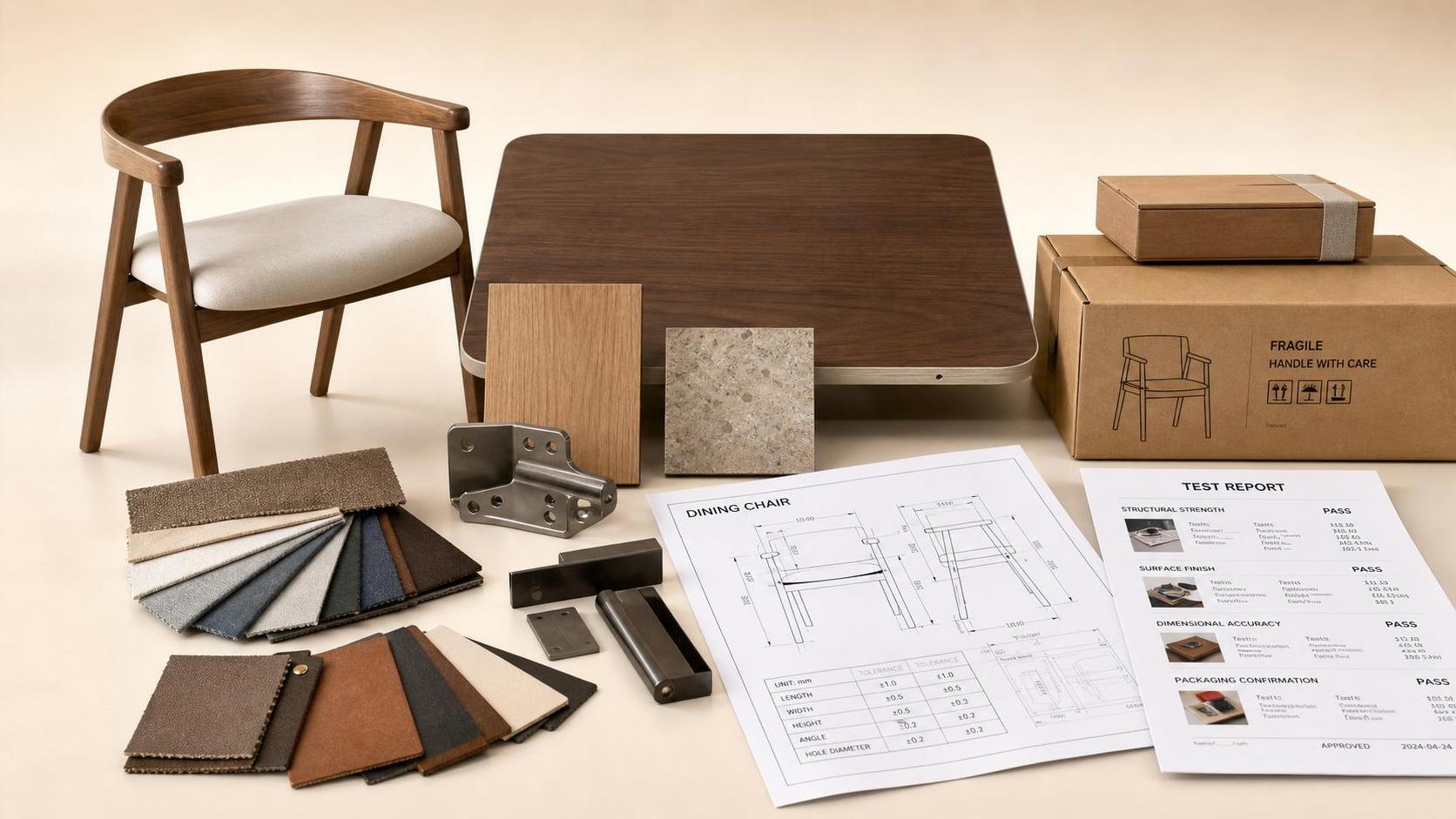
For casegoods, buyers usually compare particleboard, MDF, plywood, solid wood, steel, aluminum, glass, or mixed materials.
Each option changes durability, finish quality, shipping weight, and defect risk.
How common material choices affect cost
- Particleboard is cost-effective, but edge damage and moisture sensitivity can raise replacement risk.
- MDF offers smoother finishes, especially for painted surfaces, though it adds weight.
- Plywood typically costs more, yet often delivers better structural performance.
- Solid wood raises office furniture price sharply because of sourcing, labor, and finish complexity.
- Steel improves strength and lifespan, but raw material volatility can affect quotes quickly.
- Aluminum looks premium and lightweight, though machining costs are usually higher.
For seating, mesh, molded foam, fabric, and leather also change office furniture price significantly.
Higher-performance upholstery may cost more upfront, but it often reduces visible wear in busy offices.
Ergonomics and Features Push Prices Up Fast
Feature density is another major reason office furniture price climbs.
A basic task chair and a fully ergonomic chair serve very different performance needs.
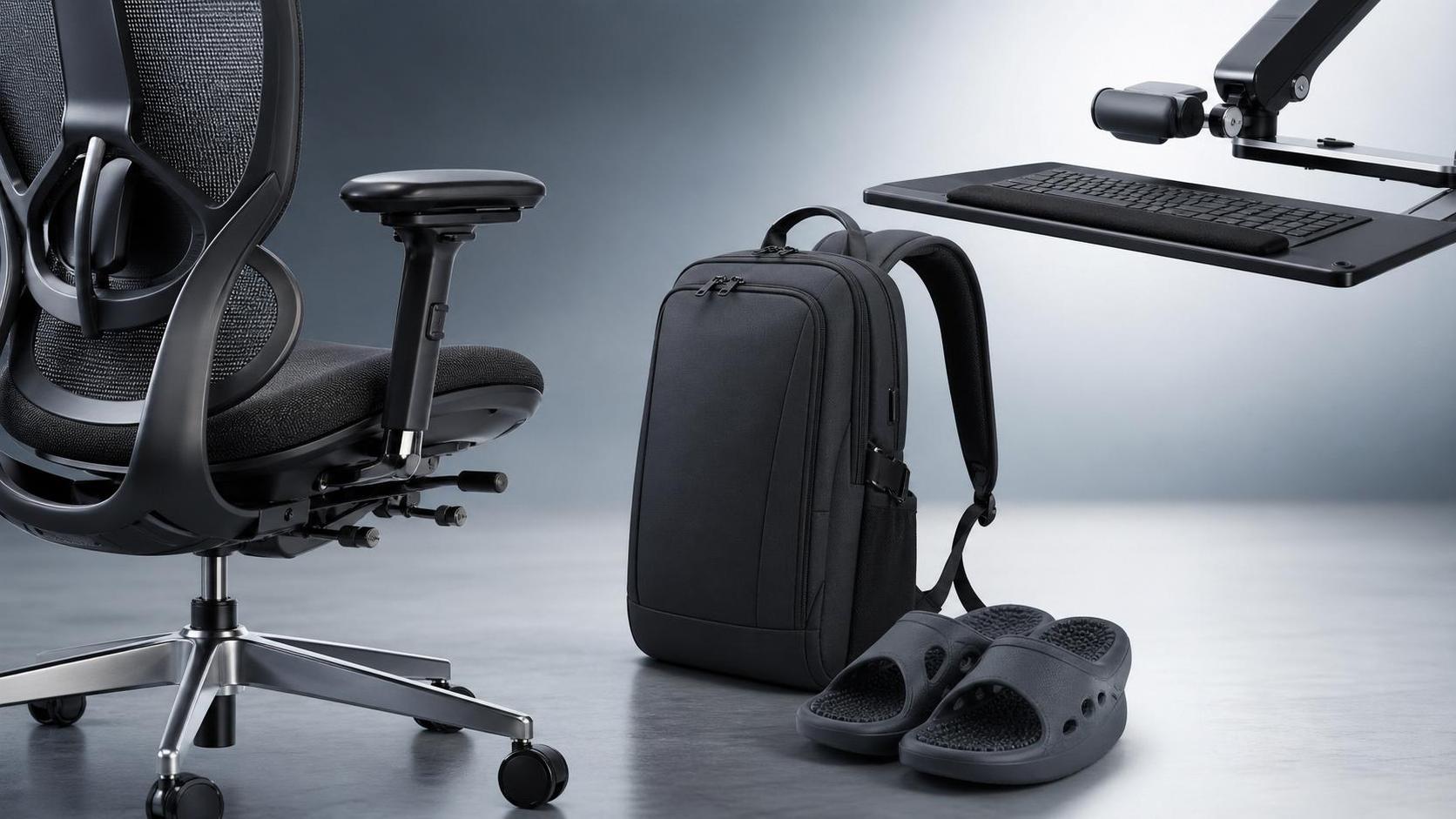
Adjustable lumbar support, synchronized tilt, 4D armrests, seat depth control, and headrests all add cost.
The same is true for sit-stand desks, cable management, acoustic panels, power modules, and modular storage.
From recent market shifts, the clearer signal is that flexibility now carries a price premium.
However, it can still be worth paying when workstyles change often or teams share workstations.
When extra features are worth the cost
- Choose ergonomic upgrades for high-use seating and long-duration desk work.
- Invest in sit-stand systems where health goals or hybrid use matter.
- Reduce premium features in low-use visitor or short-stay zones.
- Standardize only the functions people will actually use daily.
Customization Can Change the Budget Quickly
Customization often looks attractive during design review, but it can reshape office furniture price very quickly.
Custom dimensions, branded finishes, special laminates, unique fabrics, and non-standard colors all increase complexity.
In actual business settings, complexity usually means more engineering time, slower production, and stricter minimum order quantities.
Custom packaging, private labeling, and project-specific installation guides can also increase the final quote.
That does not mean customization should be avoided.
It means buyers should separate must-have requirements from visual preferences.
- Keep structural specifications standard where possible.
- Use customization mainly on visible surfaces or branding touchpoints.
- Confirm tooling, sampling, and lead-time costs before approval.
Volume, Lead Time, and Production Efficiency Matter
Order volume has a direct effect on office furniture price, but not always in the way buyers expect.
Larger orders can lower unit cost through material purchasing and production efficiency.
Still, mixed-product orders with many finishes may reduce those savings.
Lead time also matters more than many sourcing teams first assume.
Urgent production often requires overtime, fast-tracked components, or priority scheduling.
Those pressures can increase office furniture price even when the product spec stays unchanged.
Questions to ask suppliers early
- What is the price break by quantity tier?
- Which components have the longest replenishment cycle?
- What premium applies to rush production?
- Can finishes be consolidated to improve manufacturing efficiency?
Logistics, Installation, and Packaging Are Often Underestimated
A common mistake is focusing only on ex-factory cost.
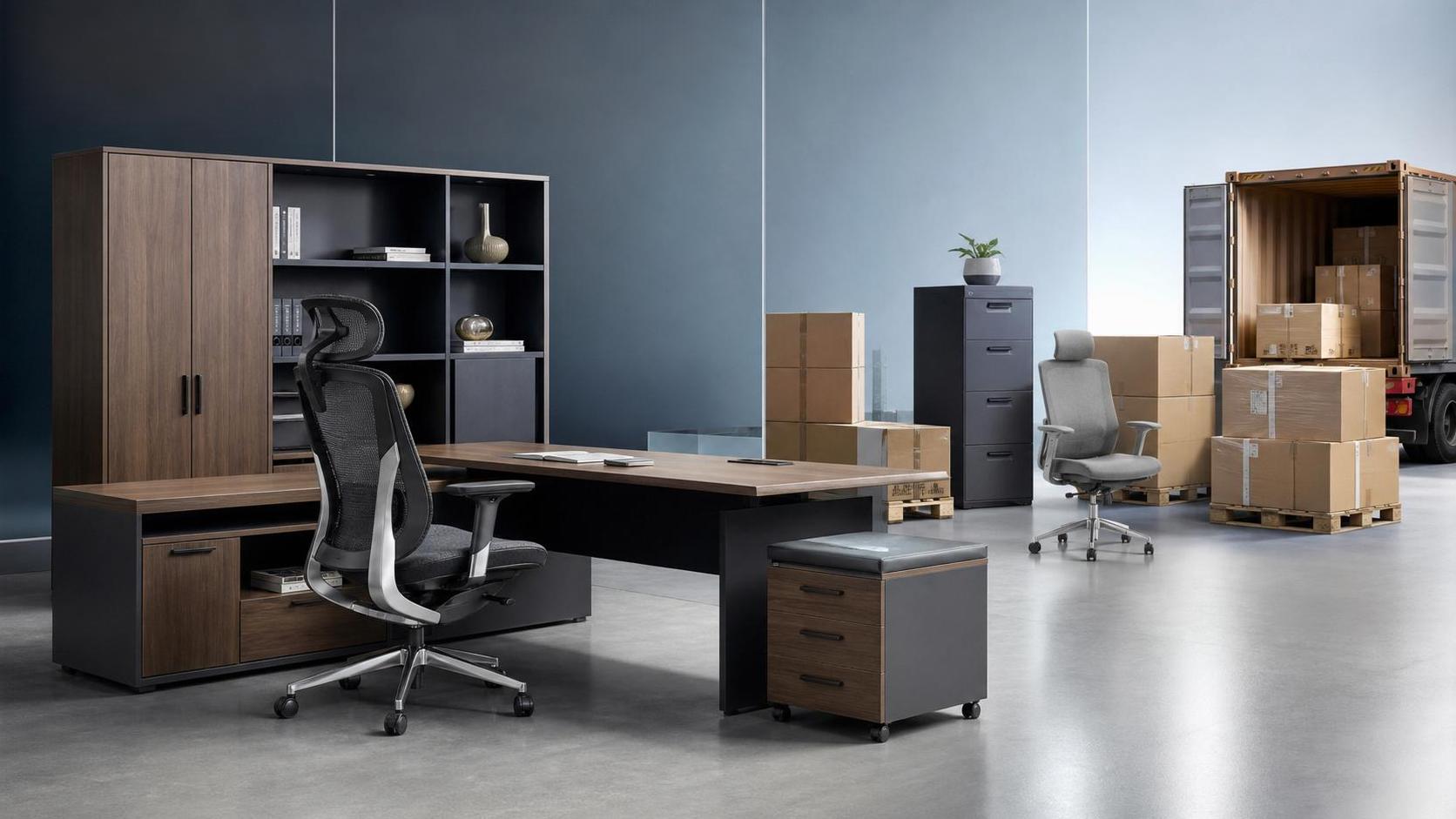
In reality, landed office furniture price can change sharply once freight and site conditions are included.
Bulky products cost more to ship, store, and move into buildings.
Knock-down construction may reduce freight, but it can increase installation labor.
White-glove delivery, floor protection, debris removal, and after-hours access can add meaningful charges.
Packaging quality also affects damage rates, especially for glass, painted panels, and premium surfaces.
Supplier Capability Influences Price and Risk
Not every quote reflects the same supplier strength.
A lower office furniture price may come from weaker quality systems or limited after-sales support.
That can create hidden costs through delays, rework, claims, or inconsistent batches.
Reliable suppliers usually price in better process control, testing, documentation, and communication.
For office seating and desking, certifications and performance standards can also influence cost.
This is where platforms with cross-disciplinary industry insight become useful.
GLC, for example, tracks how design trends, craftsmanship quality, and supply chain logic connect in real sourcing decisions.
That broader view helps buyers judge whether a price is merely cheap or genuinely competitive.
How to Evaluate Office Furniture Price More Accurately
A better evaluation method is to compare total value, not unit price alone.
This usually produces stronger decisions, especially for multi-site or long-term projects.
Use this practical checklist
- Confirm base materials, thickness, finish type, and hardware specification.
- Separate essential ergonomic features from optional upgrades.
- Calculate freight, duties, storage, installation, and damage allowance.
- Review warranty scope and replacement lead time.
- Assess supplier consistency across sample, pilot, and bulk production.
- Estimate lifecycle cost instead of comparing quotes in isolation.
This also helps explain price differences internally when finance, design, and operations want different outcomes.
Final Takeaway
The biggest influences on office furniture price are usually materials, ergonomic features, customization, production efficiency, logistics, and supplier capability.
When these factors are reviewed together, pricing becomes easier to understand and negotiate.
More importantly, buyers can avoid low-cost choices that create higher operational costs later.
A smart office furniture price strategy is not about buying the cheapest product.
It is about matching workspace needs, supplier reliability, and long-term value with a clear sourcing framework.
Start with the real cost drivers, ask sharper supplier questions, and use total cost as the basis for every final decision.