What Quality Living Means in Modern Home Upgrades

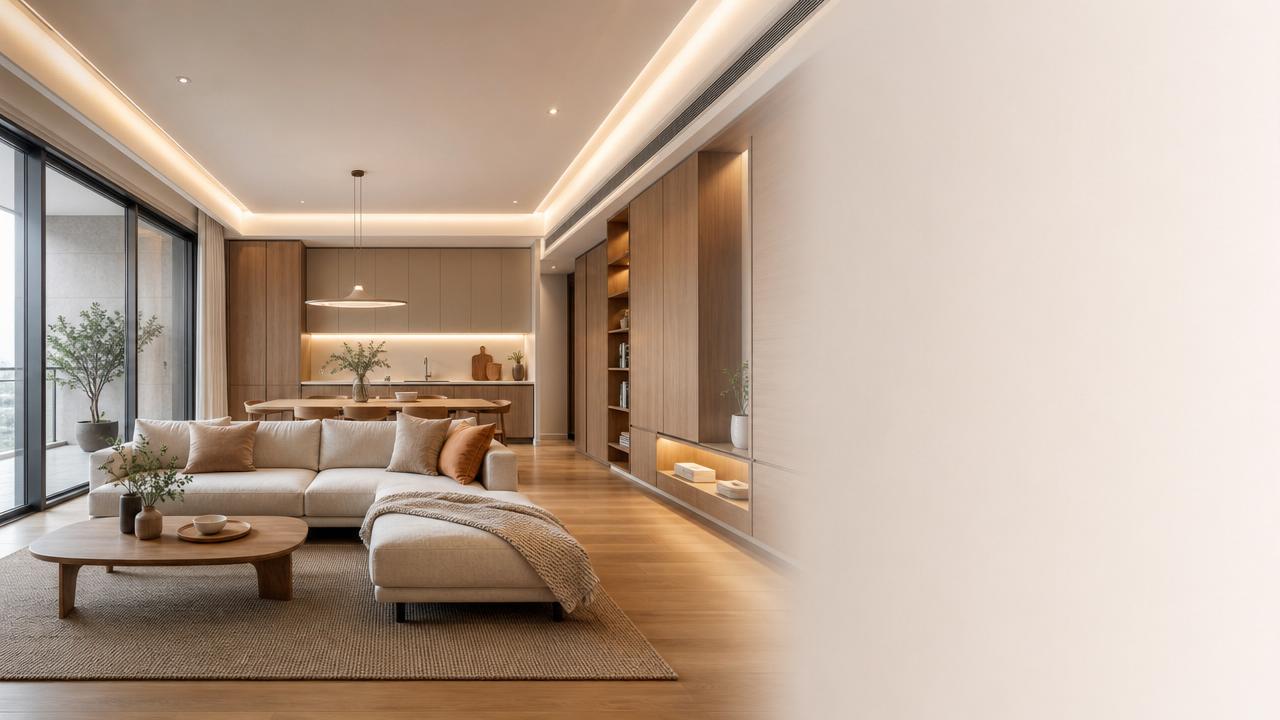
What does quality living really mean in home upgrades?
Quality living is often mistaken for luxury. In reality, it means a home performs better, feels better, and lasts longer under daily use.
That shift matters because modern upgrades are no longer judged by appearance alone. People now expect comfort, durability, healthier materials, and spaces that support changing routines.
In practical terms, quality living connects design intent with engineering discipline. A beautiful surface has little value if it stains easily, traps heat, or fails after two years.
This is why the topic now sits at the center of residential planning. Better living standards come from the combined effect of layout, material science, craftsmanship, and supply chain reliability.
Across textiles, furniture, surface finishes, lighting, and outdoor extensions, the same question appears again: does the upgrade improve real life, or only visual impact?
Seen this way, quality living becomes a decision framework. It helps evaluate whether an upgrade delivers long-term value instead of short-term decoration.
Why is quality living getting more attention in modern residential projects?
The answer is partly cultural and partly technical. Homeowners now spend more time evaluating how spaces affect health, work, rest, storage, and family interaction.
At the same time, global design influence is stronger than ever. Aesthetic expectations travel quickly, but execution still depends on local manufacturing and installation quality.
That is where a broader industry view becomes useful. Platforms focused on global living and craftsmanship have shown that good outcomes depend on more than trend watching.
They connect design language with textile performance, furniture ergonomics, surface treatment, sustainable sourcing, and the real limits of production systems.
In other words, quality living has become a cross-sector issue. It touches soft furnishings, built-in storage, seating comfort, air quality, outdoor leisure zones, and even giftable lifestyle details.
The growing focus also reflects consumer maturity. Many buyers are less impressed by flashy finishes and more interested in maintenance cycles, safety, and practical comfort.
A quick way to judge the shift
This comparison explains why quality living now shapes both specification decisions and execution standards.
Which upgrade areas have the biggest impact on quality living?
Not every upgrade carries the same weight. The most effective choices usually improve comfort, movement, maintenance, and environmental performance at the same time.
Soft materials are one major example. Upholstery, curtains, bedding textiles, and rugs influence acoustics, tactile comfort, dust behavior, and visual warmth.
Furniture and built-in systems also matter. Ergonomic seating, better storage depth, durable hinges, and sensible circulation often change daily life more than decorative add-ons.
Surface materials deserve equal attention. Flooring, countertops, wall panels, and leather-like finishes should be judged by stain resistance, edge treatment, and repair feasibility.
Outdoor connections are increasingly important too. Balconies, terraces, and shaded transitions now support leisure, social use, and flexible family routines.
- Textiles improve comfort, sound control, and seasonal adaptability.
- Furnishings affect posture, storage efficiency, and room usability.
- Lighting upgrades shape mood, task performance, and perceived space quality.
- Outdoor lifestyle elements extend living value beyond interior walls.
A useful rule is simple: the best upgrade supports behavior, not just appearance. That is a reliable sign that quality living is being addressed correctly.
How can you tell whether a material or finish supports quality living?
A good-looking sample is not enough. Material selection should reflect how the space will be used, cleaned, exposed, and maintained over time.
For example, a textile may look refined in a showroom but perform poorly under sunlight, humidity, pet use, or repeated cleaning cycles.
The better approach is to balance aesthetic goals with measurable performance indicators. This is where craftsmanship and industrial standards need to work together.
Specialist-led evaluation has become more valuable for exactly this reason. Fabric parameters, ergonomic logic, and field-tested durability often reveal risks that style boards cannot show.
What should be checked before approval?
- Touch and comfort under real temperature conditions.
- Resistance to wear, staining, fading, and moisture.
- Consistency across batches and supply sources.
- Ease of installation, repair, and replacement.
- Environmental claims supported by credible standards.
In actual projects, the strongest quality living results usually come from materials that age well, not materials that look perfect on day one.
Where do projects usually go wrong when aiming for quality living?
The most common mistake is treating quality living as a styling exercise. That often leads to premium-looking spaces with poor ventilation, awkward storage, or fragile details.
Another problem is fragmented decision-making. When finishes, furnishings, and technical systems are selected separately, the final result loses coherence and performance.
Cost pressure can create hidden risks as well. A cheaper substitute may reduce initial spend but increase complaints, maintenance calls, or replacement frequency.
There is also a growing gap between trend imagery and manufacturable reality. Imported aesthetics are attractive, but they need compatible craftsmanship and stable sourcing.
That is why industry intelligence matters. When design direction is tested against supply chain logic, teams can avoid choices that are visually strong but operationally weak.
Typical warning signs
- Samples are approved without maintenance testing.
- Layout changes ignore actual storage or movement patterns.
- Suppliers cannot explain material tolerances or finish limitations.
- Outdoor additions are planned without weather exposure review.
These issues are not dramatic at first. They usually become visible after occupancy, which makes prevention far more valuable than correction.
How should quality living be evaluated before upgrades move forward?
A useful evaluation process combines user needs, technical review, and realistic sourcing. Quality living works best when those three elements are considered together.
Start with behavior. How will people sit, work, store items, clean surfaces, rest, and use outdoor zones across seasons?
Then look at materials and assemblies. Do they support those habits without creating constant upkeep or premature failure?
Finally, confirm production and installation capability. Global aesthetics only become quality living when craftsmanship and execution can reliably deliver the intended result.
If these checks are in place, quality living becomes measurable rather than subjective.
So what is the smartest next step?
The smartest next step is not chasing more upgrades. It is defining what quality living should improve in that specific home.
Sometimes the answer is healthier textiles and better acoustics. In other cases, it is smarter storage, durable finishes, or outdoor extensions that support real routines.
A grounded evaluation should compare design ambition, craftsmanship quality, lifecycle cost, and supply chain confidence before decisions are locked in.
That approach reflects the strongest industry thinking today: quality living is created when global aesthetic vision and practical manufacturing knowledge are connected, not separated.
If the goal is a better residential outcome, begin by listing the daily problems to solve, the materials to verify, and the performance standards that cannot be compromised.
From there, comparing options becomes clearer, risks become easier to spot, and quality living turns from a vague ideal into a workable upgrade standard.