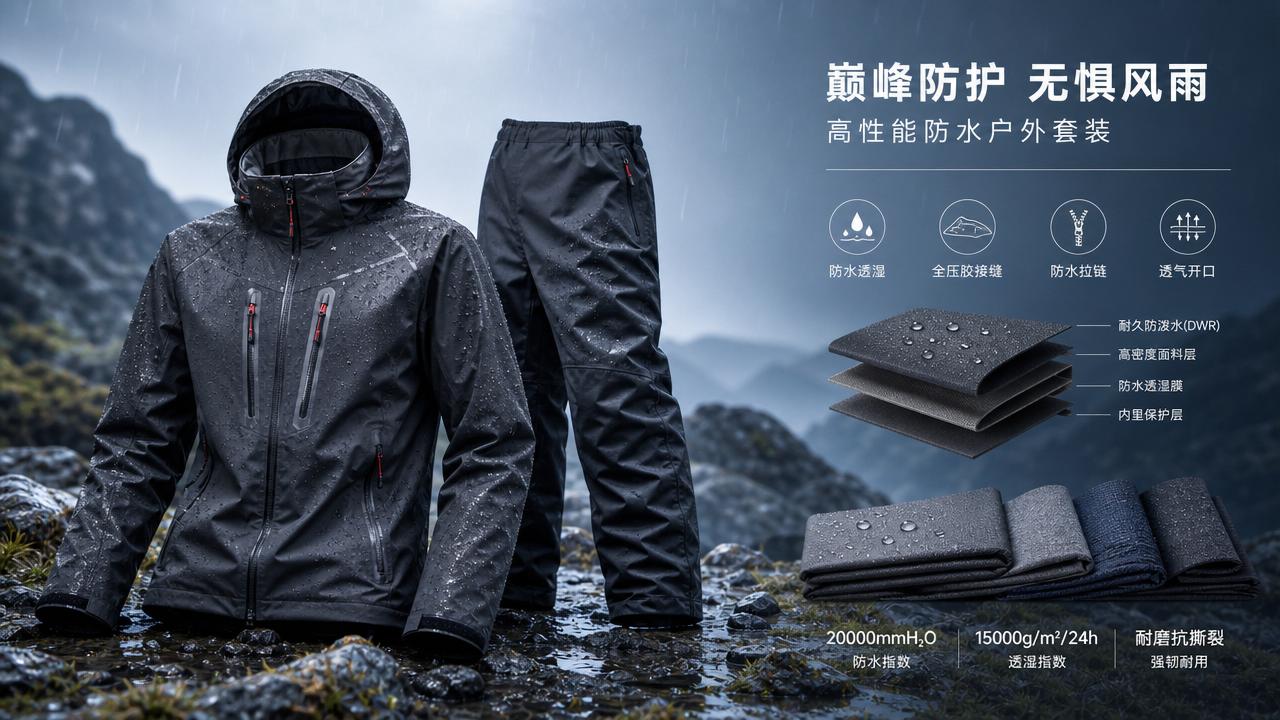
2026 Apparel Trends for Outdoor Performance

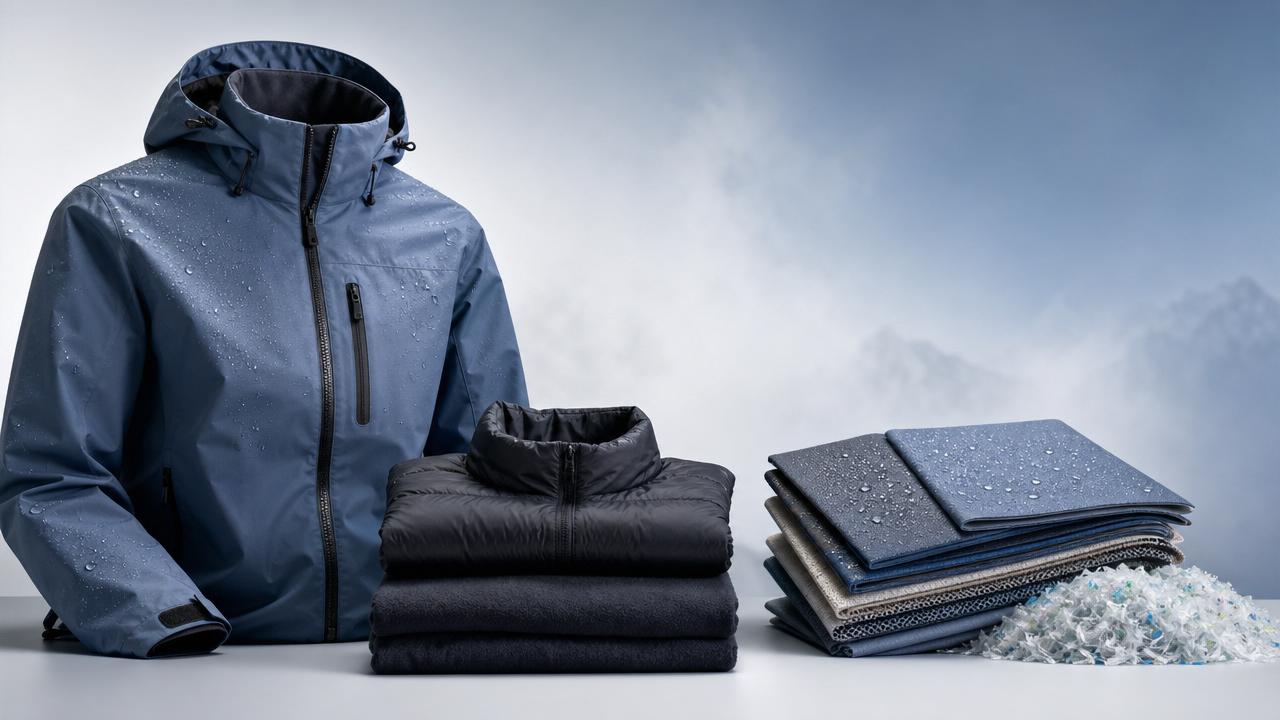
2026 Apparel Trends for Outdoor Performance
As outdoor lifestyles become more technical, sustainable, and design-led, the 2026 apparel trends reveal a decisive shift in performance clothing.
Adaptive fabrics, low-impact materials, modular systems, and transparent sourcing now define how functional apparel is researched and engineered.
Outdoor performance apparel is moving beyond utility toward smarter product ecosystems that balance protection, comfort, responsibility, and refined aesthetics.
For global lifestyle sectors, these apparel trends connect textile science, craftsmanship, outdoor testing, and market intelligence into one strategic direction.
Foundational Direction of 2026 Apparel Trends
The core of 2026 apparel trends is performance with accountability. Clothing must work harder while leaving a lighter environmental footprint.
Outdoor users expect garments that manage moisture, regulate temperature, resist abrasion, and remain comfortable across shifting climates.
At the same time, design language is becoming cleaner, less tactical, and more compatible with urban daily wear.
This creates a new definition of outdoor performance apparel: technical enough for terrain, yet refined enough for modern living.
The strongest apparel trends therefore combine fiber innovation, ergonomic patterning, durable finishes, and versatile styling.
Rather than chasing single-season novelty, 2026 development emphasizes longer product life and clearer material storytelling.
This direction aligns with broader consumer upgrades, where quality is measured through function, traceability, and emotional design value.
Industry Background and Current Signals
Outdoor participation is expanding from specialist sports into travel, commuting, wellness, camping, and hybrid work lifestyles.
As usage scenarios widen, apparel trends must answer different levels of activity, weather exposure, and aesthetic preference.
The market is also shaped by climate volatility, stricter chemical regulations, and rising interest in product repairability.
These forces push outdoor apparel away from disposable volume and toward engineered durability with verified material claims.
Among these apparel trends, the most durable signal is the fusion of outdoor credibility and everyday usability.
Performance no longer lives only in extreme categories. It now supports broader lifestyle resilience.
Material Innovation Shaping Outdoor Performance
Materials remain the technical foundation of 2026 apparel trends, especially in waterproof, breathable, insulating, and stretch categories.
PFAS-free water repellency is becoming a mainstream requirement as regulation and consumer awareness continue to rise.
Recycled nylon, recycled polyester, bio-based polyamide, and cellulosic blends are gaining broader commercial relevance.
However, sustainable outdoor apparel cannot rely on recycled content alone. Durability, repairability, and end-of-life planning matter equally.
- Mono-material shells improve recycling potential and simplify material separation.
- Mechanical stretch reduces elastane dependency in hiking and travel garments.
- Lightweight insulation uses recycled or bio-based inputs with improved loft retention.
- Hybrid knits provide zoned breathability without excessive seam construction.
- Natural performance fibers add odor control, comfort, and premium hand feel.
These apparel trends show that material selection is becoming a systems decision, not a fabric-only decision.
A fabric must match garment engineering, expected use, testing standards, care behavior, and brand-level sustainability commitments.
Design Language: Modular, Minimal, and Field-Ready
The visual direction of outdoor performance apparel is becoming quieter, more architectural, and more modular.
Bold expedition styling remains relevant, but 2026 apparel trends favor pieces that move between trail, travel, and city.
Modular layering is central because it supports variable climates and reduces the need for excessive garment ownership.
Zip-off components, packable insulation, adaptable vents, and compatible shell systems create flexible performance wardrobes.
Color palettes are also shifting. Earth minerals, fog neutrals, alpine blues, and muted botanical tones dominate premium ranges.
High-visibility accents remain functional, but they are increasingly used as precise details rather than decorative excess.
This design discipline reflects one of the clearest apparel trends: performance aesthetics are becoming more mature.
The strongest garments communicate capability through cut, texture, hardware, and proportion instead of loud technical signaling.
Application Value for the Wider Soft Industry
Outdoor apparel innovation often influences other lifestyle sectors, including workwear, travel goods, office comfort, and home textiles.
This makes apparel trends valuable beyond clothing categories, especially where performance materials meet daily living needs.
Moisture management knowledge can inform seating textiles, travel accessories, and ergonomic workplace products.
Abrasion-resistant constructions can guide bags, protective covers, and durable soft goods for outdoor leisure.
Low-impact dyeing and cleaner finishing also support broader supply chain transformation across textiles and furnishing materials.
From a craftsmanship perspective, the value lies in translating technical standards into products people trust and enjoy using.
This is where global aesthetics and manufacturing capability become deeply connected.
The most relevant apparel trends therefore act as a bridge between laboratory development and market-ready lifestyle solutions.
Typical Outdoor Performance Categories
Different outdoor categories interpret apparel trends through specific performance priorities, cost structures, and user expectations.
Understanding category logic helps clarify where innovation should be concentrated and where refinement is more important.
These categories show why apparel trends should be evaluated through scenario-based performance, not only seasonal style direction.
A successful product framework starts with terrain, climate, movement pattern, maintenance needs, and emotional expectations.
Supply Chain Transparency and Craftsmanship Standards
Supply chain transparency is becoming one of the defining apparel trends for 2026 outdoor performance.
Material origin, mill capability, dyeing impact, chemical compliance, and labor responsibility increasingly influence product credibility.
Technical claims also require reliable testing. Water resistance, breathability, pilling, abrasion, colorfastness, and seam strength need verification.
Craftsmanship standards remain equally important. A high-performance fabric can fail if pattern balance or seam placement is poor.
Critical construction details include seam sealing accuracy, zipper durability, pocket drainage, hood adjustment, and cuff compatibility.
The best apparel trends are not abstract forecasts. They can be translated into measurable specifications and consistent production routines.
This practical link between design intention and factory execution will define stronger outdoor performance collections.
Practical Development Priorities for 2026
To apply 2026 apparel trends effectively, development should begin with clear product roles and verified material performance.
Every garment should have a defined climate range, activity intensity, layering position, and care expectation.
- Prioritize PFAS-free repellency where water protection is required.
- Use mono-material or easy-separation designs when recycling is planned.
- Test fit during movement, not only in static measurement sessions.
- Select trims that match fabric durability and laundering requirements.
- Build repair access into zippers, panels, drawcords, and high-wear zones.
- Document claims with recognized standards and clear supplier evidence.
These steps make apparel trends more actionable and reduce the risk of superficial sustainability messaging.
They also help align design, sourcing, testing, and production around the same performance goals.
Key Considerations Before Market Adoption
Not every innovation should be adopted immediately. Some apparel trends require careful validation before large-scale rollout.
Bio-based materials may offer lower fossil dependency, but their durability, dye uptake, and cost stability must be tested.
Recycled fibers can reduce waste pressure, yet quality depends on feedstock consistency and processing control.
Ultra-light fabrics can improve packability, but they may compromise abrasion resistance in rugged use.
Minimal design can enhance versatility, but it should not remove essential protective features.
The strongest decisions balance performance proof, user comfort, visual identity, compliance, and responsible sourcing.
This balanced approach prevents apparel trends from becoming short-lived styling exercises.
Action Direction for Outdoor Performance Research
The 2026 apparel trends point toward outdoor clothing that is adaptive, accountable, modular, and aesthetically restrained.
The next step is to map these signals against product category, climate demand, material availability, and production capability.
A useful roadmap should compare fabric innovation, construction methods, testing standards, repair strategies, and end-of-life options.
Field feedback should be connected with laboratory data, because performance credibility depends on both experience and evidence.
GLC will continue tracking apparel trends through textile technology, outdoor lifestyle testing, and global craftsmanship intelligence.
By linking aesthetics with industrial standards, better outdoor performance apparel can support quality living worldwide.
The most valuable action now is disciplined evaluation: choose fewer claims, prove them better, and build products that last.