Consumer Upgrade Trends Shaping Outdoor Apparel

Consumer Upgrade Is Redefining Outdoor Apparel in Real Use
Consumer upgrade is no longer a simple premiumization story in outdoor apparel.
It changes what people expect before purchase, during wear, and after repeated use.
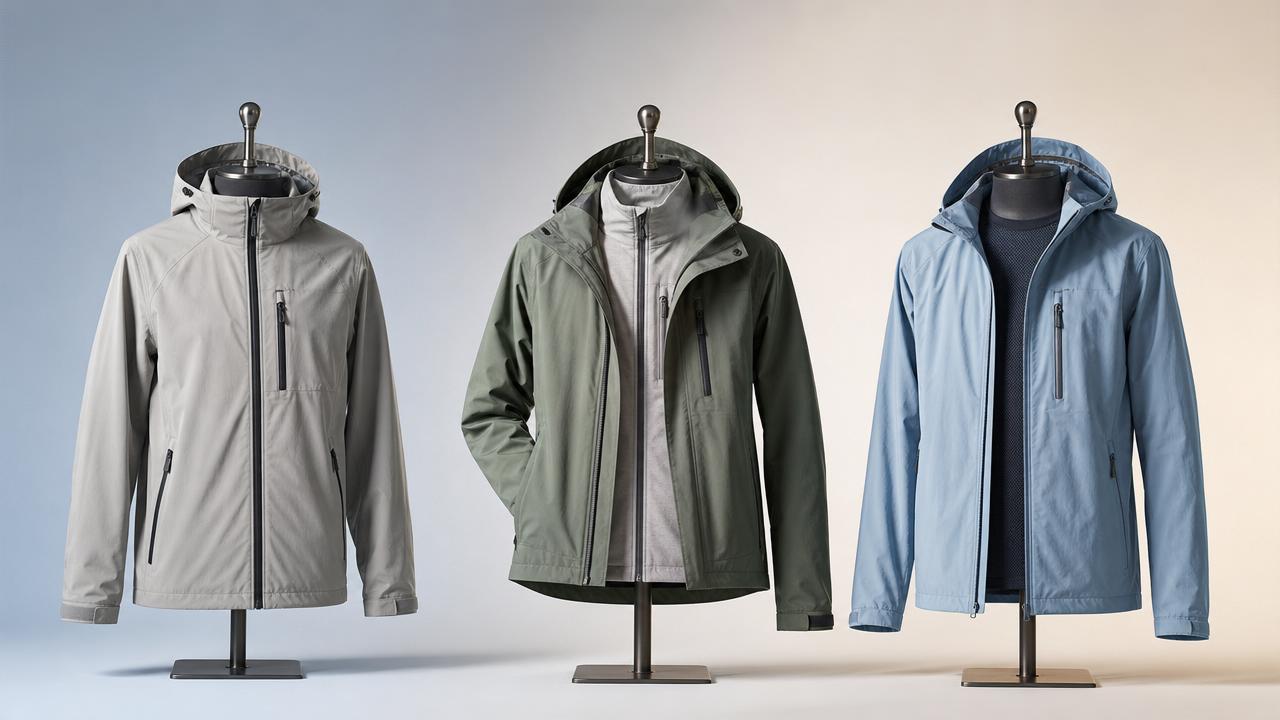
In practice, this means jackets, base layers, and hybrid outerwear must perform across more varied settings.
A commuter may want trail-grade weather protection without looking overly technical in the city.
A weekend hiker may accept slightly higher weight, but not poor thermal balance or awkward packability.
That is why consumer upgrade matters beyond fashion cycles.
It connects product design, material selection, craftsmanship, testing standards, and supply chain response speed.
From the perspective of GLC, the key shift lies in linking global aesthetics with manufacturing logic.
Outdoor apparel now sits at the intersection of textile science, lifestyle design, and responsible sourcing.
The result is clear: consumer upgrade raises the threshold for what counts as real product value.
Why Similar Outdoor Pieces Face Different Demands
At first glance, many outdoor garments appear to solve the same problem.
They promise weather resistance, mobility, durability, and comfort.
Yet consumer upgrade makes these broad claims less useful.
What matters is how performance is prioritized in a specific wearing context.
Urban mobility often values noise reduction, silhouette, stain resistance, and easy care.
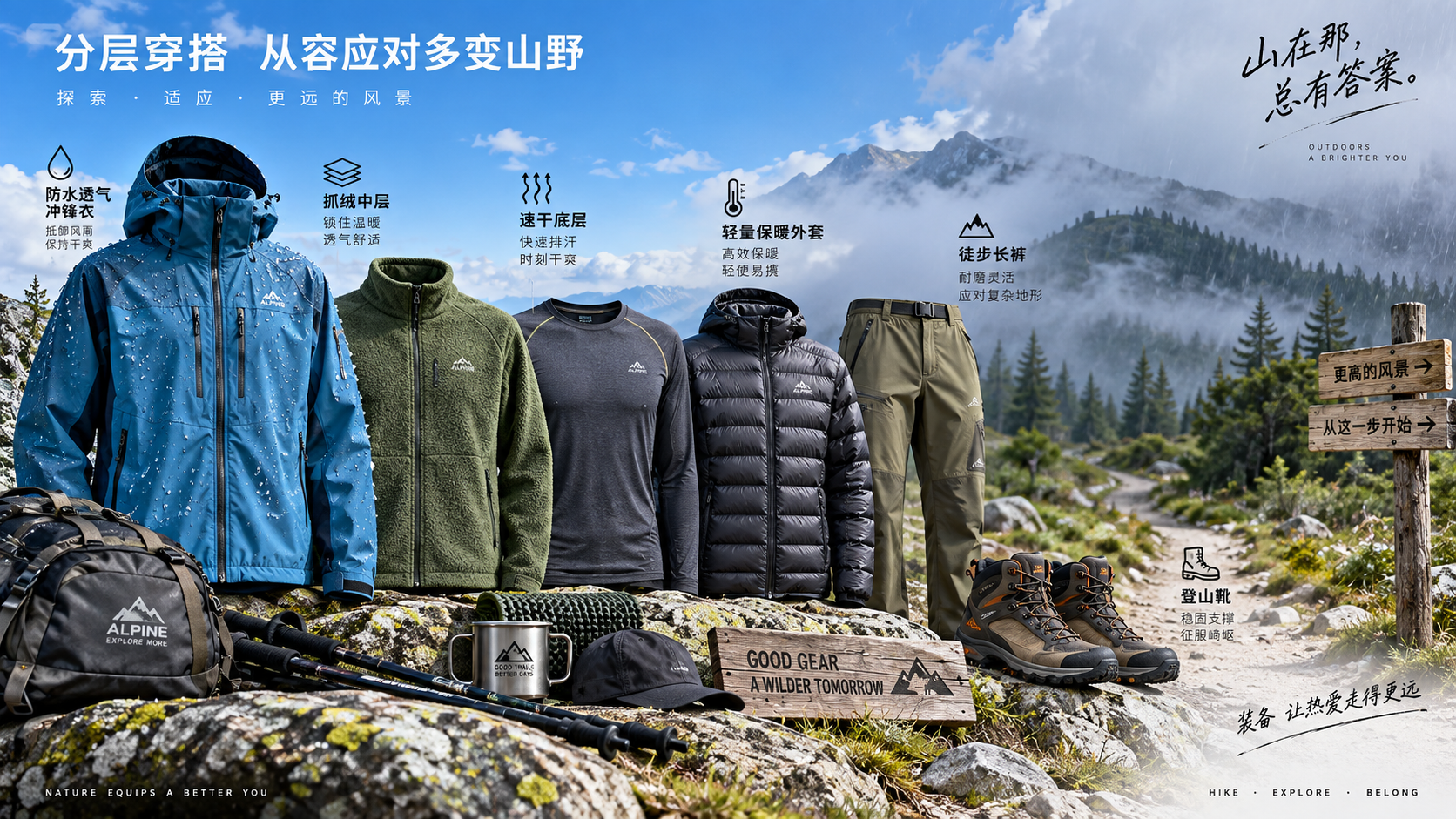
Mountain or expedition use places more weight on moisture transport, seam integrity, and layering efficiency.
Resort and lifestyle travel can shift attention toward packability, wrinkle recovery, and visual versatility.
This is where many teams misread the market.
They treat outdoor apparel as a category, not as a set of distinct use conditions.
Consumer upgrade pushes the opposite approach.
It rewards products that interpret scene-specific behavior, not just technical specifications.
A practical way to read the shift
- Look at wear duration, not only climate rating.
- Check movement intensity, not only fabric strength.
- Balance visual appeal with maintenance expectations.
- Compare replacement cycles with actual craftsmanship durability.
Where Consumer Upgrade Shows Up Most Clearly
In actual application, the strongest signals appear in blended lifestyles.
People no longer separate technical wear and daily wear as strictly as before.
That creates several important outdoor apparel scenarios.
City-to-outdoor transitions
This is one of the most influential consumer upgrade patterns.
Garments must move from transit, office-adjacent routines, and short outdoor activity without feeling overbuilt.
Here, laminated fabrics may still matter, but hand feel and drape become equally important.
A harsh shell with strong membrane performance can fail if everyday comfort feels compromised.
Weekend hiking and light exploration
This segment values reliability, but usually avoids extreme specialization.
Consumer upgrade in this setting means more informed selection rather than pure luxury.
People compare ventilation structure, pocket usability, anti-abrasion zones, and drying speed.
They want visible function, yet they also expect a polished finish and better fit engineering.
Camping, glamping, and social outdoor scenes
This area shows how aesthetics can alter performance priorities.
Outdoor apparel in these moments is often worn for long, low-intensity periods.
Thermal comfort, touch, style coordination, and photo-friendly colorways may outweigh alpine-level performance.
Consumer upgrade here favors refined craftsmanship and material storytelling.
Water-adjacent and humid environments
Not all water-related wear needs heavy waterproof construction.
In many cases, fast drying, odor control, UV protection, and stretch recovery matter more.
This is another area where consumer upgrade reshapes material decisions.
The better solution may be a lighter textile system with smarter finishing, not a thicker fabric.
Different Scenarios Change the Judgment Criteria
A useful comparison is to map what each scene actually rewards.
That avoids assuming every consumer upgrade trend points to the same product answer.
The table also shows why consumer upgrade is not simply about higher specifications.
It is about better fit between expectation and usage reality.
Material and Craftsmanship Choices Now Carry More Weight
GLC often reads outdoor apparel through both aesthetic and industrial standards.
That lens becomes especially useful under consumer upgrade pressure.
Consumers may not quote lab data, yet they quickly detect weak finishing or inconsistent assembly.
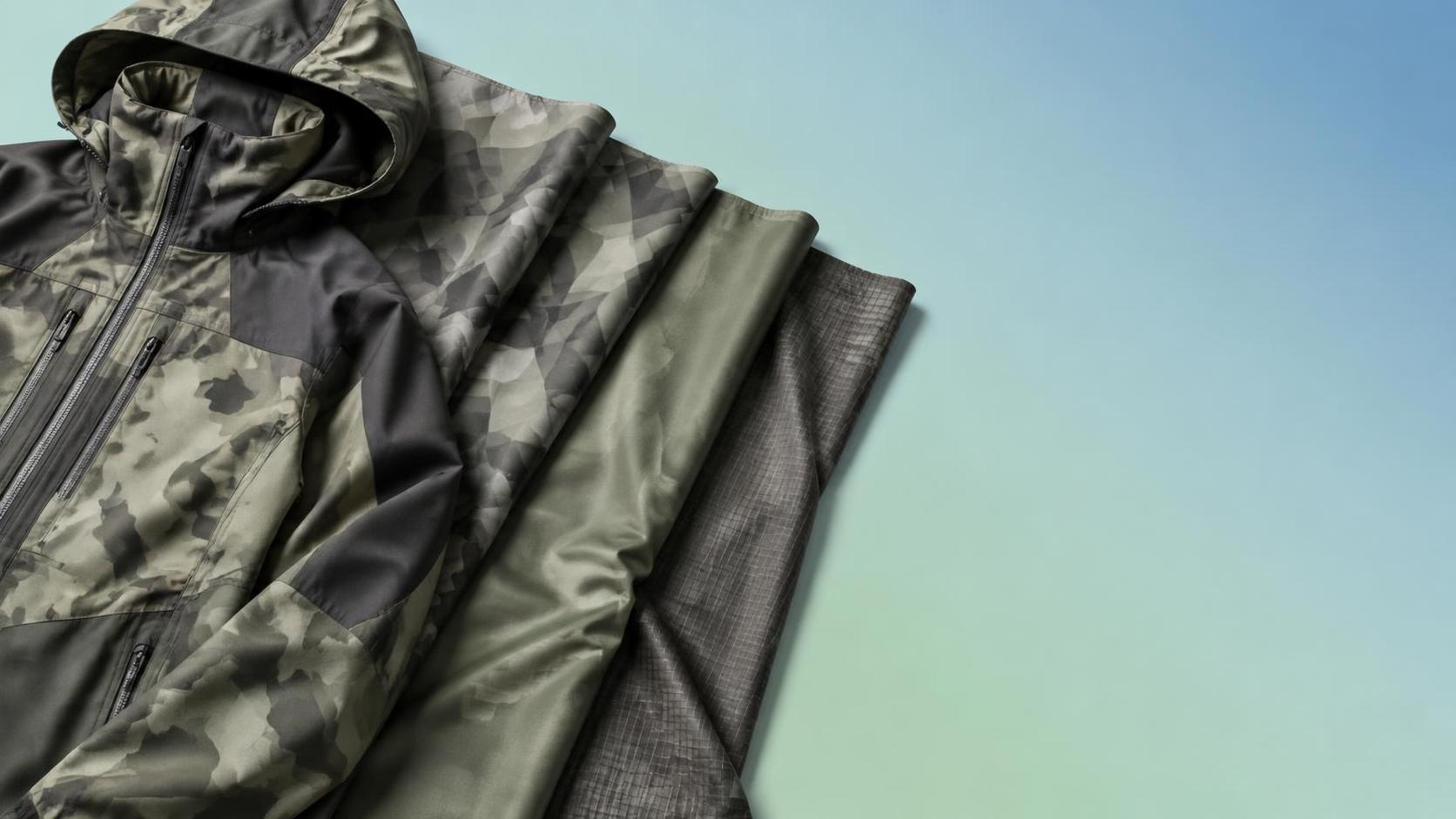
Bonding quality, seam bulk, zipper tactility, and lining choice affect perceived value immediately.
Sustainable fibers also matter, but only when performance remains credible.
A recycled fabric with unstable abrasion behavior can damage trust faster than it builds image.
In outdoor apparel, consumer upgrade often rewards craftsmanship that feels invisible.
The piece looks cleaner, wears longer, and performs without calling attention to itself.
What deserves closer validation
- Whether membrane claims match actual breathability in layered wear.
- Whether eco-finishes survive repeated washing and abrasion.
- Whether trims and accessories suit wet, cold, or salty exposure.
- Whether pattern engineering supports mobility without oversized silhouettes.
Common Misreads When Following Consumer Upgrade
One common mistake is equating consumer upgrade with premium pricing alone.
In outdoor apparel, upgrades are often judged through usefulness, comfort, and confidence in repeat wear.
Another misread is overvaluing a single metric.
Waterproof numbers may look strong, while ventilation, noise, and layering comfort remain poor.
There is also a supply-side blind spot.
A design can satisfy trend language but fail because lead times, finishing consistency, or repairability are weak.
Consumer upgrade increases scrutiny across the whole lifecycle.
That includes packaging, traceability, care burden, and end-of-season durability.
Perhaps the easiest mistake is assuming adjacent outdoor scenes are interchangeable.
They are not.
A good camping jacket may feel too warm for active hiking.
A sleek commuter shell may underperform during long exposure and high exertion.
Better Adaptation Starts with Clearer Scenario Mapping
The most useful response to consumer upgrade is disciplined scenario mapping.
That means defining where the garment will be worn, how long, under which activity level, and with what care expectations.
It also means aligning design ambition with real production capability.
For outdoor apparel, a strong next step usually includes five checks.
- Separate urban, travel, hiking, and leisure-outdoor use cases.
- List the top three wear conditions that truly shape performance.
- Compare aesthetic goals with textile and trim limitations.
- Review maintenance burden, not just first-use appeal.
- Test whether craftsmanship quality remains stable at scale.
Consumer upgrade will keep pushing outdoor apparel toward smarter integration.
Performance, sustainability, and visual culture now move together.
The better decisions usually come from reading those forces by scene, not by slogan.
That approach is where design thinking and craftsmanship begin to create lasting value.