Apparel Manufacturing Delays: Common Causes and Practical Fixes


Apparel Manufacturing Delays: Common Causes and Practical Fixes
Apparel manufacturing delays can quietly turn a solid launch plan into a firefighting exercise.
Lead times stretch, air freight costs rise, and supplier trust gets tested.
In most cases, the delay is not caused by one dramatic event.
It usually builds from small issues across sourcing, sampling, planning, and production control.
That is why effective apparel manufacturing depends on visibility, timing discipline, and faster decisions.
For teams managing complex calendars, practical fixes matter more than broad theory.
The sections below break down where apparel manufacturing delays start and how to prevent them from spreading.
Why Apparel Manufacturing Delays Happen So Often
Apparel manufacturing involves many moving parts that must align at the right time.
Fabric mills, trim suppliers, pattern teams, sewing lines, washing units, and logistics partners all affect delivery.
A delay at one point often creates a ripple effect across the rest of the schedule.
More importantly, some risks remain hidden until production is already under pressure.
This is common in apparel manufacturing when teams rely on optimistic timelines or incomplete status updates.
From a project control perspective, the real problem is weak early warning.
When risk signals appear late, every fix becomes more expensive and less effective.
The Most Common Delay Triggers
- Late fabric booking or raw material shortages.
- Sampling mistakes that force repeated approvals.
- Frequent style changes after production planning starts.
- Factory capacity overload during seasonal peaks.
- Weak communication between brand, vendor, and factory teams.
- Quality failures discovered too late in the process.
- Shipping disruptions and incomplete export documentation.
Material Issues: The First Major Risk in Apparel Manufacturing
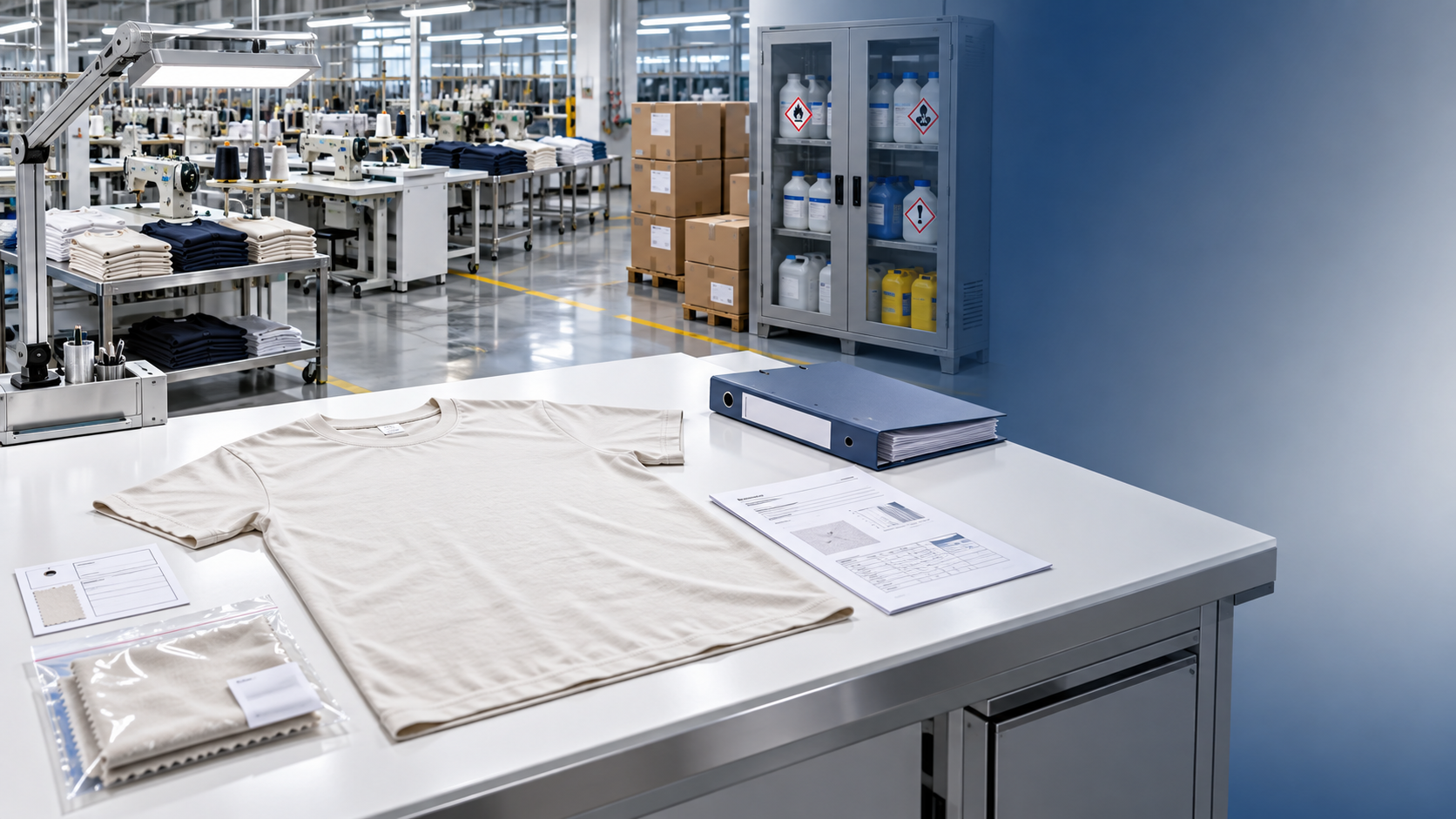
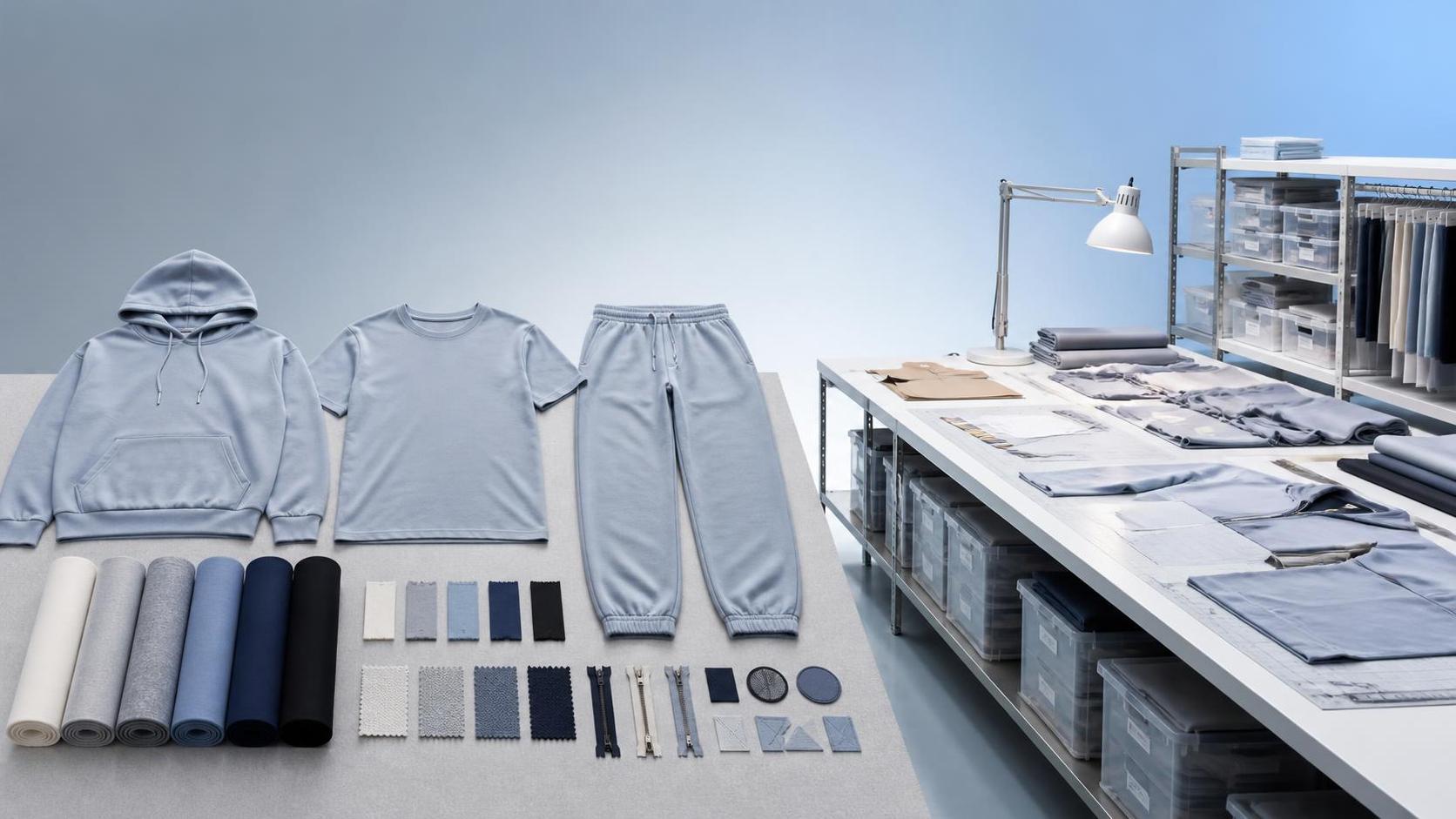
Fabric and trims are often the first source of delay in apparel manufacturing.
If material booking starts late, the rest of the calendar becomes fragile almost immediately.
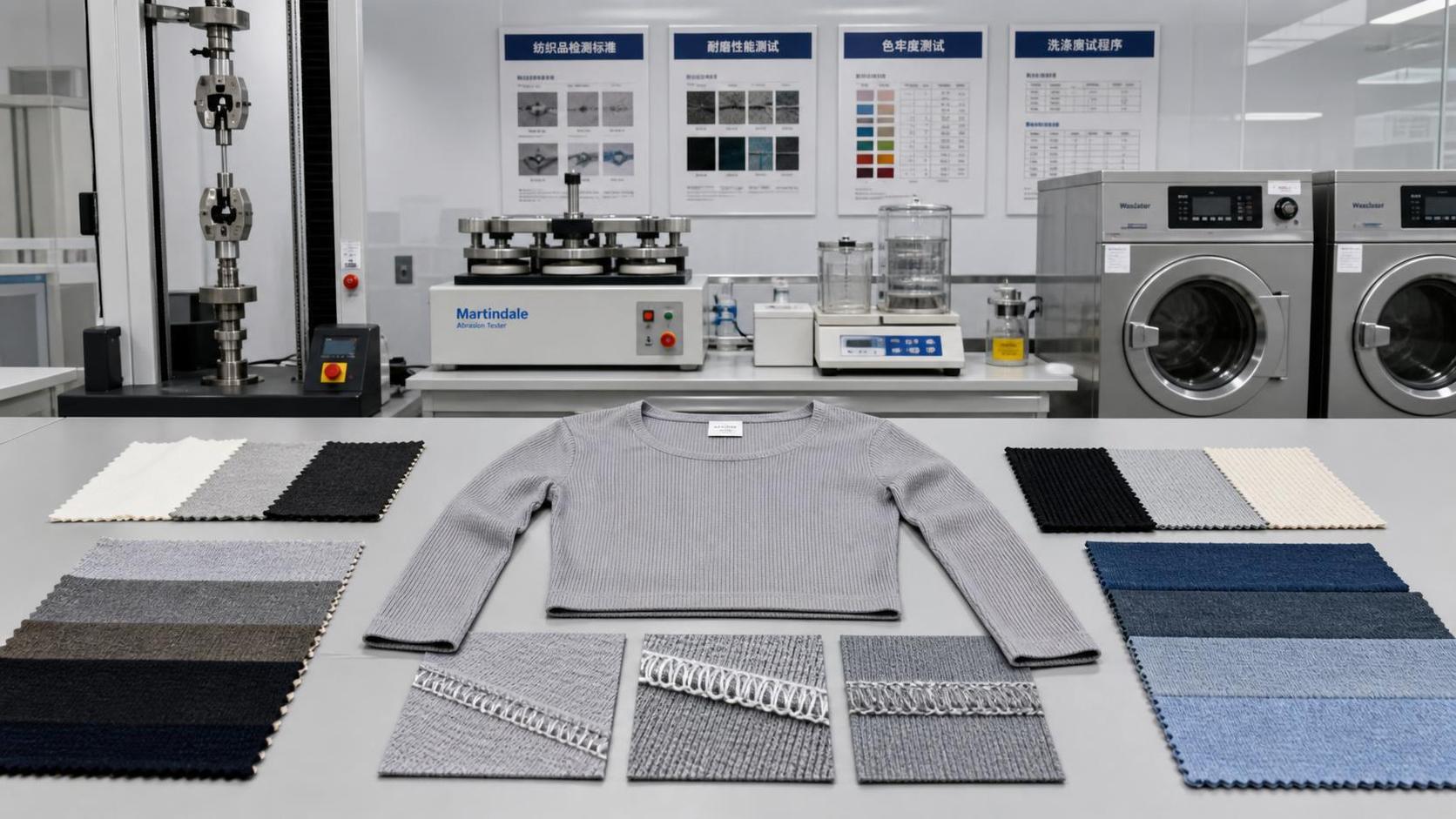
Even when material is available, color mismatch, shrinkage problems, or failed lab tests can stop progress.
This becomes more serious for seasonal collections and high-SKU programs.
A single late trim can hold an otherwise finished order.
Practical Fixes for Material-Related Delays
- Lock critical material specifications earlier than style approval.
- Rank materials by risk, not only by cost.
- Create backup sources for key fabrics, trims, and packaging items.
- Track lab dips, handlooms, and test reports with milestone dates.
- Reserve greige or base stock when demand volatility is high.
In real operations, the best apparel manufacturing teams do not treat every material equally.
They focus attention on long-lead, custom, and compliance-sensitive inputs first.
Sampling and Approval Bottlenecks
Many apparel manufacturing delays begin before bulk production even starts.
The sample room may finish on time, but approvals can still get stuck.
Comments may be vague, measurements may conflict, or decision makers may respond too slowly.
Repeated sample rounds consume line reservation time and weaken factory confidence.
By the time approval arrives, the original production slot may be gone.
How to Reduce Approval Delays
- Use one approval template for fit, construction, color, and workmanship comments.
- Set response deadlines for every sample stage.
- Escalate unresolved comments within twenty-four hours.
- Align technical packs, graded measurements, and reference photos before sample release.
- Limit post-approval style changes unless there is a clear business case.
Clearer approvals make apparel manufacturing more stable because factories can plan with confidence.
Capacity Constraints and Poor Production Planning
Factory overload is another frequent reason for apparel manufacturing delays.
This usually happens during peak seasons, promotional windows, or when too many styles are released together.
A factory may accept the order, yet lack enough skilled operators or balanced line layouts.
Complex garments need more than line space.
They need the right sewing capability, finishing support, and quality control coverage.
Planning Fixes That Actually Work
- Confirm line capacity using realistic SMV and learning curve assumptions.
- Separate basic styles from complex styles in the production plan.
- Reserve contingency capacity for urgent replacement or rework needs.
- Review weekly capacity loading with factory management, not only merchandisers.
- Phase order release instead of sending everything at once.
A more disciplined plan helps apparel manufacturing absorb disruptions without full schedule collapse.
It also improves negotiation strength when suppliers face competing priorities.
Communication Gaps Across the Supply Chain
Communication breakdown is one of the most underestimated causes of apparel manufacturing delays.
Teams may use different calendars, different document versions, or different assumptions about priorities.
A factory might believe a style is approved while the brand still expects changes.
That kind of mismatch wastes time fast.
In apparel manufacturing, unclear ownership often creates hidden delays before anyone notices the slip.
Simple Ways to Improve Coordination
- Maintain one shared action tracker with owner, deadline, and status.
- Use version control for technical packs and approved comments.
- Run short weekly risk reviews focused on exceptions, not generic updates.
- Define who can approve changes to cost, construction, and delivery dates.
- Document every decision that affects bulk production.
This sounds basic, but better communication often delivers the fastest improvement in apparel manufacturing performance.
Quality Problems That Surface Too Late
Late quality failures are expensive because they hit after time and labor are already invested.
In apparel manufacturing, this can mean seam issues, shade variation, printing defects, or measurement outliers.
When detection happens near final inspection, rework becomes much harder to schedule.
Sometimes the shipment leaves late even if the defect itself is fixable.
Quality Control Fixes for Faster Recovery
- Check workmanship standards before line loading begins.
- Use pilot runs for risky styles, fabrics, and washes.
- Inspect in-line quality daily instead of waiting for final audit.
- Track recurring defects by operator, process, and material batch.
- Prepare a rework path before peak production starts.
The goal is not just to catch defects, but to stop delay from spreading across the order book.
A Practical Delay Prevention Framework
Strong apparel manufacturing control depends on a repeatable operating rhythm.
The best teams combine milestone tracking, risk ranking, and fast escalation.
They do not wait for a missed ship date to begin managing the problem.
From a supply chain intelligence perspective, this approach creates better resilience across apparel manufacturing programs.
It also supports the broader shift toward more transparent and dependable global craftsmanship networks.
Final Takeaway
Apparel manufacturing delays rarely come from one isolated mistake.
They usually grow from weak coordination between material readiness, approvals, capacity, and quality control.
The practical fix is to build earlier visibility and quicker response into daily operations.
That means identifying critical risks sooner, assigning clear owners, and escalating issues before they affect shipment.
In today’s market, stronger apparel manufacturing performance is not only about speed.
It is about building a supply chain that can deliver quality, predictability, and trust at the same time.
Start with one shared risk tracker, one approval workflow, and one realistic capacity review cycle.