Apparel Manufacturing OEM: Cost, MOQ, and Quality Trade-Offs

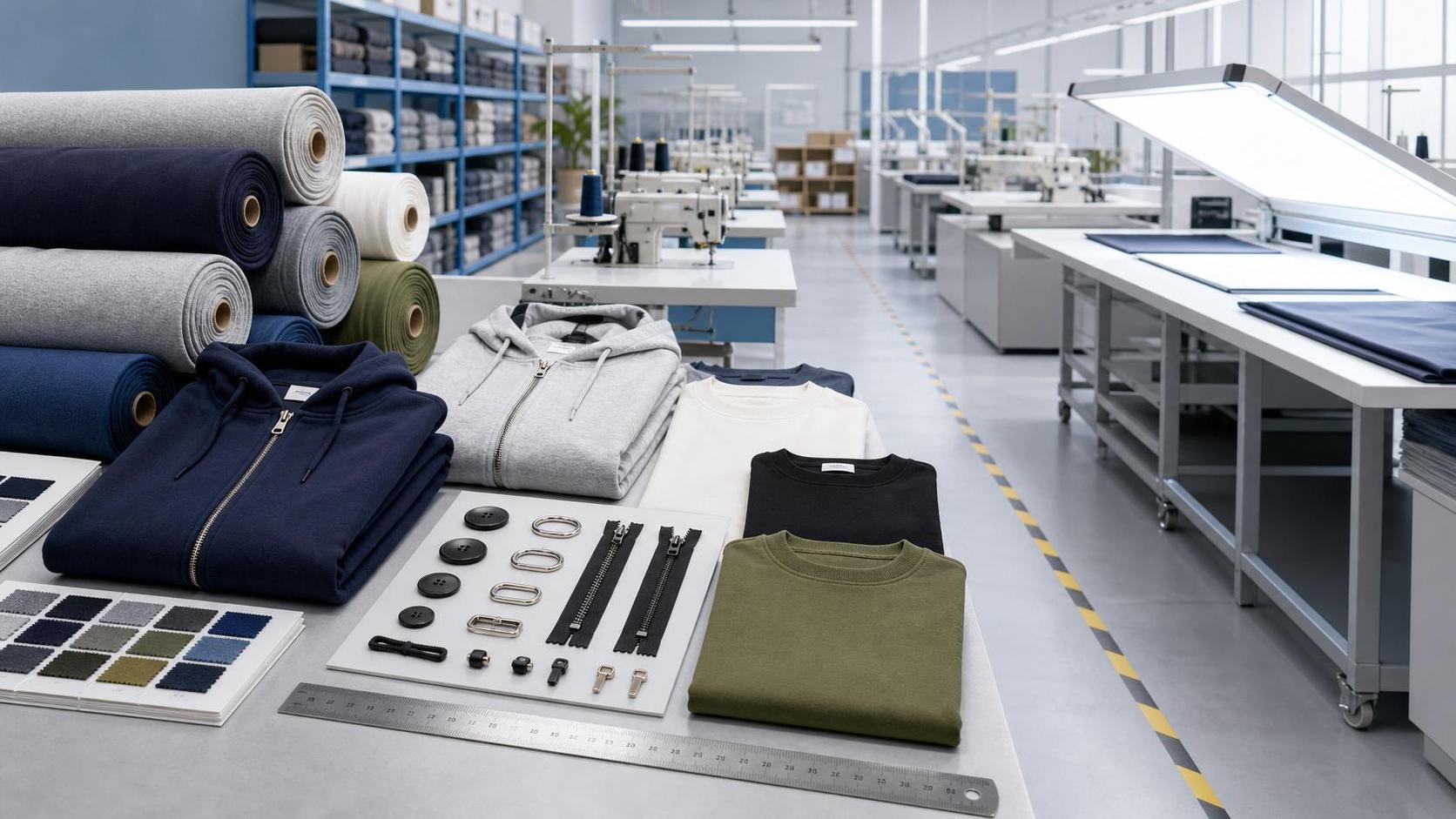
Choosing an apparel manufacturing OEM partner usually looks simple at first. Unit price, sample quality, and lead time seem enough. In practice, the real decision sits in the trade-off between cost, MOQ, and quality.
That trade-off affects inventory pressure, margin stability, and how confidently a collection can scale. It also shapes how well a supplier can translate design intent into repeatable production.
From the GLC perspective, the useful question is not only who can sew a garment. The stronger question is which apparel manufacturing OEM setup best connects aesthetics, materials, process control, and commercial reality.
Why does apparel manufacturing OEM become a trade-off instead of a simple price comparison?
Because OEM sourcing is a system decision. Fabric utilization, line efficiency, trim sourcing, testing standards, and defect tolerance all move together.
A low quote often assumes tighter tolerances on fabric variation, fewer process checkpoints, or simplified construction. That may work for basic styles. It becomes risky for washed, technical, tailored, or multi-material garments.
MOQ creates another layer. A higher minimum can lower cost per piece, but it raises inventory exposure. A lower MOQ improves flexibility, yet usually comes with weaker pricing and less production priority.
Quality is rarely independent. Better quality needs better inputs, clearer tech packs, stronger inline inspection, and more experienced operators. Each of those adds cost or time.
This is why apparel manufacturing OEM evaluation should focus on fit, not just headline numbers. The cheapest option can become the most expensive after rework, claims, or markdowns.
When is a higher MOQ actually the smarter decision?
A higher MOQ makes sense when demand is predictable and materials are stable. Core basics, repeat uniforms, schoolwear, and replenishment programs often fall into this category.
In those cases, larger runs improve marker efficiency, reduce fabric waste, and spread setup cost across more units. Dyeing, printing, embroidery, and packaging also become more economical.
The smarter judgment is whether volume supports process consistency. An apparel manufacturing OEM factory can control shade, fit, and sewing balance more easily when production is stable and continuous.
However, high MOQ becomes dangerous when forecasts are weak. Fashion-led capsules, seasonal color tests, or influencer-led drops usually need flexibility more than the lowest nominal cost.
A practical way to think about MOQ is simple. Do not ask whether the minimum is high. Ask whether the volume matches sales confidence, replenishment speed, and SKU complexity.
A quick judgment table for MOQ, cost, and quality balance
The table below helps compare common apparel manufacturing OEM situations before moving into sampling or price negotiation.
How should quality be judged beyond a nice sample?
A showroom sample proves possibility. It does not prove production discipline. This is where many apparel manufacturing OEM decisions go wrong.
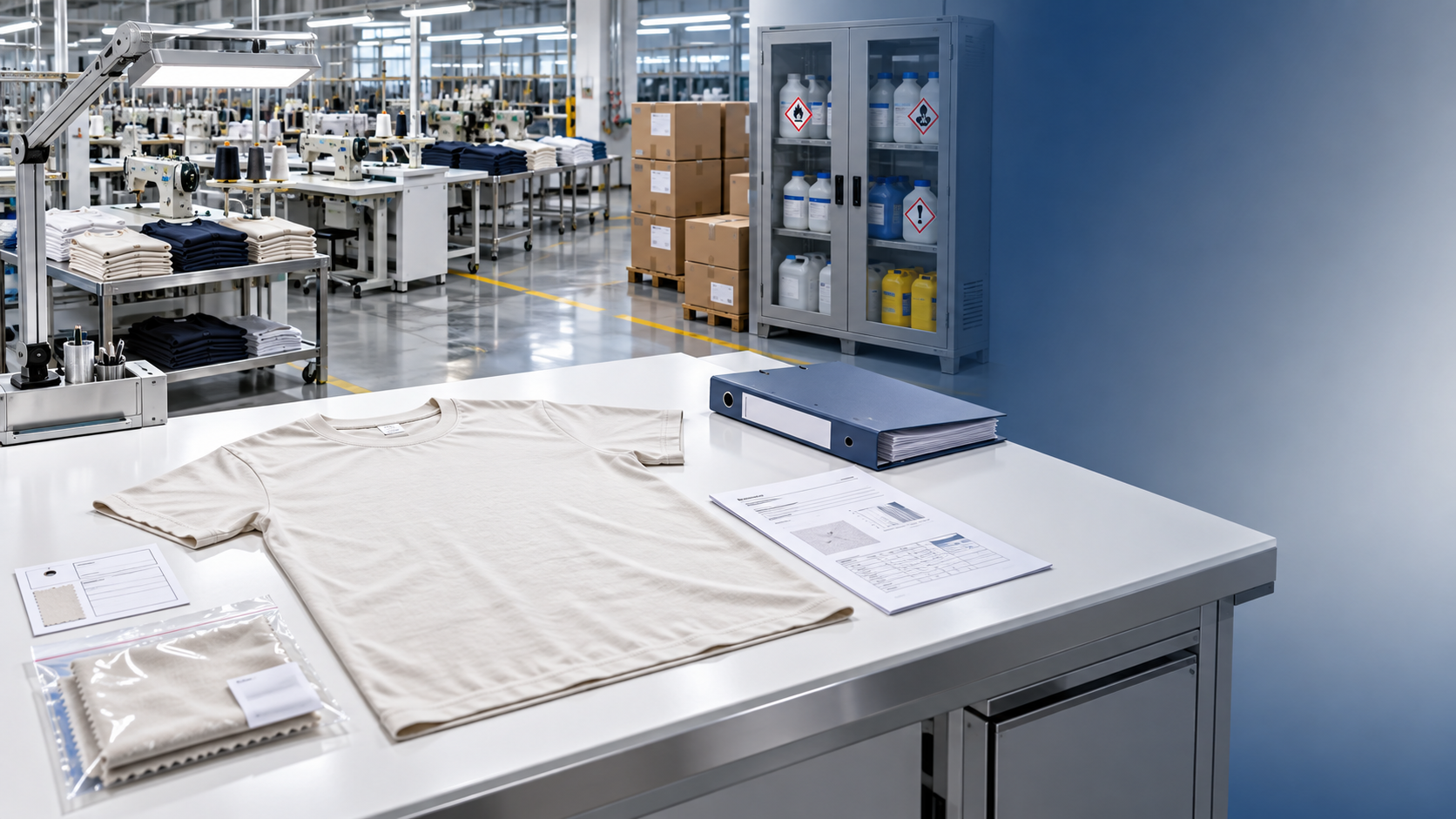
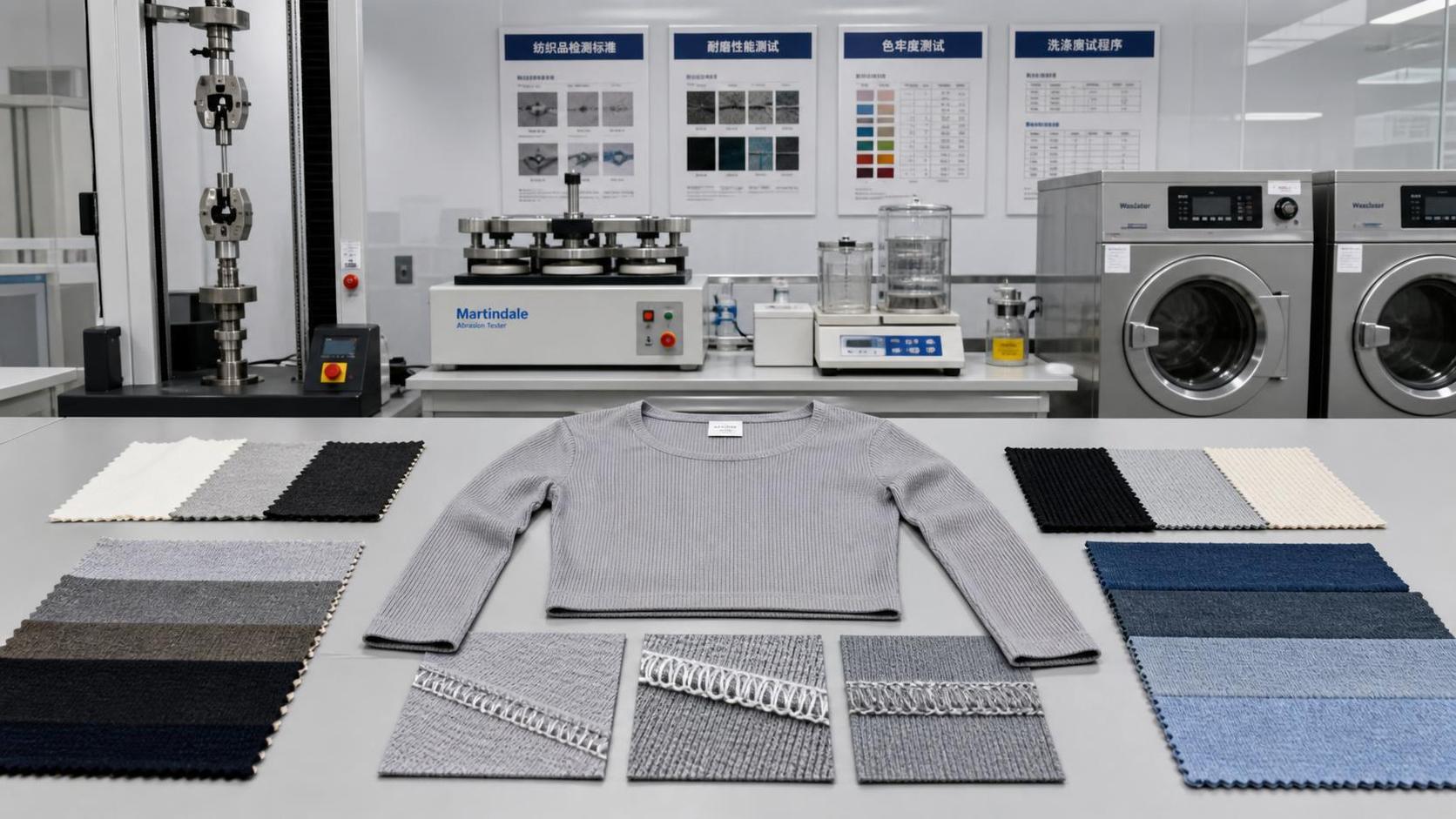
Real quality should be checked at four levels: material consistency, construction accuracy, process control, and shipment stability. A good supplier can explain each level with evidence.
- Material consistency: fabric weight, shrinkage, colorfastness, hand feel, and trim match across lots.
- Construction accuracy: seam strength, stitch density, pattern alignment, measurement tolerance, and finishing details.
- Process control: inline inspection records, needle policy, washing standards, and corrective action procedures.
- Shipment stability: carton accuracy, final AQL results, labeling compliance, and on-time dispatch performance.
In actual sourcing, one useful signal is how a factory handles deviation. Strong apparel manufacturing OEM partners do not hide problems. They define tolerance, isolate affected lots, and communicate a remedy fast.
This is also where GLC’s supply-chain lens matters. Quality is not only visual appeal. It is the repeatable translation of design, craftsmanship, and industrial standard into bulk goods.
If the quote is low, where do hidden costs usually appear?
Hidden cost rarely sits in one dramatic line item. It usually appears in small operational leaks that compound over a season.
The first leak is material substitution or uncontrolled variance. A lower fabric grade may still pass a first glance, but it changes pilling, drape, shrinkage, and return rate.
The second leak is rework. Loose tolerances, unstable printing, uneven washing, or poor measurement control can force sorting, repair, or discounting after arrival.
The third leak is scheduling. Some apparel manufacturing OEM factories offer aggressive pricing, then delay small orders when larger accounts fill the line plan.
There are also compliance costs. Testing, social audits, packaging rules, and destination labeling may be omitted from early quotations, especially in cross-border sourcing.
A more realistic cost review should include these checkpoints:
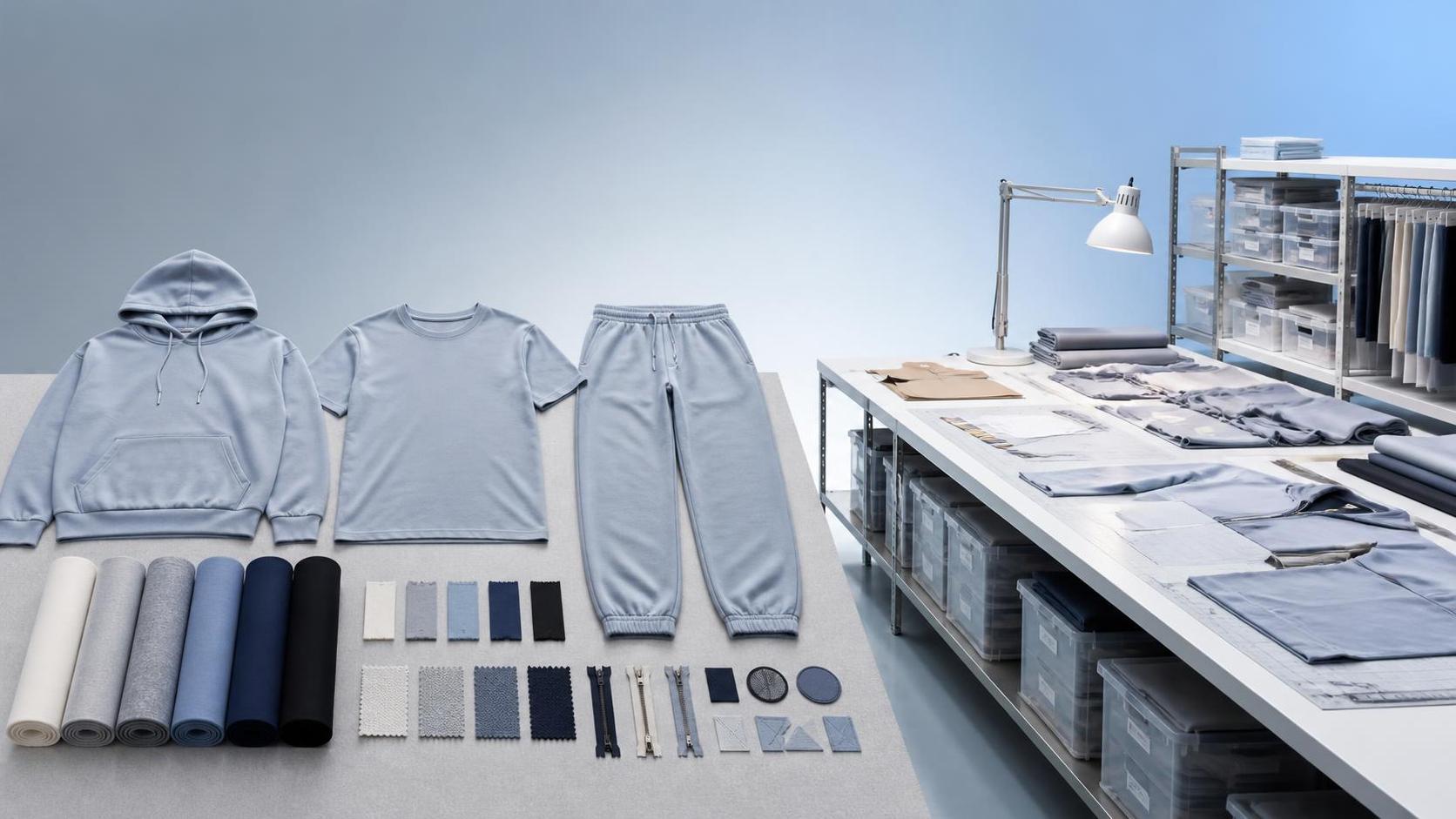
- Fabric and trim standards confirmed by written spec.
- Sampling rounds included or charged separately.
- Testing, certification, and inspection scope defined early.
- Packing method and labeling responsibility clarified.
- Delay penalties or remake responsibility discussed before PO release.
What kind of apparel manufacturing OEM partner fits different product strategies?
Not every factory should serve every product line. The better match depends on style complexity, speed requirements, and how much brand value sits in finish and feel.
For price-sensitive basics, process discipline matters more than creative development. A factory with strong throughput, stable sewing lines, and material planning may outperform a more design-oriented supplier.
For fashion-forward collections, development capability becomes more important. Pattern interpretation, wash experimentation, embellishment control, and sample communication make a real difference.
For functional apparel, the apparel manufacturing OEM partner should show more than sewing skill. Seam sealing, laminated fabric handling, performance testing, and traceable component sourcing become central.
Across sectors like apparel, footwear-adjacent soft goods, outdoor wear, and lifestyle products, the strongest sourcing decisions often come from comparing manufacturing logic, not only category labels.
That broader view reflects how GLC reads modern soft industry supply chains. A garment is part design object, part engineered process, and part inventory asset. The OEM partner has to support all three.
What are the most common mistakes when comparing OEM suppliers?
One common mistake is comparing quotes built on different assumptions. If GSM, shrinkage standard, trim source, or packing method differ, the comparison is already distorted.
Another mistake is treating MOQ as a negotiation problem only. In reality, MOQ often comes from mill minimums, color batching, print setup, or line efficiency.
A third mistake is overvaluing speed in development while ignoring bulk execution. Fast replies and nice samples are useful, but they do not replace production control.
More subtle errors include approving samples without a sealed standard, skipping pre-production meetings, or failing to define measurement tolerance and defect classification.
A disciplined comparison usually asks the same five things of every apparel manufacturing OEM candidate:
How should the final decision be made when cost, MOQ, and quality pull in different directions?
The cleanest method is to rank business priorities before negotiating. If sell-through uncertainty is highest, flexibility may deserve more weight than unit cost.
If the product supports premium positioning, quality consistency should outrank an aggressive quote. If replenishment reliability matters most, capacity planning and lead-time discipline should move to the top.
A useful apparel manufacturing OEM decision framework includes commercial fit, technical fit, and operational fit. When one of those is weak, the relationship usually becomes expensive later.
Before placing volume, lock a standard sample, confirm testing and inspection, validate MOQ logic, and map the total landed cost. Then stress-test the supplier with one realistic order scenario.
The strongest sourcing choice is rarely the factory with the lowest number on the sheet. It is the apparel manufacturing OEM partner whose process matches product intent, forecast confidence, and quality expectation.
That is the practical next step: define what cannot fail, compare suppliers against that standard, and let price compete only after the production model makes sense.