Apparel Production Cost Drivers in 2026


In 2026, apparel production costs are being reshaped by a complex mix of labor shifts, energy volatility, material innovation, compliance pressure, and supply chain restructuring. For procurement professionals, understanding these cost drivers is essential to balancing margin control, quality consistency, and sourcing resilience. This article breaks down the key forces behind apparel production pricing so buyers can make smarter, faster, and more strategic decisions.
For sourcing teams, the challenge is no longer finding the lowest quote. It is evaluating total landed cost, supplier adaptability, risk exposure, and production stability across 2 to 4 sourcing cycles. In apparel production, a factory with a 6% higher FOB price may still deliver better value if it reduces delays, defect rates, and compliance failures.
As global demand patterns become less predictable, buyers in textiles, fashion, outdoor wear, and lifestyle goods need sharper cost visibility. That includes labor efficiency, raw material substitution, trim complexity, wash processes, packaging, logistics, and the hidden expense of fragmented orders. For procurement managers, the real advantage lies in knowing which cost drivers are structural and which are negotiable.
The Primary Cost Drivers Reshaping Apparel Production in 2026
In 2026, apparel production costs are influenced by at least 5 core variables: labor, energy, materials, compliance, and supply chain design. These factors rarely move in isolation. A shift in one area, such as power cost, often impacts dyeing, finishing, lead time, and ultimately the final purchase price.
Labor costs are rising, but productivity gaps matter more
Wage inflation remains a major issue across major sourcing hubs. In many manufacturing markets, annual labor adjustments of 5% to 12% are becoming common, especially where social insurance, overtime rules, and retention pressure are tightening. However, the hourly wage alone does not explain actual apparel production cost.
A factory producing 1,200 pieces per line per day may outperform a lower-wage facility making only 850 pieces with higher rework. Procurement teams should compare SAM efficiency, absenteeism, training levels, and operator versatility. For fashion basics, a 3% to 5% productivity difference can offset part of a wage increase.
What buyers should verify
- Average line efficiency over the last 3 to 6 months
- Worker turnover rate by sewing section and finishing section
- Overtime dependence during peak season
- Skill depth for multi-style or small-batch production
Energy and utility costs increasingly affect conversion cost
Energy is now a direct pricing variable, especially in mills and factories running dyeing, washing, coating, lamination, quilting, or heat-setting. Electricity, steam, gas, and water treatment costs can fluctuate sharply over a 30 to 90 day period. This volatility is particularly relevant for outerwear, knitwear, denim, and performance apparel production.
When production includes wet processing, utilities may represent 8% to 18% of conversion cost. For cut-and-sew operations with minimal finishing, the impact may be closer to 2% to 5%. Buyers should separate utility-heavy styles from low-processing styles instead of applying one blanket cost assumption across the whole program.
Material innovation creates both savings and new cost pressure
Raw materials remain the largest cost block in most apparel production programs, often accounting for 35% to 60% of FOB value depending on category. In 2026, the situation is more complex because brands are balancing recycled content, bio-based fibers, traceability, and performance requirements.
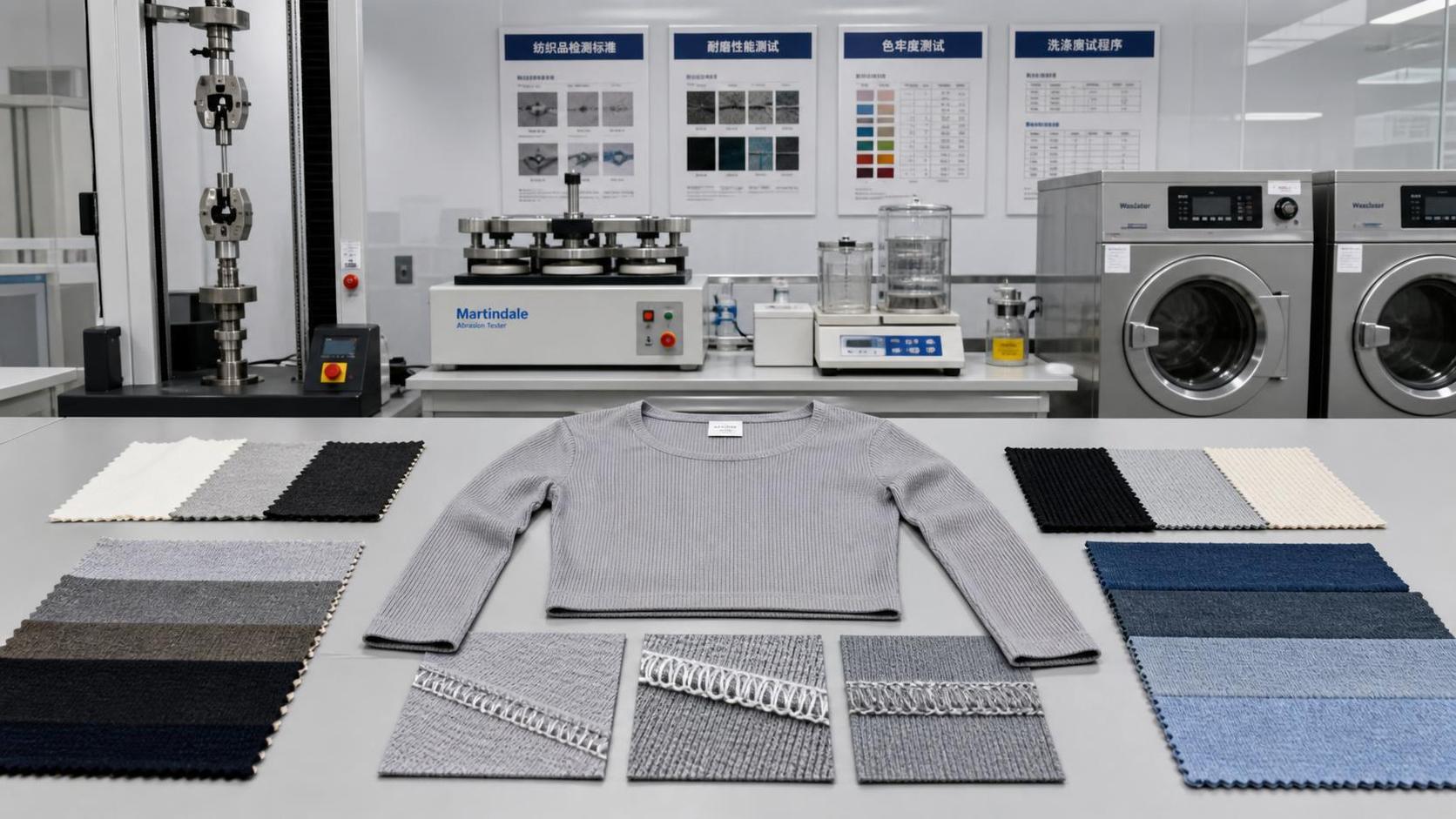
Sustainable materials do not always cost more, but they often require new testing, revised MOQs, or limited supplier availability. Recycled polyester, organic cotton, and regenerated cellulosics can change yield, shrinkage control, colorfastness, and lead time. A cheaper fabric quote may create added cost through lower marker efficiency or more frequent lab dips.
The table below shows how common cost drivers affect different parts of apparel production and what procurement teams should monitor during quotation and supplier review.
The key takeaway is that procurement should not isolate FOB from process risk. In many cases, cost pressure enters upstream through materials and downstream through compliance or delivery penalties. Better sourcing decisions come from mapping cost drivers at style level rather than vendor level alone.
Compliance costs are becoming operational, not occasional
In 2026, compliance is no longer limited to annual audits. More buyers now require chemical management records, traceability by batch, wastewater documentation, social accountability follow-up, and subcontractor disclosure. These requirements add labor hours, testing costs, system upgrades, and in some cases slower onboarding of new suppliers.
For procurement teams, compliance cost should be treated as part of apparel production readiness. If a factory lacks document discipline or traceability controls, the apparent savings may disappear through delays, failed inspections, or restricted shipment windows. This is particularly critical for private label, retail programs, and export markets with tighter product stewardship expectations.
How Style Engineering and Order Structure Change Unit Cost
Not all cost increases come from external markets. In many apparel production programs, the style itself creates preventable cost escalation. Construction detail, pattern efficiency, color count, trim variety, and packaging specification can move unit cost by 4% to 15% even when fabric and labor rates stay stable.
Complexity costs often hide in trims, operations, and approvals
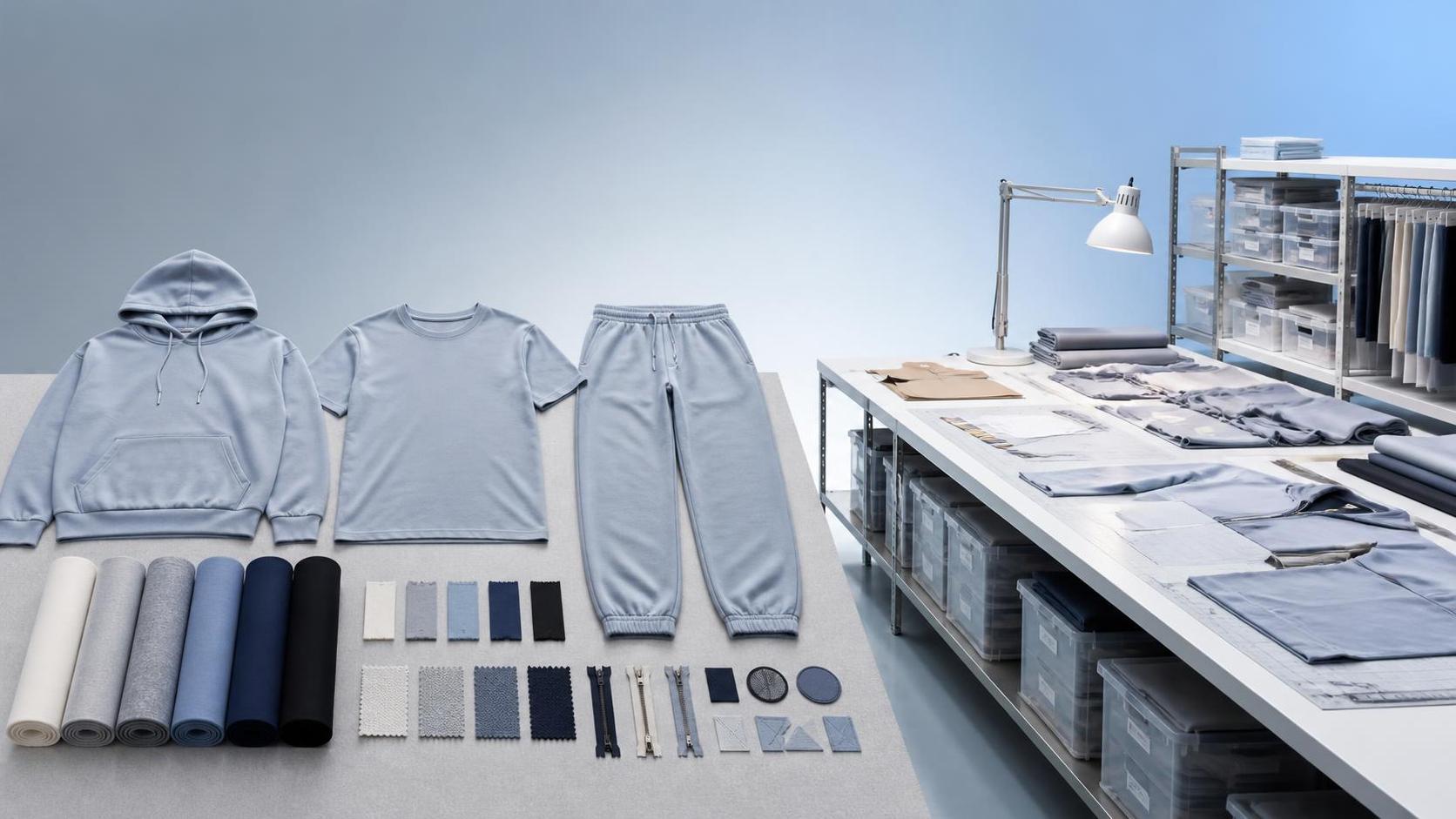
A garment with 18 sewing operations, 3 print placements, 2 zipper types, and 4 care-label versions is more expensive than a visually similar item with simplified construction. Buyers focused only on fabric price may overlook the cumulative effect of operation minutes, trim coordination, and sampling rounds.
For example, adding bonded seams, laser cuts, enzyme washes, or waterproof taping can increase both processing time and defect risk. In outdoor and functional apparel production, technical details improve performance but must be evaluated against sell-through expectations and target margin. Early cost engineering at development stage can save more than late-stage negotiation.
Four practical levers for procurement and development teams
- Reduce unnecessary trim variation across colorways.
- Consolidate labels, polybags, and carton specs where market rules allow.
- Review marker utilization before freezing fabric consumption.
- Set approval deadlines to avoid repeated sample and pre-production changes.
Order fragmentation raises the true cost per piece
A common 2026 issue is smaller, more frequent orders. Brands want flexibility, but fragmented volume raises setup cost, planning complexity, and material waste. An order of 12,000 pieces across 1 style and 2 colors behaves very differently from 12,000 pieces split into 6 styles, 8 colors, and staggered delivery dates.
In apparel production, lower MOQ programs can be useful, but they usually involve a price tradeoff. Small batches may require higher trim inventory risk, extra line changeovers, and more quality checkpoints. Buyers should ask suppliers where the breakpoints are: 300 pieces, 500 pieces, 1,000 pieces, or 3,000 pieces per color per style can each trigger different costing logic.
The comparison below helps procurement teams evaluate how order structure influences cost, lead time, and supplier efficiency in real sourcing scenarios.
This comparison shows that the cheapest order format on paper is not always the most efficient in execution. The best result often comes from aligning order architecture with the supplier’s production rhythm, technical capability, and material reservation model.
Lead time compression has a measurable price
Shorter lead times are attractive, but they usually come with extra cost. Expedited fabric booking, priority cutting, air shipment of trims, and overtime-based sewing can add 2% to 10% depending on category. Buyers should distinguish between standard lead time, fast-track lead time, and emergency recovery lead time.
For many suppliers, normal apparel production may run on a 45 to 75 day timeline from material confirmation to shipment. Compressing that to 25 to 35 days often requires capacity reservation or reduced style complexity. If speed is a recurring need, procurement should negotiate lead-time tiers instead of paying ad hoc rush premiums every season.
Sourcing Strategy: How Procurement Teams Can Control Cost Without Sacrificing Resilience
The strongest procurement strategy in 2026 is not aggressive price pressure alone. It is structured sourcing governance. That means clearer cost breakdowns, better supplier segmentation, earlier material decisions, and stronger collaboration between buying, development, and quality teams.
Build a should-cost framework for every major category
A should-cost model helps buyers test whether a quotation is driven by real inputs or broad buffering. For core apparel production categories, the model should include fabric, trim, CM, wash or finishing, testing, packaging, local transport, and expected defect allowance. Even a simple 7-line template can improve negotiation quality.
This is especially useful when comparing suppliers in different countries. One vendor may offer lower cut-make cost but higher fabric waste. Another may have higher quoted price but lower inspection failure and stronger on-time shipment performance. The decision should come from total cost over a season, not first-round quoting only.
A practical supplier review checklist
- Does the supplier provide transparent fabric consumption assumptions?
- Are trim MOQs aligned with forecast volume over 2 or more drops?
- What is the realistic defect allowance at inline and final inspection?
- Can the factory absorb design changes after PP approval without major disruption?
- How exposed is the production line to utility interruption or labor shortages?
Use supplier segmentation instead of one-size-fits-all sourcing
Not every supplier should handle every program. Strategic basics, seasonal fashion, technical outerwear, and low-MOQ test orders each require different strengths. Segmenting suppliers into 3 or 4 capability groups can reduce cost leakage and improve forecast reliability.
For example, a high-volume basics factory may offer superior efficiency at 10,000-plus pieces per style, while a flexible development partner may be better for 300 to 800 piece pilots. Mixing these roles can create avoidable cost in apparel production. Procurement teams should define what each supplier is expected to do best.
Information quality now affects cost as much as negotiation quality
Poor tech packs, delayed comments, unclear packaging instructions, and frequent revision cycles all generate hidden cost. In many sourcing programs, 1 or 2 avoidable approval loops can add several days and trigger knock-on effects across fabric booking and line planning. Better information flow is a direct cost-control tool.
For teams tracking market shifts through specialist intelligence platforms, even a reference point such as 无 can support broader benchmarking discussions around textiles, craftsmanship, and sourcing structures, provided the final decision still comes from supplier-level verification and internal cost modeling.
Three implementation priorities for 2026 buying cycles
- Lock critical materials 30 to 45 days earlier for continuity styles.
- Create dual-source plans for categories with high utility or compliance exposure.
- Review style complexity at development stage before cost negotiation begins.
Common Procurement Mistakes That Increase Apparel Production Cost
Even experienced buyers can lose margin through a few repeated sourcing habits. These mistakes usually do not appear in the first quote. They show up later through claim cost, missed launch windows, replacement orders, or supplier fatigue. Preventing them is often easier than negotiating another 1% discount.
Mistake 1: Comparing quotes without matching assumptions
A quote based on 60-inch usable width, 3% fabric waste, and standard packing cannot be fairly compared with one based on 58-inch width, 5% waste, and branded folding requirements. Buyers should normalize assumptions before comparing apparel production prices across vendors.
Mistake 2: Chasing low MOQ without calculating operational cost
Lower MOQ can support testing, but it often raises unit cost through trim overbuy, setup repetition, and lower line efficiency. If the replenishment probability is high, a slightly larger opening order may reduce the combined cost over 2 shipments.
Mistake 3: Treating compliance as separate from commercial negotiation
When compliance expectations are added after supplier selection, the factory may need to revise costing or extend lead time. Buyers should include traceability, testing, and audit expectations in RFQ documents from the start, especially for export-focused apparel production.
Mistake 4: Underestimating the cost of late design changes
A late switch in fabric, print scale, hardware color, or carton rule can affect material booking, testing, and line scheduling. In tight calendars, one late revision can force expedited freight or dropped capacity. The cost impact is rarely visible in the original vendor quote but appears in delivery recovery expense.
Apparel production cost management in 2026 depends on visibility, not guesswork. Labor, utilities, materials, compliance, style complexity, and order architecture all shape the final unit price. Buyers who connect these variables early can protect margin while improving supplier stability and delivery confidence.
For procurement teams working across textiles, fashion, lifestyle, and functional product categories, the best next step is to build clearer cost models, strengthen supplier segmentation, and evaluate sourcing decisions through total value rather than initial quote alone. To refine your buying strategy, get a tailored sourcing review, consult detailed production benchmarks, or explore more solutions for smarter apparel production planning today.