Fast Fashion Supply Chain Risks to Watch in 2026

In 2026, the fast fashion supply chain will face deeper pressure across sourcing, compliance, logistics, and product delivery. Risk is no longer limited to missed vessels or unstable prices. It now includes traceability blind spots, carbon reporting gaps, labor compliance exposure, and regional policy shocks. For businesses connected to textiles, apparel, gifts, interiors, and lifestyle products, stronger risk visibility is becoming a practical requirement rather than a strategic option.
This matters because the fast fashion supply chain increasingly overlaps with broader lifestyle industries. Fabric mills, trim makers, packaging providers, office textile suppliers, and outdoor product factories often share capacity, materials, and shipping channels. When one disruption appears, its effects move across categories quickly. Understanding scenario-based risk helps protect timelines, quality consistency, and brand credibility.
Why scenario judgment matters in the fast fashion supply chain in 2026
Not every risk affects every operating model equally. A nearshore capsule launch faces different exposure than a globally sourced, high-volume seasonal program. A recycled fiber collection has different data needs than a basics line using conventional blends. The fast fashion supply chain must therefore be assessed by scenario, not by generic trend lists.
Scenario judgment improves decision quality in three ways. First, it clarifies which risks can stop delivery. Second, it reveals where cost increases are temporary or structural. Third, it shows which compliance and data gaps can damage market access later. In 2026, this layered view will separate reactive planning from resilient execution.
Scenario 1: Raw material volatility reshapes sourcing windows
Cotton, polyester, regenerated cellulose fibers, dyes, and chemical inputs remain vulnerable to weather stress, energy costs, and regulation. In the fast fashion supply chain, short product cycles leave little room to absorb raw material disruption. A small delay at fiber or yarn level can compress sampling, booking, and final production.
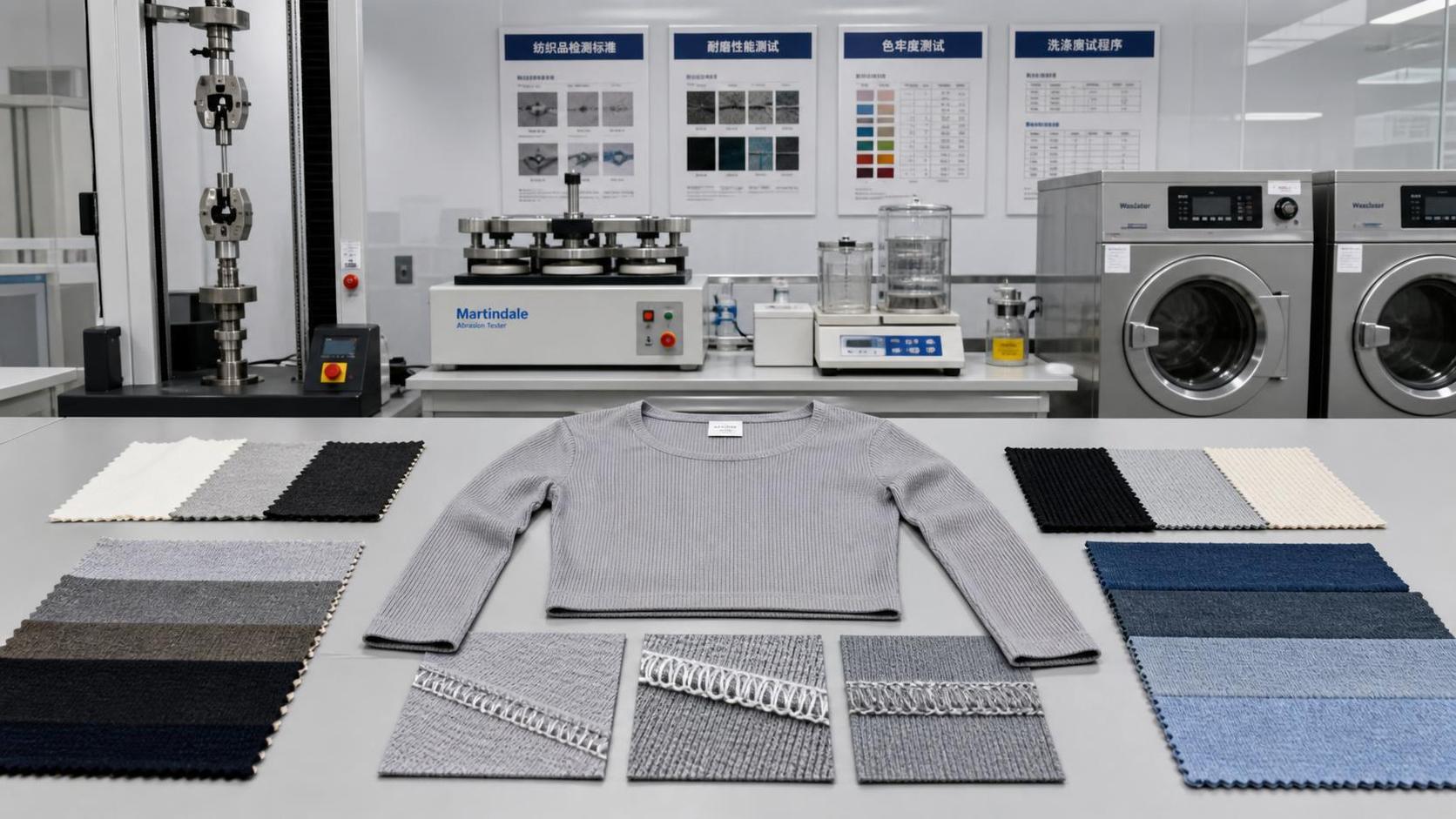
The key judgment point is not only price movement. It is whether material substitution can happen without harming hand feel, colorfastness, fit behavior, or certification claims. When substitution is poorly controlled, quality problems often emerge after launch rather than before shipment.
Signals worth tracking
- Repeated lead time extensions from yarn and fabric mills
- Unexpected minimum order quantity increases
- Higher rejection rates in lab dips or bulk shade approvals
- Certification delays for recycled or organic claims
Scenario 2: ESG and labor compliance become market access risks
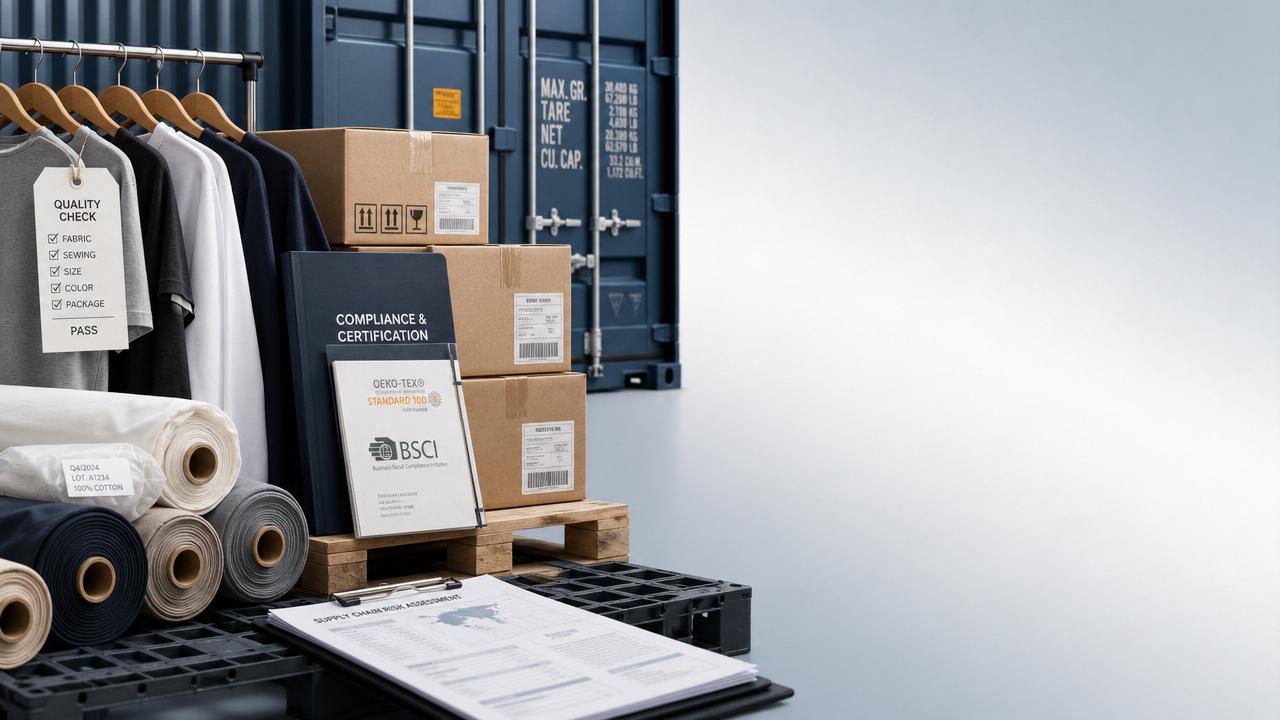
In 2026, the fast fashion supply chain will be judged more harshly on labor practices, wage transparency, wastewater controls, and carbon disclosure. This is especially important in apparel, footwear, home textiles, and gift products that rely on multi-tier subcontracting. A compliant Tier 1 factory does not guarantee a compliant lower-tier network.
The critical scenario appears when production is shifted rapidly to recover delivery time. Emergency capacity often introduces unapproved units, weak documentation, and inconsistent worker records. That creates legal and reputational exposure, even when finished goods appear acceptable on arrival.
Core judgment points
- Whether subcontracting rules are auditable in real time
- Whether social compliance data matches production peaks
- Whether carbon and water metrics are source-verifiable
- Whether packaging and accessory suppliers follow the same standards
Scenario 3: Digital traceability gaps disrupt speed and trust
The fast fashion supply chain depends on fast information as much as fast production. Yet many networks still manage purchase orders, testing records, shipping updates, and compliance files across disconnected systems. In 2026, this fragmentation will increase both operational delay and reporting risk.
The most dangerous case is false visibility. Dashboards may show on-time status while material approvals, chemical declarations, or carton readiness remain incomplete. Digital traceability should therefore be tested against physical process checkpoints, not treated as a reporting layer alone.
Where gaps usually appear
- Material origin records stop at fabric stage
- Testing reports are stored but not linked to specific lots
- Production milestones are updated manually and too late
- Logistics data is visible, but exception causes remain unclear
Scenario 4: Geopolitical and logistics shifts hit cross-category capacity
The fast fashion supply chain does not operate in isolation. Factories serving apparel may also support home textiles, soft furnishings, seasonal gifts, or outdoor accessories. When trade restrictions, port congestion, customs changes, or currency swings strike one corridor, shared capacity becomes unstable across categories.
The judgment point here is concentration. If a program relies on one country, one port, one nominated trim source, or one consolidation route, resilience is weak. Geographic diversification helps, but only when quality systems and engineering standards are aligned across sites.
How risk priorities change across operating scenarios
Practical adaptation strategies for 2026
A stronger fast fashion supply chain starts with prioritized controls, not more complexity. The most effective approach combines upstream visibility, scenario-based sourcing, and measurable exception management. The goal is not to remove all risk. It is to reduce surprise.
- Create material risk maps by fiber, dye class, and finishing dependency.
- Build approved backup sources before peak season starts.
- Link compliance records to actual production volume and dates.
- Use lot-level traceability for high-claim or high-risk programs.
- Separate critical path alerts from general dashboard updates.
- Test logistics alternatives by route, not only by freight cost.
Cross-industry learning also matters. Home textile and outdoor gear programs often use stricter durability and material documentation practices. These methods can improve apparel resilience, especially where coatings, performance finishes, or safety claims are involved.
Common misjudgments that weaken the fast fashion supply chain
One frequent mistake is treating speed as the only success metric. Fast turnaround without verified material readiness often creates expensive downstream correction. Another mistake is assuming supplier diversification alone solves concentration risk. If all backup suppliers rely on the same yarn source or port cluster, exposure remains high.
A third misjudgment is separating compliance from delivery planning. In 2026, the fast fashion supply chain will increasingly connect these two areas. Missing documentation, carbon data, or labor records can delay shipment as effectively as missing fabric can.
- Do not approve substitutions without testing end-use performance.
- Do not rely on Tier 1 visibility as proof of full transparency.
- Do not read on-time shipping as proof of healthy execution.
- Do not isolate packaging and trims from ESG review.
Next-step actions to build a more resilient fast fashion supply chain
The most useful next step is a scenario audit. Review current programs by material sensitivity, compliance depth, logistics concentration, and digital traceability maturity. This reveals which fast fashion supply chain risks are immediate and which require structural investment.
For organizations operating across textiles, apparel, interiors, gifts, and outdoor lifestyle products, integrated intelligence brings added value. Shared supplier data, craftsmanship insights, and practical quality standards support better decisions across categories. That is where GLC helps connect aesthetic ambition with manufacturing reality.
As 2026 approaches, the fast fashion supply chain will reward those who can judge risk by scenario, act early, and verify every critical assumption. Better visibility today creates stronger delivery, cleaner compliance, and more durable growth tomorrow.