
Certification Requirements Explained: Key Documents and Common Compliance Gaps

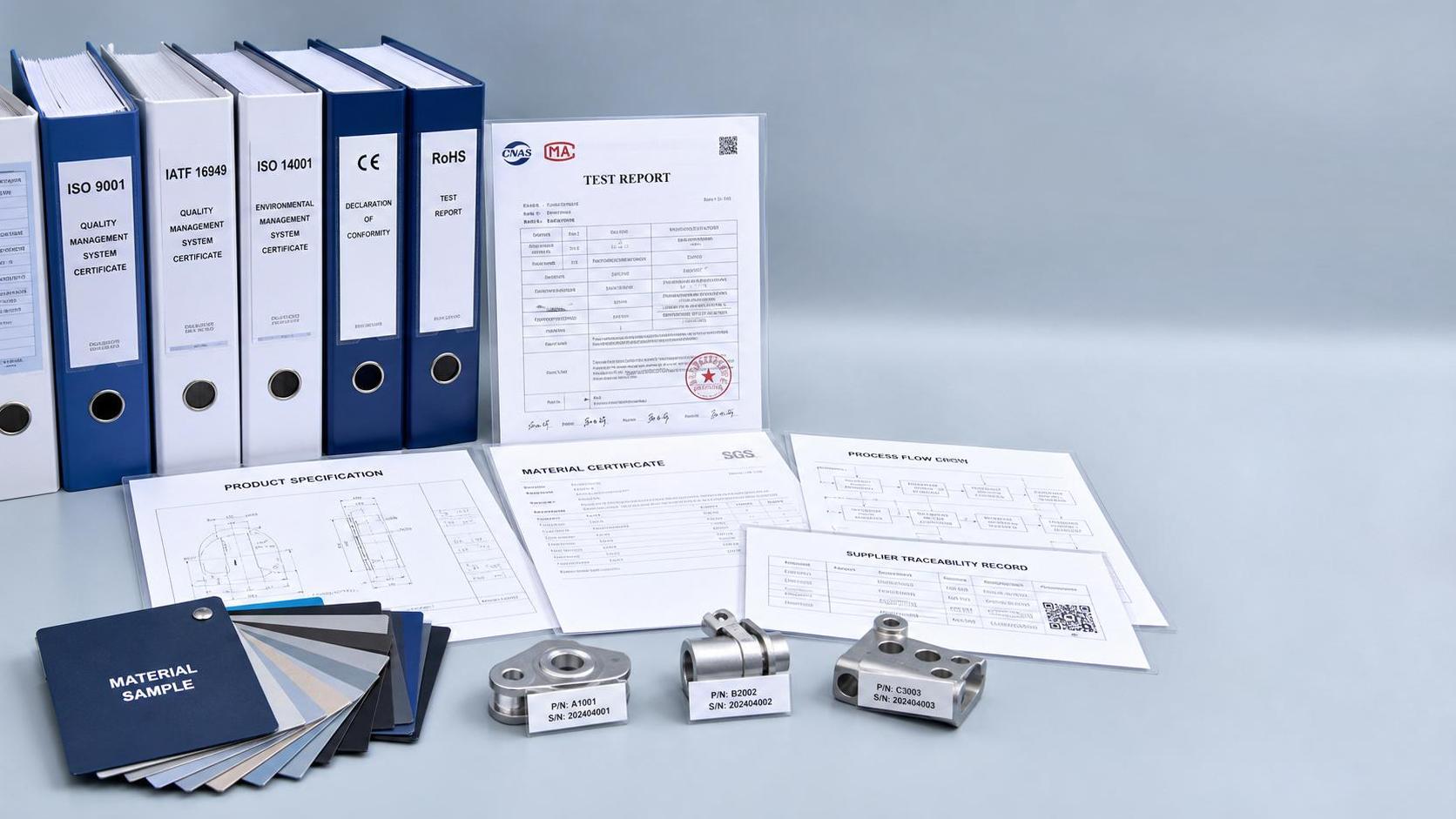
Why do certification requirements become a bottleneck so often?
Certification requirements look straightforward on paper, yet approvals often stall long before testing is finished.
The main issue is rarely one missing file alone.
More often, the gap sits between product design, material sourcing, factory control, and document consistency.
That pattern appears across textiles, footwear, furniture, gifts, and outdoor lifestyle products.
In practical reviews, certification requirements are not just about passing a standard.
They also show whether a product is traceable, repeatable, and aligned with market access rules.
This matters even more in design-led industries, where aesthetic upgrades move faster than compliance files.
GLC often highlights this tension.
A product may look market-ready, but its craftsmanship story and supply chain records still need technical proof.
So the smarter question is not only what certificate is needed.
It is whether the full evidence package supports the claim behind that certificate.
Which documents usually sit at the center of certification requirements?
Across industries, the document set changes by product, destination market, and risk category.
Still, several records appear again and again during technical review.
- Product specification sheets with model details, dimensions, material composition, and intended use.
- Bills of materials that match actual components, trims, coatings, adhesives, or packaging inputs.
- Test reports from qualified laboratories, including method version, sample identity, and result interpretation.
- Supplier declarations for restricted substances, origin, recycled content, or safety-related characteristics.
- Technical drawings, labels, user instructions, and warning statements where market rules require them.
- Factory quality records, such as incoming inspection, process control, and change management logs.
The strongest files tell one consistent story from raw material to finished article.
For example, a sustainable fabric claim needs more than a marketing note.
It may need fiber content verification, transaction records, and chemical compliance evidence.
The same logic applies to ergonomic furniture, digital-crafted gifts, or outdoor gear with performance claims.
When certification requirements are reviewed early, document mapping becomes easier.
When review starts late, teams often discover that two valid documents still contradict each other.
A quick document-check table
A compact comparison helps reveal where technical files usually fail.
How can you tell whether a file set is actually review-ready?
A complete folder is not the same as a review-ready folder.
The better test is whether each document answers a specific compliance question.
In actual evaluation work, three checks are especially useful.
- Identity check: do the SKU, sample code, colorway, and component names match everywhere?
- Scope check: does the test or declaration cover the final market, claim, and product structure?
- Timing check: were documents issued before or after design, material, or supplier changes?
These checks are simple, but they catch a surprising number of delays.
A furniture piece may pass structural testing, yet fail labeling review.
An outdoor jacket may have valid fabric data, yet the waterproof claim exceeds tested scope.
A gift product may show chemical safety records, yet packaging artwork introduces a new noncompliant statement.
That is why certification requirements should be checked as a linked system, not as isolated papers.
Where GLC’s cross-disciplinary view becomes useful is in this connection point.
Design intent, manufacturing methods, and material science need to agree before certification evidence feels trustworthy.
What compliance gaps show up most often across categories?
Some gaps are technical, while others come from workflow habits.
The repeated pattern is weak change control.
When a zipper, foam, coating, finish, or packaging source changes, certification requirements may change too.
Yet the update does not always reach the compliance file.
The gaps that cause the most avoidable delays
- Outdated test reports still attached to a revised product version.
- Declarations covering only base materials, not inks, adhesives, coatings, or accessories.
- Missing traceability between laboratory sample and mass production batch.
- Claims on catalogs or labels that are broader than the technical evidence.
- Different regulatory assumptions for different export markets within one file set.
- No documented response after a nonconformance, retest, or supplier substitution.
In textiles and apparel, chemical restrictions and fiber claims often drive the gap.
In footwear and leather, adhesives, coatings, and component-level declarations deserve closer attention.
For office and space products, structural safety and installation instructions may become the weak point.
In gifts and digital craftsmanship, short production cycles can outrun document control.
Outdoor products add another layer because performance marketing often moves faster than validated test scope.
Do certification requirements differ by market, or mostly by product?
They differ by both, and that is where many review assumptions go wrong.
A low-risk product may still face strict documentation expectations in one destination and lighter ones in another.
Meanwhile, two visually similar products may follow different routes because their materials or end uses differ.
A decorative textile is not assessed like protective apparel.
A home chair is not reviewed like public-space seating.
A promotional gift with electronics creates a different compliance profile than a non-powered craft item.
So a useful approach is to build a matrix before submission.
- Define the exact product configuration being shipped.
- Map the target market and any claim being made.
- List mandatory tests, declarations, labels, and technical file elements.
- Confirm whether one document can support multiple SKUs or only one variant.
This method reduces the habit of recycling old files into new submissions.
It also fits the broader GLC perspective.
Global design translation only works when compliance translation is equally precise.
What is the most practical way to reduce approval delays?
The fastest improvement usually comes from earlier coordination, not more paperwork at the end.
When certification requirements are reviewed during development, fewer surprises appear during final assessment.
In day-to-day practice, several habits make a measurable difference.
- Create one controlled product identity across design, sourcing, testing, and labeling files.
- Treat material substitutions as compliance events, not only purchasing decisions.
- Review claim language before artwork release, especially for sustainability and performance statements.
- Use document expiry and version tracking for reports, declarations, and standards references.
- Check supplier evidence at component level when risk sits in trims, coatings, or accessories.
This is also where stronger cross-border quality assurance starts.
Good certification requirements management is not a filing exercise.
It is a way to connect craftsmanship credibility, manufacturing discipline, and market readiness.
If the next review cycle feels uncertain, start by checking document logic rather than document quantity.
Clarify which claims need proof, which components carry the highest risk, and which market rules shape the file set.
That usually gives a clearer path than rushing straight into retesting.