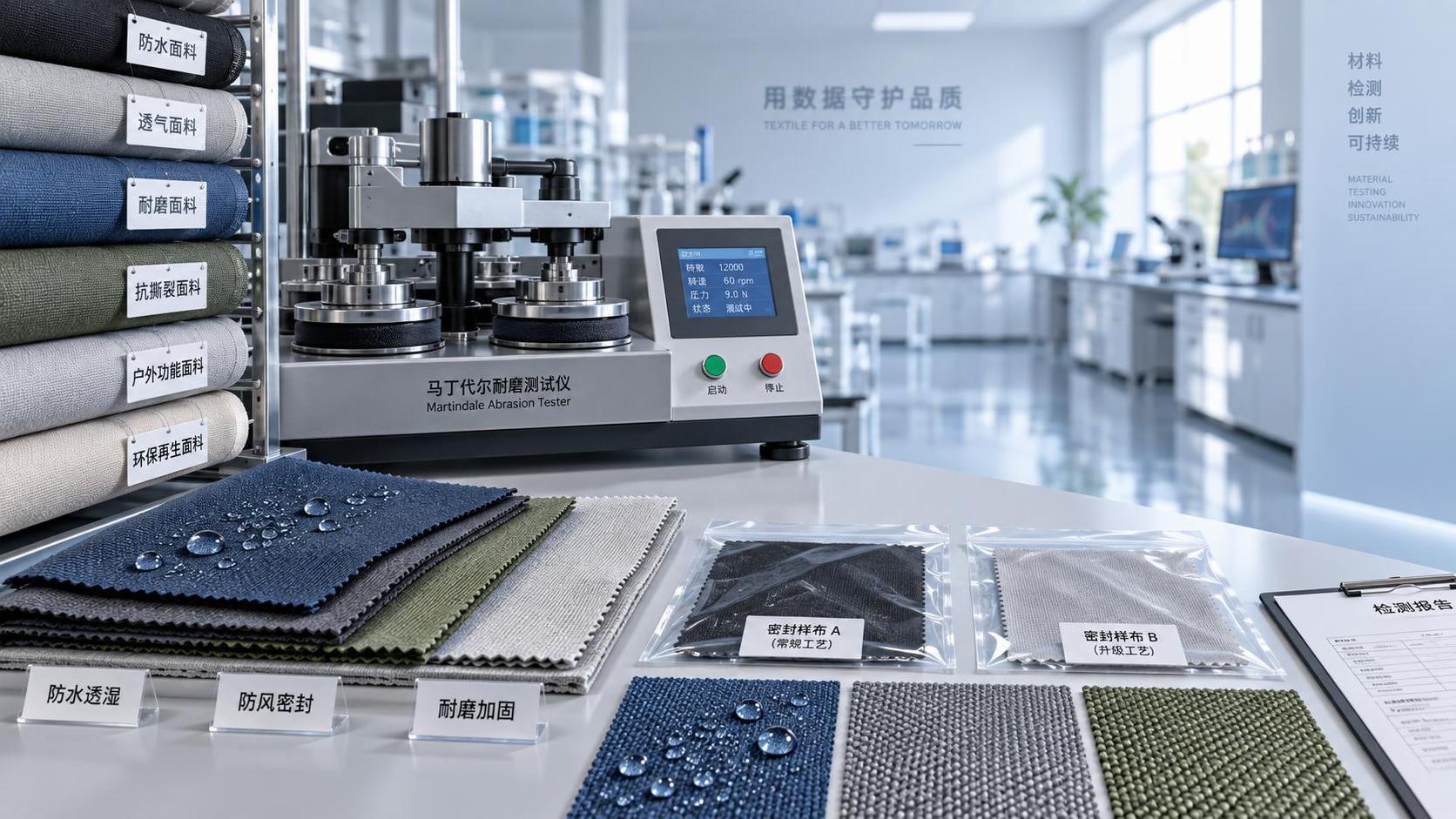
Functional Clothing OEKO TEX: What the Certification Really Covers

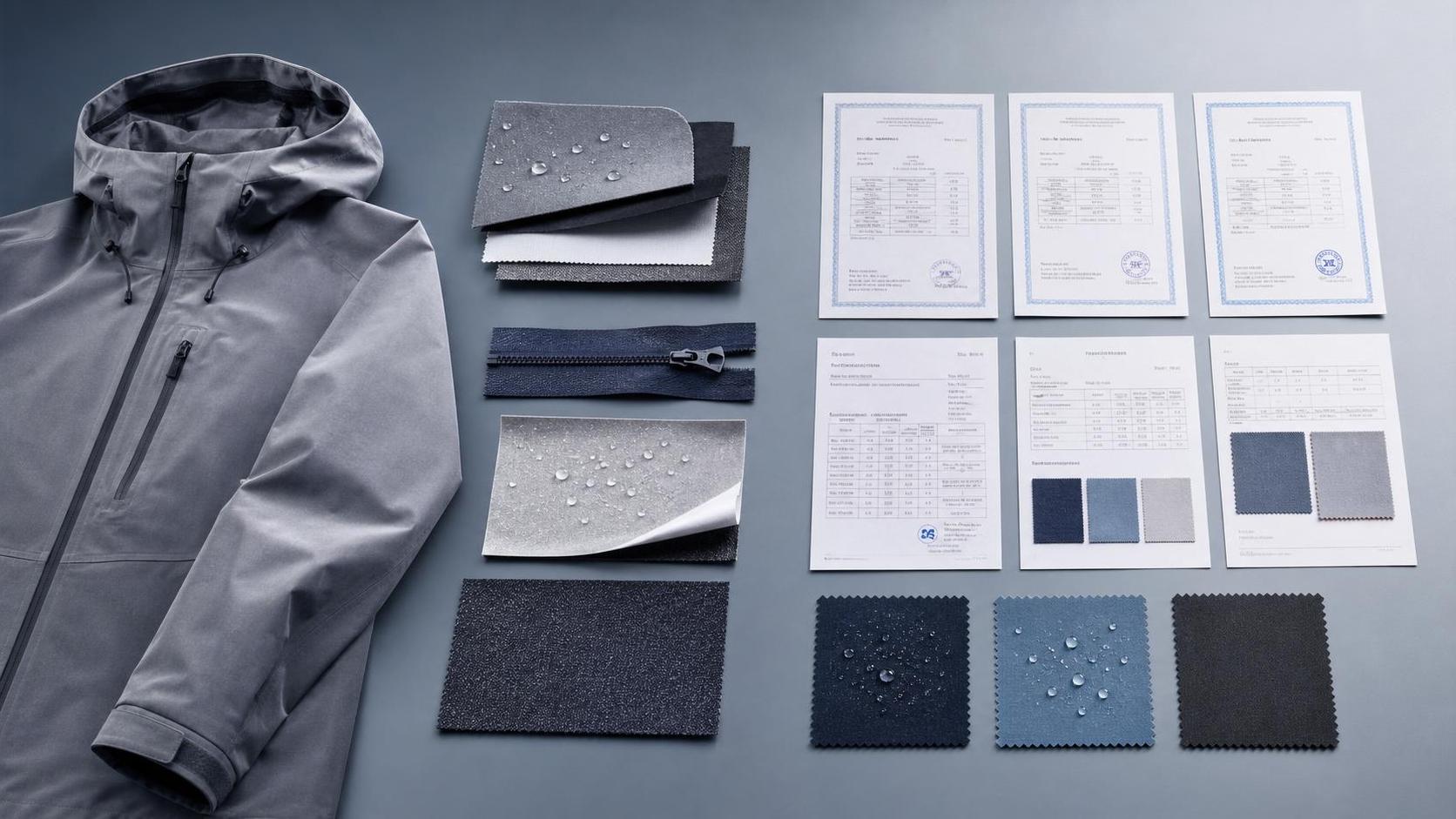
Why does functional clothing OEKO TEX matter in technical review?
The phrase functional clothing OEKO TEX often signals safety, but the signal needs careful reading.
In performance garments, claims about weather protection, durability, and comfort usually sit beside chemical compliance claims.
Those are related, yet they are not the same thing.
A label under the OEKO-TEX system mainly addresses harmful substances and, in some programs, broader process controls.
It does not automatically confirm thermal regulation, waterproofness, abrasion resistance, or field durability.
That distinction matters across textiles, footwear components, home-related soft goods, and outdoor lifestyle products.
GLC often looks at this intersection closely: aesthetic value may attract attention, but technical credibility depends on verified limits and test scope.
So when functional clothing OEKO TEX appears in a specification sheet, the first task is simple.
Identify which OEKO-TEX program is referenced, which component is covered, and what the certificate date says.
What does the certification actually cover, and what does it leave out?
The most common reference is STANDARD 100 by OEKO-TEX.
For functional clothing OEKO TEX, this usually means the tested textile article or material passed limits for a defined list of harmful substances.
That can include regulated and non-regulated chemicals with relevance to human health.
Typical substance groups may involve azo dyes, formaldehyde, heavy metals, phthalates, PFAS-related concerns in some contexts, and pesticide residues.
The exact list and thresholds follow the current OEKO-TEX criteria, which are updated over time.
What is often missed is the boundary of that approval.
A certificate may apply to shell fabric, lining, trims, or a finished garment, but not always all of them together.
More importantly, functional clothing OEKO TEX does not prove the garment performs its intended function.
Breathability still needs moisture vapor testing.
Waterproofness still needs hydrostatic head or rain tower data.
Flame resistance, UV protection, and antimicrobial performance each require separate technical evidence.
In practical review work, the certification is best treated as one layer in a larger compliance matrix.
A quick decision table helps clarify the scope
The table below separates common assumptions from what functional clothing OEKO TEX can reasonably support.
Is functional clothing OEKO TEX the same as full supply chain compliance?
Not necessarily, and this is where many evaluations become too broad.
When people mention functional clothing OEKO TEX, they often mean a finished claim attached to a brand, fabric, or garment line.
Yet supply chain compliance has several layers.
One layer is chemical safety in the article itself.
Another is process management in dyeing, coating, lamination, printing, and finishing.
A third layer involves traceability across mills, trim suppliers, and assembly sites.
OEKO-TEX offers more than one program, and the distinction matters.
- STANDARD 100 focuses on testing textile products for harmful substances.
- STeP looks at environmentally responsible production and workplace conditions.
- MADE IN GREEN links tested products to more traceable and socially responsible production sites.
- LEATHER STANDARD applies similar substance logic to leather articles.
In cross-category industries, this matters beyond apparel.
Outdoor seating fabrics, office upholstery, travel accessories, and gift textiles may all use similar terminology.
GLC’s broader sector view is useful here because certification language often travels across product families, while the technical implications do not always travel with it.
A sound review checks whether the claimed program matches the claimed sustainability or compliance narrative.
How should you judge a certificate on a functional garment file?
The fastest way is to treat functional clothing OEKO TEX as a document review exercise before treating it as a trust signal.
A few checks usually reveal whether the claim is robust or just decorative.
- Check the exact OEKO-TEX program named on the certificate or declaration.
- Confirm whether the certificate is issued to a material supplier or a finished article supplier.
- Match the product description against the actual construction, including membranes, coatings, tapes, cords, labels, and prints.
- Review the certificate validity date and any revision notes.
- Look for excluded components, especially where functional finishes are added later.
- Compare the claim with other required standards already listed in the technical pack.
This becomes especially important with laminated fabrics and durable water repellent treatments.
The base fabric may be certified, while the final treated composite is not.
In actual sourcing files, that gap is more common than many assume.
The better question is not “Is there an OEKO-TEX label?”
It is “Which tested article does the label belong to, and does it still reflect the final garment?”
Where do people overstate functional clothing OEKO TEX?
The biggest mistake is using the certification as proof of overall product quality.
Chemical compliance is essential, but it is only one dimension of quality.
Another frequent error is confusing consumer-facing comfort language with tested safety language.
“Skin-friendly,” “eco,” and “clean” may appear in marketing, but the certificate supports only specific technical claims.
A third issue appears in mixed-material products.
Functional clothing often includes elastics, hook-and-loop parts, adhesives, reflective films, zipper coatings, and bonded membranes.
If even one component falls outside the covered scope, the compliance story changes.
The same logic is relevant in adjacent categories such as soft luggage, protective covers, outdoor accessories, and hybrid textile-leather items.
To keep judgments disciplined, many reviewers use a short separation between what the label supports and what it does not.
What else should be checked before accepting the claim?
For technical review, functional clothing OEKO TEX works best as one checkpoint in a broader approval flow.
That broader flow should reflect both craftsmanship and industrial control, which is exactly where many cross-border product decisions succeed or fail.
Useful supporting checks usually include:
- Restricted substances list alignment with destination market rules.
- Factory change records for finishing chemistry, color lots, and bonded constructions.
- Performance test reports tied to the same lot or material code.
- Wash care, end-use class, and skin-contact assumptions.
- Any conflict between claimed fluorine-free finishes and required repellency results.
In real projects, implementation time also matters.
Certificate renewal cycles, lab scheduling, reformulation work, and trim substitution can affect launch timing.
Cost pressure may push teams toward partially documented materials.
That is precisely when clear scope control becomes valuable.
A disciplined file should show which claims are verified today, which are pending, and which belong to marketing language rather than certification language.
So, how should functional clothing OEKO TEX be used in final judgment?
Use it as evidence of tested chemical safety scope, not as a shortcut for total product approval.
That is the cleanest reading.
For garments and related soft goods, the certification helps reduce uncertainty around harmful substances and supports more credible compliance communication.
Still, functional performance, process integrity, and traceability need their own proof.
A practical next step is to build a review sheet with three columns: certificate scope, performance evidence, and supply chain evidence.
That structure makes weak spots visible quickly.
For organizations following the kind of cross-disciplinary lens GLC promotes, this approach is especially useful.
It connects design ambition, material craftsmanship, and industrial standards without confusing one for another.
In other words, functional clothing OEKO TEX is meaningful, but only when the claim is read with the same precision used to build the product itself.