How industrial design affects product usability

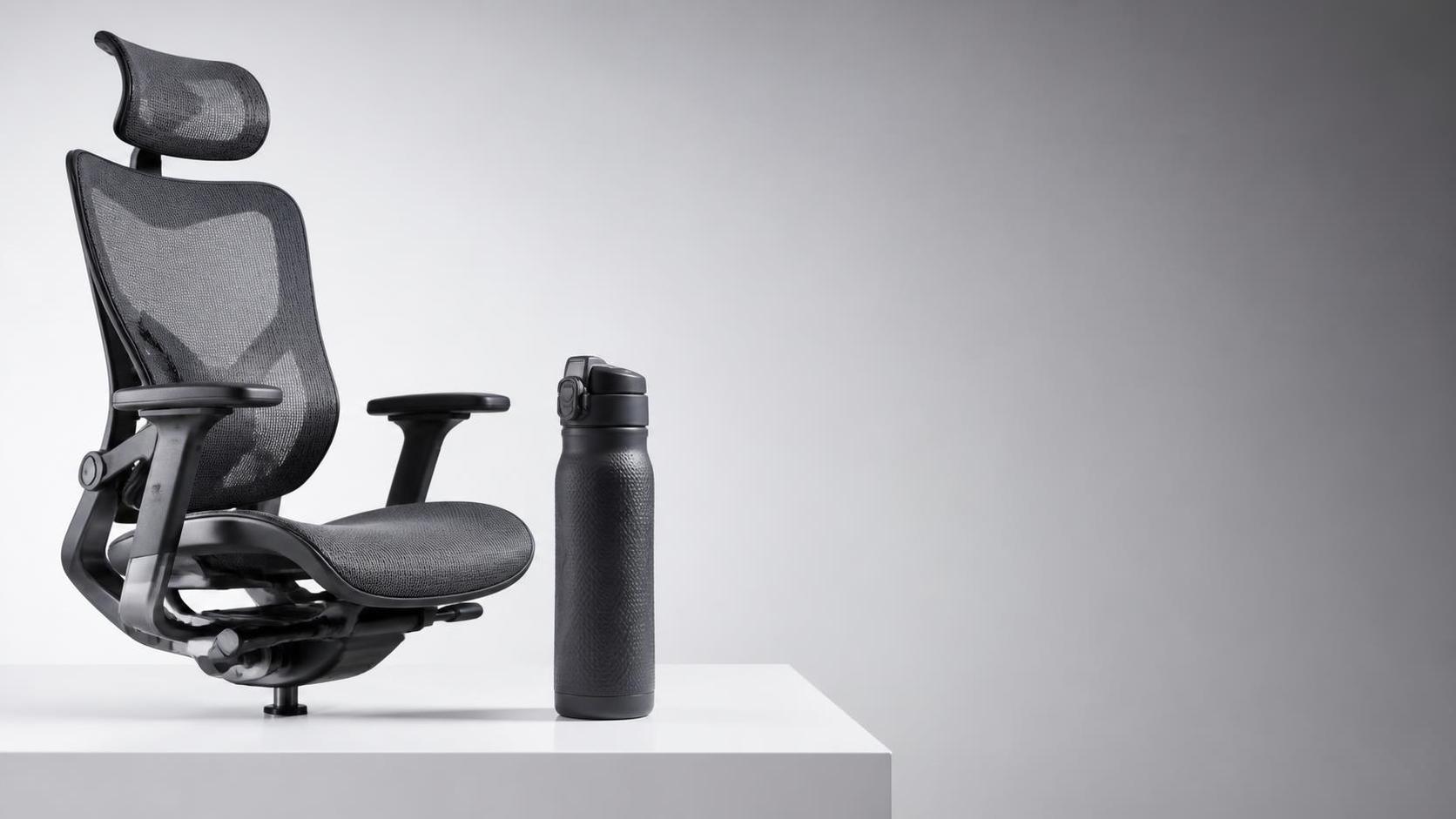
A chair that looks elegant in a catalog but causes back strain after twenty minutes is a design failure. A kitchen tool with a beautiful finish but an awkward grip will likely end up unused in a drawer. A camping bottle that appears rugged but leaks under real outdoor conditions quickly loses user trust. These are simple examples, yet they capture a larger truth: industrial design is not just about making products attractive. It shapes how people understand, handle, use, trust, and return to a product over time.
For anyone researching product performance, especially across sectors like apparel, furniture, gifts, and outdoor goods, the relationship between industrial design and usability is worth understanding in practical terms. Good design reduces friction. It helps users act without confusion, discomfort, or unnecessary effort. Poor design does the opposite, even when the underlying technology or material quality is sound.
So, how does industrial design affect product usability? The answer sits at the intersection of form, function, manufacturing, and human behavior.
Industrial design is where user intention meets physical reality
When people hear “industrial design,” they often think of external styling: shape, color, silhouette, surface treatment. Those elements matter, but they are only part of the picture. Industrial design also determines the size of controls, the balance of weight, the angle of a handle, the readability of a display, the opening force of a lid, and the way components guide natural movement.
Usability, meanwhile, refers to how easily and effectively a person can use a product to achieve a goal. That goal may be sitting comfortably, wearing something all day, storing items efficiently, opening packaging safely, or setting up outdoor gear without frustration. Industrial design influences each of these actions because it organizes the product around real human use.
In this sense, industrial design acts like a translator. It converts engineering possibilities and production methods into an experience that feels intuitive. A product may be technically advanced, but if the user cannot understand it quickly or operate it comfortably, much of its value disappears at the moment of contact.
Usability begins before the product is even used
One overlooked aspect of usability is first impression. Before a user presses a button, puts on a jacket, or unfolds a chair, they are already reading cues from the design. They ask, often unconsciously: Where do I hold it? How does it open? Which side faces up? Does it look safe? Does it feel stable?
Thoughtful industrial design answers these questions without needing long instructions. This is sometimes called intuitive use. The object gives clues through shape, proportions, contrast, texture, and layout. A recessed grip invites the hand. A gently curved edge suggests comfort. A clearly separated control area reduces hesitation.
Across modern lifestyle industries, this matters more than ever. In office furniture, a user should not need to “study” how to adjust a chair. In gifts and home accessories, packaging and product interaction should feel obvious rather than puzzling. In outdoor equipment, setup steps must remain understandable even in low light, cold weather, or fatigue. Good industrial design anticipates real conditions, not ideal ones.
Comfort is one of the clearest ways industrial design affects product usability
Comfort sounds subjective, but it often has clear design roots. The contour of a seat, the tension of textile surfaces, the spacing of straps, the flexibility of a shoe upper, and the pressure distribution of a tool handle all affect how usable a product feels over time.
A product can function in a technical sense and still fail in actual use because it creates strain. This is common in categories where the body is directly involved: apparel, footwear, office products, and outdoor gear. An office chair that supports the wrong sitting posture may still be “usable” for a short test, but not for an eight-hour workday. A backpack with visually appealing structure may perform poorly if weight distribution creates shoulder fatigue.
This is why ergonomic thinking is not a luxury add-on. It is central to industrial design. When ergonomics are integrated early, products fit bodies more naturally, reduce repetitive stress, and create a sense of effortlessness that users may not consciously analyze but immediately appreciate.
For research-oriented readers, this is also where aesthetics and usability stop being opposites. The best products often feel visually balanced because they are physically balanced. A well-proportioned form often reflects well-resolved function.
Safety and error prevention are design decisions, not afterthoughts
Another major way industrial design affects product usability is through safety. A usable product should not only help users complete a task; it should help them avoid mistakes, misuse, and avoidable harm.
Consider a few familiar scenarios. A piece of furniture tips too easily because the base was visually minimized for style. A portable appliance becomes hard to grip when wet because material texture was chosen for appearance rather than control. A zipper pull on a technical garment is too small for gloved hands. A decorative object has edges that are sharper than users expect. In each case, the issue is not simply “bad quality.” It is a design choice that failed to account for use context.
Effective industrial design reduces these risks by asking practical questions early: What happens when the product is used quickly? By children? In rain? In shared workspaces? In repeated daily cycles? Under load? During cleaning? During transport?
Usability improves when users feel secure. That feeling comes from stable forms, predictable operation, clear feedback, and materials chosen for real handling conditions. Design cannot remove every risk, but it can prevent many common failures.
Material choice and craftsmanship directly shape the user experience
Industrial design is often discussed as if it sits above manufacturing, but in reality, usability depends heavily on how design decisions align with materials and production methods. This is especially relevant in industries where touch, durability, and surface performance matter: textiles, leather goods, furniture, giftware, and outdoor products.
A handle designed with perfect proportions may still disappoint if the material becomes slippery with moisture. A soft furnishing product may look refined but feel inconvenient if the textile pills, traps heat, or resists cleaning. A home accessory with an intricate closure mechanism may appear innovative but wear out quickly if tolerances are inconsistent in production.
This is where craftsmanship becomes more than a branding word. It is part of usability. Stitch density, seam placement, edge finishing, hardware selection, molding quality, and assembly precision all influence whether a product feels dependable in the hand.
At an industry intelligence level, this is one of the most valuable lenses for evaluating product success. It is not enough to admire a concept sketch or trend-led aesthetic direction. The real question is whether the design can survive contact with actual manufacturing constraints while preserving ease of use. That bridge between idea and execution is where strong product development happens.
Different industries express usability in different ways
Although the core principle is consistent, industrial design affects usability differently across product categories.
In textiles and apparel, usability often involves fit, mobility, thermal comfort, fastening logic, and care convenience. A garment can be fashionable yet frustrating if pocket placement is impractical, closures are difficult to operate, or the fabric behaves poorly in daily wear.
In footwear and leather goods, usability is closely tied to support, flexibility, opening and closure systems, weight, and break-in experience. A shoe that looks streamlined but causes pressure points is a classic example of visual appeal undermining actual use.
In office and space products, industrial design influences posture, adjustability, reach, movement, and spatial clarity. Products used for hours every day need a deeper design response than products purchased mainly for occasional display value.
In gifts and digitally crafted consumer items, usability often appears in subtle details: how easily an object is unpacked, personalized, held, displayed, recharged, cleaned, or stored. These products often succeed when emotional value and frictionless interaction meet.
In outdoor and leisure equipment, usability becomes even more demanding because products face changing environments. Setup speed, weather resistance, grip, visibility, and modularity matter far more in the field than on a showroom shelf.
For readers following global manufacturing and design trends, this cross-sector perspective matters. It reveals that usability is not one fixed checklist. It is shaped by context, but industrial design remains the mechanism that turns user needs into physical decisions.
Why beautiful products still fail in the market
Some products attract attention immediately and still struggle after launch. Often, the issue is not poor branding or low demand. It is a gap between visual desirability and lived experience.
A product may photograph well but feel awkward in the hand. It may signal premium value but require too much effort to operate. It may appear innovative but confuse first-time users. In other words, aesthetic success can create interest, but usability determines repeat use, recommendation, and long-term satisfaction.
This is especially important in a market shaped by consumer upgrades and design-aware buyers. People increasingly expect products to do more than look current. They want objects that respect their time, adapt to their habits, and feel considered in small moments of use. When industrial design responds only to style trends and ignores these expectations, disappointment follows quickly.
How to evaluate whether industrial design is improving usability
For information researchers, buyers, and product teams, a useful question is not “Is this design attractive?” but “What kind of behavior does this design make easier?” That shift changes evaluation.
Look for signs such as:
- Whether the product’s purpose is understandable at a glance
- Whether common actions feel natural without trial and error
- Whether comfort remains acceptable over realistic use time
- Whether materials support grip, maintenance, and durability
- Whether the design reduces mistakes rather than creates them
- Whether form choices remain practical in manufacturing and daily handling
It is also wise to examine edge cases. How does the product perform when the user is tired, in a hurry, wearing gloves, working in a shared space, or interacting for the first time? Usability often breaks down at the edges before it fails at the center.
The most useful industrial design is often the least theatrical
Not all good design announces itself loudly. Some of the best industrial design disappears into the experience. The user does not stop to admire the angle of a chair arm or the texture of a zipper pull; they simply notice that the product feels easy, steady, and right.
That quiet effectiveness is powerful. It builds trust. It reduces returns and complaints. It supports brand credibility not through slogans, but through repeated proof in everyday life.
For platforms and professionals studying the future of lifestyle products, this is a valuable principle. The conversation around industrial design should not be limited to trend color, visual language, or market styling. It should also include supply chain feasibility, ergonomic intelligence, material behavior, and the craft discipline that turns a concept into a reliable object.
Ultimately, industrial design affects product usability by shaping the quality of interaction. It influences whether a product feels intuitive or confusing, supportive or tiring, durable or fragile, safe or uncertain. In a world where users have more choices and higher expectations, those differences are not minor details. They are often the reason one product becomes part of daily life while another is quickly forgotten.
When design, craftsmanship, and real-world use are treated as one conversation rather than separate stages, usability improves naturally. That is where product value becomes visible—not only in how something looks, but in how well it lives with people.