REACH Compliance Risks for Bio-Synthetic Materials

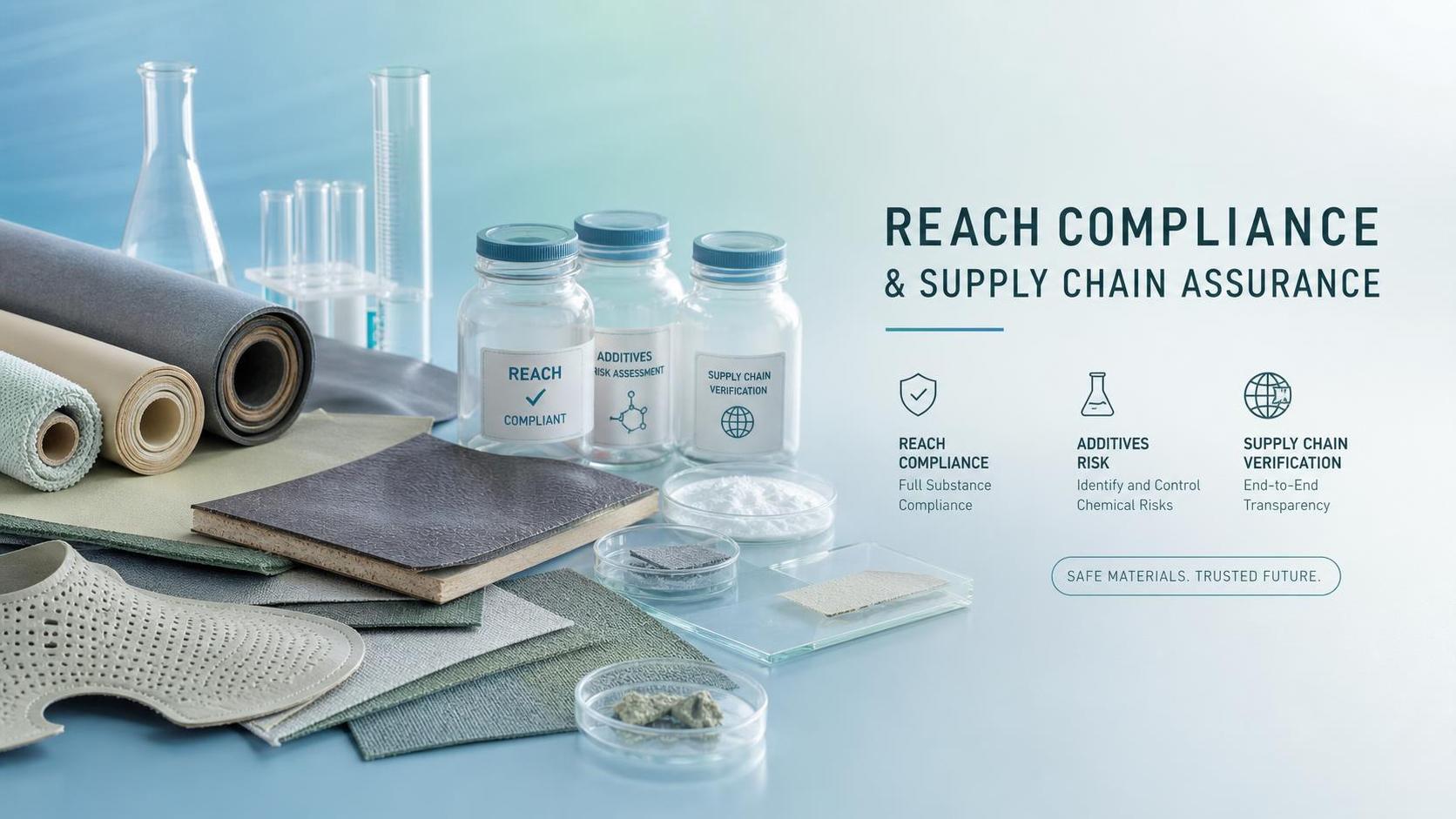
Bio-synthetic materials are moving quickly from pilot development into commercial use across footwear, textiles, furniture, gifts, and outdoor products. As that shift accelerates, bio-synthetic materials REACH compliance has become a practical gate for EU market entry, not a secondary paperwork issue.
The pressure comes from an uncomfortable reality. A material may look sustainable on a spec sheet, yet still carry restricted substances, poorly documented additives, or impurities introduced during synthesis, finishing, coating, or recycling. For sectors where design, touch, durability, and manufacturing speed must work together, chemical compliance now sits directly beside performance assessment.
That is why bio-synthetic materials REACH review matters well beyond laboratories. In the product worlds tracked by GLC, aesthetic value and craftsmanship quality are inseparable from supply chain credibility, and compliance failures can disrupt both.
Why REACH risk is different for bio-synthetic materials
The term bio-synthetic material often suggests lower environmental impact, but it does not automatically mean lower regulatory risk. REACH focuses on substances, exposure potential, and supply chain obligations, regardless of whether the carbon source is fossil-based, bio-based, or mixed.
In practice, many bio-synthetic formulations are hybrid systems. They may combine bio-derived polymers with conventional binders, crosslinkers, catalysts, flame retardants, dyes, solvents, stabilizers, plasticizers, or surface treatments. Each of those inputs can affect the bio-synthetic materials REACH profile.
Another complication is process novelty. New fermentation routes, monomer pathways, and finishing chemistries may be less mature from a compliance documentation perspective. Technical files often lag behind material innovation, especially when sourcing spans multiple regions.
Where the main compliance risks usually appear
The highest risk rarely sits in the sustainability claim itself. It usually appears in the hidden chemistry around the claimed innovation.
Feedstock and intermediate uncertainty
Bio-based feedstocks can vary more than standard petrochemical inputs. Impurity profiles may shift with crop source, fermentation control, purification efficiency, or side-reaction behavior.
That matters because a stable polymer concept does not guarantee a stable substance composition. Bio-synthetic materials REACH assessments should therefore examine batch consistency, not just target formulation.
Additives that sit outside the headline story
Many risk flags come from additives chosen to solve tactile or production problems. Soft touch effects, abrasion resistance, UV stability, anti-yellowing, anti-fogging, water repellency, and color fixation all introduce chemical variables.
This is especially relevant in apparel coatings, bio-synthetic leather, laminated furnishing surfaces, and outdoor gear. The market may celebrate the renewable content, while the actual REACH exposure sits in the finishing package.
Residual monomers and process chemicals
Residual monomers, catalysts, solvents, and reaction auxiliaries can remain at low but significant levels. In some cases, these residues are technically minor yet commercially decisive.
Substances of Very High Concern, candidate list issues, or Annex XVII restrictions may affect articles even when the main polymer looks acceptable. This is one of the most overlooked bio-synthetic materials REACH risks during scale-up.
Recycled and blended content complications
Some materials combine bio-synthetic inputs with recycled content to strengthen environmental positioning. That can improve circularity, but it may also widen chemical variability.
Legacy additives, contaminant carryover, and incomplete segregation can create compliance uncertainty. Blended systems need closer analytical review than marketing labels often suggest.
How these risks show up across product sectors
GLC’s sector lens is useful here because bio-synthetic materials REACH risk changes with product form, use pattern, and finishing route.
The practical point is simple. The same base material can carry very different compliance risk depending on how it is colored, bonded, embossed, laminated, or exposed during use.
What a technical review should check before commercialization
A useful review does not stop at declarations. It connects formulation logic, supplier evidence, and realistic exposure pathways.
- Map the full bill of substances, including aids, coatings, inks, primers, and adhesive systems.
- Verify whether any substance triggers registration, restriction, notification, or communication duties under REACH.
- Check candidate list relevance at article level, not only at raw material level.
- Review analytical test coverage against expected impurities and known high-risk residues.
- Confirm batch-to-batch consistency, especially for early-stage or multi-source materials.
- Assess whether process changes during scaling could alter the compliance profile.
- Examine document freshness, because outdated declarations often hide the real risk.
This is where bio-synthetic materials REACH work becomes less about checking a certificate and more about reading the material as a living supply chain system.
Frequent blind spots in supplier documentation
Documentation gaps are common when a material is marketed through sustainability language first and technical scrutiny second.
One blind spot is overreliance on generic compliance letters. These may confirm broad conformity, yet omit substance concentration ranges, test scope, or unfinished components within composite structures.
Another is confusion between bio-based certification and chemical compliance. Renewable content, mass balance claims, biodegradability, and lower carbon intensity do not replace a proper bio-synthetic materials REACH review.
There is also the issue of supply chain layering. A finished sheet material may come from one supplier, while pigments, topcoats, backing textiles, and release agents come from several others. Weak visibility at any layer can distort the final compliance picture.
Why this matters commercially, not just legally
For design-led sectors, compliance risk directly affects development timelines, claim credibility, and customer acceptance. A promising material can be removed late in validation if trace substances raise concern.
That creates cost beyond testing. Teams may need to requalify colors, rebuild surface feel, alter processing conditions, or replace matched components. In furnishing, apparel, and footwear programs, those delays can undermine seasonal planning.
There is also reputational exposure. Buyers increasingly expect environmental progress to arrive with disciplined material governance. In that context, bio-synthetic materials REACH readiness supports both market access and brand trust.
A workable approach for next-stage evaluation
A strong next step is to build a comparison framework before material nomination. Review candidate materials by chemistry transparency, additive complexity, test evidence, change control discipline, and intended end-use exposure.
It also helps to separate three questions. Is the base polymer understood? Are the supporting additives controlled? Does the finished article still remain compliant after converting, coloring, bonding, and aging?
For businesses operating between global craftsmanship and industrial production, that layered view is increasingly necessary. It matches the way real products are built, and it reflects how compliance risk actually enters the value chain.
The most reliable path is to treat bio-synthetic materials REACH assessment as an early design and sourcing filter, not a final shipment check. From there, the next decisions become clearer: refine the substance map, close evidence gaps, align testing with end use, and keep supplier declarations under active review as formulations evolve.