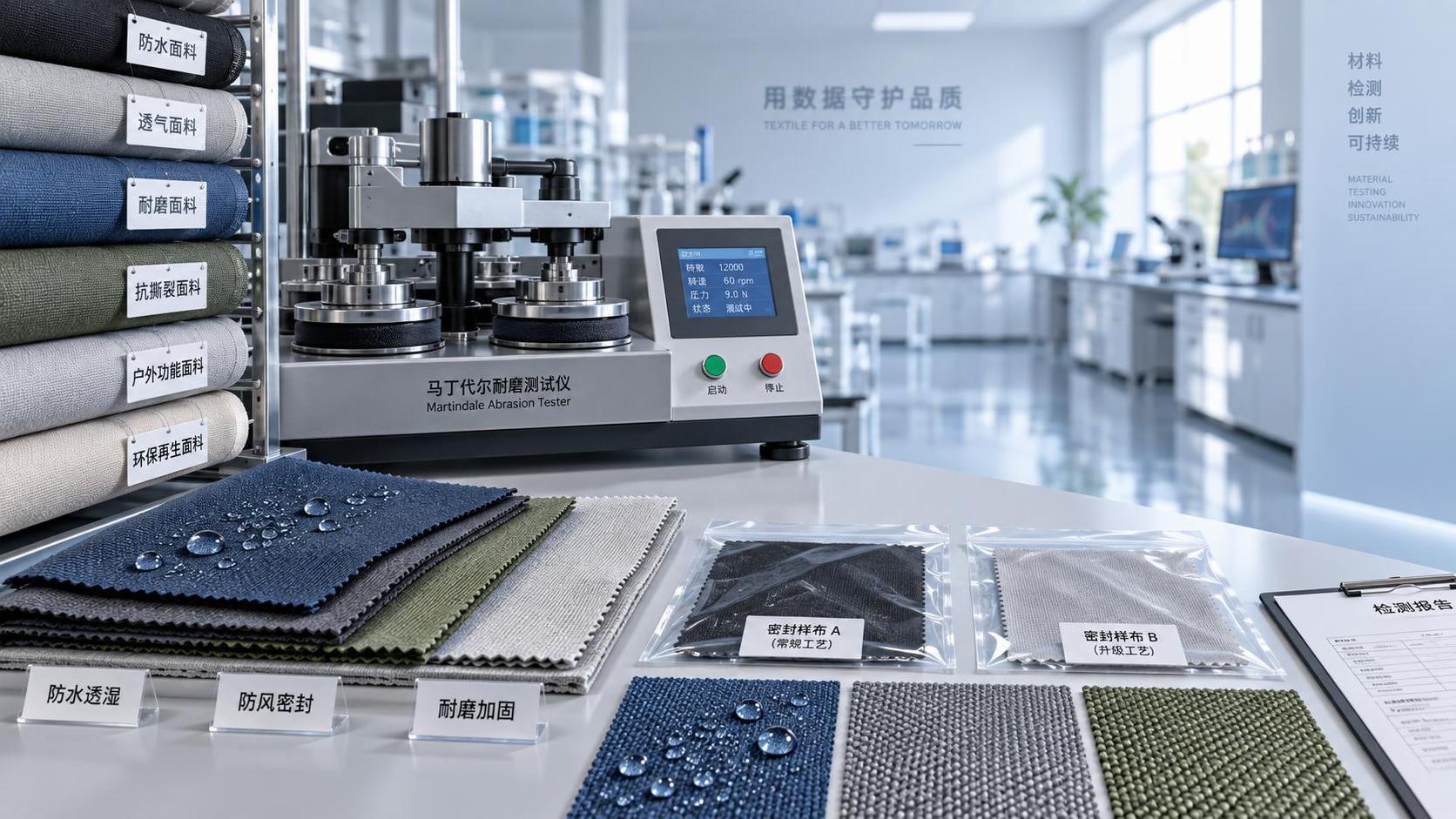
Textile Technology Trends Shaping Fabric Performance in 2026

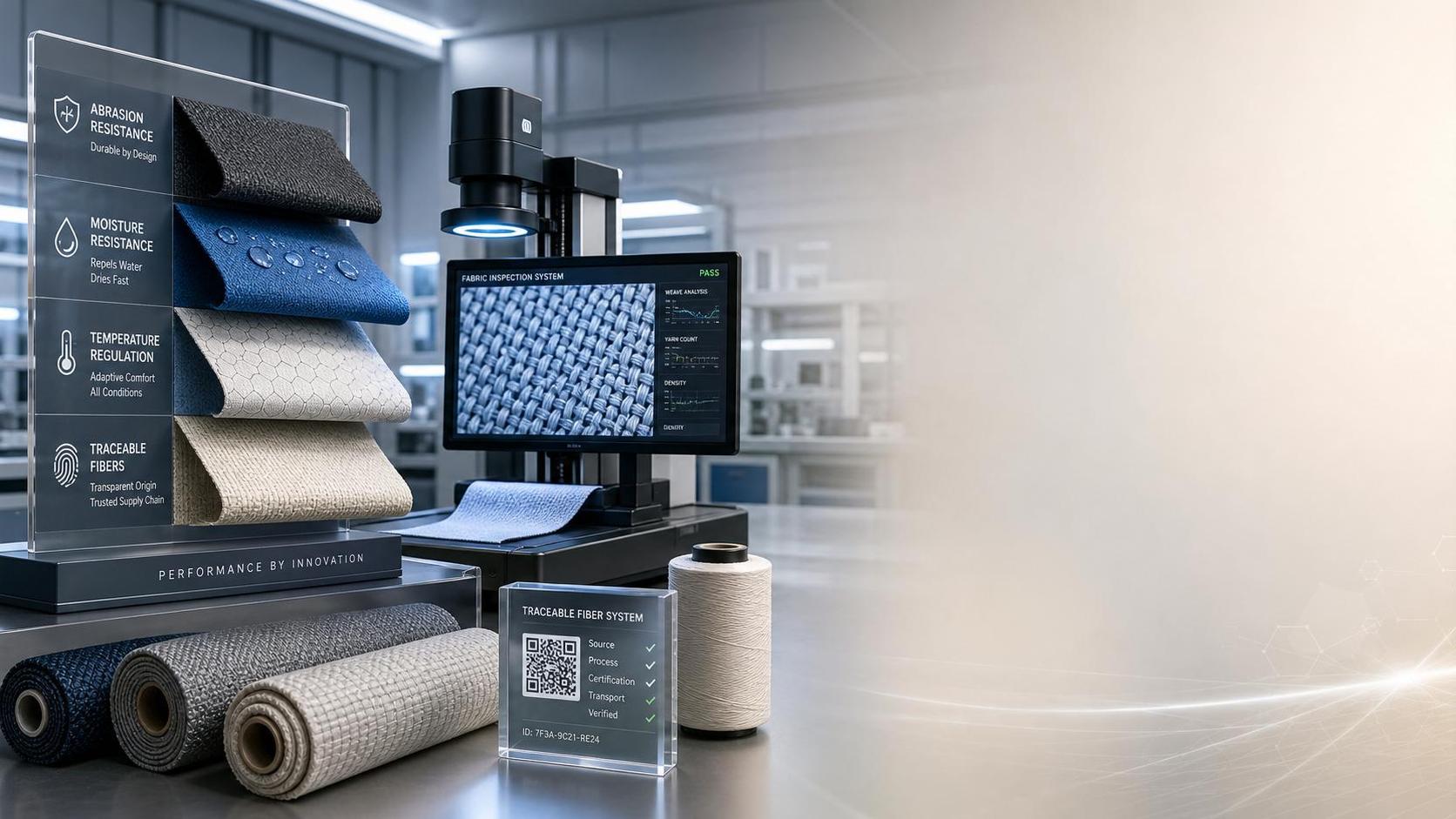
Textile technology is setting a new baseline for fabric performance in 2026. For products that move across apparel, interiors, outdoor use, and crafted lifestyle goods, performance is no longer judged by feel alone.
Durability, thermal balance, traceability, recyclability, and digital consistency now sit in the same evaluation frame. That shift matters because material choices increasingly affect design value, sourcing confidence, and long-term brand credibility.
Viewed through GLC’s cross-sector lens, textile technology is also a bridge between aesthetics and manufacturing logic. Fabric innovation now shapes not only what products look like, but how they perform, scale, and remain relevant in global trade.
Why fabric performance is being redefined
In earlier cycles, performance claims often centered on one feature. A fabric could be marketed as stronger, lighter, or softer, while trade-offs stayed hidden in testing gaps or fragmented supply data.
That is changing. Textile technology in 2026 is defined by convergence. Fiber science, chemical engineering, knitting and weaving automation, finishing control, and data-based quality systems are working together.
As a result, fabric performance becomes multidimensional. A high-value textile now needs to resist wear, manage moisture, maintain color, support compliance targets, and still match design intent.
This matters across GLC’s industry matrix. The same performance logic can influence fashion collections, ergonomic workspaces, soft furnishings, outdoor gear, and crafted consumer goods where touch and longevity both affect market acceptance.
The textile technology trends gaining real weight in 2026
Advanced fiber blends with clearer functional targets
Single-fiber thinking is losing ground. More mills are engineering blends to achieve balanced performance instead of chasing one headline claim.
This includes recycled synthetics with stronger handfeel control, cellulosic blends with better moisture movement, and bio-based inputs designed to reduce dependency on conventional petrochemical sources.
The key question is not whether a blend sounds innovative. It is whether the blend keeps stable performance after washing, abrasion, UV exposure, or repeated seating and contact cycles.
Low-impact finishing with measurable outcomes
Finishing remains one of the most decisive stages in textile technology. It often determines water repellency, antimicrobial behavior, wrinkle resistance, and tactile character.
What stands out in 2026 is the move away from broad chemical promises toward verified, lower-impact finishing systems. Performance is expected to survive realistic use, not just laboratory introduction.
This is especially relevant where home, office, and hospitality textiles need a refined surface while meeting stricter health and environmental expectations.
Smart textiles becoming selective, not speculative
Smart functionality is maturing. Instead of adding electronics for novelty, developers are choosing targeted functions such as temperature response, conductive pathways, pressure sensing, or visible wear monitoring.
The commercial challenge is integration. A smart layer must not compromise washability, comfort, seam performance, or production repeatability. That is where textile technology still succeeds or fails.
In practical terms, the strongest opportunities remain in technical apparel, collaborative workspace products, and outdoor systems where function can justify added complexity.
Digital manufacturing with tighter variation control
Digital printing, automated knitting, and sensor-supported finishing lines are improving consistency across batches. That changes how performance should be assessed.
Instead of evaluating one attractive sample, it becomes more useful to compare data across production lots. Repeatability is now part of performance, especially for export programs and cross-regional product launches.
For GLC’s perspective on craftsmanship and industrial standards, this is a critical point. Beautiful material narratives only hold value when process discipline can support them at scale.
Where these shifts show up first
Not every segment adopts textile technology in the same way. Performance priorities vary by use condition, replacement cycle, and perceived value.
The table shows why context matters. The same textile technology can perform well in one category and underdeliver in another if testing criteria are copied without adjustment.
How to judge textile technology beyond marketing claims
Performance evaluation in 2026 needs a wider lens. A strong claim on sustainability does not guarantee strong mechanical behavior. A technically advanced surface may also hide maintenance limits.
A more reliable review usually checks the following points together:
- Fiber composition against the intended use cycle, not just the initial handfeel.
- Finishing durability after repeated laundering, friction, or environmental exposure.
- Consistency between sample data, pilot production, and full-scale manufacturing.
- Traceability of inputs, especially for recycled, bio-based, or certified materials.
- Compatibility between functional performance and design expectations.
This integrated approach reflects why GLC emphasizes both aesthetic direction and industrial verification. In many categories, material success depends on balancing visual appeal with dependable technical evidence.
Why supply chain intelligence now shapes fabric evaluation
Textile technology is no longer confined to the lab or mill floor. Supply chain transparency increasingly influences how fabric performance is interpreted.
A fabric may test well, yet still carry risk if the source fiber changes by region, if finishing chemicals vary by subcontractor, or if scale-up depends on unstable capacity.
That is why sourcing intelligence and craftsmanship insight now belong in the same conversation. Material evaluation becomes stronger when technical data is paired with process visibility and realistic manufacturing context.
This broader view also supports fairer comparisons between suppliers. It helps separate genuine textile technology capability from temporary sampling advantages.
Practical signals worth tracking through 2026
Several signals are likely to remain useful when reviewing next-generation fabrics:
- Greater use of mono-material or easier-to-separate constructions for recycling pathways.
- Stronger interest in textile technology that reduces water, heat, and chemical burden during finishing.
- More requests for proof of performance retention, not only first-test results.
- Increased demand for fabrics that support both premium aesthetics and functional resilience.
- Closer alignment between certification language and measurable end-use behavior.
These signals matter because the market is rewarding fabrics that solve several problems at once. The strongest materials are becoming easier to justify technically and easier to position commercially.
A grounded next step for better decisions
Textile technology trends in 2026 are not just about invention. They are about fit between material promise, production discipline, and real-world use.
A useful next step is to build a comparison framework around end-use demands, finishing stability, batch consistency, and traceable sourcing. That makes it easier to assess whether a fabric innovation is mature, scalable, and worth deeper consideration.
For anyone following global craftsmanship and quality-led trade, the most valuable textile technology is the kind that performs clearly, communicates honestly, and holds its standard from concept to finished product.