Textile Technology Trends Shaping Performance Fabrics in 2026

Why performance fabrics matter more in 2026
In 2026, textile technology is no longer a narrow materials topic. It shapes sourcing decisions, production schedules, compliance plans, and the way finished products perform in real use.
That shift is visible across apparel, footwear, office interiors, gifts, and outdoor equipment. Performance fabrics now sit at the meeting point of aesthetics, engineering, and supply chain control.
For businesses working across global manufacturing networks, the real question is not whether innovation is happening. It is which textile technology trends can scale reliably without weakening cost, quality, or lead time.
This is where cross-industry intelligence becomes valuable. A fabric trend that starts in technical outerwear may soon influence ergonomic office seating, premium gifting, or flexible home furnishing applications.
GLC has built its perspective around that exact connection. By linking global aesthetics with craftsmanship and supply chain logic, it helps turn material trends into clearer business judgment.
What textile technology means in the current market
At a practical level, textile technology covers the fibers, yarns, constructions, finishes, testing systems, and manufacturing methods behind fabric performance.
Performance no longer refers only to waterproofing or abrasion resistance. It now includes comfort management, circularity, digital traceability, energy efficiency, and consistency between prototype and mass production.
In other words, textile technology is becoming a decision framework. It helps teams evaluate whether a fabric can meet use-case demands while fitting branding, certification, and delivery expectations.
That broader definition matters because the market has changed. Buyers expect materials that look refined, feel better, last longer, and carry a more credible sustainability story.
The trends reshaping performance fabrics
Smarter fiber engineering
Advanced blends are replacing single-function fabrics. Recycled synthetics, bio-based polymers, and regenerated cellulose are being engineered for moisture control, durability, and lighter weight.
The most important change is balance. Materials are being designed to deliver strength, hand feel, and processing stability together, rather than treating performance as an isolated lab target.
Low-impact finishing with measurable value
Finishing remains a major source of performance differentiation. In 2026, the focus has shifted toward water-saving dyeing, PFAS-free repellency, antimicrobial control with clearer safety profiles, and lower-temperature processing.
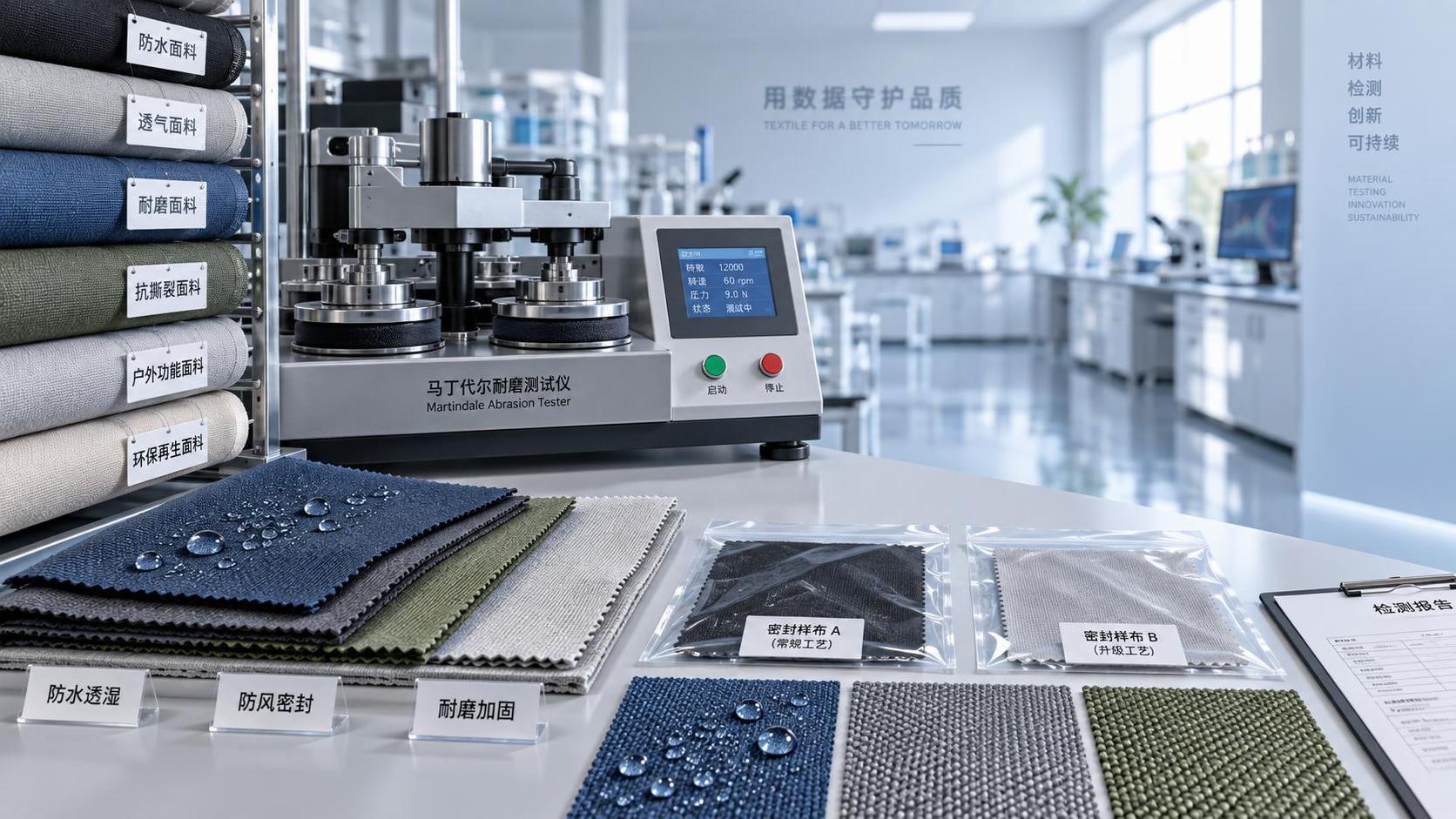
What deserves attention is verification. Claims must now survive wash cycles, weathering, and compliance review, not just sample presentations.
Data-enabled manufacturing
Digital tools are becoming part of textile technology itself. Mills increasingly use process monitoring, digital color control, defect detection, and production analytics to stabilize quality across batches.
This matters because performance fabrics fail most often through inconsistency, not concept. A good construction on paper can still underperform when dye uptake, lamination, or finishing conditions drift.
Traceability as a fabric requirement
Traceability has moved from a marketing extra to an operating requirement. Fiber origin, chemical management, recycled content, and audit history are becoming part of standard material evaluation.
For global programs, this trend reduces sourcing risk. It also improves communication between designers, converters, mills, and downstream production partners.
Where these shifts show up across industries
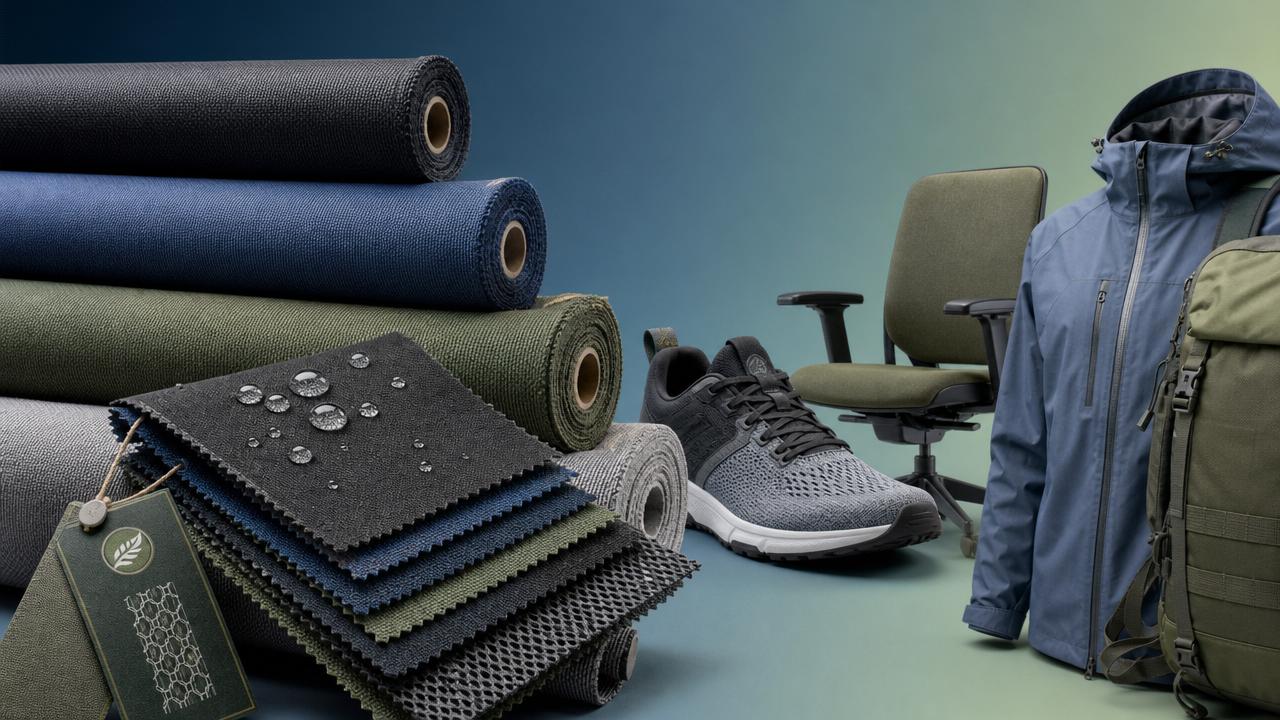
Performance textile innovation no longer belongs to one category. It now influences multiple sectors that shape modern living and commercial use.
This cross-sector pattern explains why GLC’s editorial model matters. Material intelligence becomes more useful when it connects aesthetics, standards, and craftsmanship instead of treating them separately.
What deserves closer attention during evaluation
Many new textiles look promising during development. Fewer remain efficient once they move into costed sampling, certification review, and repeat manufacturing.
A stronger evaluation process usually focuses on a few practical questions.
- Does the textile technology support the exact end-use environment, including wear, cleaning, humidity, and storage conditions?
- Are the claimed benefits backed by recognized tests, certification paths, and stable batch records?
- Can the mill or converter maintain the same specification at commercial volume?
- Will finishing chemistry create downstream compliance issues in export markets?
- Does the fabric align with the visual and tactile expectations of the final product category?
Usually, the biggest mistake is to evaluate performance fabrics only through technical data sheets. Real value appears when material science and manufacturing reality are reviewed together.
How supply chain logic changes fabric decisions
In 2026, textile technology strategy is closely linked to sourcing architecture. A technically superior fabric may still be the wrong choice if lead times are unstable or finishing capacity is limited.
This is especially relevant in sectors with seasonal launches, multi-region compliance demands, or mixed production footprints. A fabric must travel well through planning, not only through testing.
Craftsmanship also remains central. Construction quality, seam compatibility, lamination accuracy, and surface consistency often decide whether an innovation becomes commercially dependable.
That is why informed teams increasingly compare mills not only by price, but by process transparency, quality feedback speed, and finishing discipline.
A practical framework for 2026 decisions
When reviewing new performance fabric options, it helps to build decisions around a structured matrix rather than isolated claims.
- Start with use-case priority: weather, comfort, durability, fire behavior, acoustics, or premium touch.
- Match those needs with textile technology routes such as fiber selection, fabric construction, coating, or finishing.
- Review certification and regional compliance before locking a material direction.
- Check pilot-scale consistency, not only first-sample performance.
- Assess total implementation cost, including waste, rework risk, and process adaptation.
Simple frameworks like this reduce avoidable resets later in the program. They also create a better shared language between product, sourcing, design, and technical validation teams.
What to watch next
The next wave of textile technology will likely deepen three pressures at once: lower environmental impact, stronger proof of performance, and faster response to shifting consumer preferences.
The most useful signal is not the boldest innovation headline. It is the material platform that can connect design appeal, craftsmanship control, and scalable manufacturing discipline.
For that reason, the smartest next step is to map current fabric needs against future risk. Compare functional priorities, supplier capability, testing methods, and traceability standards before the next sourcing cycle begins.
Performance fabrics in 2026 are being shaped as much by systems thinking as by chemistry. The teams that read textile technology through both lenses will be better positioned to make durable, market-ready decisions.