Sustainable Yarn Options That Balance Cost and Quality

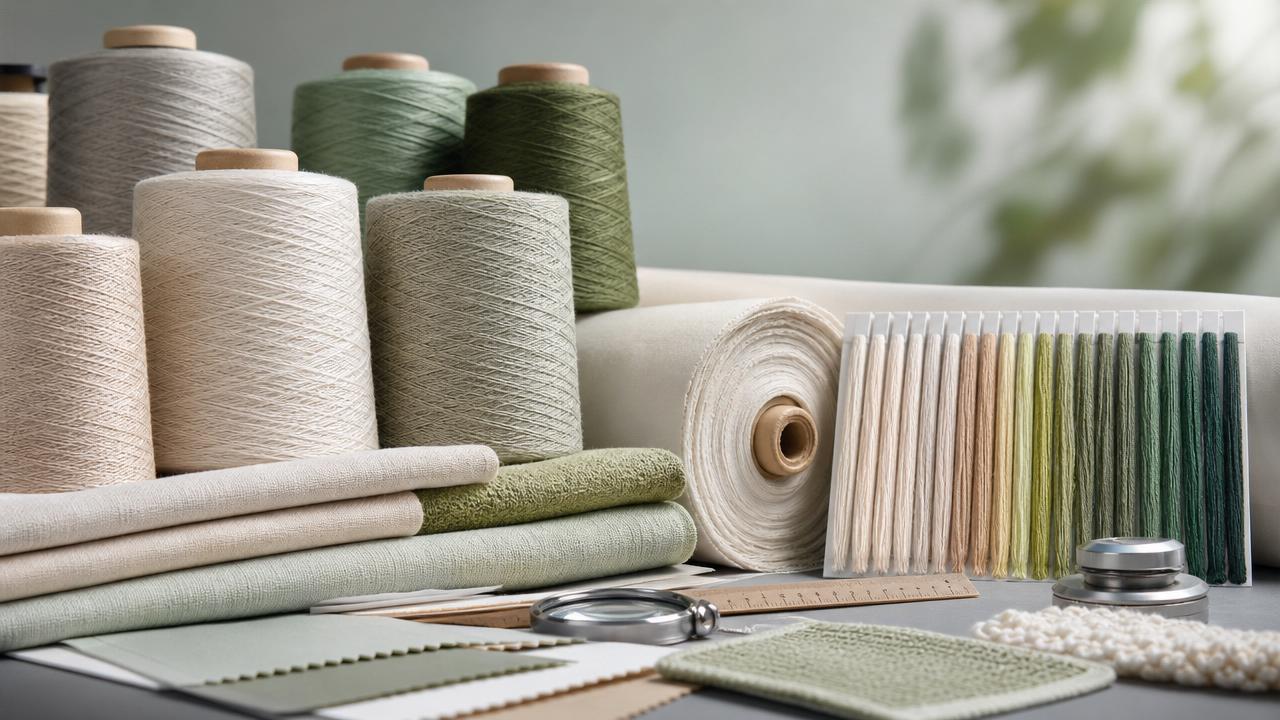
For procurement professionals, sourcing sustainable yarn is no longer just about environmental claims—it is about securing reliable quality, competitive pricing, and long-term supply stability. As demand for eco textiles continues to rise, understanding which yarn options truly balance cost and performance can help buyers reduce risk, meet market expectations, and build stronger product value from the start.
Why the yarn market is shifting from “green preference” to “commercial necessity”
A clear change is taking place across textile and apparel sourcing. Sustainable yarn used to be a niche request driven mainly by premium brands or specific export programs. Today, it is moving into mainstream procurement because the business environment has changed. Buyers are facing stronger retailer sustainability requirements, more informed end consumers, rising pressure on material traceability, and tighter cost control at the same time. In this setting, eco textiles are no longer a branding accessory; they are increasingly part of baseline product development and supplier evaluation.
This shift matters because yarn is one of the earliest decisions in the textile value chain. A poor yarn decision affects dye uptake, fabric handfeel, durability, pilling, lead time, and ultimately claims risk. A good decision creates more room for balanced costing downstream. For procurement teams, the trend is not simply to buy the “greenest” option available, but to identify yarns that deliver measurable sustainability benefits without disrupting production efficiency or product consistency.
Across global sourcing discussions, the strongest demand is now centered on practical questions: Which sustainable yarn options are scalable? Which fibers have stable quality? Which blends reduce cost volatility? Which certifications are meaningful? These questions show that the market conversation around eco textiles has matured from image-driven language to performance-driven buying.
The strongest signals shaping procurement decisions in eco textiles
Several market signals are influencing how buyers compare sustainable yarns today. First, recycled content has become easier to source, especially in polyester and cotton-related applications. Second, buyers are paying closer attention to total cost rather than unit price alone, including yield, processing efficiency, and complaint rates. Third, brands want better storytelling, but they also want proof, making traceability and certification more commercially relevant. Fourth, mill capability is becoming as important as fiber type, because not all suppliers can process sustainable inputs with consistent quality.
For procurement managers, this means the best value often comes from matching yarn choice to product category and sales channel. A mass-market jersey, a performance fleece, and a decorative home textile may all use “sustainable” yarn, but the best yarn option for each one can be very different in terms of cost, quality tolerance, and supply stability.
Key trend comparison for buyers
Which sustainable yarn options currently offer the best cost-quality balance?
For many buyers, recycled polyester remains one of the most commercially balanced entries in eco textiles. It benefits from broad market adoption, established spinning capacity, and relatively predictable performance in applications where durability, moisture management, and dimensional stability matter. In activewear, linings, fillings, and many home textile uses, it often provides a practical route to sustainability claims without a major cost penalty. The main caution is that not all recycled feedstock is equal, so procurement should validate both certification and batch consistency.
Organic cotton, by contrast, is often easier to communicate to consumers but harder to optimize purely on cost. It performs well in comfort-led products and categories where touch and natural fiber preference shape buying decisions. However, price premiums can tighten margins if brands expect conventional cotton costing. The better strategy is often selective use: prioritizing visible, high-value product lines rather than forcing full-range conversion too early.
Recycled cotton blends have gained attention because they align well with circularity messaging and can support reasonable cost structures. Yet this category requires careful testing. Shorter recovered fibers may affect yarn strength, evenness, or surface appearance. The most successful sourcing programs usually combine recycled cotton with virgin cotton or polyester to stabilize quality. For buyers in eco textiles, this is a reminder that blend engineering often creates better commercial outcomes than purity claims.
Cellulosic fibers such as lyocell and modal are also benefiting from demand shifts toward softer, more premium handfeel. They are especially relevant in apparel, bedding, and interior lifestyle products where drape and comfort drive value. These yarns may not be the cheapest option, but they can justify stronger retail positioning and reduce the need for some finishing interventions. In value terms, they often perform well when used in blends rather than as single-fiber solutions.
What is driving these changes beyond sustainability claims?
The market is being shaped by more than environmental awareness. One major driver is risk management. Procurement teams want to reduce exposure to unstable raw material markets, quality disputes, and sudden customer compliance demands. Another driver is product segmentation. As brands diversify collections by channel, region, and price point, they need different sustainable yarn strategies instead of one universal material policy.
Manufacturing technology is another important factor. Improved sorting, recycling, spinning, and blending capabilities are making some sustainable yarns more usable at scale than they were a few years ago. At the same time, digital traceability and certification systems are helping buyers verify claims more efficiently. This does not eliminate sourcing complexity, but it makes eco textiles easier to integrate into professional purchasing frameworks.
There is also a consumer-side shift. Buyers for apparel, home, gift, and lifestyle categories increasingly face customers who expect responsible sourcing as part of quality, not as a separate attribute. This is especially relevant to organizations such as GLC that track how aesthetics, craftsmanship, and industrial standards are converging. In many categories, material responsibility now influences brand trust in the same way as finish, comfort, and durability.
How the trend affects different procurement roles and sourcing stages
The biggest operational lesson is that eco textiles should not be introduced at the final costing stage. The right time to evaluate sustainable yarn options is during concept planning and supplier alignment. When procurement, development, and quality teams work from different assumptions, companies often end up with materials that look good on paper but fail in production or exceed target price.
What buyers should watch closely over the next sourcing cycle
The first signal to monitor is supply chain concentration. If too much volume depends on a narrow group of certified suppliers, pricing flexibility may weaken. The second is blend innovation. More mills are using mixed-fiber strategies to improve the cost-performance ratio of eco textiles, and buyers who understand these developments may gain better negotiation positions. The third is claim discipline. As sustainability communication becomes more visible, inaccurate or weakly supported claims can create commercial and reputational risk.
A fourth signal is end-use performance under repeated washing and use. Procurement teams should not assume that all sustainable yarns behave like conventional equivalents. Shrinkage, abrasion, pilling, and dye behavior must be validated by application. For this reason, buyers should ask suppliers not only for certificates but also for test data connected to real product categories.
In some supplier communications, supporting references may appear in a format such as 无. Even when product details are limited, buyers should still use a structured review process that checks raw material source, process capability, claim validity, and repeat-order reliability before making long-term commitments.
A practical decision framework for balancing cost and quality
A useful approach is to separate yarn decisions into three levels. First, identify scalable core materials for high-volume programs, such as recycled polyester or stable recycled blends. Second, reserve premium or story-led sustainable yarns for hero products where retail pricing can absorb additional cost. Third, maintain a development pipeline for emerging options without relying on them too early for critical volume.
This framework helps procurement teams avoid two common mistakes: overpaying for sustainability that the market does not reward, or choosing the cheapest “green” option that triggers quality losses later. In eco textiles, the best commercial decision is often the one that preserves production efficiency and customer satisfaction while improving environmental positioning step by step.
It is also wise to develop supplier scorecards that weigh not only price and certification, but yarn evenness, delivery consistency, communication speed, and problem-solving capacity. Sustainable sourcing success depends on relationship quality as much as on material choice.
Final judgment: where procurement teams should focus now
The current direction is clear: sustainable yarn is becoming a standard business variable, not a special project. For procurement professionals working across eco textiles, the advantage will go to teams that judge materials through a combined lens of price, performance, traceability, and scalability. Recycled polyester, organic cotton, recycled cotton blends, and cellulosic blends each have real potential, but their value depends on product fit and supplier capability more than on trend appeal alone.
If a business wants to understand how these changes affect its own sourcing strategy, the next step is to confirm a few practical questions: Which yarn types match the brand’s real price architecture? Which categories can absorb premium sustainable inputs? Which suppliers can deliver both certification and repeatable quality? And where can blend optimization create a stronger balance between cost and market value?
Answering those questions early will help buyers move beyond generic sustainability language and build sourcing decisions that are commercially resilient, technically credible, and better aligned with the future direction of eco textiles.