Why Some Fast Fashion Pieces Fit Well Only Once

Why do some fast fashion garments seem to fit perfectly in the store, then twist, stretch, bag out, or lose structure after just one wear? In most cases, the answer is not random. It usually comes from a combination of low-stability fabrics, rushed pattern grading, weak sewing standards, aggressive finishing, and supply chain decisions designed to optimize speed and initial appearance rather than long-term performance. For sourcing teams, quality managers, technical evaluators, and business decision-makers, this is not just a fashion complaint. It is a product integrity issue with direct implications for returns, brand trust, margin pressure, and sustainability claims.
Understanding why a piece fits well only once helps buyers and product teams make better decisions across textiles, apparel, leather-adjacent soft goods, home furnishing, and other lifestyle categories where form retention matters. The core question is simple: what makes a product look good at first, but fail in real use? The deeper answer sits at the intersection of material engineering, construction discipline, testing standards, and commercial lead-time pressure.
The short answer: “fits well only once” usually means appearance was prioritized over stability
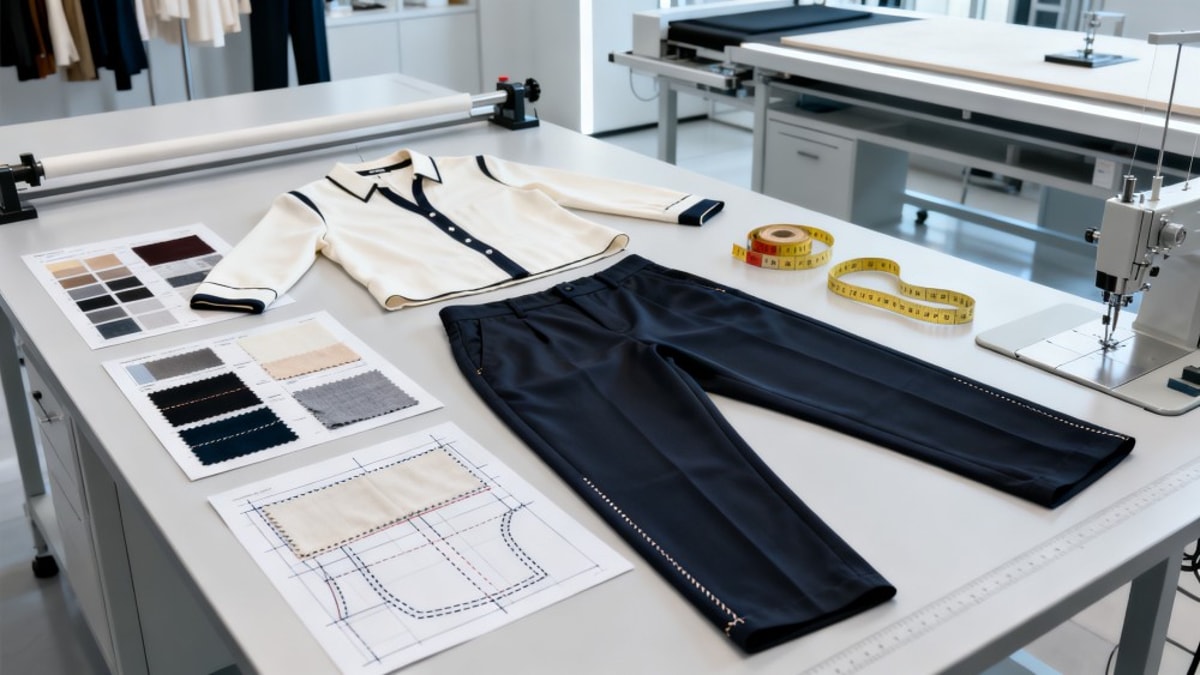
The initial fitting-room effect can be misleading. A garment may feel flattering because it has been designed, pressed, chemically finished, or cut to create a strong first impression. But if the fabric recovery is poor, the seams are imbalanced, or the construction has no tolerance for movement, that good fit disappears fast.
In technical terms, one-wear fit failure often comes from five root causes:
- Fabric growth or relaxation after body heat, moisture, and movement
- Insufficient recovery in knits, stretch wovens, and blended fabrics
- Pattern imbalance caused by rushed development or poor grading
- Weak seam engineering that cannot hold shape under stress
- Finishing treatments that temporarily improve hand feel or appearance but do not last
For business users, the practical conclusion is clear: if a product is developed mainly for visual appeal, fast turnover, and low cost, without enough wear testing and dimensional control, one-time fit success becomes far more likely than long-term fit reliability.
What exactly happens after one wear?
When consumers say a fast fashion item “only fit once,” they are usually describing one or more measurable failures:
- The knees, elbows, or seat area bag out
- The neckline widens or ripples
- The hem twists after a few hours of wear
- The waist stretches and does not recover
- The shoulder line drops or shifts backward
- The side seams rotate, making the garment feel off-balance
- The garment becomes tighter or looser in unexpected zones
These are not minor aesthetic details. They indicate that the product’s shape memory, structural balance, or dimensional stability was inadequate for actual use conditions. A fitting room creates a controlled, short-duration trial. Real life introduces sitting, walking, heat, friction, humidity, and repeated flexing. If the garment was not engineered for this, the original fit cannot hold.
Why fabric selection is often the biggest hidden problem
In many fast fashion programs, fabric is chosen to meet target cost, trend timing, and touch appeal. However, a fabric that feels soft and looks premium at the point of sale may still perform poorly in wear.
The most common fabric-related risks include:
- Low yarn quality: weaker or more irregular yarns can lead to distortion and poor recovery
- Loose fabric construction: open knits or unstable weaves may drape well initially but stretch out quickly
- Imbalanced fiber blends: blends with insufficient elastic recovery may deform under body stress
- Overdependence on finishing: resin, softener, or heat-set effects may create temporary structure or softness that fades fast
- Improper GSM or fabric density for the product type: lightweight materials may not support the intended silhouette
This issue extends beyond apparel. In home furnishing, seat covers and decorative textiles can lose form after limited use if fabric resilience is not matched to function. In office furniture soft components, repeated pressure quickly exposes poor recovery. In outdoor soft goods, low-grade laminates or unstable shell fabrics may look technically capable but fail under real conditions. The same logic applies across categories: first-touch appeal is not equal to performance durability.
How pattern making and grading errors create “good fit in one pose only”
Another major cause is not the fabric alone, but the pattern engineering behind the product. In fast fashion, speed often compresses development timelines. That increases the risk of approving patterns that work on a sample form, in a static fitting, or in one size, but not across actual body movement or size ranges.
Typical pattern-related issues include:
- Insufficient movement allowance in stress zones such as armholes, hips, or thigh areas
- Overfitted sample approval based on mannequin presentation rather than wear reality
- Unstable grading rules that distort proportion in larger or smaller sizes
- Poor balance between front and back panels causing drag lines or rotation after wear
- Failure to account for fabric relaxation once the garment leaves the pressing table
For technical assessment teams, this means a garment should not be judged only by pre-production fit appearance. It should also be evaluated under movement, seated posture, and post-wear remeasurement. A product that photographs well may still be mechanically unbalanced.
Construction quality matters more than many buyers assume
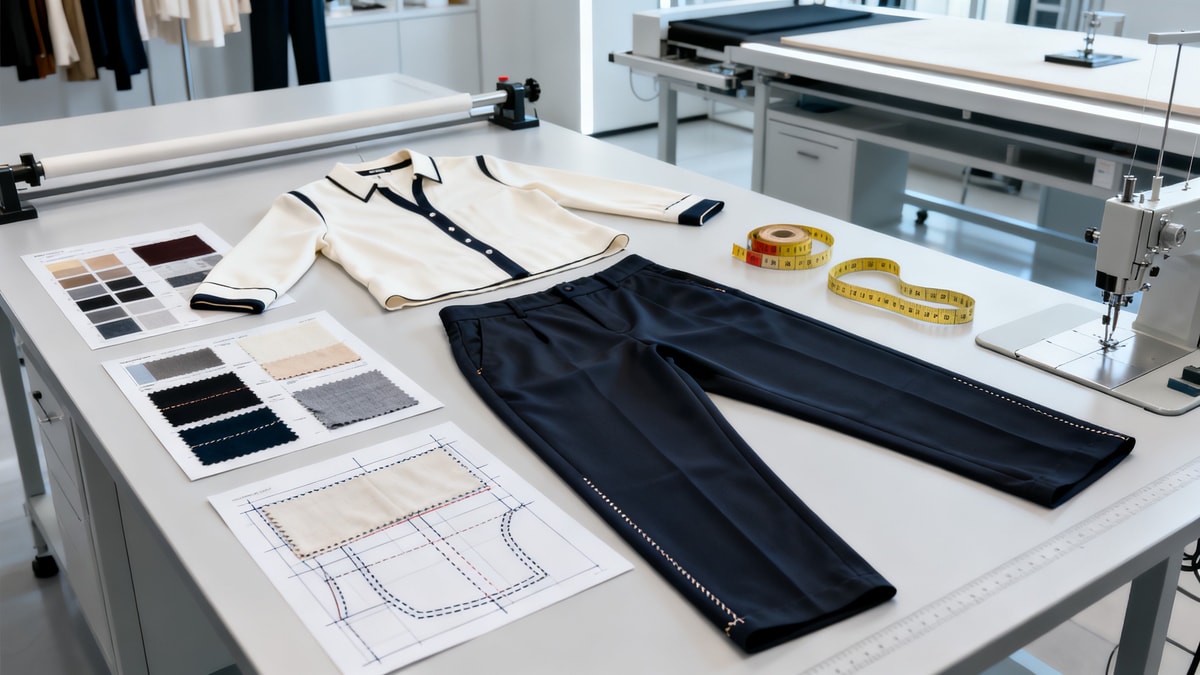
Even when fabric and pattern are acceptable, construction shortcuts can ruin fit retention. Seam type, stitch density, thread quality, pressing sequence, and panel alignment all influence whether the product keeps its intended shape.
Common construction failures include:
- Uneven seam tension leading to puckering or stretch distortion
- Misaligned grain direction causing twisting after wear or washing
- Low stitch security in strain zones
- Inadequate reinforcement at necklines, waistbands, plackets, and pocket openings
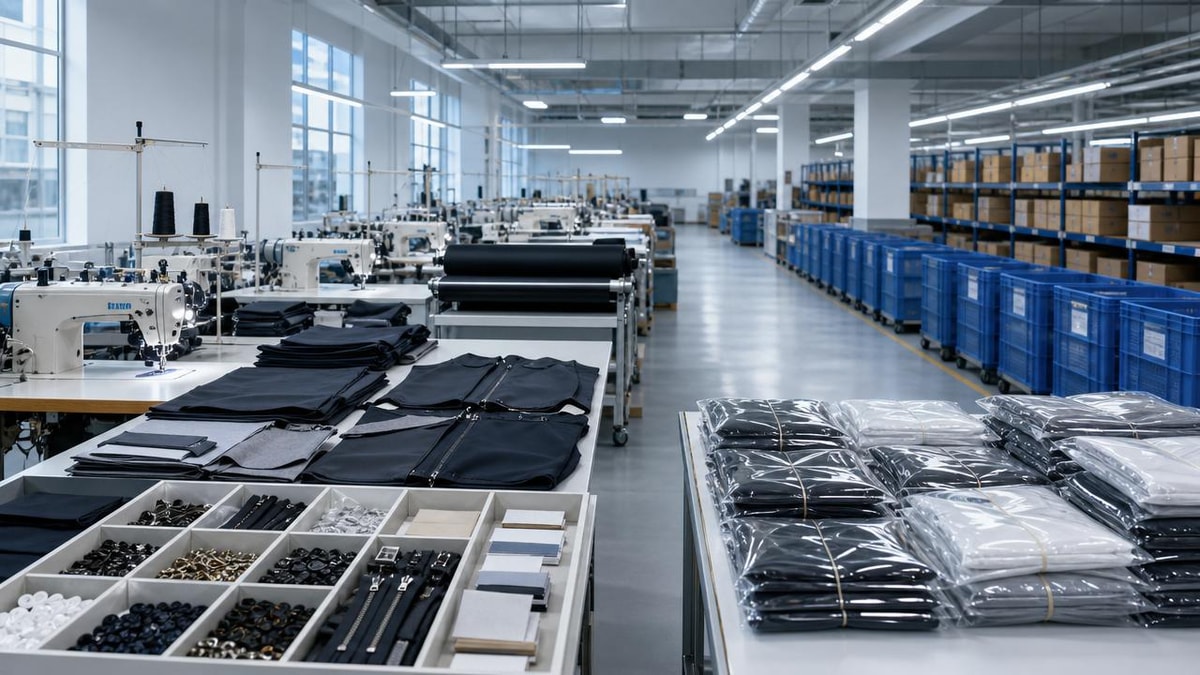
- Excessive operator variation in high-speed production lines
This is especially important for procurement and quality control teams comparing factories with similar cost offers. Two suppliers may present visually similar samples, but the one with tighter process control, better training, and stronger in-line inspection will usually deliver better fit consistency over time.
The role of finishing: why garments sometimes look “better than they really are”
Finishing can improve a product dramatically at the selling stage. Steam pressing, compacting, enzyme washes, silicone softeners, and chemical stabilizers can all help create a clean silhouette and pleasant hand feel. But some of these benefits are temporary.
That does not mean finishing is inherently negative. Good finishing is essential in modern textile manufacturing. The problem starts when finishing is used to mask weak base performance. For example:
- A knit may appear compact in the store but relax significantly after wear
- A woven fabric may feel smooth and structured before moisture and body heat reduce stability
- A waistband may seem supportive until elastic fatigue appears after minimal use
For sourcing professionals, one key question is whether the product’s performance comes from intrinsic material and construction quality, or from a temporary finishing effect. That distinction directly impacts return rates and customer satisfaction.
Why this matters for sustainability, fair trade, and brand credibility
A garment that fits well only once is not just a technical failure. It is also a sustainability problem. If the item becomes unwearable, undesirable, or embarrassing to use after minimal wear, it enters the waste cycle faster. That undermines claims around responsible sourcing, quality living, and product longevity.
For brands and manufacturers, this creates several business risks:
- Higher return and complaint rates
- Lower customer lifetime value
- Damage to product reviews and channel reputation
- Pressure on compliance narratives tied to sustainability and fair trade
- Margin erosion from rework, claims, and markdowns
In a market increasingly shaped by consumer upgrades and global scrutiny, durability is part of ethical value. A low-cost product that fails immediately may be affordable at checkout, but inefficient across the full value chain.
How buyers and quality teams can evaluate this risk before placing orders
To reduce one-wear fit failure, companies need a better pre-order evaluation framework. The goal is to move beyond visual sample approval and into performance-based decision making.
Useful checkpoints include:
- Fabric recovery testing: especially for stretch styles, knits, and body-contour products
- Dimensional stability review: before and after wash, steam, and simulated wear
- Growth and bagging assessment: in knees, seat, elbows, and waist zones
- Grain and skew inspection: to detect twist risk
- Fit trials in motion: standing, sitting, bending, reaching
- Multi-size validation: not just sample size approval
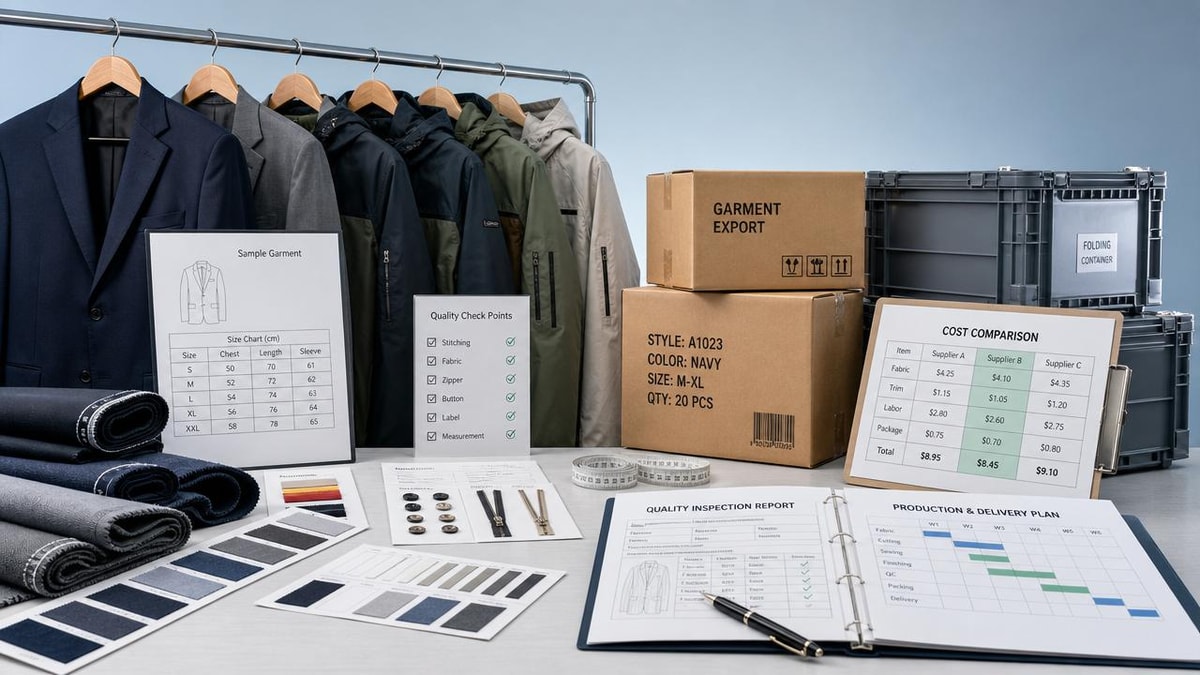
- Factory process audit: cutting accuracy, operator consistency, pressing control, and in-line QC discipline
For enterprise decision-makers, these steps should be viewed as commercial risk reduction, not just technical overhead. A small increase in testing discipline can prevent large downstream losses in returns, retailer disputes, and brand damage.
Questions procurement teams should ask suppliers
When evaluating apparel or textile suppliers, the most useful questions are often direct and specific:
- What fabric tests were performed for stretch recovery and dimensional stability?
- Was the pattern approved only in sample size, or across the size range?
- What is the acceptable tolerance after wear and after wash?
- How is seam distortion monitored during bulk production?
- Which finishing processes affect hand feel and shape retention?
- Is there a wear trial protocol before bulk approval?
- How does the factory control lot-to-lot consistency in fabric behavior?
These questions often reveal whether a supplier is operating with genuine product engineering discipline or simply optimizing for speed and price.
A practical decision framework: when is low durability acceptable, and when is it not?
Not every fast fashion product needs the same durability standard. A trend-driven, low-frequency-use item may tolerate lower performance than a daily-wear essential. But the key is alignment between product promise and actual behavior.
Lower durability may be commercially manageable when:
- The item is clearly occasional use
- The price point transparently reflects limited lifespan
- The fit is not central to product value
It becomes a serious issue when:
- The product is sold as a core wardrobe basic
- The silhouette depends on shape retention
- The brand claims quality, sustainability, or premium comfort
- The target market expects repeat wear performance
For distributors, agents, and retail decision-makers, this framework helps determine whether a supplier’s product is acceptable for the intended channel or likely to create post-sale friction.
Conclusion: one-wear fit failure is a supply chain signal, not a small consumer complaint
When a fast fashion piece fits well only once, the problem usually starts long before the consumer wears it. It begins with decisions about fiber, fabric structure, pattern speed, sewing control, finishing dependence, and quality validation. What looks like a simple fit issue is often evidence of a value chain built for immediate conversion rather than sustained performance.
For buyers, technical teams, and business leaders, the most useful response is not to reject fast fashion as a category, but to sharpen evaluation standards. Products can still be trend-responsive and commercially agile without sacrificing fit stability. The companies that succeed will be those that connect aesthetics with craftsmanship, and speed with measurable quality control.
In short, if a product fits well only once, it was probably never truly engineered to fit well at all. It was engineered to sell first. The smarter commercial strategy is to identify that risk before the order is placed.