Quality Living Starts Small: Materials People Notice Most

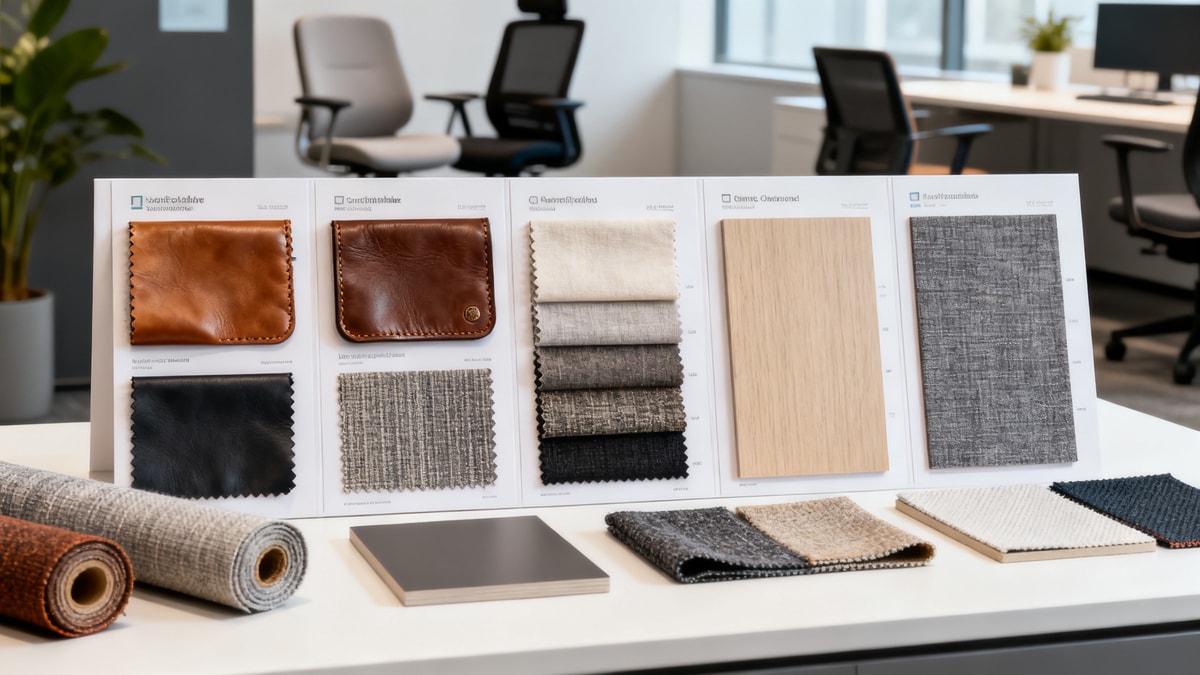
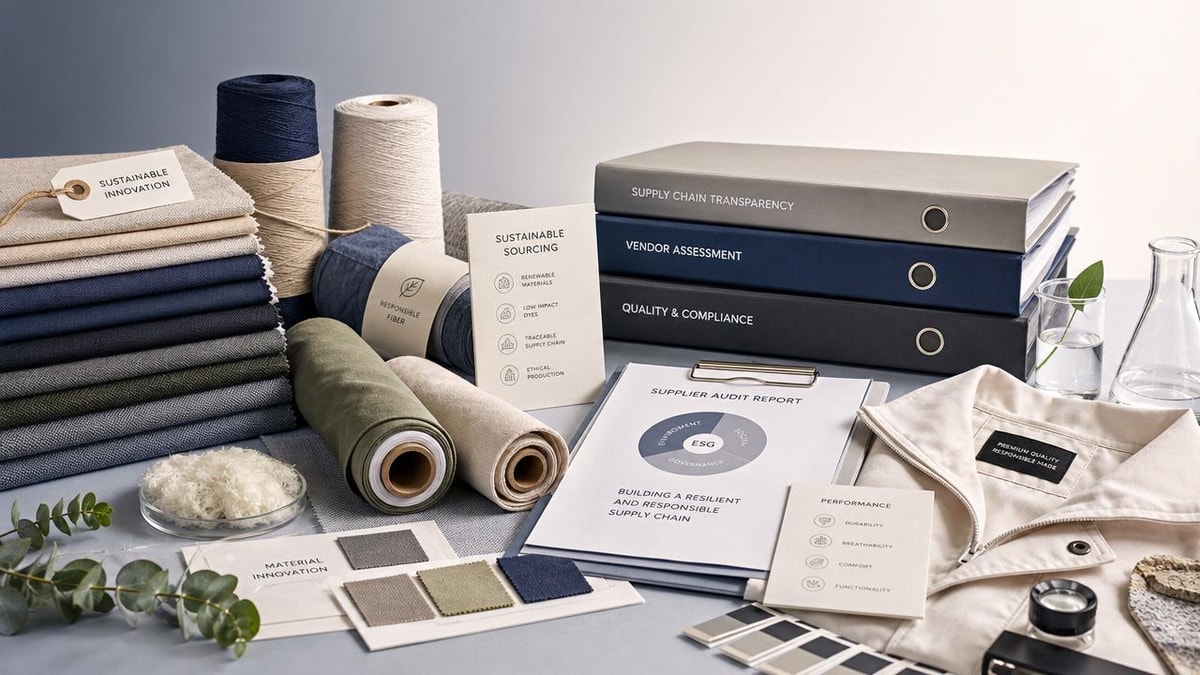
Quality living often begins with the materials people touch first—sustainable textiles, leather goods, office furniture, and home furnishing surfaces that shape daily experience. Across the textile industry, industrial design, fast fashion, camping equipment, and fair trade supply chains are redefining what buyers, evaluators, and decision-makers notice most: comfort, durability, safety, and craftsmanship.
What Do People Notice First in Quality Living Materials?
In B2B procurement, quality living is rarely judged by a technical sheet alone. End users and business buyers usually respond first to tactile performance, visual consistency, odor control, structural comfort, and surface durability. Whether the product is a recycled fabric, a leather accessory, an ergonomic chair, a decorative gift item, or outdoor leisure equipment, the first 30 seconds of contact often shape the entire quality perception.
For information researchers and technical evaluators, this means material selection must connect sensory value with measurable standards. A fabric may look premium but fail on abrasion resistance. A leather-like surface may feel soft but perform poorly under humidity fluctuation. A furniture panel may pass visual review yet create cleaning or VOC concerns during daily use. Quality living starts small because small details often reveal supply chain discipline.
GLC focuses on this decision layer by linking global aesthetics with craftsmanship logic. Instead of treating textiles, home furnishing, gifts, footwear, office products, and outdoor goods as separate categories, the platform reads them through shared evaluation questions: how the material performs, how the finish is controlled, how the production process scales, and how compliance affects marketability across 3 major stages—sampling, qualification, and repeat ordering.
For procurement teams, quality control managers, project leaders, and distributors, the key issue is not simply finding a material that looks attractive. The real task is identifying which material attributes people notice most, which of those attributes influence return rates or brand perception, and which can be validated within a realistic sourcing cycle of 7–15 days for sample review or 2–6 weeks for standard production preparation.
The 5 material signals that influence quality perception fastest
- Surface handfeel: softness, dryness, friction balance, and whether the finish feels natural or overly coated.
- Visual uniformity: color consistency, stitching alignment, grain regularity, and edge cleanliness across batches.
- Comfort response: breathability, ergonomic support, flexibility, and skin-contact friendliness in daily use.
- Durability cues: resistance to pilling, cracking, deformation, peeling, or quick wear after repeated handling.
- Safety and cleanliness: low odor, manageable maintenance, and fit with common chemical or flammability compliance expectations.
Which Material Categories Matter Most Across Textile, Furniture, Gifts, and Outdoor Products?
The answer depends on use frequency, touch frequency, and replacement cost. In textile and apparel, buyers usually prioritize fiber composition, colorfastness, handfeel stability, and sewing compatibility. In footwear and leather goods, focus shifts to flex endurance, coating stability, edge finishing, and whether the material can maintain appearance after repeated bending. In office and space architecture, surface durability and ergonomic interaction often rank above trend color alone.
Gifts and digital craftsmanship products add another layer: emotional value. Here, quality living materials are judged not only by wear resistance but also by narrative consistency. A gift item with sustainable packaging, precise engraving, and clean tactile feedback can outperform a more expensive item with weak detail execution. Outdoor and lifestyle products raise the threshold further because water exposure, UV conditions, and foldability may all affect practical value within 1 seasonal cycle.
For business evaluators and distributors, cross-category comparison helps clarify where to invest. Some products need premium face materials because users touch them every day. Others need stronger internal construction because failure happens under load rather than at first glance. This is why selection should balance visible finish, hidden structure, and compliance checkpoints rather than chasing a single “premium” label.
The table below compares the most noticed material priorities across common quality living sectors. It is useful during early-stage sourcing, portfolio planning, and supplier briefing when teams need a shared decision language.
The comparison shows that quality living materials do not follow one universal standard. Instead, the “most noticed” feature changes by usage context. That is why GLC’s cross-industry method matters: it helps sourcing and decision teams compare material value not only by appearance, but by application logic, production feasibility, and downstream user response.
Why cross-industry analysis improves sourcing decisions
A textile buyer can learn from outdoor durability testing. A furniture brand can borrow low-odor evaluation methods from footwear materials. A gift manufacturer can improve perceived value through packaging surface discipline used in premium apparel. This kind of transfer often reduces trial-and-error during the first 2 or 3 sourcing rounds and creates better communication between design, engineering, and purchasing teams.
How Should Procurement Teams Evaluate Materials Beyond Appearance?
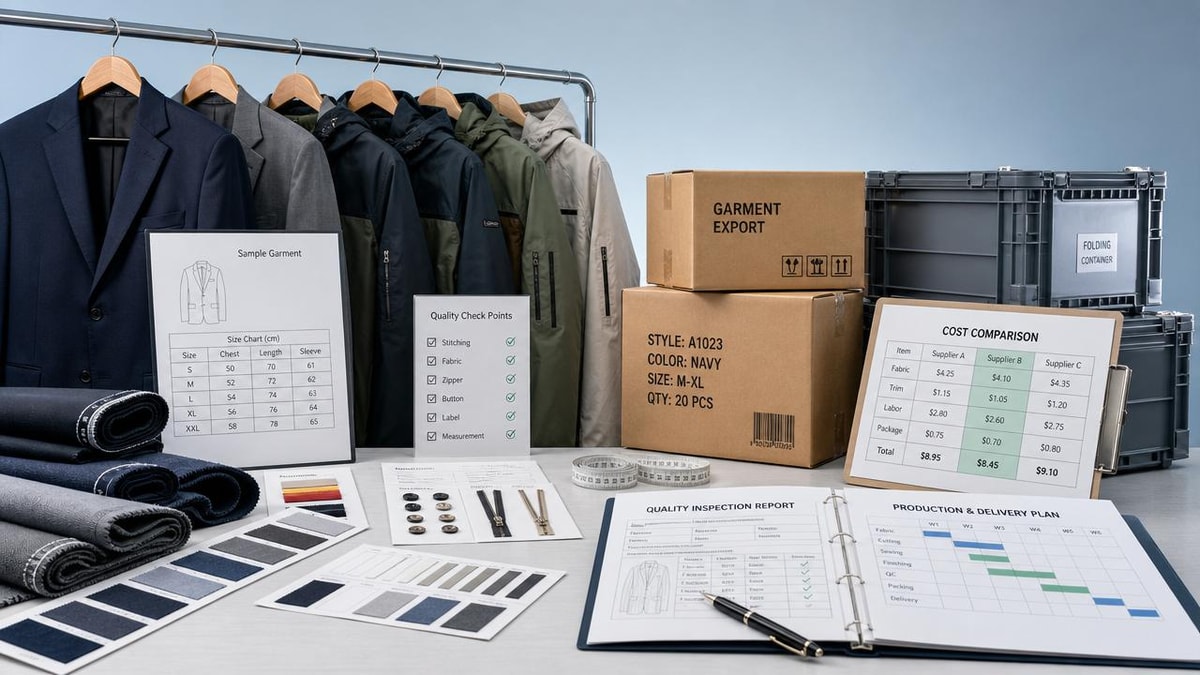
A common sourcing mistake is choosing materials that photograph well but fail under real handling conditions. Procurement teams should use a layered review framework. Start with sensory fit, then move to technical performance, then review production risk, and finally confirm compliance relevance. This four-step sequence helps avoid expensive late-stage rejection after prototypes are approved.
For technical evaluators and QC teams, the first screen usually includes 5 key checks: touch consistency, visible defect tolerance, dimensional stability, odor level, and finish adhesion. The second screen looks at category-specific performance such as abrasion cycles for seating fabrics, flex endurance for synthetic leather, water repellency for outdoor fabrics, or load-related stability for collaborative workspace furniture.
Project managers should also examine manufacturing repeatability. A strong sample is not enough if shade variation, stitch density, coating thickness, or assembly precision cannot be stabilized across small-batch and mid-volume orders. In many soft-industry categories, the real risk appears between the approved sample and the first scaled production run, often within 3–6 weeks after order confirmation.
The matrix below provides a practical procurement guide for teams comparing quality living materials across multiple categories. It can support RFQ preparation, supplier meetings, sample scoring, and internal approval workflows.
This framework turns subjective discussion into operational review. It is especially useful when commercial teams want cost control, designers want aesthetic flexibility, and quality teams want measurable risk reduction. Instead of debating “premium” in abstract terms, teams can align on material behavior, inspection priorities, and delivery consequences.
A practical 4-step sourcing checklist
- Define the touchpoint: identify whether the user touches, sits on, wears, carries, or exposes the product outdoors every day.
- Set 3–5 non-negotiable criteria: for example abrasion level, odor acceptance, color consistency, or moisture handling.
- Review at least 2 alternative constructions: compare material feel, process stability, and replacement risk before approving one option.
- Confirm supply chain readiness: ask about sample lead time, production cycle, inspection points, and documentation support.
What Standards, Compliance Topics, and Hidden Risks Are Often Overlooked?
Many businesses focus on visible craftsmanship and forget that material credibility also depends on compliance readiness. In global sourcing, the relevant requirement may involve chemical management, labeling accuracy, flammability expectations, packaging restrictions, or product-specific safety documentation. The exact framework varies by market and category, but the procurement question is consistent: can the supplier support the target market without last-minute document gaps?
For textiles and apparel, restricted substance screening and fiber-content labeling are common concerns. For footwear and leather-related goods, odor, adhesives, and coating chemistry may require more attention. For office furnishings, VOC-related discussions, surface cleanability, and fire-related expectations can shape project approval. Outdoor products add weather-related performance claims that should be matched with realistic test methods instead of broad marketing wording.
Quality control and safety managers should set a document review schedule at 3 checkpoints: before sampling, before order placement, and before shipment release. This simple timing discipline often prevents avoidable delays. It also helps distributors and agents protect channel reputation, especially when serving retailers or institutional buyers who expect traceable technical records rather than informal assurances.
GLC’s value is not just trend reporting. Its expert-verified approach helps stakeholders connect design trends with industrial standards, so material selection remains commercially attractive while staying grounded in realistic production and compliance logic.
Common hidden risks in quality living material procurement
- Confusing soft handfeel with long-term durability, especially in coated, laminated, or foam-backed materials.
- Approving one sample under indoor conditions without checking humidity, heat, folding, or outdoor exposure behavior.
- Ignoring maintenance requirements, which can turn a visually attractive material into a service problem after installation or retail sale.
- Treating sustainability claims as interchangeable, even though recycled content, bio-based input, and traceable sourcing are not the same thing.
- Waiting until the final week before shipment to ask for technical documents or compliance support files.
A useful rule for risk control
If a material claim directly influences purchasing, user safety, maintenance cost, or market access, it should be checked with a document, a test reference, or a sample-use simulation. This does not mean over-testing every item. It means matching the depth of validation to the actual commercial risk and expected order scale.
How Are Material Choices Changing with Sustainability, Ergonomics, and Supply Chain Pressure?
The direction of quality living materials is becoming more precise. Buyers increasingly want tactile comfort and strong design language, but they also want traceability, lower waste, and easier compliance communication. This shift is visible in sustainable fibers, bio-synthetic leather, modular office furnishing, and technical outdoor materials designed for lighter weight and longer service cycles.
At the same time, budget pressure has not disappeared. Many B2B teams are now comparing not only unit price but total material value over 3 dimensions: first-impression quality, production consistency, and lifecycle practicality. A lower-priced material that causes rework, odor complaints, or fast surface aging may cost more over a 6–12 month channel cycle than a slightly more stable alternative.
Another trend is convergence. Apparel thinking is influencing furniture comfort. Outdoor engineering is shaping urban lifestyle products. Craftsmanship storytelling is upgrading gifts and packaging. GLC sits at this intersection, helping brands and manufacturers read materials not as isolated commodities, but as part of a global aesthetic and industrial decision system.
For decision-makers, this means the best sourcing partner is no longer just a factory contact or a trend scout. It is an intelligence bridge that can translate trend intent into practical specifications, supplier communication, and scalable craftsmanship. That is especially valuable for SMEs moving from product export toward stronger brand positioning.
FAQ: questions buyers and evaluators ask most often
How do we choose between sustainable textiles and conventional materials?
Start with the intended market, price band, and performance requirement. Sustainable textiles can support brand value and sourcing goals, but the right choice depends on whether you need softness, wash stability, technical durability, or traceability support. Compare at least 2 candidate materials under the same sample review conditions and ask for composition clarity before approval.
What matters most when evaluating leather alternatives?
Look beyond appearance. Check flexing behavior, coating integrity, edge treatment, odor, and cleaning tolerance. If the product bends frequently, sample review should include repeated flexing or handling simulation over several days, not just a desktop visual inspection.
How long does a typical material sourcing cycle take?
For common categories, swatch review may take 7–10 days, prototype approval 2–4 weeks, and pilot production validation another 1–3 weeks depending on complexity. Custom finishes, multi-material assemblies, or export documentation requirements can extend the timeline, so early requirement alignment matters.
What do distributors and agents need from suppliers besides price?
They usually need stable repeatability, basic technical documentation, manageable lead times, and product stories that are credible in the target market. A material that is easy to explain, easy to maintain, and easy to reorder often performs better commercially than one that only looks impressive at launch.
Why Work with GLC When Quality Living Starts with Better Material Judgement?
GLC is built for professionals who need more than surface-level inspiration. By connecting textile technology, footwear and leather insight, office and space design evaluation, digital craftsmanship observation, and outdoor field intelligence, GLC helps teams make better sourcing and product decisions across interconnected quality living sectors.
For information researchers, GLC offers structured industry intelligence. For technical evaluators and quality managers, it offers practical interpretation of material parameters and manufacturing logic. For procurement, commercial teams, and decision-makers, it clarifies where aesthetics, craftsmanship, supply chain readiness, and compliance expectations meet in real business scenarios.
If you are comparing sustainable textiles, leather alternatives, furnishing surfaces, gift materials, or outdoor product components, you can use GLC to shorten the gap between trend discovery and sourcing execution. Typical consultation topics include 4 key areas: parameter confirmation, material selection logic, delivery cycle planning, and compliance-oriented documentation expectations.
Contact us if you need support with sample evaluation, category comparison, supplier communication, custom solution direction, certification-related preparation, or quotation discussions. When quality living starts small, the right material judgement can improve product value, reduce sourcing risk, and strengthen market confidence from the first touchpoint onward.