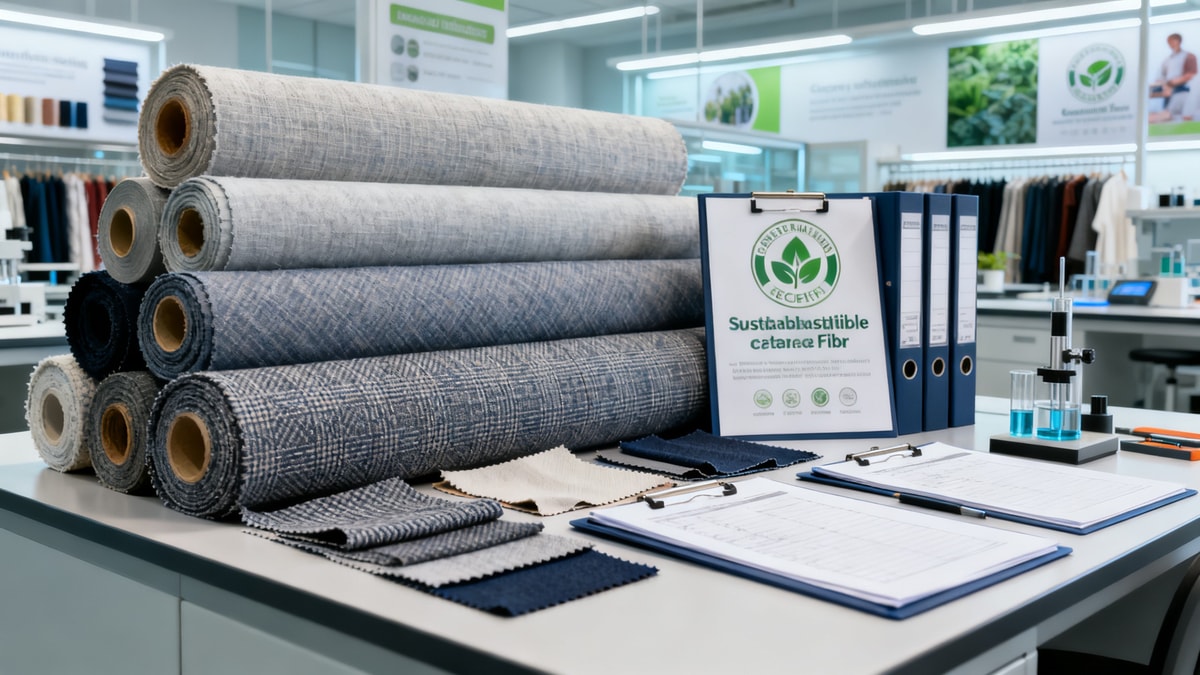
Fair Trade Sourcing Gets Harder When Traceability Breaks

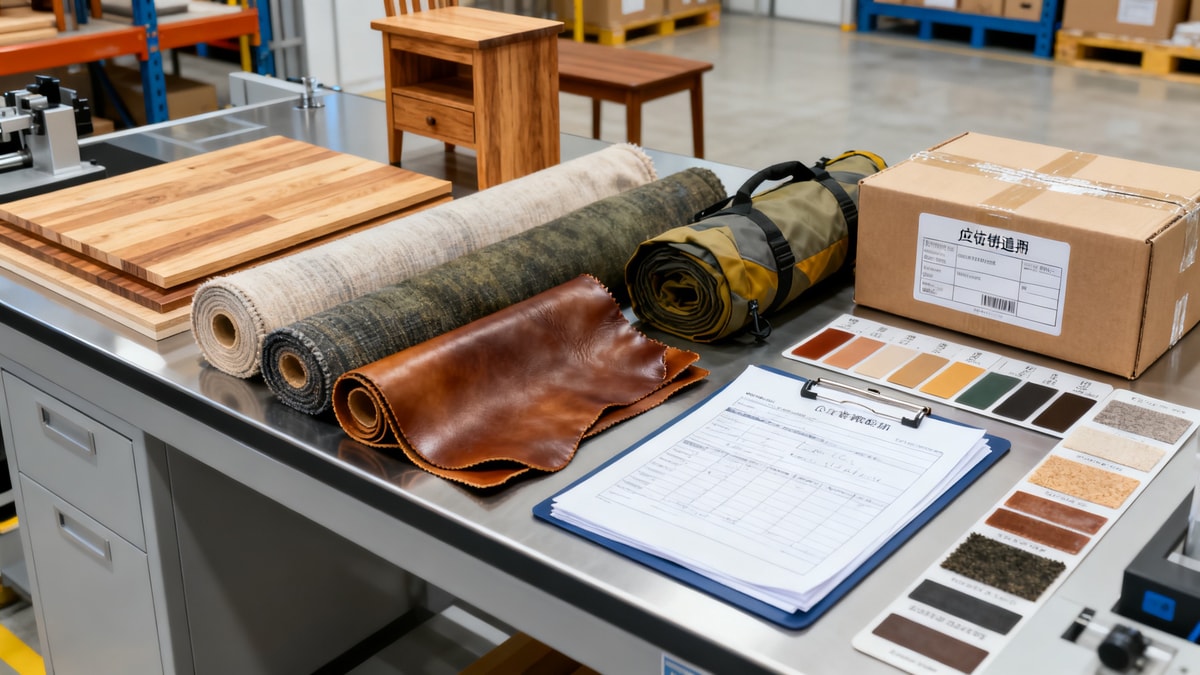
When traceability fails, fair trade sourcing becomes a high-risk challenge across the textile industry, leather goods, home furnishing, office furniture, and camping equipment. For brands pursuing quality living and sustainable textiles, weak visibility can disrupt fast fashion timelines, compromise industrial design standards, and expose hidden compliance gaps. This article explores why traceability matters and how smarter sourcing decisions protect both craftsmanship and commercial trust.
Why Does Fair Trade Sourcing Collapse When Traceability Breaks?
In global sourcing, traceability is not just a documentation exercise. It is the working link between raw material origin, processing history, labor conditions, product specifications, and final delivery claims. Once that link is broken, fair trade sourcing becomes difficult to verify and even harder to defend during procurement reviews, quality audits, and customer due diligence.
This problem cuts across soft-industry categories. A cotton fabric buyer may lose visibility at the ginning or dyeing stage. A leather goods importer may know the tanning partner but not the upstream hide source. A home furnishing distributor may receive attractive product designs but incomplete chain-of-custody files. In outdoor gear, traceability gaps often appear in coatings, trims, insulation, or subcontracted sewing steps.
For procurement teams, the first impact is decision uncertainty. For quality and safety managers, the second impact is risk exposure. For business evaluators and project leads, the third impact is timeline disruption. A sourcing plan that looked workable in 2–4 weeks can quickly extend to 6–8 weeks when supplier mapping, corrective actions, and evidence verification must be reopened.
What usually breaks first?
In practice, traceability failure often starts in one of four zones: undocumented subcontracting, inconsistent batch records, weak material segregation, or unsupported sustainability claims. These failures do not always appear in initial quotations. They surface later, often after sample approval, pre-shipment inspection, or retailer compliance review.
- Undocumented subcontracting creates blind spots between the approved factory and the actual processing site.
- Inconsistent batch records make it difficult to connect purchase orders, production lots, and finished goods labels.
- Weak segregation between certified and non-certified inputs can compromise fair trade sourcing claims.
- Unsupported declarations on recycled content, ethical labor, or sustainable fibers increase commercial and legal risk.
GLC’s value in this environment is not limited to trend observation. By connecting design intent, industrial process knowledge, and supply chain logic, GLC helps buyers evaluate whether a beautiful product concept can also survive technical review, sourcing validation, and market-entry compliance.
Which Risks Matter Most Across Textile, Leather, Furniture, Gifts, and Outdoor Products?
Traceability gaps look different by category, but the commercial consequences follow a similar pattern: delayed approval, higher inspection cost, reduced claim confidence, and greater supplier replacement risk. Teams responsible for category management should evaluate both material flow and claim flow, because many sourcing failures start when the two are not aligned.
In textiles and apparel, fiber origin, spinning, dyeing, and finishing are common control points. In footwear and leather, tanning chemistry, component sourcing, and assembly subcontracting require close review. In office and home furnishing, foam, wood-based panels, coatings, and upholstery fabrics may each carry separate compliance burdens. In gifts and digital craftsmanship, small-batch customization can create recordkeeping inconsistency. In outdoor products, performance treatments and multi-material assemblies add another layer of complexity.
The table below helps procurement and technical teams identify where traceability breakdowns most often appear, what they affect, and what to check before committing to bulk orders or long-term contracts.
A clear pattern emerges: the more multi-stage and multi-material the product is, the more disciplined the traceability system must be. For decision-makers, that means supplier evaluation should not stop at visual quality, price level, or sample speed. It should include document integrity across at least 3 layers of the chain: material source, processing history, and shipment identity.
Why is this getting harder now?
Three market shifts are making fair trade sourcing more demanding. First, buyers increasingly ask for faster launches, often compressing development windows from 8–10 weeks to 4–6 weeks. Second, product stories now carry more sustainability, origin, and craftsmanship claims. Third, supplier networks are becoming more fragmented as factories try to balance cost, specialization, and regional resilience.
The result is a sourcing environment where missing evidence is no longer a minor paperwork issue. It can affect negotiation power, retailer acceptance, and even channel expansion. Distributors and agents, in particular, need stronger traceability because they inherit brand risk without always controlling the factory relationship directly.
How Should Buyers Evaluate Traceability Before Approving a Supplier?
A practical procurement approach starts with a structured review rather than a promise-based discussion. Buyers should ask whether the supplier can link each shipment to defined production lots, whether upstream processors are declared, and whether fair trade sourcing claims are supported by records that remain consistent from sample stage to bulk production.
A 5-point traceability screening model
For sourcing teams managing textiles, furniture, gifts, or outdoor goods, a 5-point model can reduce review time and improve comparability across vendors. It is especially useful during quotation rounds, factory onboarding, and annual supplier requalification.
- Origin clarity: confirm where key raw materials come from and whether source regions or processors are declared.
- Process continuity: check if spinning, weaving, tanning, coating, sewing, or assembly stages are mapped without gaps.
- Batch linkage: verify whether lot codes connect material receipts, work orders, inspections, and final labels.
- Claim support: review whether fair trade, recycled, or low-impact claims are document-backed and time-valid.
- Correction capacity: assess how fast the supplier can close documentation gaps, typically within 3–7 working days.
This framework helps technical evaluators and purchasing managers move beyond broad sustainability language. It shifts the conversation toward operational evidence, which is where many sourcing decisions either gain confidence or lose credibility.
What documents are usually worth checking first?
The first review round does not need to be exhaustive, but it should be focused. Teams can usually gain a reliable first judgment by checking 6 core document types tied to the actual production route.
- Material purchase records showing item descriptions, quantities, and supplier identity.
- Production orders that connect customer style numbers to internal batch or lot codes.
- Subcontracting records when washing, printing, coating, embroidery, or assembly is outsourced.
- Inspection and testing files linked to the same lots used in production.
- Packing and shipping records confirming finished-goods identity at dispatch stage.
- Claim support files for sustainability or ethical sourcing statements, where applicable.
For larger sourcing programs, it is often useful to divide supplier approval into 3 stages: desk review, sample-stage verification, and pre-shipment confirmation. That staged method limits surprises and gives project managers better control over approval milestones.
What Procurement Criteria, Compliance Checks, and Cost Trade-Offs Should You Compare?
Fair trade sourcing decisions rarely depend on one factor alone. A lower quoted price may hide weak process transparency. A highly aesthetic sample may still fail technical scrutiny. A factory with good lead time may depend heavily on undeclared subcontractors. Buyers therefore need a balanced comparison model covering commercial, operational, and compliance dimensions.
The comparison below is designed for B2B evaluation teams reviewing multiple vendors across apparel, leather accessories, furnishing components, gift items, or outdoor equipment. It helps separate low-cost offers from truly manageable supply partners.
This comparison does not mean the most documented supplier is always the best choice. It means buyers should assess total exposure, not just invoice price. In many cases, the hidden cost of traceability failure appears later as expedited shipping, duplicate testing, claim withdrawal, or customer complaint handling.
What standards and compliance checks are commonly relevant?
Requirements vary by market and product, but common review areas include material declarations, chain-of-custody evidence, restricted substance management, labeling accuracy, and social responsibility documentation. Depending on the category, buyers may also review product safety testing, flammability-related requirements, durability results, or packaging-related compliance files.
A disciplined sourcing team usually sets 4 control gates: pre-qualification, sample approval, bulk-production review, and pre-shipment release. If a supplier cannot provide consistent evidence through these gates, fair trade sourcing claims become difficult to defend in front of brand owners, retail buyers, or channel partners.
Common procurement mistakes
- Approving a supplier based only on sample quality without reviewing actual bulk-process mapping.
- Assuming a factory certificate automatically covers all subcontractors and all material sources.
- Treating traceability as a compliance issue only, instead of a pricing, lead time, and reputation issue.
- Waiting until final inspection to request the documents needed for fair trade sourcing validation.
How Can Businesses Build a More Reliable Sourcing Path and Avoid Repeat Failures?
The most effective response is not more paperwork alone. It is a sourcing model that aligns aesthetics, craftsmanship, manufacturing reality, and compliance logic from the start. That is where GLC offers practical value for information researchers, technical evaluators, sourcing teams, business reviewers, and brand decision-makers working across soft-industry categories.
Why GLC is useful in complex fair trade sourcing decisions
GLC operates as an intelligence bridge between global aesthetics and craftsmanship execution. That matters because many sourcing errors happen when design ambition is separated from supply chain capability. A product may look market-ready, but if the fabric route, trim source, tanning process, or assembly network is opaque, its commercial readiness is incomplete.
Through cross-disciplinary review, GLC helps businesses interpret products not only as objects, but as manufacturing systems. Textile specialists can help frame fabric parameter questions. Space design perspectives help assess furniture and workspace products from both function and finish consistency. Outdoor field insight helps examine whether technical claims are matched by sourcing evidence and practical use conditions.
A practical 4-step engagement route
- Requirement clarification: define product category, target market, traceability level, lead time expectation, and commercial constraints.
- Supplier and process review: examine likely risk nodes in materials, subcontracting, testing, and documentation flow.
- Decision support: compare sourcing paths, alternative materials, and documentation readiness for the intended market.
- Implementation follow-up: align sample, bulk, inspection, and shipment checkpoints to reduce late-stage surprises.
This is especially valuable for SMEs trying to move from product export to brand globalization. Smaller teams often face the hardest pressure: limited compliance resources, strict budget control, and aggressive delivery schedules. A structured intelligence layer can help them avoid choosing between design appeal and sourcing credibility.
FAQ: what buyers and project teams ask most often
How long does traceability verification usually take?
For a straightforward product with a short supplier chain, a first-pass review may take 3–7 working days. For multi-material products involving fabrics, foams, hardware, prints, or outsourced finishing, the review can extend to 2–4 weeks, especially if records need correction or upstream processors are not fully declared.
Is traceability only important for certified or premium products?
No. It is also important for mainstream commercial products because it affects shipment reliability, claim accuracy, and buyer confidence. Even when no premium ethical label is used, poor traceability can still increase return risk, testing duplication, and negotiation friction with distributors or retail channels.
What should distributors and agents ask before listing a new supplier?
At minimum, ask for the process map, key material sources, subcontracting disclosure, lot-level record method, and any market-specific compliance files. These 5 questions often reveal whether the supplier is operationally prepared or simply commercially aggressive.
Can a lower-cost alternative still support fair trade sourcing goals?
Sometimes yes, but only if the supplier can maintain consistent material identity and process transparency. Cost savings are more reliable when they come from process efficiency, regional optimization, or simplified construction, not from undocumented substitution or uncontrolled subcontracting.
If your team is comparing sourcing routes for textiles, leather goods, home furnishing, office furniture, gifts, or outdoor products, GLC can support the next step with focused guidance. You can consult on parameter confirmation, material and supplier selection, traceability risk points, expected lead times, customization feasibility, certification-related questions, sample planning, and quotation communication. This makes the sourcing discussion more concrete, faster to evaluate, and easier to align with both craftsmanship standards and commercial objectives.