Footwear Technology Guide: Comfort, Durability, and Safety Benchmarks

Footwear Technology Guide: Comfort, Durability, and Safety Benchmarks
Footwear technology now shapes how products are judged in real industrial settings. Comfort, durability, and safety are no longer soft claims. They must be supported by measurable data.
That shift matters because footwear evaluation now connects design intent, production consistency, material science, and end-use risk. A shoe may look advanced, yet still fail under repeated flexing or slip exposure.
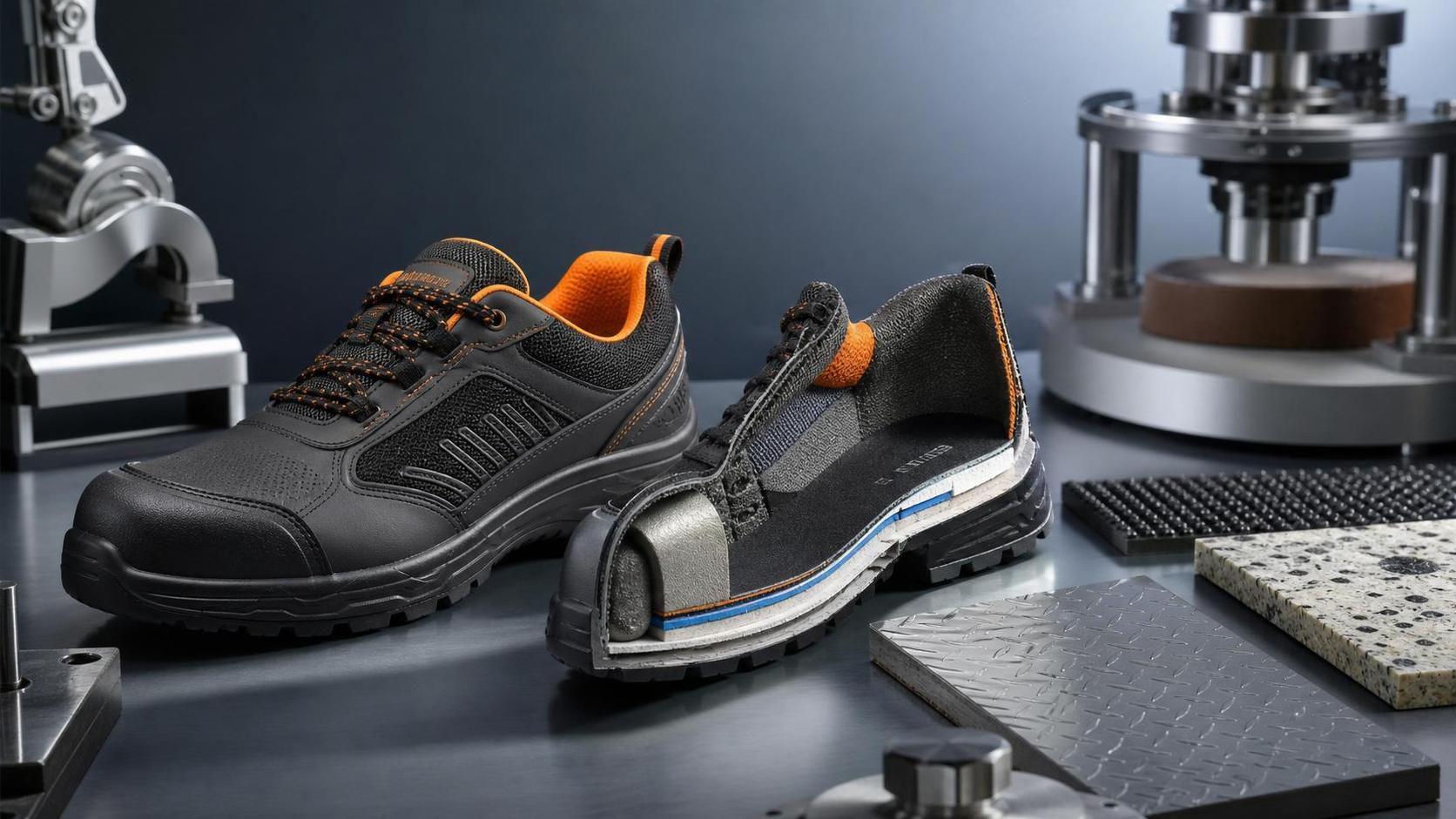
For technical review, footwear technology should be read as a system. Upper materials, sole compounds, internal structure, bonding methods, and testing protocols all affect the final benchmark.
This also means product value cannot be judged by material labels alone. The real question is whether the full construction performs reliably across wear cycles, environments, and safety scenarios.
Within the broader GLC view, footwear technology sits between global aesthetics and manufacturing logic. It turns trend-led footwear concepts into products that can be tested, scaled, and trusted.
Why Footwear Technology Requires Benchmark-Based Assessment
Recent market changes make performance review more complex. Consumers expect lightweight comfort, longer wear life, and visible safety assurance in the same product platform.
At the same time, manufacturers are mixing foam systems, recycled content, bio-based synthetics, knitted uppers, and automated assembly. Each change improves one area but may weaken another.
That is why footwear technology must be assessed against benchmarks rather than promotional language. A benchmark gives a repeatable basis for comparing models, suppliers, and production lots.
In practice, three performance pillars dominate most technical decisions:
- Comfort under realistic wearing duration and movement patterns
- Durability under repeated stress, abrasion, moisture, and deformation
- Safety under slip, impact, compression, and environmental exposure conditions
These pillars overlap. A very soft midsole may improve first-step comfort, yet reduce long-term stability. A harder outsole may raise wear resistance, yet hurt traction on polished flooring.
Comfort Benchmarks in Modern Footwear Technology
Comfort is often treated as subjective, but footwear technology allows several comfort indicators to be measured with useful consistency.
1. Cushioning and Energy Management
Midsole formulation is central here. EVA, PU, TPU blends, and supercritical foams each behave differently in compression, rebound, and long-term set resistance.
A solid assessment checks compression hardness, resilience, and compression set after aging. This reveals whether the shoe will feel consistent after actual use.
2. Fit Stability and Pressure Distribution
Good footwear technology does not chase softness alone. Fit security matters just as much because uneven pressure creates fatigue, friction, and instability.
Technical review should consider last design, heel hold, collar structure, forefoot volume, and insole interaction. Pressure mapping adds useful evidence when comparing similar products.
3. Breathability and Moisture Control
Thermal comfort affects wear acceptance more than many teams expect. Hot spots, sweat retention, and poor lining behavior often drive returns before structural failure appears.
Breathability testing, water vapor transmission, and lining absorption behavior help show whether a shoe supports longer indoor or outdoor use.
From a benchmark perspective, comfort in footwear technology should include both instant perception and retained performance after repeated wear.
Durability Benchmarks That Reveal True Product Life
Durability is where many attractive products begin to separate. A shoe can pass visual inspection while still carrying hidden bonding or material fatigue risks.
Upper and Surface Resistance
For leather, synthetic leather, mesh, and knit constructions, abrasion resistance and tear strength are essential. Seam strength and eyelet reinforcement also deserve close review.
Colorfastness and hydrolysis resistance matter too, especially in warm or humid markets. Surface failure often becomes a brand issue before functional failure becomes obvious.
Sole Wear and Structural Fatigue
Outsole compounds should be tested for abrasion loss, crack resistance, and hardness stability. Flex testing is equally important because repeated bending exposes weak design zones.
In footwear technology, flex durability often tells a fuller story than static strength figures. Shoes fail while moving, not while sitting in a lab display.
Bonding and Assembly Reliability
Adhesion failure remains one of the most common production risks. Cementing quality, surface treatment, curing conditions, and contamination control directly affect sole attachment strength.
This is especially relevant when factories shift to faster output or new sustainable materials. A greener material stack still needs compatible bonding chemistry.
- Check outsole abrasion performance against target use conditions
- Review flex cycles at forefoot and toe spring zones
- Measure upper tear strength and seam integrity
- Validate bond strength before and after heat or moisture exposure
Safety Benchmarks in Footwear Technology
Safety performance depends on product category, but baseline review should never be superficial. Slip control alone can decide whether a product is acceptable.
Slip Resistance
Slip resistance should be evaluated on relevant wet and dry surfaces. Tread geometry, rubber compound, and contamination conditions all influence final behavior.
A strong footwear technology program compares lab slip data with intended environments, such as kitchens, retail floors, light industry, or outdoor pathways.
Impact and Compression Protection
For protective categories, toe cap behavior, puncture resistance, and sole penetration protection must align with recognized standards and actual work risks.
The benchmark question is simple: does the protection system remain effective after aging, flexing, and repeated loading?
Chemical and Environmental Safety
Safety also includes restricted substances, odor control, skin contact compatibility, and performance stability under heat, cold, or moisture.
In current sourcing practice, footwear technology is increasingly linked to compliance review. Material declarations and test evidence now support both safety and market access.
How to Read Standards and Test Data More Effectively
Standards provide structure, but test results still need interpretation. One passing report does not automatically prove long-term reliability.
A more reliable method is to review test data in layers. Start with product category requirements, then compare material-level and finished-shoe results.
Another useful step is lot-to-lot comparison. Footwear technology can look stable during sampling, then drift during scaled production because of curing changes or raw material variance.
That is why benchmark review should include process capability, not only end-product numbers.
Practical Evaluation Priorities for Sourcing and Development
In actual business, the best footwear technology assessment is clear, repeatable, and tied to end-use conditions. Broad testing without decision logic wastes time.
- Define the use case first, including wear duration, surface type, climate, and safety exposure.
- Match the material system to that use case instead of following trend materials blindly.
- Set minimum benchmarks for comfort retention, flex life, abrasion, and slip performance.
- Review both lab results and assembly controls, especially adhesion and molding consistency.
- Recheck critical indicators after aging, moisture exposure, or repeated wear simulation.
This approach reduces common errors. It helps prevent overrating comfort foam, underrating bond risk, or assuming certification alone covers every field condition.
Closing View on Footwear Technology
Footwear technology is no longer just about innovation claims. It is about measurable balance across comfort, durability, and safety.
The strongest products are not those with the most features. They are the ones that keep performance stable from design sample to production reality.
For teams working across sourcing, testing, and manufacturing, the practical path is clear. Use footwear technology benchmarks to connect aesthetics, craftsmanship, and industrial evidence.
That is where better decisions start, and where durable product value becomes easier to prove in the global market.