Smart Footwear Features That Matter in Daily Use


Smart footwear has moved beyond novelty and into a more demanding stage of market evaluation. Daily use now decides value. A shoe may offer sensors, connectivity, or adaptive support, yet its real merit appears only when comfort, durability, and data reliability hold up through repeated wear.
That shift matters across the wider lifestyle industry. Footwear no longer sits apart from textiles, digital craftsmanship, ergonomic design, and outdoor performance. It belongs to a connected product ecosystem, where aesthetics, industrial standards, and scalable manufacturing must work together.
In that context, smart footwear becomes a useful lens for judging how design intelligence meets practical craftsmanship. The most relevant features are not always the most visible. They are the ones that keep performing under ordinary pressure, motion, sweat, charging cycles, and long-term material stress.
What smart footwear really means in everyday products
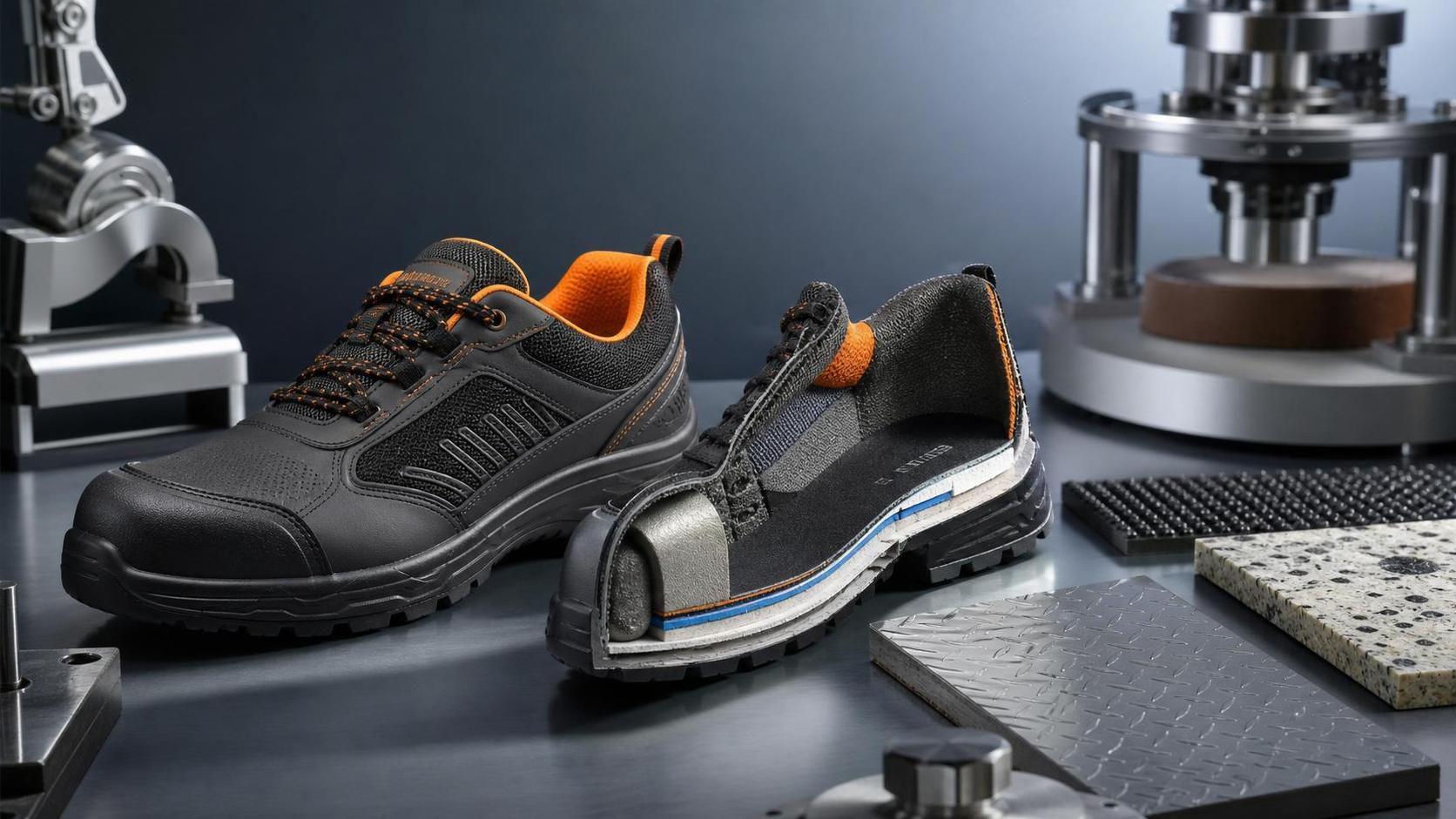
At a functional level, smart footwear combines traditional shoe construction with embedded technologies that sense, respond, or communicate. These may include pressure sensors, motion tracking modules, temperature monitoring, adaptive cushioning systems, or app-linked feedback tools.
However, not every connected shoe qualifies as a strong daily-use solution. In practice, smart footwear must behave like dependable footwear first. Fit, flex, traction, breathability, and structural balance remain the foundation.
Only after those basics are secured do digital features create lasting value. This is where many products separate. A technically impressive concept may still fail if electronics alter weight distribution, reduce comfort, or complicate maintenance.
Why the category deserves closer attention now
Several industry forces are pushing smart footwear into a more serious position. Consumer expectations have risen. Products are judged not only on style, but also on measurable support for health, activity, convenience, and personalization.
At the same time, the supply chain has become more capable. Sensor miniaturization, lighter batteries, improved bonding methods, and bio-synthetic leather options have made integration more practical than it was a few years ago.
This aligns closely with the broader GLC perspective. The footwear and leather segment now sits at the intersection of material innovation, intelligent machinery, and aesthetic-led consumption. The key question is no longer whether a shoe can become smart, but whether it can do so without weakening craftsmanship.
That question also matters for global scaling. A product that performs well in a prototype lab may still face inconsistency in mass production, especially when textile behavior, electronic stability, and assembly tolerances interact.
The features that matter most in daily use
In real-world assessment, a few features consistently carry more weight than headline innovations. They influence whether smart footwear remains useful after the first week, the first charging cycle, and the first season.
Pressure sensing and gait relevance
Pressure mapping is often one of the strongest indicators of practical value. It can reveal stride imbalance, heel impact patterns, or standing fatigue. Yet usefulness depends on sensor placement, sampling consistency, and calibration stability.
Data that drifts after repeated compression has limited daily meaning. Reliable smart footwear should preserve sensing accuracy despite bending, moisture exposure, and midsole deformation.
Battery life that matches real routines
Battery performance should be judged against realistic wearing cycles, not ideal laboratory claims. A shoe worn for commuting, office transitions, short walks, and evening activity needs stable power under fragmented use.
Charging convenience also matters. If charging interfaces are fragile, exposed, or awkwardly placed, user compliance drops. In daily-use smart footwear, power design should feel nearly invisible.
Material durability around embedded components
The smartest system can still fail through material fatigue. Uppers, liners, adhesives, and cushioning compounds must tolerate the stress introduced by embedded hardware. This is especially important where flex points meet circuit paths.
Well-designed smart footwear distributes mechanical strain instead of concentrating it. Material selection should support repeated folding, sweat resistance, and cleaning tolerance without degrading sensor performance.
Comfort under ordinary wear conditions
Comfort is still the most decisive feature. Added electronics should not create pressure spots, alter arch behavior, or increase forefoot stiffness beyond acceptable limits. Even a slight imbalance becomes noticeable after hours of wear.
This is where craftsmanship remains central. Last design, insole layering, seam placement, and internal finishing often determine whether technology feels integrated or merely inserted.
Data usefulness rather than data volume
Many products collect more data than they can meaningfully interpret. Daily-use value usually comes from a smaller set of reliable indicators, such as step pattern consistency, load distribution, or fatigue-linked movement changes.
When smart footwear offers actionable feedback, the digital layer supports better wear experiences. When it produces vague or noisy outputs, the feature set quickly becomes decorative.
A practical view of evaluation priorities
A balanced review should connect product function with manufacturing realism. The table below outlines a useful way to frame assessment across performance, comfort, and industrial consistency.
Where smart footwear creates business value
The strongest applications appear where daily wear generates meaningful feedback or performance support. That makes smart footwear relevant across lifestyle retail, wellness-driven products, light occupational use, and outdoor-oriented categories.
In office and hybrid work settings, prolonged standing and repeated floor transitions create demand for better pressure management. In urban commuting, gait and fatigue tracking can support comfort-led design differentiation.
Outdoor and leisure segments introduce another layer. Shoes used across varied surfaces, changing temperatures, and longer activity windows can benefit from adaptive support and condition monitoring, provided the construction remains robust.
There is also a strategic value for brands seeking stronger product stories. When smart footwear is backed by verified material parameters and clear function, it helps connect design language with industrial credibility.
Common weak points behind promising concepts
Some recurring issues appear across the category. They are often less visible than headline features, but they shape product success far more directly.
- Sensors perform well in static testing, then lose consistency under repeated flexing.
- Battery placement improves design symmetry on paper, yet creates localized discomfort.
- Water resistance is claimed at component level, but not validated at full-shoe assembly level.
- Digital features are added without a clear use case, reducing perceived product value.
- Manufacturing lines achieve prototype quality, but not batch-to-batch consistency.
These weak points show why cross-disciplinary review matters. Material specialists, product designers, and testing teams often need the same performance language before a concept can mature into a dependable market item.
How to judge next-generation potential
The future of smart footwear will likely depend less on adding more electronics and more on integrating them with better restraint. Lighter modules, more breathable protective structures, and lower-energy sensing systems are likely to matter more than visible complexity.
Sustainability will also influence the next round of evaluation. Bio-synthetic leather, recyclable cushioning systems, and repairable component architectures may become competitive factors, especially as green supply chain standards tighten.
That direction fits the broader industry shift GLC tracks across textiles, footwear, and lifestyle products. The most credible products will bridge aesthetics, measurable function, and responsible production rather than treating them as separate goals.
A useful framework for the next review cycle
When reviewing smart footwear for daily use, it helps to begin with a simple sequence. Check whether the shoe performs well as footwear. Then verify whether the smart layer produces stable, useful, and maintainable value.
After that, compare prototype promise against production reality. Materials, assembly tolerances, charging design, and long-wear comfort often reveal more than specification sheets.
A grounded assessment usually leads to better decisions than feature-driven enthusiasm. For the next evaluation round, focus on wear data quality, comfort integrity, and manufacturing repeatability together. That is where smart footwear proves whether it belongs in everyday life.