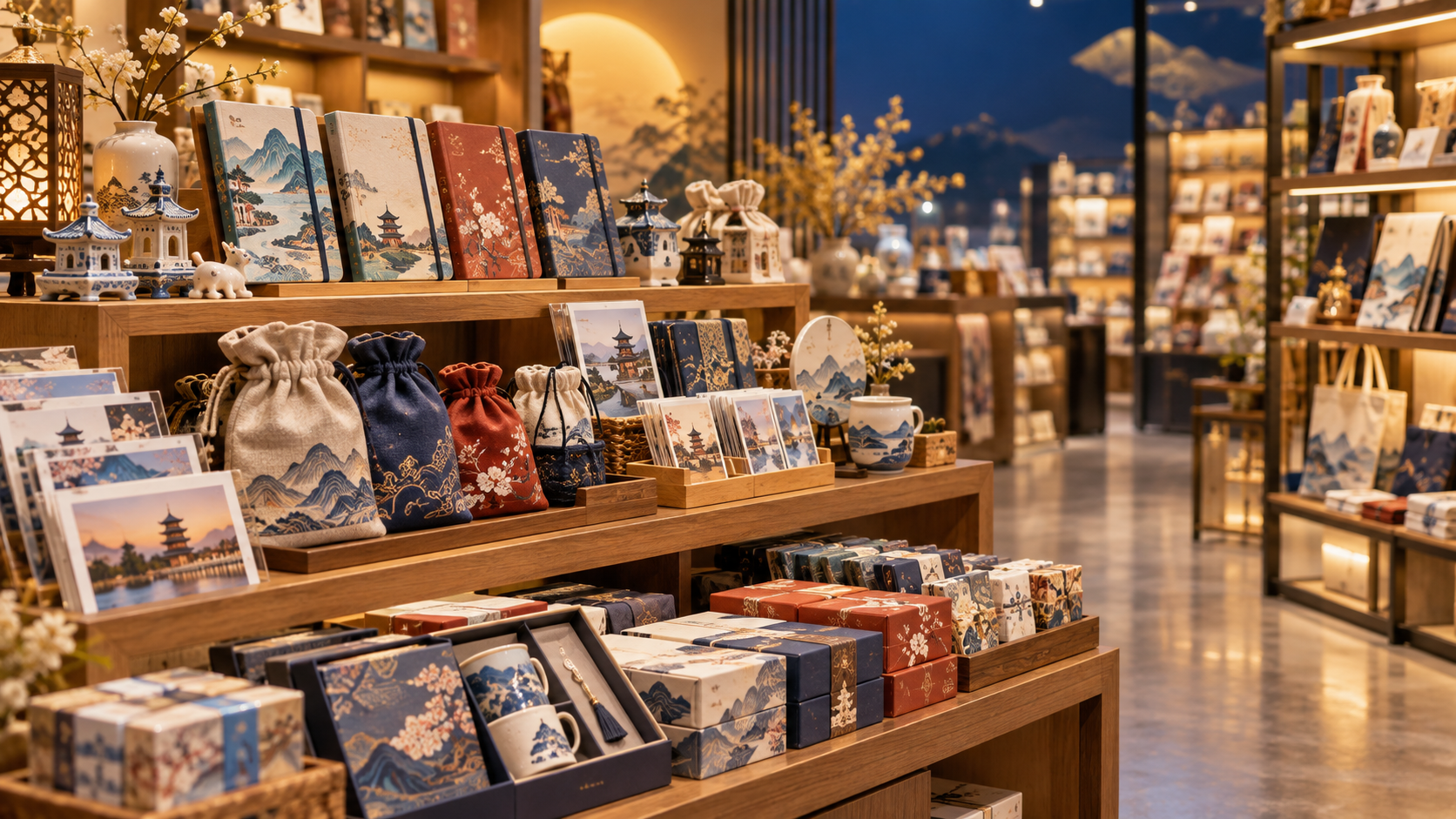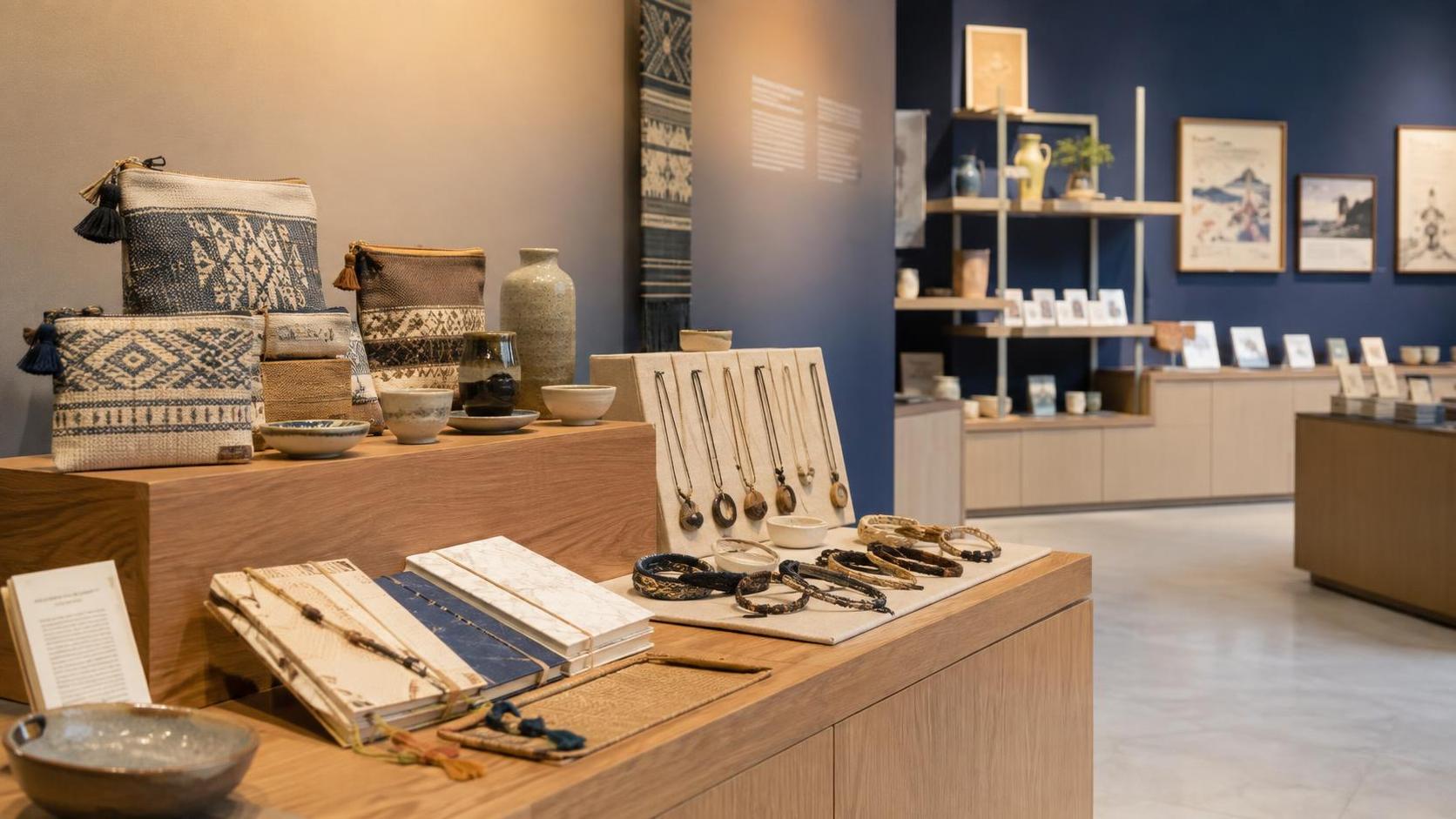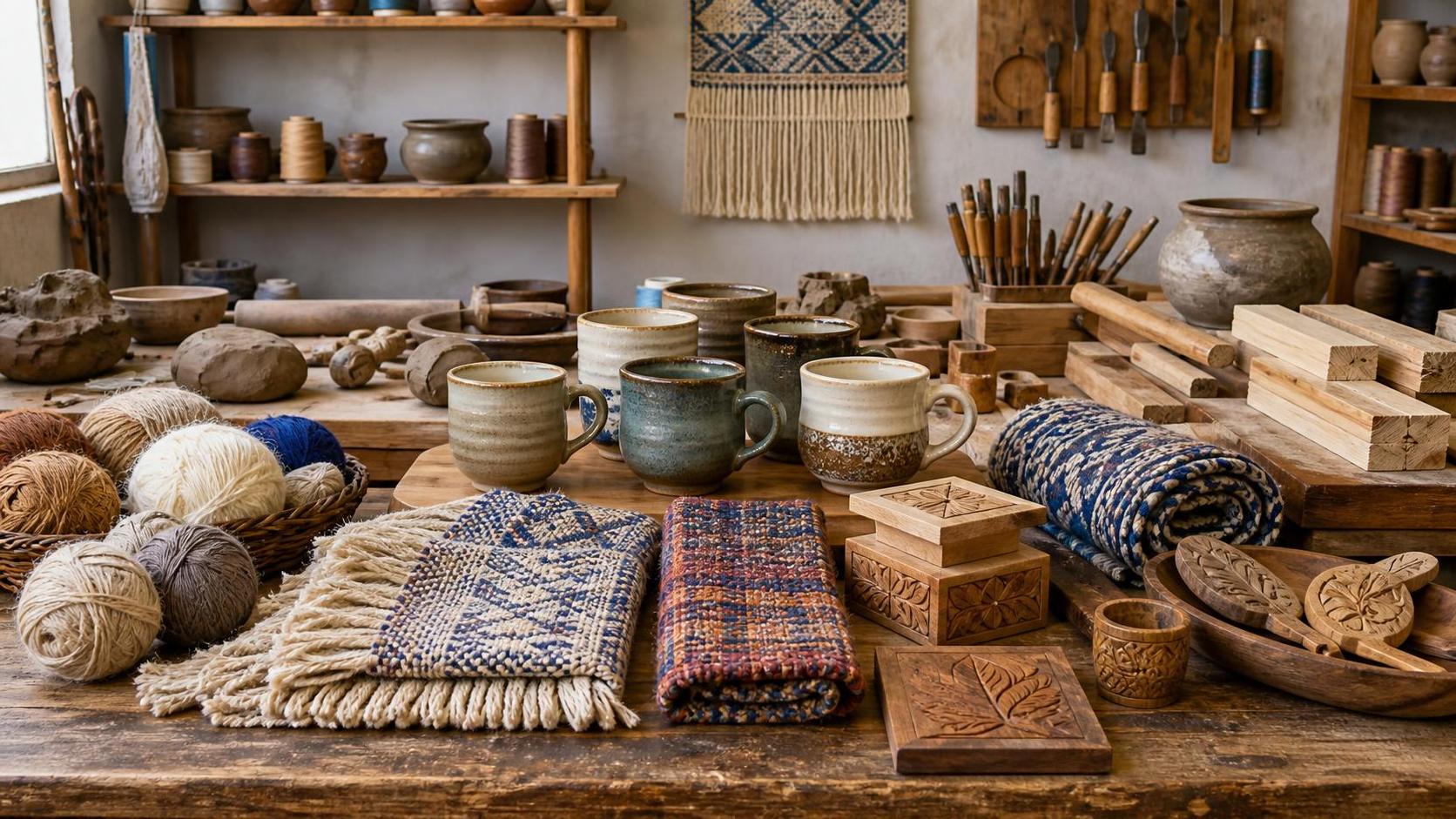
Global Craftsmanship Trends Shaping Cultural Souvenirs in 2026

Global craftsmanship is moving from decoration to strategy
In 2026, cultural souvenirs are no longer treated as simple keepsakes.
They are becoming compact expressions of place, design, and production credibility.
That shift is giving global craftsmanship a more strategic role across development, sourcing, and market positioning.
What looks like a small object now carries larger expectations.
Buyers want cultural depth, reliable quality, and materials that fit modern sustainability standards.
At the same time, producers must balance heritage value with repeatable manufacturing performance.
This is where global craftsmanship matters most.
It connects local identity with industrial precision, and design language with supply chain reality.
Across textiles, gifts, leather, furnishing accents, and outdoor lifestyle products, the same pattern is emerging.
Cultural souvenirs are being redesigned as lifestyle objects with longer use cycles and stronger storytelling power.
The clearest signal is a wider definition of what a souvenir can be
Recent demand shows a move away from low-cost, generic memorabilia.
The market is favoring objects that feel useful, tactile, and culturally grounded.
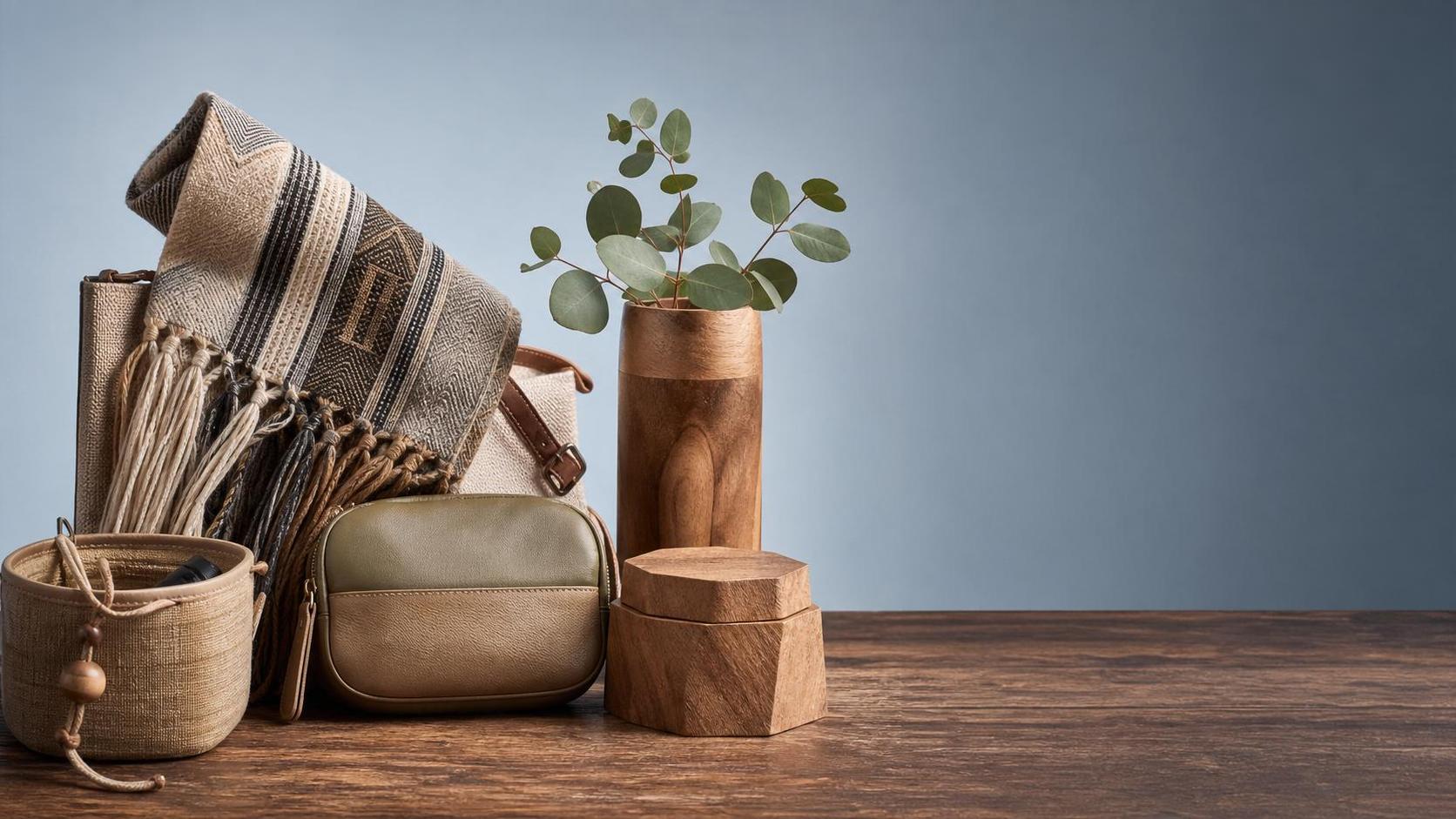
That includes woven accessories, modular desk objects, leather travel pieces, scent-related gift items, and compact outdoor gear with local references.
The change is not only aesthetic.
It reflects how people now consume culture through daily life rather than one-time display.
A souvenir is expected to sit naturally in the home, office, or travel routine.
This broader definition is expanding the relevance of global craftsmanship across several sectors at once.
Textile techniques influence packaging and surface storytelling.
Furniture logic shapes portability and ergonomics.
Outdoor product engineering informs durability, weather resistance, and compact construction.
The result is a more integrated souvenir category, where design decisions are increasingly cross-disciplinary.
Why this shift is gaining speed
- Travel recovery is raising demand for culturally specific products with premium positioning.
- Digital retail makes visual sameness easier to spot and less competitive.
- Consumers increasingly judge authenticity through material choice and making methods.
- Small-batch production tools now support variation without losing quality control.
- Sustainability scrutiny is pushing producers toward traceable craft and longer product lifecycles.
Digital tools are not replacing handcraft, but changing its operating model
One of the more important developments in global craftsmanship is the rise of digital support around handmade value.
The conversation has moved beyond simple customization.
Now the focus is on how digital processes can protect craft intent while improving production stability.
Pattern simulation, low-volume digital printing, laser detailing, and AI-assisted archive sorting are all part of this shift.
More worth noting is the operational benefit.
Digital sampling reduces the cost of testing culturally sensitive motifs.
Material data improves consistency when products move from artisan studio to regional manufacturing partner.
This is especially relevant in categories where color, texture, and tactile perception define value.
For a platform built around the bridge between aesthetics and manufacturing power, this hybrid model is becoming central.
The strongest examples of global craftsmanship in 2026 are not purely handmade or fully automated.
They are carefully staged combinations of both.
Materials are becoming part of the cultural story
In earlier souvenir cycles, storytelling often stopped at graphics or symbolic form.
In 2026, materials themselves are telling the story.
That is changing how global craftsmanship is evaluated across product categories.
Natural fibers with local sourcing logic, low-impact dyes, regenerated leather alternatives, and reclaimed wood accents are carrying more cultural and commercial value.
This matters because authenticity is increasingly judged through the full build of the object.
A heritage pattern on a weak substrate no longer feels convincing.
A simple form made with honest materials often performs better.
The pressure is also technical.
Many souvenir products now need better abrasion resistance, fold performance, wash stability, or humidity tolerance.
That is why expertise from textile technology, space design, and outdoor testing is becoming more relevant in cultural product planning.
Global craftsmanship is no longer only about beauty at first glance.
It is about material credibility over time.
Where the material shift is most visible
- Textile souvenirs now use performance blends that preserve hand feel while improving durability.
- Leather gifts are moving toward bio-synthetic options with clearer environmental narratives.
- Desk and home objects increasingly combine craft surfaces with engineered structures.
- Outdoor-themed souvenirs are adopting technical trims once reserved for functional gear.
The impact is spreading far beyond the gift shelf
A notable feature of the current cycle is that the effect does not stay inside the souvenir category.
It influences brand architecture, line planning, packaging systems, and regional manufacturing choices.
When global craftsmanship becomes a strategic asset, decisions in one area shape many others.
For example, a textile-based souvenir collection may require new dye controls, new vendor qualifications, and a different replenishment rhythm.
A leather travel keepsake may change compliance documentation and shelf-life testing.
A home accessory inspired by local architecture may need packaging redesign to protect form and finish.
This makes cross-functional coordination more important than before.
The teams that perform well are usually the ones that treat cultural meaning as a design input, not a final decoration step.
They build product logic around user context, expected wear, and manufacturing tolerance from the beginning.
That approach reduces the common mismatch between beautiful concept stories and weak delivery performance.
The next competitive edge will come from disciplined interpretation
The market does not reward cultural density on its own.
It rewards interpretation that is usable, legible, and manufacturable.
That is likely to define the stronger forms of global craftsmanship in the next phase.
Overloaded symbolism, unclear origin claims, and fragile artisanal finishing are becoming commercial risks.
More resilient products tend to share a few traits.
- They translate heritage into forms that fit current living habits.
- They define which craft elements must stay manual and which can be standardized.
- They document material origin and performance in credible detail.
- They use supply chain flexibility to localize collections without losing quality discipline.
This is also where intelligence platforms with cross-sector expertise become valuable.
Reading craft direction through textiles, furnishing, leather, gifting, and outdoor categories together gives a more accurate picture of demand.
It helps separate short-lived visual trends from structural changes in how cultural products are specified and delivered.
What deserves closer attention through 2026
The strongest near-term decisions will come from careful observation rather than broad enthusiasm.
Global craftsmanship is gaining importance, but not every expression of it will scale well.
A practical response starts with a few focused checks.
- Review whether cultural storytelling is supported by materials, finishing, and product lifespan.
- Map which steps require artisan control and which benefit from digital repeatability.
- Compare regional demand signals before committing to broad assortment expansion.
- Track emerging standards around traceability, recycled content, and labeling transparency.
- Build phased launch plans that allow testing without weakening craft value.
The broader direction is clear.
Cultural souvenirs are becoming smarter, better engineered, and more integrated with everyday living.
Global craftsmanship sits at the center of that change.
The next step is to treat craft not as a finishing touch, but as a structured development variable.
That means watching market signals, validating material choices, and building response plans that connect design ambition with production reality.
In 2026, that discipline is likely to matter more than style alone.