How Global Craftsmanship Adds Value to Premium Gift Collections

Why does global craftsmanship matter so much in premium gift collections?
Premium gifts are rarely judged by function alone. People notice texture, finish, proportion, and the story behind the object.
That is where global craftsmanship creates value. It turns a useful item into a memorable experience with emotional weight.
In practical terms, global craftsmanship combines regional techniques, material knowledge, and production discipline from different parts of the world.
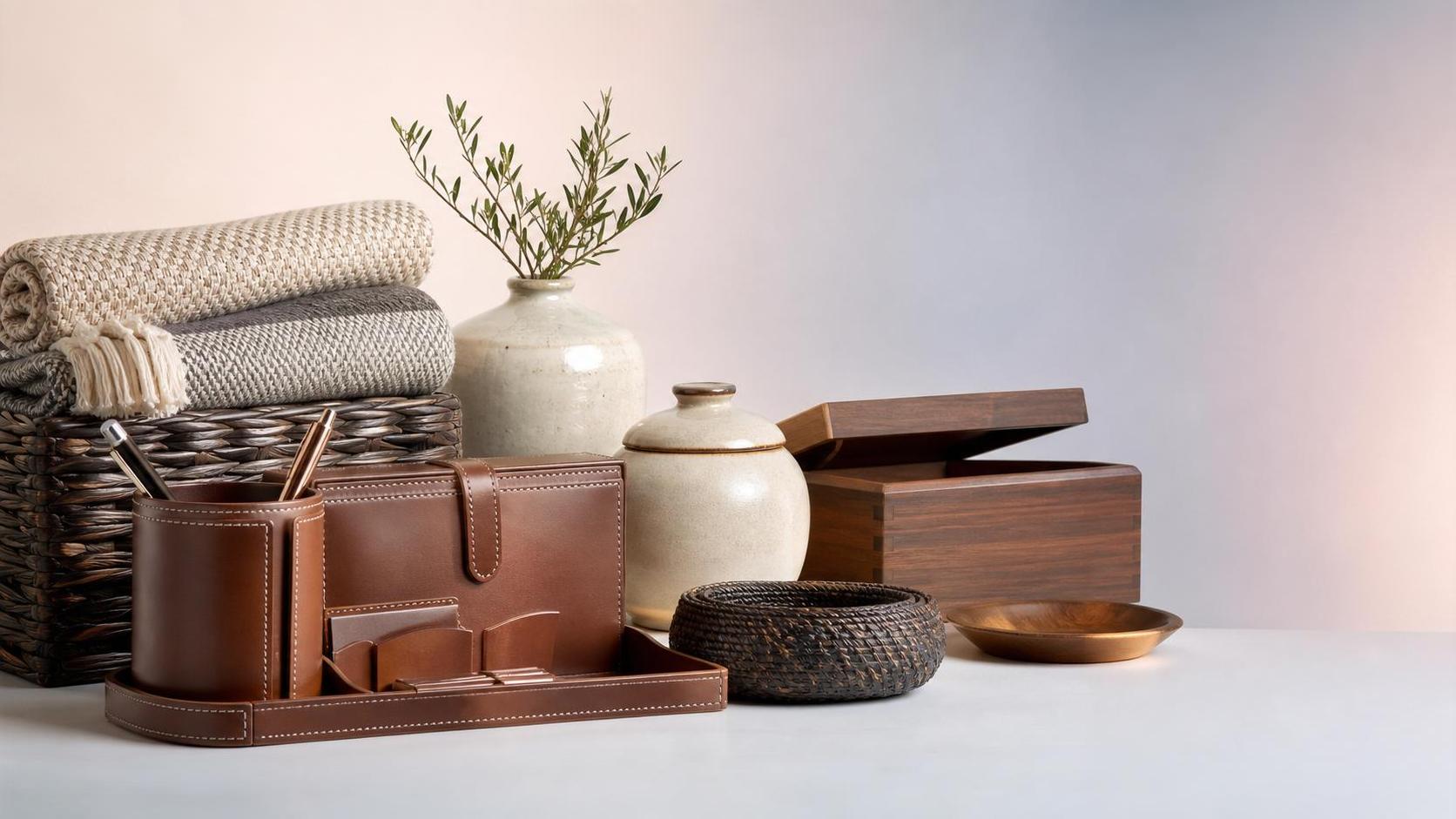
A woven textile gift, a leather desk accessory, or a crafted home object can carry distinct cultural cues without losing commercial relevance.
This matters even more in today’s gift market. Buyers expect design depth, quality assurance, and a credible origin story.
Global craftsmanship helps answer all three. It supports visual differentiation, perceived value, and trust in the making process.
A strong example comes from cross-category collections. Textiles, small furnishings, leather goods, and lifestyle accessories often work better when craftsmanship connects them.
That bridge between aesthetics and manufacturing is also why industry platforms like GLC focus on both design thinking and supply chain logic.
A gift may look elegant on the surface. Its real value often depends on how well materials, methods, and sourcing are aligned underneath.
What does global craftsmanship actually add beyond “better quality”?
Saying “high quality” is too vague. In premium gift collections, global craftsmanship adds several layers of value at once.
First, it adds design authenticity. A product shaped by real craft traditions feels more grounded than one that only copies a visual trend.
Second, it improves sensory experience. Stitch density, hand feel, edge finishing, glaze depth, or wood treatment all affect how premium a gift feels.
Third, it supports storytelling. Premium gifting often depends on narrative, especially when the collection is meant to reflect taste, culture, or occasion.
Fourth, it strengthens category crossover. A collection can unify apparel textures, home accents, office items, and outdoor lifestyle gifts through shared craft language.
Finally, global craftsmanship can improve longevity. Better methods often lead to stronger seams, more stable colors, cleaner assembly, and fewer visible defects.
This does not mean every handcrafted detail is automatically valuable. The key is whether the craft improves user perception and product performance together.
In the gifts and digital craftsmanship space, this balance is becoming more important. Buyers want heritage cues, but they also expect consistency and scalable delivery.
A quick way to judge that added value
This table also explains why global craftsmanship is discussed across textiles, leather, furnishing, and lifestyle products rather than in one category alone.
Which gift categories benefit the most from global craftsmanship?
The short answer is broad: almost any premium gift can benefit, but not in the same way.
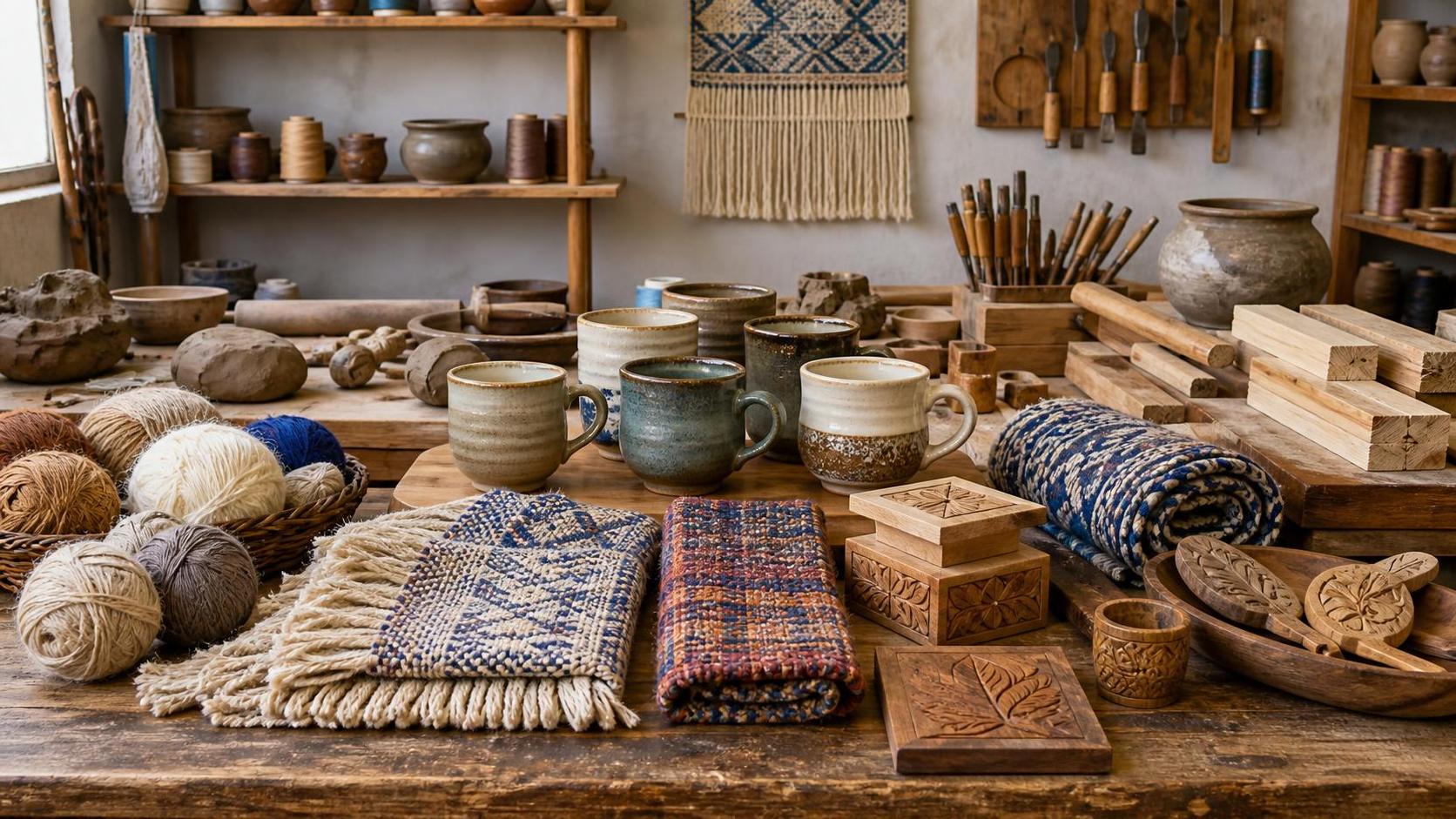
Textile-based gifts often gain through weave detail, sustainable fibers, dyeing methods, and surface touch. These details strongly influence perceived care and refinement.
Leather and footwear-related gifts benefit from edge painting, cutting precision, lining quality, and material innovation such as bio-synthetic leather.
Home and office gifts rely more on ergonomic thinking, spatial harmony, and finish consistency. A desk object must feel comfortable as well as elegant.
Gifts shaped by digital craftsmanship add another layer. Laser detail, smart finishing, and customized pattern control can modernize traditional forms.
Outdoor and lifestyle gifts also fit this conversation. Technical fabrics, packable structures, and weather-resistant treatments can still carry premium craft values.
What changes from category to category is the proof point. In one product, hand feel matters most. In another, precision assembly or environmental resistance matters more.
A useful way to think about global craftsmanship is not “handmade versus industrial.” It is “which craft choices create visible and lasting value here?”
- Soft gifts: focus on fibers, touch, stitching, and color depth.
- Leather gifts: check structure, edges, hardware, and aging behavior.
- Desk and home gifts: judge proportion, finish durability, and usability.
- Outdoor gifts: compare technical reliability with aesthetic restraint.
How can you tell whether global craftsmanship is genuine or just marketing language?
This is one of the most useful questions, because “craft” is often used loosely.
A credible global craftsmanship story usually leaves evidence across design, sourcing, and production. It should not depend on packaging copy alone.
Start with material transparency. Are the fibers, leather types, coatings, or finishes clearly described? Vague labels often hide average execution.
Then look at technical consistency. Premium gifts should show control in stitching, symmetry, color matching, and surface treatment.
Next comes cultural fit. Genuine global craftsmanship respects the origin of techniques instead of turning them into random decorative references.
Supply chain clarity matters too. GLC’s industry perspective is useful here because craftsmanship is not just an aesthetic idea. It is also an operational system.
When design teams and production partners are aligned, products usually show fewer contradictions between concept and execution.
A modern gift collection may use digital tools, but that does not weaken global craftsmanship. In many cases, it improves precision while keeping heritage techniques visible.
Common signs of substance versus surface
Does global craftsmanship increase cost and lead time too much?
Sometimes yes, but not always in a damaging way. The better question is whether the added cost creates visible and marketable value.
Certain craft-intensive processes do increase sampling time, material selection work, and quality control requirements.
That said, global craftsmanship can also reduce hidden costs. Better construction may lower returns, quality disputes, and redesign cycles.
In actual projects, timing depends on complexity. Customized textile blends, artisan finishes, or multi-origin sourcing naturally require more coordination.
Digital craftsmanship can offset part of that pressure. It helps standardize certain details without flattening the design language.
Another factor is sustainability. Green materials and fair trade alignment may add upfront screening work, but they can strengthen long-term brand credibility.
This is especially relevant as gift collections increasingly reflect wider lifestyle values, not just decorative appeal.
If a premium gift is meant to represent quality living, the sourcing model has to support that message, not contradict it.
- Confirm which details truly need artisanal depth.
- Separate visual upgrades from structural upgrades.
- Check whether digital processes can protect consistency.
- Review sustainability claims alongside craft claims.
What are the most common mistakes when evaluating global craftsmanship?
One common mistake is confusing ornament with craftsmanship. Decorative detail alone does not guarantee premium value.
Another mistake is focusing only on origin labels. A respected region helps, but execution quality still determines whether the gift feels exceptional.
People also underestimate fit between craft and use. A beautiful finish that scratches easily may weaken the gifting experience.
There is also the risk of fragmented sourcing. If materials, design intent, and final assembly are disconnected, the collection can feel uneven.
That is why cross-disciplinary review matters. Technical specialists, design evaluators, and field-tested product insight often reveal different strengths and risks.
This multi-angle method is central to how informed industry analysis works. It helps separate aesthetic noise from durable product value.
A final mistake is ignoring collection logic. One excellent item cannot fully carry a premium gift set if the other pieces feel generic.
Global craftsmanship works best when it shapes the full experience, from materials and handling to cultural meaning and delivery consistency.
So what should you look at next?
If the goal is to understand premium gifts more clearly, start by comparing how global craftsmanship appears across different categories.
Look at textiles, leather, office objects, home accents, and outdoor lifestyle gifts side by side. The differences are often revealing.
Then build a simple review standard. Include material transparency, finish consistency, cultural relevance, functional performance, and supply chain credibility.
That approach makes global craftsmanship easier to judge without relying on trend language or surface impressions.
In premium gift collections, value is rarely created by appearance alone. It comes from the connection between aesthetics, technical control, and real making knowledge.
Global craftsmanship remains powerful because it connects those elements across regions and industries, while keeping quality living at the center.
A practical next step is to review one collection through that lens and note where craft adds measurable depth, where it adds only image, and where it needs better proof.
That kind of structured observation usually leads to better decisions than chasing premium claims on packaging alone.