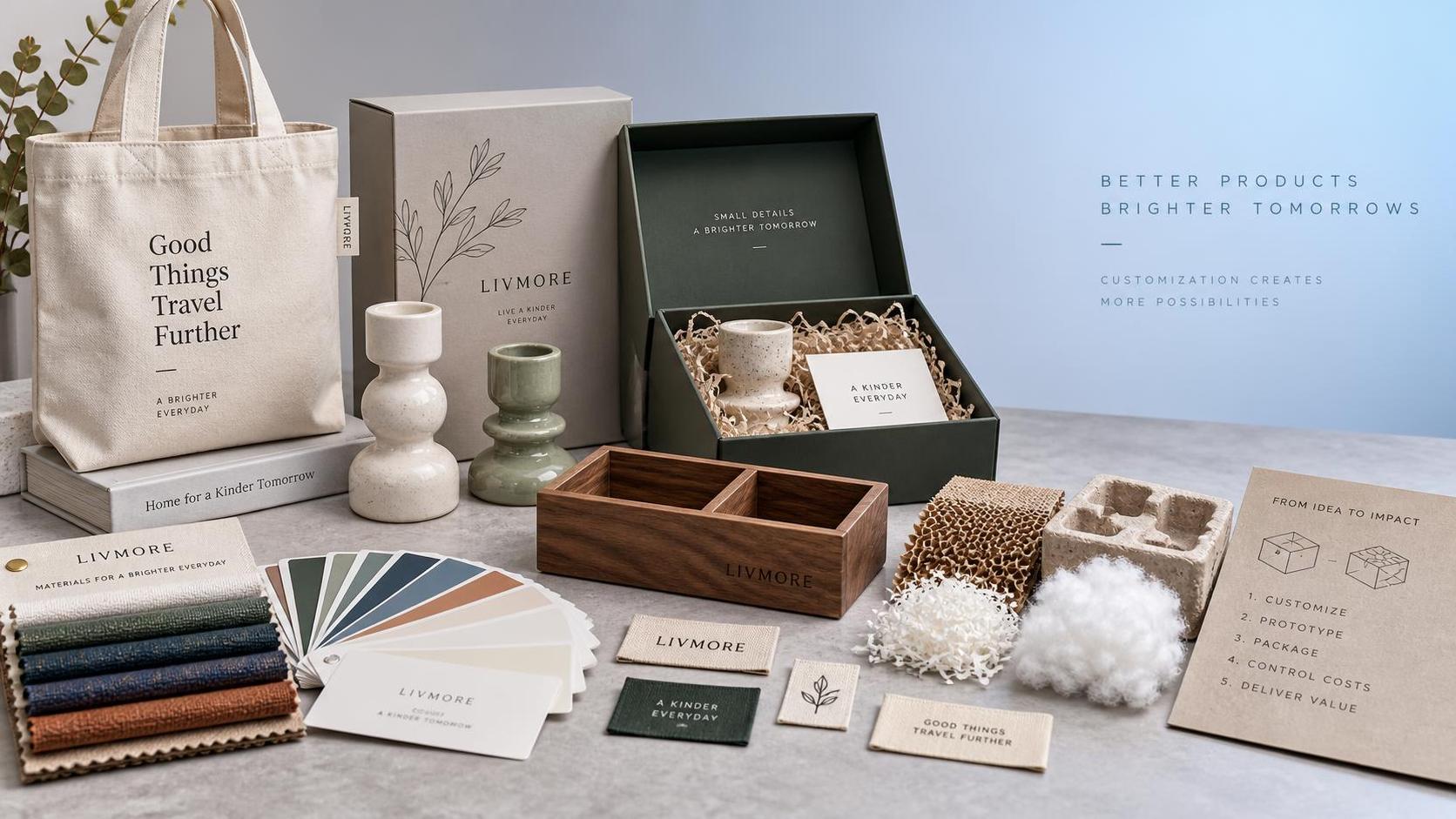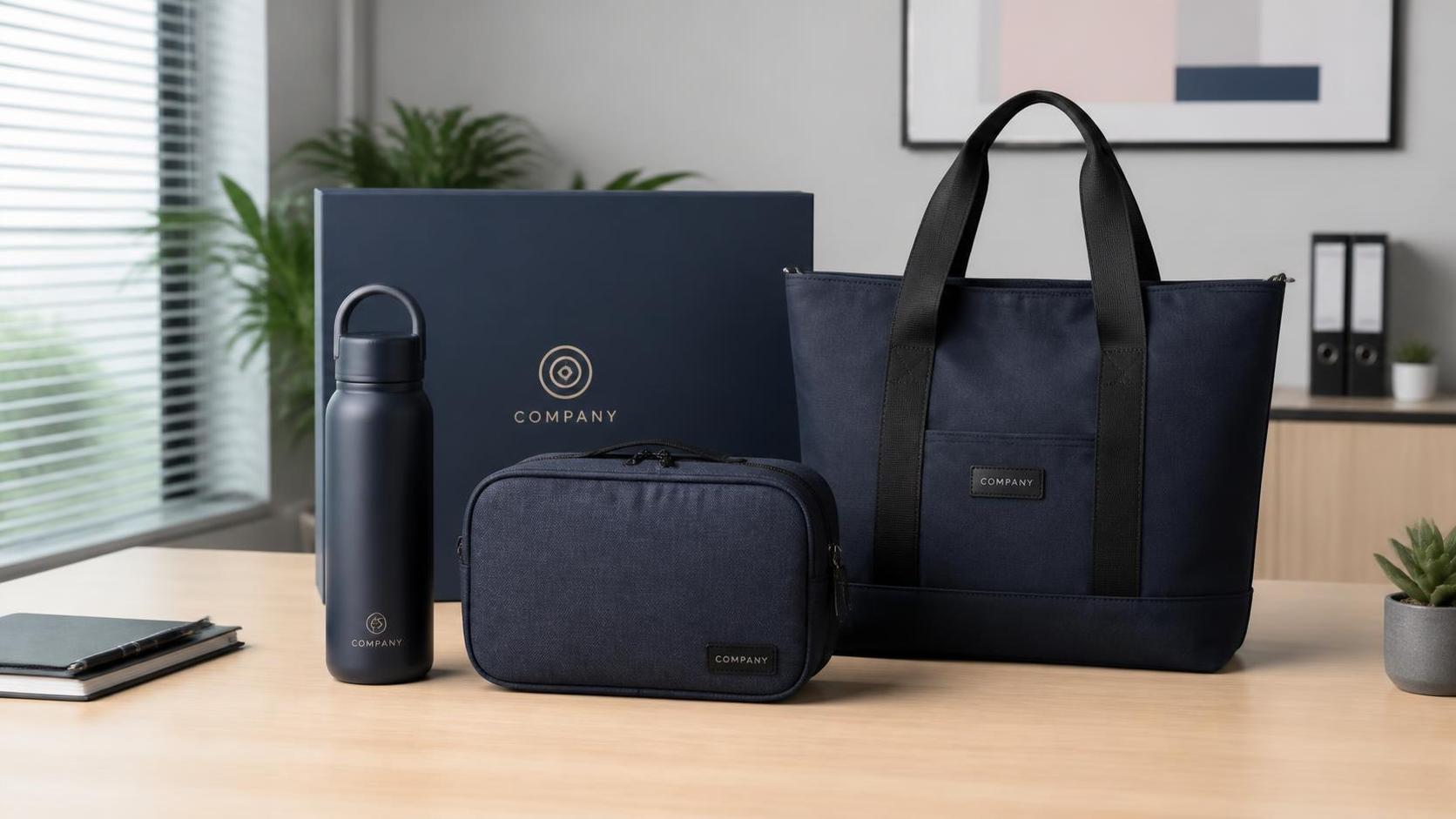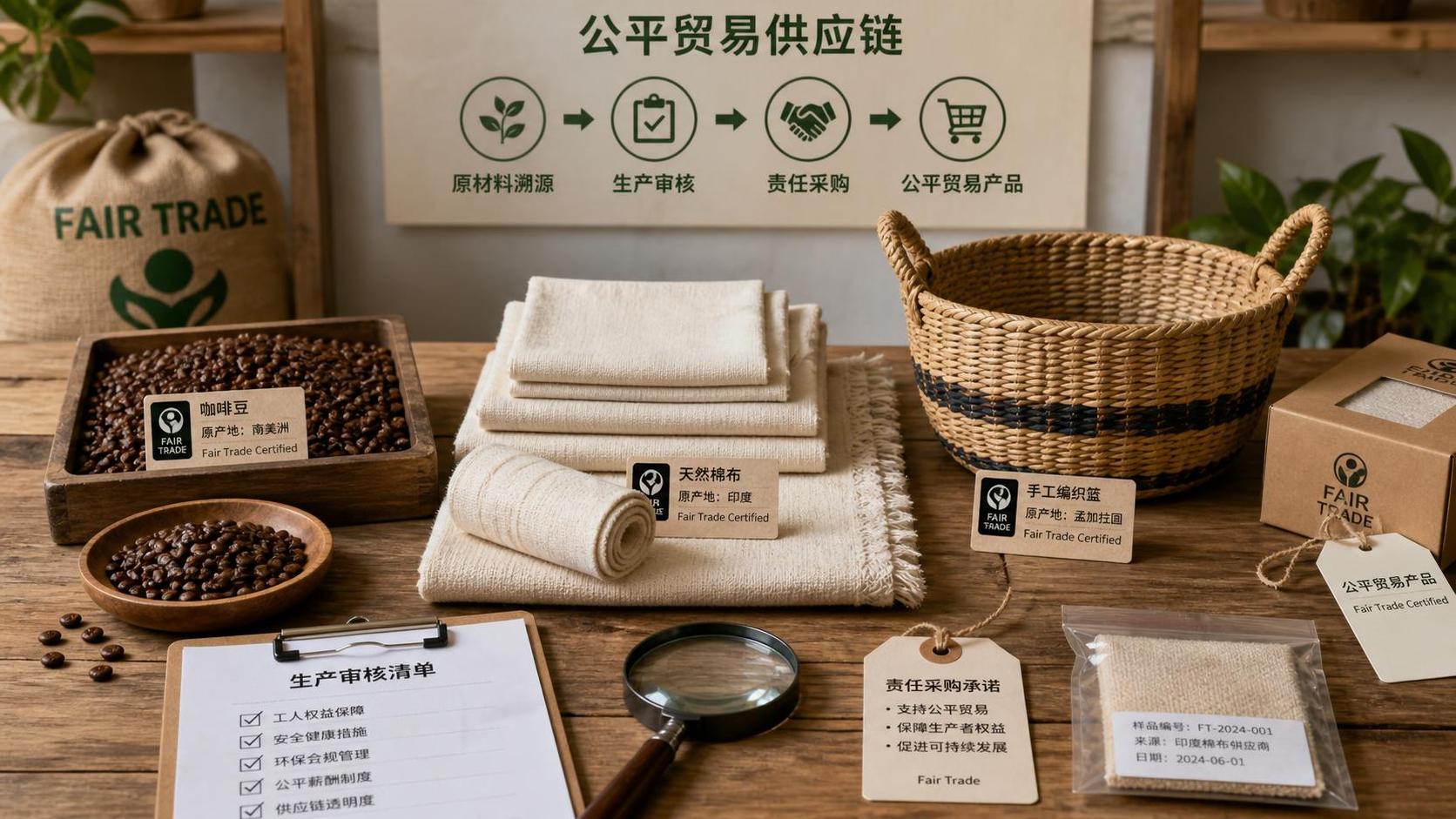
Gift Craftsmanship Trends Shaping Eco-friendly Gifts

As sustainability reshapes global sourcing, gift craftsmanship is becoming a strategic factor in eco-friendly gift development. It now influences design value, material efficiency, compliance readiness, and long-term brand relevance.
Across the broader lifestyle supply chain, gift craftsmanship connects aesthetics with manufacturing discipline. It helps translate creative intent into products that are lower impact, easier to scale, and better aligned with modern consumer expectations.
For global product planning, the most important shift is clear. Eco-friendly gifts are no longer judged only by appearance or price. They are evaluated by material traceability, digital process control, packaging reduction, and cultural authenticity.
This article answers the key questions behind current gift craftsmanship trends and explains how to make smarter decisions in a fast-changing market.
What does gift craftsmanship mean in today’s eco-friendly gift market?
Gift craftsmanship once referred mainly to handwork, decoration, and finishing quality. Today, gift craftsmanship includes material science, process engineering, digital tooling, and end-to-end sustainability performance.
In practical terms, gift craftsmanship now combines three layers. The first is visual and tactile appeal. The second is production consistency. The third is environmental responsibility across sourcing, assembly, and delivery.
This broader definition matters because eco-friendly gifts often fail when only surface design is considered. Attractive products can still create waste, weak durability, or compliance risk if craftsmanship choices are poorly managed.
Within the wider living, textiles, and lifestyle sectors, gift craftsmanship also reflects a deeper trend. Consumers increasingly value objects that carry functional purpose, transparent origins, and a story of responsible making.
- Material selection that reduces waste and harmful inputs
- Production methods that improve repeatability and yield
- Finishing choices that support safety and recyclability
- Packaging decisions that reinforce the eco-friendly message
When viewed this way, gift craftsmanship becomes a system, not a decorative detail. That system is shaping how eco-friendly gifts are designed, validated, and brought to market.
Which gift craftsmanship trends are driving greener product development?
Several trends are redefining gift craftsmanship across the global supply chain. Together, they are making eco-friendly gifts more scalable, more distinctive, and more credible in the eyes of buyers and end users.
1. Low-impact material innovation
Recycled paper, FSC-certified wood, organic cotton, recycled metals, plant-based composites, and water-based coatings are increasingly common. Material innovation is now central to gift craftsmanship and not just a sourcing add-on.
The strongest eco-friendly gifts use materials that support both performance and storytelling. A material should feel premium, meet use requirements, and offer clear documentation for environmental claims.
2. Digital craftsmanship and precision production
Laser engraving, digital printing, CNC finishing, and automated cutting improve precision while reducing material loss. These tools help gift craftsmanship become more flexible without sacrificing consistency.
Digital techniques also support smaller production runs. That reduces overstock risk, which is a major sustainability issue in the gift sector.
3. Modular and multifunctional design
Eco-friendly gifts are moving away from disposable novelty. Gift craftsmanship now favors reusable forms, replaceable parts, and secondary-use packaging.
A well-crafted notebook set, desk accessory, textile pouch, or portable organizer can carry stronger long-term value than a purely decorative item.
4. Heritage techniques updated for modern compliance
Traditional weaving, embroidery, carving, and hand-finishing remain powerful differentiators. However, modern gift craftsmanship must adapt these methods to quality control, safety, and global documentation standards.
This fusion of cultural authenticity and industrial discipline is one of the most valuable trends in eco-friendly gifts today.
How do these trends affect applications across lifestyle, office, textile, and outdoor categories?
Gift craftsmanship does not operate in isolation. It reflects broader changes across apparel, home, office, leisure, and digital craft sectors. That is why the same trend can influence many product families.
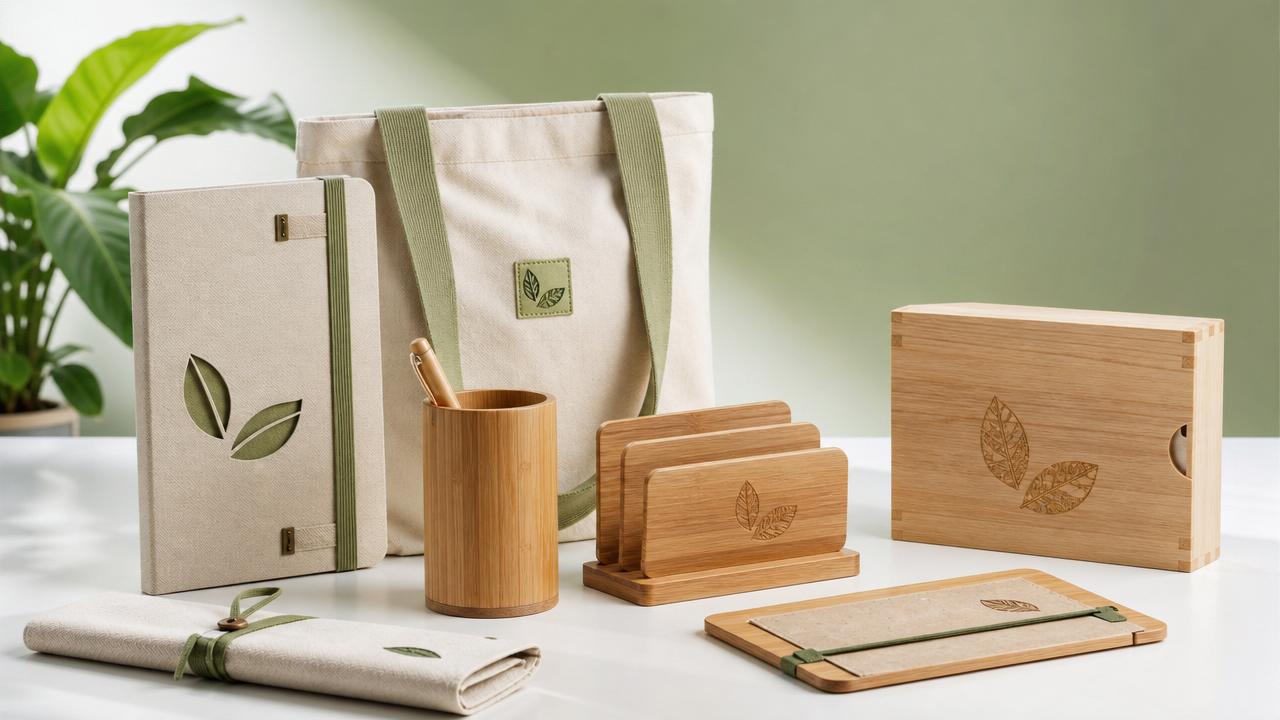
In office gifting, eco-friendly gifts often combine recycled materials with ergonomic utility. Examples include felt organizers, bamboo desktop tools, and cable accessories using low-impact packaging.
In textile-based gifts, gift craftsmanship shapes stitching accuracy, dye selection, fabric blends, and durability. Reusable bags, scarves, pouches, and soft accessories benefit from sustainable fibers and efficient cutting layouts.
In home and living products, surface finish matters greatly. Eco-friendly gifts such as candles, trays, coasters, or decorative storage pieces need safe coatings and reliable dimensional stability.
In outdoor and travel categories, gift craftsmanship supports compactness, repairability, and weather resistance. A greener gift in this segment should withstand repeated use rather than rely on trend-driven disposal.
This cross-category influence explains why gift craftsmanship has become a meaningful planning lens for integrated lifestyle businesses.
How can eco-friendly gifts be evaluated without falling for greenwashing?
A common mistake is to judge eco-friendly gifts by one visible feature. Recycled packaging alone does not prove responsible production. Neither does a natural look, handcrafted finish, or vague sustainability language.
A better approach is to assess gift craftsmanship through multiple checkpoints. This creates a more reliable view of environmental and commercial value.
- Are the core materials documented and appropriate for the use case?
- Do finishes, inks, adhesives, or coatings create recycling or safety issues?
- Is the product durable enough to justify its resource footprint?
- Can the production process maintain quality across larger volumes?
- Does the packaging support protection with minimal waste?
Gift craftsmanship should also be compared against product purpose. A premium keepsake may justify more detailed finishing if it has long life and emotional retention. A short-use promotional item needs stricter simplicity.
The key is balance. Strong eco-friendly gifts align aesthetics, utility, process efficiency, and verified claims.
What cost, lead time, and implementation factors matter most?
Gift craftsmanship can improve sustainability, but it also changes planning assumptions. Cost and timing depend on the relationship between materials, tooling, customization level, and quality validation needs.
Low-impact materials may cost more at the unit level. However, better yield, lower defect rates, and reduced packaging can offset part of that increase. Total cost should be measured across the full process.
Lead times are affected by certification checks, color matching, custom tooling, and sampling rounds. Digital craftsmanship can shorten revisions, but only if design files and tolerance standards are well prepared.
Implementation becomes easier when teams standardize specification formats. This includes material descriptions, testing expectations, packaging instructions, and approved finishing methods.
The most effective programs treat gift craftsmanship as an early planning issue, not a final decoration step.
What are the most important mistakes to avoid when developing eco-friendly gifts?
Several recurring mistakes weaken both sustainability and market performance. Most can be avoided through better alignment between design ambition and production reality.
Mistake 1: Treating gift craftsmanship as surface styling only
If craftsmanship is reduced to decoration, important process choices are missed. Material behavior, repairability, and packaging efficiency must be part of the design conversation.
Mistake 2: Overcomplicating the gift
Too many parts, mixed materials, and special finishes often raise waste and cost. Simpler construction usually supports stronger eco-friendly gifts.
Mistake 3: Ignoring end-use context
A desk gift, travel gift, and heritage keepsake require different craftsmanship decisions. One sustainability formula does not fit every category.
Mistake 4: Waiting too long to verify claims
Late checks create redesign pressure and delay. Claims linked to gift craftsmanship should be supported from the first specification stage.
In a market where aesthetics, standards, and ethics are increasingly connected, careful process discipline is the strongest protection against these errors.
FAQ summary: how should gift craftsmanship guide next steps?
Gift craftsmanship is shaping the next generation of eco-friendly gifts by linking design intelligence with manufacturing discipline. That shift is especially important across lifestyle sectors where form, function, and responsibility must work together.
The most successful strategies start with clear priorities. Define product purpose, choose materials with evidence, simplify construction, and use digital craftsmanship where it improves yield and consistency.
For organizations tracking global aesthetics and industrial standards, this is the moment to treat gift craftsmanship as a strategic decision framework. That approach helps transform eco-friendly gifts from trend items into durable, credible, and market-ready solutions.