Furniture Design Basics: Materials, Ergonomics, and Lifecycle Cost

Furniture design starts shaping value long before a prototype reaches the factory floor. Material choice, ergonomic intent, and lifecycle cost are not separate checkpoints. They form a linked system that affects performance, sourcing stability, compliance, maintenance, and long-term profitability.
That is why furniture design has become a practical evaluation topic across home, office, hospitality, and outdoor living categories. For a platform such as GLC, which connects global aesthetics with craftsmanship and supply chain intelligence, the subject sits at the center of product quality and commercial realism.
A chair may look refined in a rendering, yet fail under repetitive loading. A desk may pass visual review, yet create posture issues in daily use. A cabinet may be competitively priced, yet become expensive once returns, surface repairs, and replacement cycles are counted.
Good furniture design closes the gap between design language and manufacturing logic. It translates aesthetic ambition into workable structures, repeatable processes, and durable user experience.
What furniture design really covers
In industry terms, furniture design is not only about appearance. It includes structure, user interaction, surface behavior, joinery, production tolerance, packaging efficiency, and service life.
This broader view matters because furniture operates in different environments. Residential pieces face emotional buying decisions. Office products must support long work cycles. Hospitality furniture is exposed to frequent impact and strict maintenance demands.
The same logic extends to outdoor leisure and hybrid living spaces. Moisture resistance, UV stability, portability, and storage efficiency become part of the design brief, not late-stage adjustments.
In that sense, furniture design is a coordination discipline. It balances human comfort, visual appeal, industrial feasibility, and total ownership cost.
Materials define more than look and feel
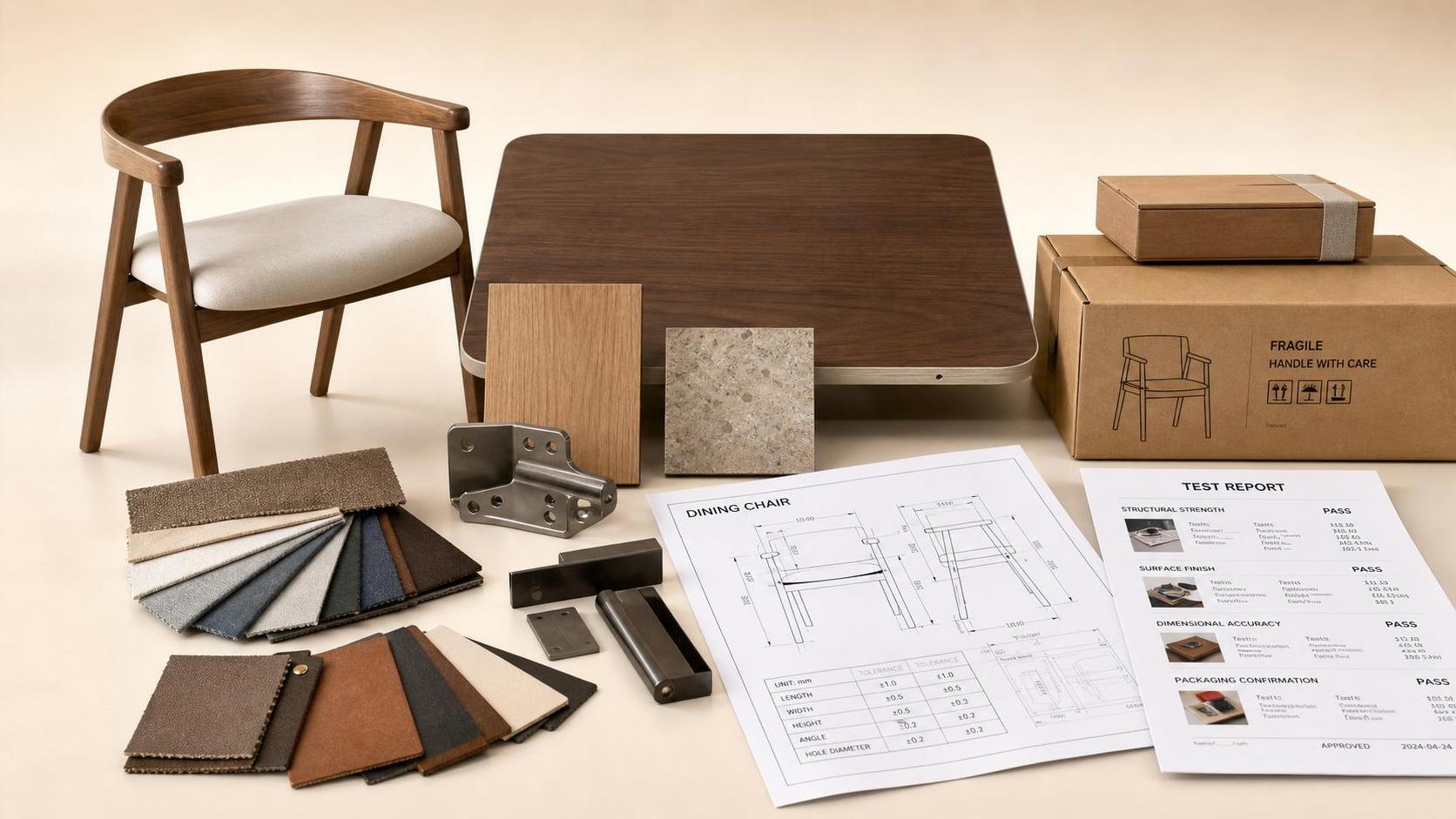
Materials are often discussed through style, but technical performance is the deeper story. Wood, metal, plastics, composites, foam, fabric, leather, and coatings each carry different risks, benefits, and process requirements.
Solid wood offers warmth and authenticity, yet movement from humidity can affect dimensional stability. Engineered wood improves consistency and cost control, though edge durability, emission standards, and fastening strength need close review.
Steel and aluminum support slim structures and strong load performance. However, weld quality, corrosion protection, and surface finishing directly influence failure rates and visual longevity.
Textiles and leather are equally important in furniture design. Abrasion resistance, pilling, colorfastness, cleanability, and foam compatibility affect both comfort and warranty exposure. GLC’s cross-sector perspective is useful here, because furniture performance often depends on textile science as much as on frame engineering.
Sustainable material claims also require careful reading. Recycled content, bio-based inputs, low-VOC adhesives, and traceable timber can strengthen product value, but only when backed by stable processing and verifiable standards.
Key material questions during evaluation
- Does the material match the expected load, wear pattern, and climate exposure?
- Can the chosen finish survive cleaning chemicals, friction, and sunlight?
- Are joints and fasteners compatible with repeated assembly or movement?
- Do certifications and test reports reflect the actual production version?
Ergonomics is a performance issue, not a styling detail
Ergonomics in furniture design is often simplified into dimensions. In reality, it concerns posture support, pressure distribution, reach range, motion freedom, and how the body interacts with the product over time.
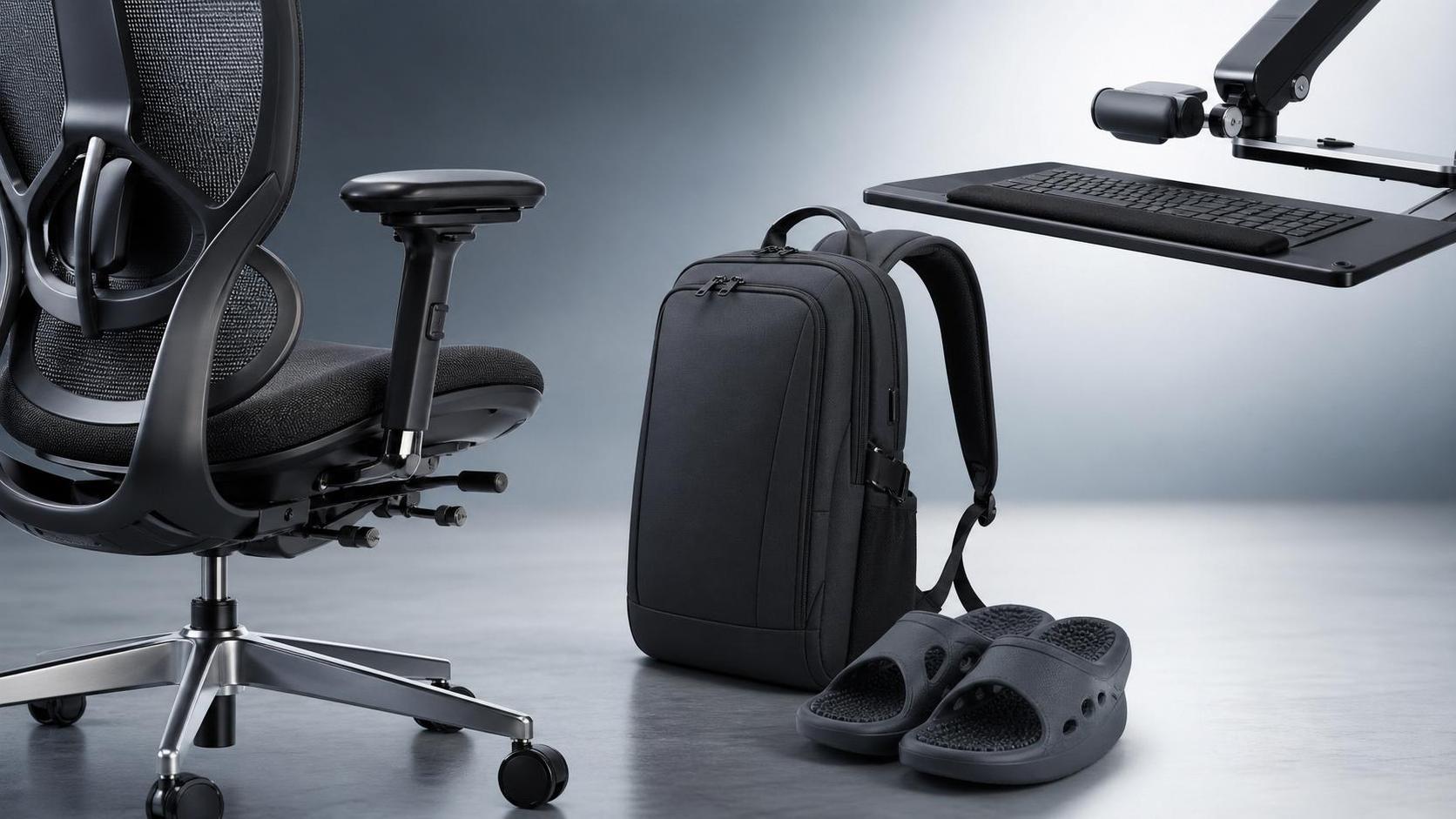
For seating, seat height alone says little. Back angle, lumbar geometry, cushion resilience, armrest positioning, and edge profile all influence comfort and fatigue. Small deviations can create large differences after hours of use.
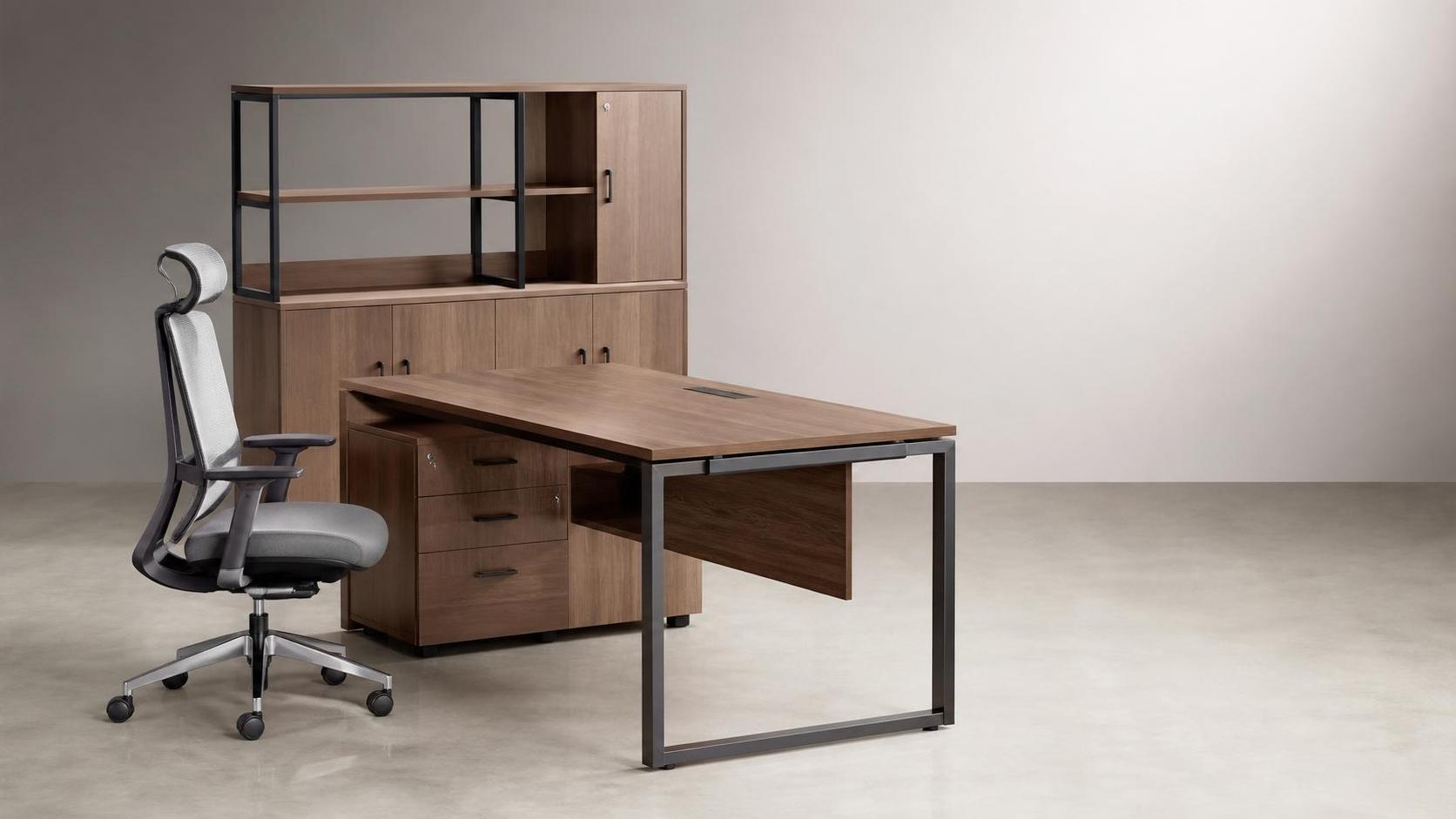
For desks and collaborative furniture, ergonomics also connects to technology use. Screen height, cable routing, leg clearance, and transition between sitting and standing shape how well a product supports real work patterns.
This is one reason office and space architecture remain a high-interest field. As workplaces become more flexible, furniture design must support concentration, movement, teamwork, and acoustic comfort within the same environment.
Ergonomic quality is not always visible in samples. It often appears through user trials, use-case simulation, and data from repeated daily interaction.
Common ergonomic failure points
Lifecycle cost changes the design conversation
Initial price still matters, but it is a weak signal on its own. Lifecycle cost gives a clearer view of whether furniture design is commercially sound.
This includes material yield, manufacturing complexity, freight efficiency, installation time, cleaning requirements, repairability, spare parts, warranty claims, and replacement cycle. A low-cost product can become expensive once these factors accumulate.
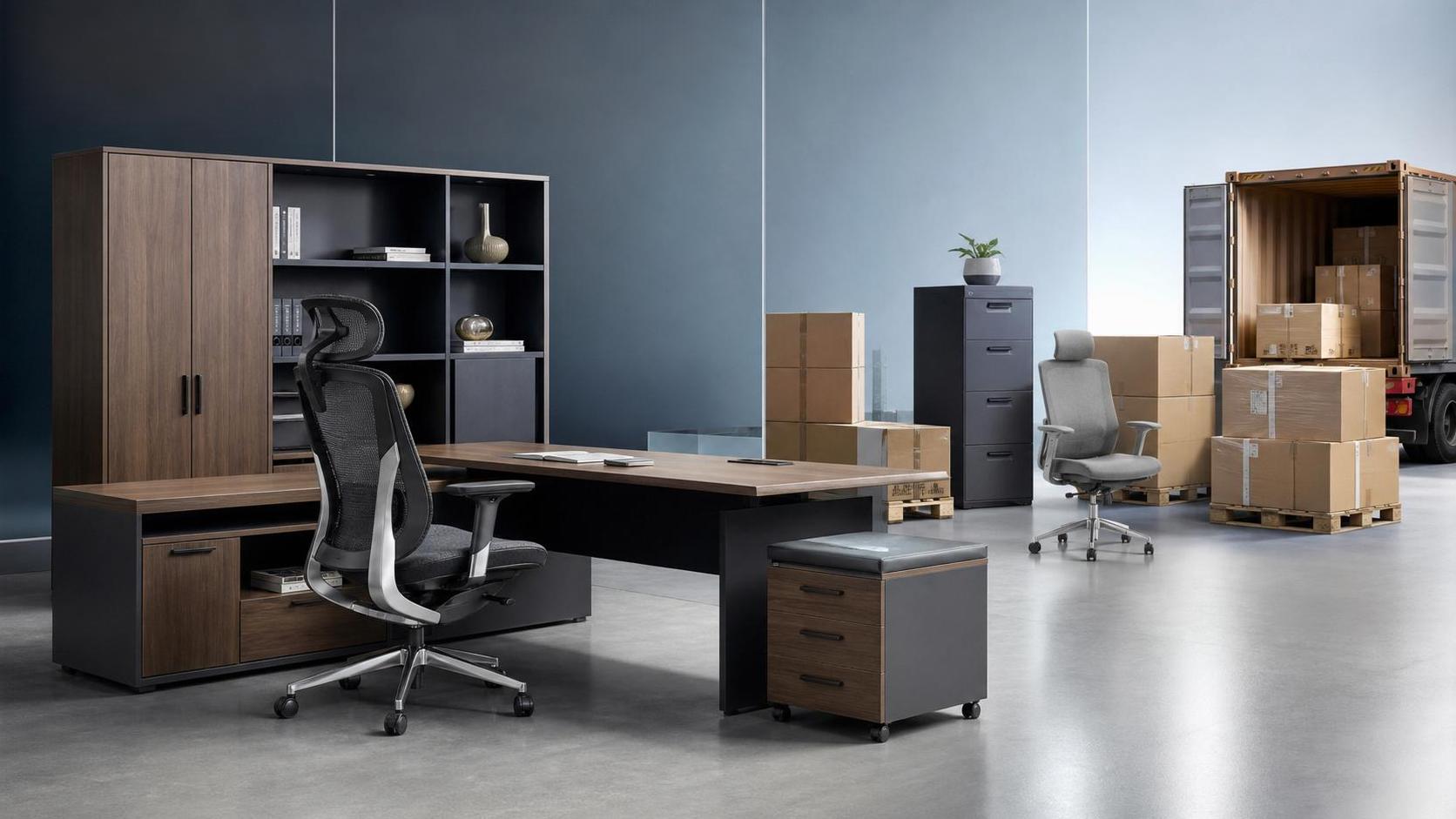
Flat-pack construction is a simple example. It may reduce shipping cost and storage space. Yet if the design depends on weak connectors or confusing assembly steps, field failures can erase that advantage.
Likewise, premium surface treatments may raise unit cost, but extend usable life in hotels, public spaces, or high-contact office settings. In those cases, better furniture design improves lifecycle economics rather than merely raising specification levels.
Lifecycle thinking also supports green supply chains. Durable construction, replaceable components, and recyclable materials align commercial efficiency with sustainability goals, which is increasingly relevant to global sourcing decisions.
Where hidden cost often appears
- Surface damage during transport because packaging ignored edge vulnerability.
- Frequent maintenance caused by coatings unsuited to cleaning routines.
- Component mismatch when replacement parts lack standardization.
- High return rates due to comfort issues discovered after installation.
Why the topic matters now
Several industry shifts have made furniture design more analytical than before. Buyers expect stronger sustainability credentials. End users want better comfort. Brands need products that express identity yet remain manufacturable across changing supply conditions.
At the same time, global trade is influenced by compliance pressure, labor cost changes, logistics volatility, and shorter product refresh cycles. Designs that look attractive but lack process discipline are harder to scale.
GLC’s value lies in reading these changes across sectors. Insights from textiles, outdoor products, and digital craftsmanship increasingly influence furniture design. Performance fabrics, modular thinking, precision finishing, and smart tooling now cross category boundaries.
That cross-disciplinary exchange is especially useful when evaluating products meant for blended lifestyles, where home, work, leisure, and hospitality cues overlap.
How to read furniture design in practical settings
A useful review starts with context. The same furniture design can perform very differently depending on use frequency, climate, cleaning routine, and expected service life.
For home furniture, tactile quality, finish consistency, and long-term appearance tend to shape value. In office settings, adjustability, endurance, and compatibility with changing layouts become more important.
In hospitality, turnaround time for maintenance matters almost as much as durability. Outdoor furniture adds exposure variables such as UV, corrosion, water drainage, and seasonal storage.
Furniture design should therefore be assessed as a fit-for-scenario solution, not as an isolated object. The most appealing concept is not always the best commercial answer.
A balanced review framework
- Check whether material selection supports the actual service environment.
- Verify ergonomic intent through use testing, not drawings alone.
- Map lifecycle cost beyond purchase price and freight quote.
- Compare finish, assembly, and repair logic across competing options.
- Review certifications, tolerances, and supplier process consistency together.
Where the next evaluation should go
The next step is rarely to choose the most striking concept or the lowest quote. It is to narrow decisions through evidence.
That means comparing material systems, testing ergonomic assumptions in realistic scenarios, and estimating ownership cost over the intended lifespan. It also means asking how craftsmanship quality can be maintained at scale, especially across international sourcing networks.
Furniture design works best when visual direction, industrial standards, and supply chain logic support one another. That is the point where design stops being a presentation exercise and becomes a durable business asset.
A practical way forward is to build a short evaluation matrix for every project: intended use, material risk, ergonomic fit, maintenance burden, compliance status, and lifecycle cost. With that structure in place, better decisions usually become easier to defend and easier to scale.