When Adjustable Office Furniture Improves Workspace ROI

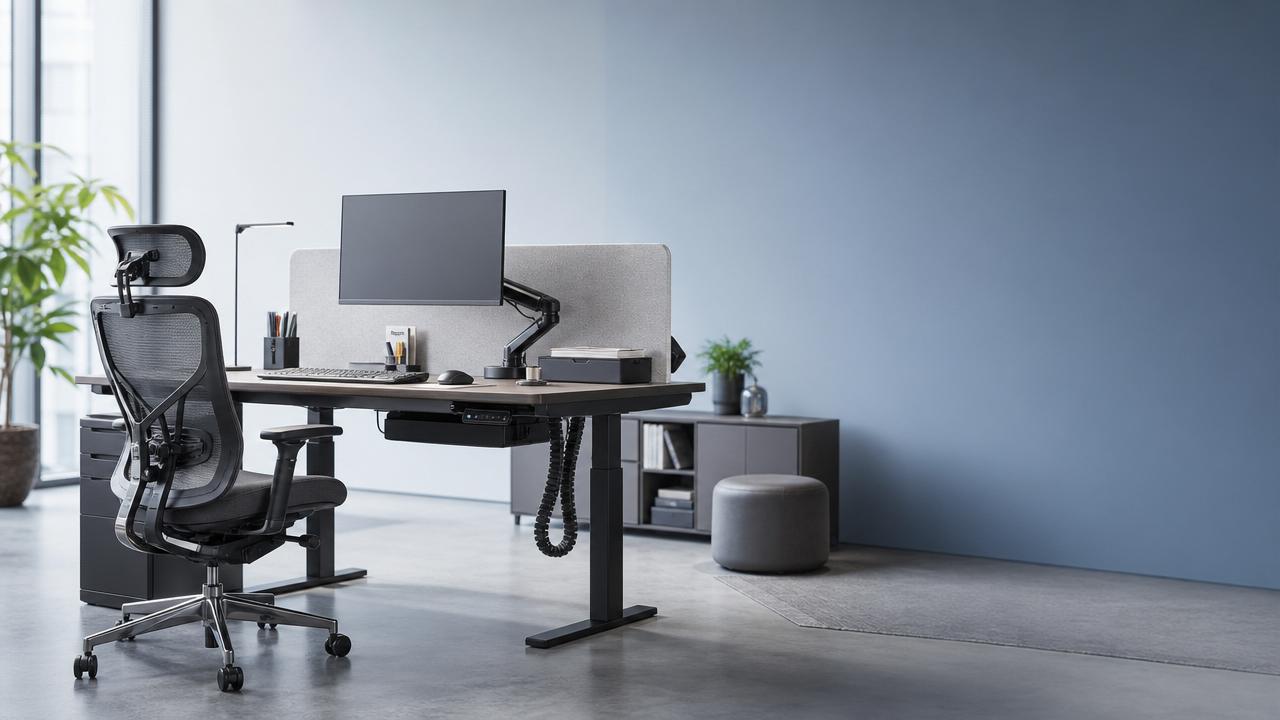
For project managers and engineering leads, workspace investment must translate into measurable performance. Adjustable office furniture is no longer just a design upgrade—it is a strategic asset that supports employee well-being, space efficiency, and long-term cost control. As modern offices evolve toward ergonomic and flexible layouts, understanding how adjustable office furniture improves workspace ROI becomes essential for smarter planning and better project outcomes.
Why adjustable office furniture has moved from optional to essential
Workspaces have changed faster than many capital plans expected. Hybrid schedules, denser collaboration zones, and wellness targets now shape office investment decisions.
In this context, adjustable office furniture supports more than comfort. It helps offices adapt without repeated renovation, replacement, or layout disruption.
The ROI case is becoming clearer. Companies want assets that improve productivity, reduce fatigue, and extend the useful life of workplace infrastructure.
Across the broader furnishing and workspace sector, design value now depends on performance. This aligns with a wider industry shift toward measurable, standards-based interior solutions.
The strongest trend signals behind workspace ROI decisions
Several signals explain why adjustable office furniture is receiving more budget attention in office and space planning.
- Employee well-being is now tied to retention, attendance, and sustained performance.
- Hybrid work requires furniture that supports multiple users and changing tasks.
- Real estate pressure increases the value of flexible, multipurpose workstations.
- ESG and lifecycle thinking reward durable products with longer service periods.
- Data-driven facility management encourages investments with visible operational outcomes.
These signals show that adjustable office furniture fits both human-centered design and financial discipline. That combination is driving broader adoption across industries.
How adjustable office furniture improves workspace ROI in practical terms
ROI improves when a workspace delivers more output, less disruption, and lower avoidable cost. Adjustable office furniture contributes on each front.
1. Better ergonomics reduce hidden productivity loss
Improper desk height, monitor position, and seating posture create fatigue that rarely appears in accounting reports. Yet it affects concentration, speed, and work quality.
Adjustable office furniture allows users to align work surfaces and seating with body dimensions. That reduces discomfort and supports longer periods of focused work.
2. Shared spaces become more efficient
In hot-desking and hybrid environments, one fixed setup rarely fits everyone. Reset time increases, and user satisfaction drops.
Adjustable office furniture solves this by adapting quickly to different users. One workstation can serve more people without sacrificing function or comfort.
3. Furniture lasts through organizational change
Static furniture often becomes obsolete when teams reorganize or work modes shift. Replacement then becomes a recurring capital burden.
Adjustable office furniture remains useful across layout changes, staffing changes, and new workflows. This extends asset life and improves lifecycle value.
4. Space planning becomes more agile
Organizations increasingly combine focused work, calls, meetings, and team sessions in one floorplate. Furniture must support this fluidity.
With adjustable office furniture, a workspace can shift function without full reconstruction. That lowers churn cost and shortens transition time.
What is driving this shift across the furnishing and workspace ecosystem
These drivers are not isolated. Together, they make adjustable office furniture a strategic response to both operational complexity and workforce expectations.
How the ROI impact differs across business functions
The value of adjustable office furniture appears differently depending on the business function being measured. That is why evaluation should be cross-functional.
- Facilities: easier reconfiguration, fewer layout bottlenecks, improved space utilization.
- HR and workplace experience: better comfort perception and stronger well-being signals.
- Finance: slower replacement cycles and improved asset efficiency.
- Operations: less friction during team changes and project-based seating shifts.
- Brand and culture: workspaces look current while remaining practical.
This broad value profile explains why adjustable office furniture now appears in discussions about both employee experience and capital planning.
In some market reviews, related references such as 无 appear alongside workspace solution analysis. Even then, performance outcomes remain the main decision lens.
What to examine before investing in adjustable office furniture
Not every adjustable product delivers the same value. ROI depends on choosing features that match real usage patterns.
Focus on these priority checks
- Adjustment range: can it fit different body sizes and work modes?
- Ease of use: can users adjust settings quickly without training?
- Durability: are mechanisms tested for repeated daily movement?
- Maintenance needs: are parts accessible and serviceable?
- Layout compatibility: does it support existing power, cable, and circulation plans?
- Lifecycle cost: does the long-term value justify the initial spend?
These checks help avoid a common mistake: buying adjustable office furniture for appearance while ignoring actual workplace behavior.
A practical framework for judging future-ready workspace value
When this framework is applied early, adjustable office furniture becomes easier to justify as a business asset rather than a discretionary interior expense.
How to respond as workplace expectations continue to rise
The next stage of office planning will reward flexible infrastructure. Adjustable office furniture fits that direction because it supports change without constant rebuilds.
A practical response starts with pilot zones. Measure comfort feedback, utilization rates, reset speed, and maintenance frequency over a defined period.
Then compare those results against fixed furniture areas. This creates evidence for phased upgrades instead of assumption-based spending.
It is also useful to align furniture selection with wider design and supply-chain intelligence. Sources that connect aesthetics with craftsmanship can sharpen decision quality.
That is especially relevant in sectors where workspace design, material durability, and production standards increasingly overlap in procurement strategy.
The next actionable step for stronger workspace ROI
Start by auditing where discomfort, underused space, and frequent layout changes create avoidable cost. Those areas usually show the fastest return potential.
From there, define success metrics before purchase. Track utilization, absenteeism signals, employee feedback, and reconfiguration cost over time.
When measured carefully, adjustable office furniture proves its value through resilience, usability, and lifecycle efficiency. That is why it increasingly improves workspace ROI.
In a market shaped by evolving work patterns, adjustable office furniture is not simply a trend. It is an adaptable foundation for better space performance and smarter investment.