Camping Equipment That Looks Durable but Fails Outdoors

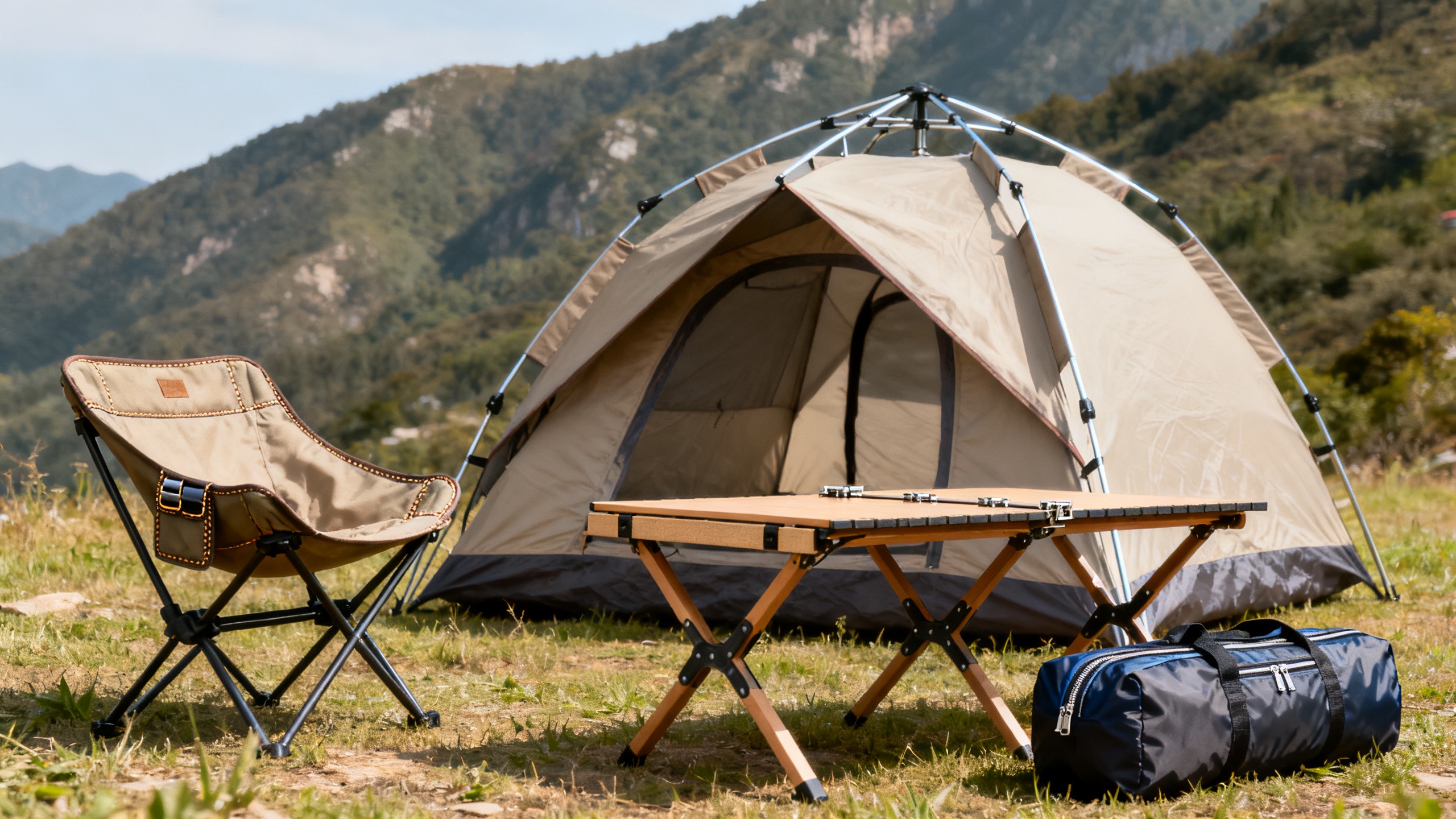
In today’s outdoor market, some camping equipment appears rugged yet breaks down when real conditions test its materials, structure, and safety. For buyers, quality teams, and decision-makers focused on quality living, industrial design, and fair trade sourcing, knowing how to separate durable products from surface-level appeal is essential. This article examines why misleading durability claims persist and what procurement professionals should evaluate before selecting outdoor gear.
Why Does Camping Equipment Look Durable but Fail in Real Outdoor Use?
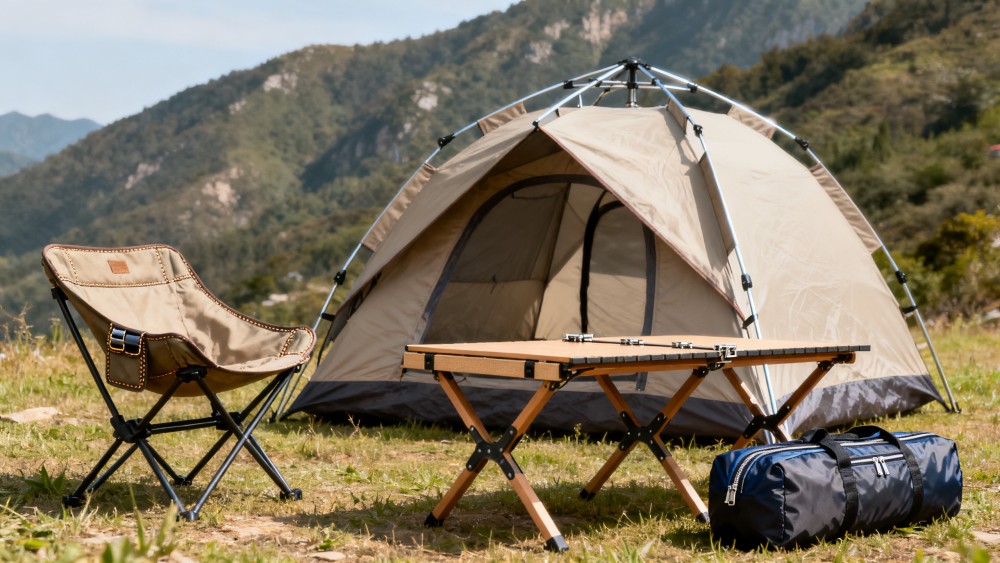
Many camping products are engineered first for shelf appeal, not field reliability. Thick-looking fabrics, dark coatings, oversized buckles, and aggressive marketing language can create a perception of strength, yet actual outdoor performance depends on fiber quality, coating stability, seam construction, load design, and hardware consistency. A tent, chair, stove stand, or dry bag may appear premium in photos while failing after 3–5 uses in wind, moisture, UV exposure, or repeated packing cycles.
For procurement teams, the core issue is that visual durability and functional durability are not the same metric. In the outdoor leisure segment, failure often starts in hidden zones: stitching density, pole connectors, hinge joints, zipper tape bonding, adhesive lamination, or corrosion resistance of small metal parts. These are not always obvious during a showroom review or short sample inspection lasting only 10–15 minutes.
This gap matters across the wider lifestyle and craftsmanship economy. GLC’s cross-disciplinary view is useful here because camping equipment quality is rarely only an outdoor issue. It also involves textile science, ergonomic structure, finishing craftsmanship, packaging logic, and supply chain transparency. A visually refined product that lacks technical validation can increase warranty claims, damage distributor trust, and create safety concerns for brands entering global markets.
In practice, outdoor failure usually results from 3 overlapping causes: weak material selection, underdesigned structure, and inconsistent manufacturing control. Buyers who assess all 3 layers early can reduce sourcing risk before committing to pilot orders, container loads, or private-label programs.
Common signals of misleading durability claims
- Fabric descriptions focus on feel or look, but omit denier, weave type, coating method, waterproof range, or abrasion expectations.
- Frames are described as “reinforced” without disclosing tube thickness, alloy type, joint design, or load test conditions.
- Load-bearing products show high static weight claims, but there is no distinction between static support and repeated-use fatigue performance.
- Packaging emphasizes outdoor lifestyle imagery while technical sheets remain incomplete or inconsistent across batches.
For information researchers and technical evaluators, these warning signs justify deeper review. A product that cannot provide basic parameter clarity at the inquiry stage often becomes harder to control during mass production, especially when lead times are compressed into 20–45 days.
Which Parts of Camping Gear Fail First Under Outdoor Stress?
Outdoor conditions expose weaknesses quickly because equipment faces combined stress rather than isolated stress. Moisture, temperature changes, dust, compression during transport, and repetitive assembly all act together. A fabric may pass a simple water spray check yet delaminate after repeated folding. A frame may hold on a store floor yet bend after several setup cycles on uneven ground. That is why quality teams should inspect failure points by product system, not by appearance alone.
The table below summarizes where camping equipment often fails first and what procurement or quality teams should verify before approval. It is designed for buyers, project managers, distributors, and safety personnel comparing multiple suppliers in a short sourcing window.
This comparison shows why technical review must be product-specific. A buyer cannot use one generic “outdoor durable” standard for every item. The first 4–6 inspection points vary by category, and ignoring this difference often leads to false supplier comparisons.
Field conditions that expose weak design faster
Repeated setup and packing
Many failures happen not during one dramatic trip but during normal repeated use over 2–8 weekends. Fold lines, hinge stress, elastic cord fatigue, and zipper misalignment become visible only after multiple cycles. This matters for rental operators, retail buyers, and brands targeting frequent-use consumers rather than occasional campers.
Moisture and temperature swings
Morning dew, light rain, strong midday sun, and cool overnight conditions can create expansion and contraction across different materials. If fabric, coating, adhesive, and hardware are not compatible, delamination or leakage may occur. These risks are especially relevant when products move through humid storage, ocean freight, and then dry inland retail environments.
Uneven loading and user behavior
Load labels alone are not enough. A chair rated for one static load may still fail if the user drops into it, shifts sideways, or uses it on rocky terrain. Procurement teams should ask whether the supplier distinguishes static capacity from dynamic use conditions and whether the structure tolerates side loading or torsion.
How Should Buyers Evaluate Materials, Structure, and Manufacturing Quality?
A reliable procurement process for camping equipment should move through 3 layers: material verification, structural review, and production consistency. This approach is practical for sourcing teams handling ODM, OEM, or private-label projects where a product may look refined but still hide weak production controls. It also supports fairer supplier comparison because it replaces broad claims with measurable checkpoints.
For technical evaluators, the most useful request is not “send your best quality,” but “send the full specification sheet, construction details, sample test method, and batch control process.” That single change improves communication and reveals whether the factory understands professional outdoor procurement. In many projects, the difference between a stable supplier and a risky one appears within the first 7–10 days of document exchange.
A practical evaluation matrix for sourcing teams
The table below can be used as a pre-qualification tool before sample approval or factory audit. It focuses on 5 key procurement dimensions that commonly influence returns, complaints, and long-term distributor confidence.
Using this matrix, procurement teams can compare suppliers on evidence rather than presentation. It is especially valuable when two products look similar at sample stage but differ significantly in workmanship discipline and long-term reliability.
Five checks that should happen before placing volume orders
- Confirm the intended use scenario: weekend leisure, commercial rental, glamping hospitality, or expedition-style use. Different scenarios require different tolerance margins.
- Review the bill of materials and ask what components may change between sampling and mass production.
- Run at least one repeated-use evaluation over several assembly cycles rather than relying on a single visual inspection.
- Check packaging protection for transport compression, moisture exposure, and mixed-container movement.
- Define acceptance criteria in writing, including cosmetic tolerance, functional defects, and carton marking accuracy.
For project managers and business evaluators, these 5 checks help align product quality with delivery reality. They also reduce the common gap between what sourcing teams approve and what after-sales teams later need to resolve.
What Standards, Compliance Points, and Testing Habits Matter in Outdoor Procurement?
Camping equipment procurement should not rely on marketing claims alone. Even when a buyer is not sourcing highly regulated gear, general compliance habits still matter: material safety, labeling accuracy, basic performance validation, and traceability. Depending on market destination, product category, and user profile, quality teams may also need to review restricted substances, flammability concerns, physical safety risks, and packaging compliance.
Because outdoor gear spans textiles, metal parts, plastics, coatings, and sewn structures, a cross-disciplinary review is often more useful than a single-lens test. This is where GLC’s positioning becomes practical. By connecting craftsmanship analysis with industrial logic, teams can evaluate whether a product’s aesthetic promise is supported by materials, process control, and responsible sourcing practices rather than surface styling alone.
In a typical sourcing cycle, 4 review stages are common: specification review, sample assessment, pre-production confirmation, and shipment inspection. Compressing or skipping any of these stages may save a few days, but it often creates larger costs later through claims, channel disputes, or rework. For medium-volume orders, even one unverified component substitution can affect an entire shipment.
Compliance and control points worth discussing with suppliers
- Material declarations for fabrics, coatings, foams, plastics, and metal finishes used in the final product.
- Basic physical safety checks covering sharp edges, collapse risk, unstable joints, or unsafe pinch points.
- Performance checks tied to realistic use, such as repeated folding, carrying strain, wet-dry cycles, or zipper operation.
- Batch traceability practices, especially when multiple subcontracted components are combined in one final assembly.
Why generic test language is not enough
Terms like “tested,” “water-resistant,” or “heavy-duty” are too vague for B2B decisions. Quality managers should ask for the test condition, sample count, pass criteria, and whether the result refers to materials only or to the finished product. A strong fabric alone does not guarantee a durable camping product if seam placement, hardware choice, or assembly method remains weak.
How often should inspections happen?
For repeat orders, many teams use a quarterly review of supplier performance plus shipment-level inspections for critical items. For new suppliers or products with safety exposure, tighter controls during the first 1–3 orders are common. This staged approach balances speed, cost, and risk without assuming every product needs the same level of oversight.
How Can Buyers Balance Cost, Durability, and Market Positioning?
The cheapest camping equipment is rarely the lowest-cost business decision. Products that fail outdoors can generate hidden costs through returns, replacement freight, review damage, channel friction, and loss of distributor confidence. For enterprise decision-makers, the right question is not only unit price, but total risk-adjusted value over one selling cycle, one season, or one annual sourcing plan.
A practical way to control cost is to separate visible features from performance-critical features. Not every product needs premium materials across every component. However, critical failure zones should not be downgraded only to reach a target price. In many categories, strengthening 2–3 key components delivers a better result than upgrading cosmetic features that do little for real outdoor reliability.
This distinction is especially important for distributors, agents, and private-label brands serving multiple retail tiers. An entry-level camping chair, a mid-range family tent, and a design-led glamping accessory can all succeed if their durability promise matches their actual construction. The problem begins when product storytelling exceeds engineering reality.
Three workable sourcing strategies
Entry market strategy
Control cost through simplified features, but keep reliable core components in load-bearing areas, main seams, and closure systems. This works for promotional, seasonal, or light-use products where failure risk must still remain commercially acceptable.
Balanced mid-market strategy
Use materials and structures that support repeated weekend use over one or more seasons. This is often the most scalable option for mainstream retail and export programs because it balances performance, margin, and complaint control.
Premium differentiation strategy
Invest in stronger construction details, better finish consistency, and clearer technical storytelling. This helps brands that position outdoor products as part of a broader quality-living portfolio where design, craftsmanship, and function all influence perceived value.
Common procurement mistakes to avoid
- Choosing by sample appearance only, without asking which components are provisional or subject to substitution.
- Accepting a high load claim without understanding test conditions and repeated-use limits.
- Compressing development and approval from 4 stages to 2, which reduces visibility into production drift.
- Over-investing in decorative finishes while under-investing in structural joints, seam quality, or coating durability.
When cost pressure is high, the best response is not blind downgrading. It is targeted optimization based on actual failure risk, expected user behavior, and channel positioning. That is how buyers preserve both margin and brand credibility.
FAQ and Next-Step Support for Better Outdoor Gear Decisions
The most effective camping equipment sourcing decisions come from asking better questions early. For information researchers, technical reviewers, procurement teams, and business leaders, the final stage is not only selecting a supplier but building a clearer decision framework. The questions below reflect common search and sourcing concerns in real B2B outdoor projects.
How do I identify durable camping equipment beyond appearance?
Start with 3 layers: materials, structure, and process control. Ask for technical sheets, component descriptions, repeated-use checks, and production inspection methods. If the supplier cannot explain these basics clearly within the first inquiry cycle, the product may rely more on presentation than on durable engineering.
Which camping products deserve the strictest quality review?
Prioritize items with load-bearing, weather exposure, or user safety implications. Chairs, cots, shelters, cooking supports, and waterproof storage often deserve closer review than decorative accessories. In most sourcing plans, these categories generate a higher complaint risk if design assumptions do not match actual use.
What is a practical lead time for technical review before order confirmation?
A realistic pre-order review window is often 2–4 weeks, depending on the number of SKUs, whether custom branding is involved, and how complete the supplier documentation is. Rushing this stage may shorten launch timing, but it increases the chance of approving products that look durable yet fail outdoors.
Why work with a platform like GLC?
Because outdoor product evaluation today requires more than trend watching. It requires an informed bridge between aesthetics, craftsmanship, materials, and supply chain logic. GLC supports that bridge by analyzing outdoor leisure products through the same disciplined lens used across textiles, furnishing, gifts, and functional lifestyle categories. This helps buyers and brands make decisions that are commercially relevant, technically grounded, and better aligned with quality living expectations.
Why choose us for your next sourcing discussion?
If you are evaluating camping equipment that looks durable but may fail outdoors, we can help you narrow the decision faster and with better technical clarity. You can consult us on parameter confirmation, material and structure review, supplier comparison, sample assessment, delivery cycle planning, certification-related questions, customized sourcing strategy, and quote communication for different market tiers.
For teams managing new product development, channel expansion, or supplier replacement, a focused discussion can reduce uncertainty before you commit to samples or bulk orders. Share your target category, use scenario, expected order volume, required delivery window, and quality concerns, and we can help map the most relevant evaluation points and sourcing path.