Sports Apparel Fabrics: What Holds Up Under Repeated Wash

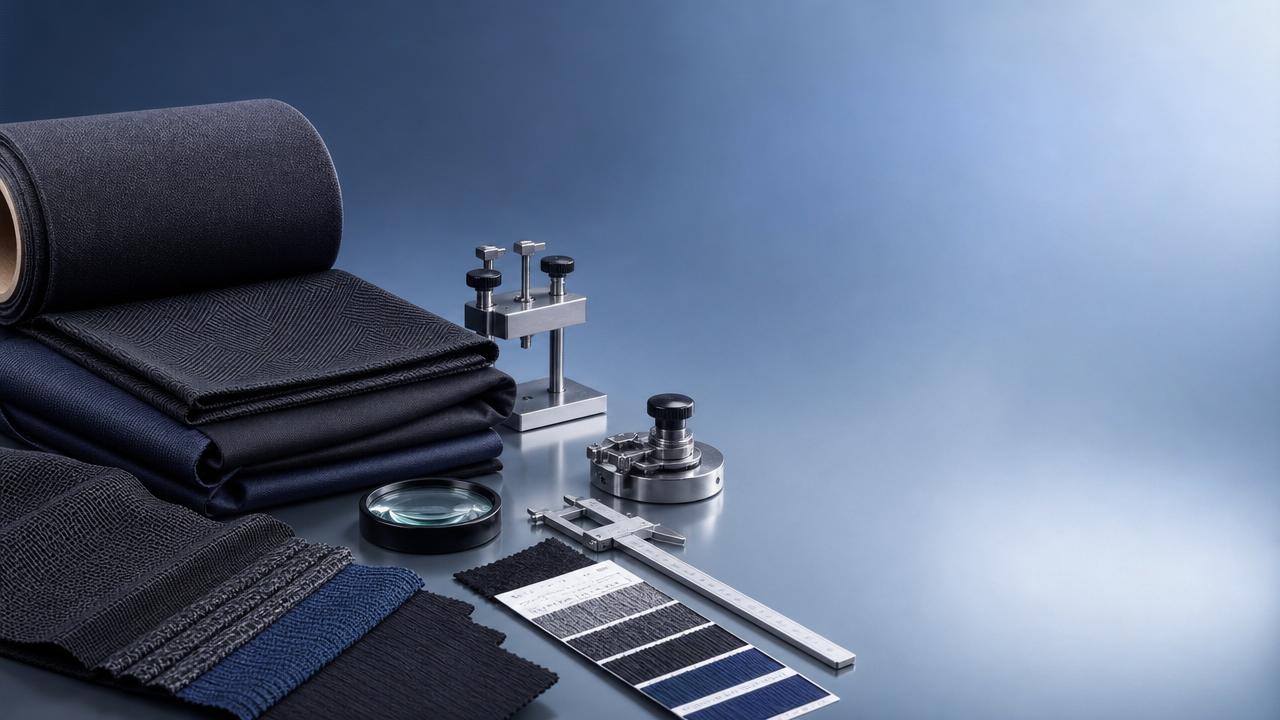
For technical evaluators, the real test of sports apparel is not the first wear but how fabric structure, fiber composition, and finishing perform after repeated wash cycles. This article examines which sports apparel fabrics best retain stretch, color, moisture management, and surface integrity, helping professionals assess durability, quality consistency, and long-term product value across demanding use scenarios.
In B2B sourcing, a fabric that looks strong at launch but degrades after 15 to 30 home-laundry cycles can quickly create warranty claims, inconsistent replenishment quality, and brand damage. For buyers, developers, and laboratory teams reviewing sports apparel, wash durability is not a minor finishing issue. It is a core indicator of engineering discipline across yarn selection, knitting density, dyeing control, and finishing stability.
Within the broader textile and apparel value chain, repeated-wash performance also connects aesthetics with manufacturing capability. A technically sound fabric must keep hand feel, recovery, and appearance in balance while meeting cost targets, delivery windows of 3 to 6 weeks, and application-specific requirements such as running, training, yoga, cycling, or outdoor layering.
Why Wash Durability Matters in Sports Apparel Evaluation
For sports apparel programs, wear testing alone is incomplete. Most end users wash active garments after 1 to 3 wears, and high-sweat categories may be washed after every session. That means a fabric can go through 50 or more wash cycles in a year, making post-laundry stability a primary measure of long-term value.
Technical evaluators usually assess four linked performance areas: stretch retention, colorfastness, moisture management continuity, and surface integrity. If one fails, the others often follow. For example, hydrolysis-sensitive elastane can reduce recovery, while aggressive dyeing can weaken filament strength and accelerate pilling.
Key failure modes after repeated washing
- Bagging or loss of stretch after 20 to 40 cycles
- Shade change, frosting, or edge fading on dark colors
- Reduced wicking speed due to finish wash-off
- Pilling, snagging, or filament fuzz on high-abrasion zones
- Seam grinning caused by fabric growth or recovery imbalance
Why these issues matter to procurement and product teams
A sports apparel fabric is rarely judged in isolation. It must survive garment construction, warehouse handling, export transit, retail display, and real consumer laundering. If a fabric loses only 8% to 10% of stretch in the lab but 20% in finished garments, the root cause may be finishing inconsistency, heat-setting variation, or sewing stress concentration.
This is where cross-functional review becomes important. Design teams focus on drape and color depth, while manufacturing teams watch GSM tolerance, knitting efficiency, and dye lot repeatability. Technical evaluators must connect these perspectives and identify which sports apparel constructions will remain commercially stable beyond initial approval.
A practical benchmark framework
The table below summarizes practical checkpoints often used when comparing sports apparel fabrics for wash resistance under mainstream performance categories.
These ranges are not universal pass-fail rules, but they provide a balanced starting point. Compression sports apparel may require tighter stretch criteria, while lightweight running tops may prioritize moisture continuity and anti-snag behavior over extreme recovery values.
Which Fiber Types Hold Up Best Under Repeated Wash
No single fiber wins every application. Durability under repeated washing depends on polymer chemistry, yarn shape, fabric construction, and finishing method. In sports apparel, the most common base systems are polyester, nylon, elastane blends, and selected regenerated or cellulosic additions for hand feel and thermal comfort.
Polyester blends: the mainstream performance workhorse
Polyester remains dominant in sports apparel because it balances cost, color retention, dimensional stability, and moisture transport. A well-engineered 100% polyester interlock or a 88/12 polyester-elastane jersey often retains appearance better than softer, less stable alternatives after 25 to 50 washes.
Its main risks are odor retention, heat sensitivity during finishing, and occasional hand-feel stiffness if yarn quality is low. However, from a technical review perspective, polyester usually offers the most predictable repeatability across multiple production lots.
Nylon blends: strong, smooth, but more sensitive in some uses
Nylon-elastane fabrics are common in premium leggings, fitted tops, and swim-adjacent sports categories. They generally provide a smoother hand, stronger abrasion performance, and richer dye uptake than polyester. In high-contact sports apparel, nylon often performs well when the target is a premium touch plus durable recovery.
The trade-off is that some nylon constructions can show surface whitening or abrasion marks more easily, especially in dark shades. Evaluators should also monitor heat-setting precision closely because small process deviations can affect growth, torque, or post-wash fit stability.
Elastane content: necessary, but not automatically better
Many sourcing teams assume more elastane means better sports apparel performance. In practice, 8% to 15% elastane is common for stretch tops and leggings, while overuse can increase hydrolysis risk, reduce long-term resilience, and raise cost without proportional gain. A stable structure with 12% elastane can outperform a loose construction with 20% elastane after repeated washing.
Cellulosic and regenerated fibers: comfort gains with caution
Modal, lyocell, bamboo-derived viscose, and similar fibers can improve softness and moisture perception in sports apparel, especially for studio, wellness, or casual active lines. Yet these fibers often need careful blend engineering because wash shrinkage, fibrillation, and surface change may become visible after 10 to 20 cycles if finishing is weak.
When a sourcing brief references 无, technical teams should treat it as a placeholder rather than a material specification. The real decision still depends on measured wash performance, not category language or merchandising positioning.
Fiber comparison for wash-heavy applications
The following comparison helps technical evaluators align fiber choice with use frequency, category risk, and expected service life.
For large-volume sports apparel sourcing, polyester-based systems generally provide the safest balance of wash durability and production consistency. Nylon systems remain highly relevant for premium compression and body-contour categories where touch and abrasion resistance justify tighter process control.
Fabric Construction Often Matters More Than Fiber Alone
Two sports apparel fabrics can share the same fiber content and still perform very differently after laundering. Gauge, stitch density, yarn twist, filament count, brushing, and heat-setting all influence durability. Evaluators should review construction data alongside composition rather than approving by fiber label alone.
Circular knits versus warp knits
Circular jersey and interlock fabrics are common because they deliver comfort and drape. Warp knits, including tricot-based structures, often provide better dimensional stability and snag resistance. For sports apparel that must survive heavy wear and frequent washing, warp-knit constructions may outperform softer jerseys in fit retention over 30 or more cycles.
Brushed and peached surfaces
Surface brushing improves softness, insulation, and visual richness, especially in cold-weather sports apparel. However, every mechanical surface treatment changes the risk profile. Brushed fabrics can pill faster if yarn cohesion is low, while micro-peached finishes may lose clarity after repeated wash and tumble exposure.
Construction review checklist
- Check GSM tolerance across at least 3 points per roll.
- Compare wale and course stability before and after 5 wash cycles.
- Review extension and recovery in both warp and weft directions.
- Inspect face and back surfaces separately for pilling onset.
- Confirm whether wicking depends on fiber shape or temporary finish.
This five-step review reduces false approvals. It also helps distinguish durable sports apparel engineering from fabrics that only test well in unused condition. In some programs, a fabric that appears premium on day one fails because the moisture management relied mainly on a coating that washed down after 8 to 10 cycles.
How to Test Sports Apparel Fabrics for Repeated-Wash Reliability
Technical evaluation should combine laboratory methods with realistic product simulation. A single wash test is not enough. The most useful approach is a tiered protocol that measures baseline condition, mid-cycle change, and end-of-cycle stability for each sports apparel category.
Recommended 3-stage wash assessment
Stage 1 records starting metrics such as GSM, stretch, shade, and wicking. Stage 2 repeats measurement after 5 to 10 washes to identify early degradation. Stage 3 checks longer-term retention after 20 to 30 washes, which is often where construction weakness becomes visible.
What to include in the protocol
- Dimensional change in length and width
- Elastic recovery under repeated extension
- Color change and staining behavior
- Pilling, fuzzing, and surface flattening
- Drying time and wicking continuity
- Handle change after wash and tumble or line dry
Where possible, test both fabric swatches and finished garments. In sports apparel, bonded seams, printed zones, mesh inserts, and waistband constructions can alter wash behavior significantly. Fabric approval without garment-level confirmation may miss failure points that only emerge after assembly.
Common evaluation mistake
One frequent mistake is comparing suppliers using different wash conditions, detergent systems, or drying settings. Another is approving dark-shade sports apparel based on light-color test data. Standardization matters. Even a 10°C difference in wash temperature or higher dryer exposure can alter elastane response and surface appearance.
Procurement and Supply Chain Factors That Influence Wash Performance
Repeated-wash reliability is not created only in the laboratory. It is shaped by sourcing discipline, mill process stability, and change management across production. For technical evaluators supporting purchasing decisions, supplier capability is as important as fiber selection.
Questions to ask mills before approval
- Is moisture management built into the fiber or dependent on topical finishing?
- What is the normal lot-to-lot GSM variation, such as ±3% or ±5%?
- How is heat-setting temperature controlled and recorded?
- Are pilling and wash tests done on greige trial, dyed fabric, or finished garment?
- What is the replenishment timeline for the same construction and shade?
Why replenishment consistency matters
In sports apparel, the first bulk order is only part of the risk. Repeat orders 60 to 180 days later may involve different yarn lots, finishing windows, or machine settings. Evaluators should request retained standard samples and define tolerance limits for shade, stretch, and shrinkage before approving scale-up.
In some sourcing workflows, placeholders such as 无 appear in merchandising documentation. These should never replace a real technical data package. A strong approval file includes composition, knit structure, wash protocol, acceptance range, and observations tied to end use.
Risk control priorities for buyers
The best-performing sports apparel programs usually align 4 control points: approved construction standard, locked finishing route, wash-test protocol, and replenishment matching rules. This reduces variability and supports cleaner communication between design, sourcing, and factory teams.
Selecting the Right Sports Apparel Fabric by End Use
Different categories stress fabric in different ways. A training tee, a yoga legging, and a trail-running layer may all be called sports apparel, but their wash-durability priorities are not the same. End-use alignment is therefore essential during technical review.
High-sweat training tops
These styles benefit from polyester-based microfilament knits or polyester-elastane jerseys with durable moisture transport. The priority is stable wicking after 20 washes, plus color retention in dark shades. Lightweight constructions between roughly 120 and 180 GSM are common.
Leggings and fitted bottoms
For leggings, recovery and opacity are often more important than the softest initial touch. Nylon-elastane or dense polyester-elastane interlocks in the 180 to 280 GSM range are typical. Technical evaluators should monitor seat growth, knee bagging, and post-wash torque.
Outdoor active layers
Outdoor sports apparel may require a broader performance package: abrasion resistance, moderate thermal control, and acceptable drying time after repeated wash. Double-knit or brushed constructions can work well, but surface durability should be validated under both wash and rubbing conditions.
Final decision logic
If the product brief emphasizes mass-market repeatability, polyester-led systems usually offer the strongest commercial security. If premium hand feel and contour fit lead the brief, nylon-based sports apparel can be the right choice, provided the mill demonstrates stable finishing and repeat-order control.
For technical evaluators, the most durable sports apparel fabrics are rarely defined by marketing claims alone. They are identified through measurable retention of stretch, color, moisture performance, and surface quality after realistic wash exposure. Fiber choice matters, but construction, finishing discipline, and supplier consistency matter just as much.
A rigorous review process helps brands reduce claim risk, improve replenishment accuracy, and align aesthetic design with manufacturing reliability. If your team is comparing sports apparel materials for long-term performance, now is the right time to refine specifications, request wash-cycle validation, and build a sourcing standard that supports both product quality and scalable delivery.
To explore more textile and apparel intelligence, evaluate suitable material pathways, or discuss practical assessment criteria for your next program, contact us now to get tailored guidance and learn more solutions.