Fashion Industry Shifts Reshaping Fast Product Cycles

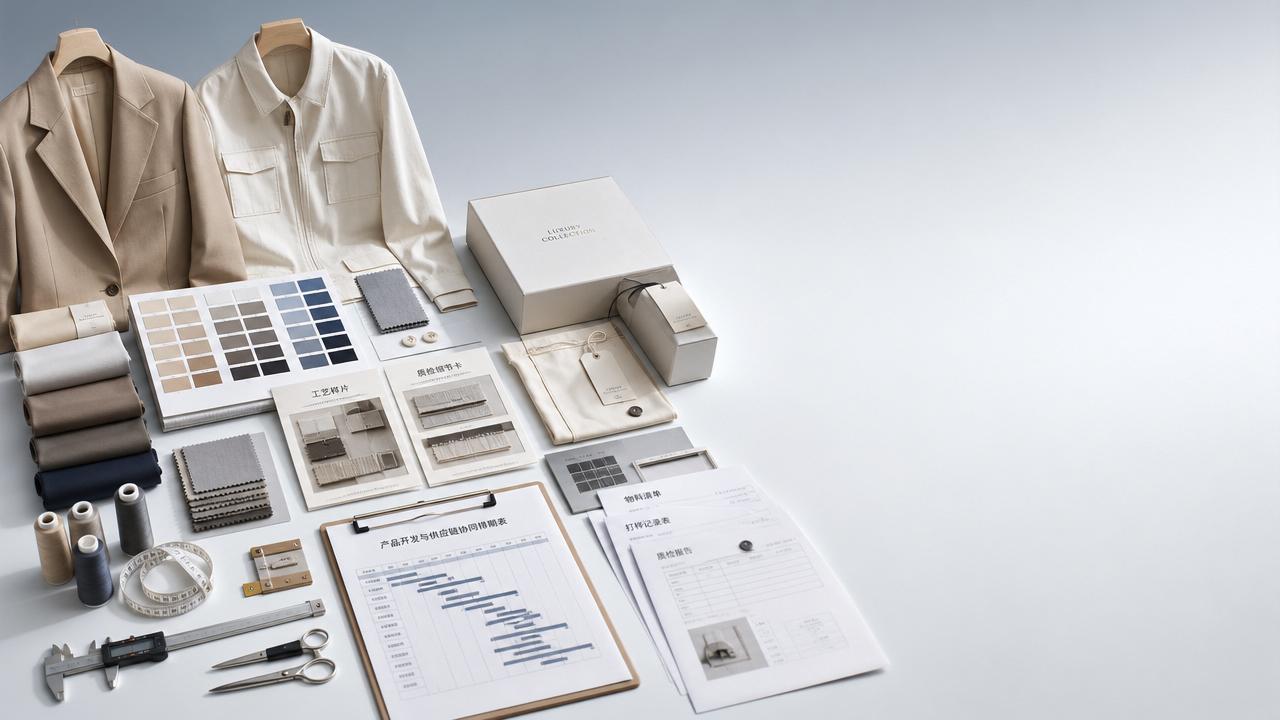
The fashion industry is entering a new phase where design speed, supply chain agility, and craftsmanship precision must work together. For project managers and engineering leads, fast product cycles now demand clearer coordination across sourcing, production, quality, and trend response. This article explores the key shifts reshaping decision-making, helping businesses align aesthetic value with operational efficiency in a more competitive global market.
Why fast product cycles now require a different operating model
In today’s fashion industry, shorter product cycles are no longer just a retail trend. They are an operational reality affecting design approvals, material sourcing, factory scheduling, testing, compliance, and delivery performance.
For project managers, the core question is not simply how to move faster. It is how to move faster without increasing defect rates, supplier instability, missed launches, or excessive development cost.
The biggest shift is that speed now depends on system coordination. Brands and manufacturers that still manage design, procurement, production, and quality as separate functions usually struggle to keep pace with market demand.
The companies performing best are building cross-functional workflows. They connect trend sensing with product development, supplier readiness, sampling, engineering review, and commercial planning much earlier in the cycle.
This matters because compressed calendars leave less room for correction. A material delay, sample revision, or quality issue that once caused inconvenience can now disrupt an entire launch window.
In practical terms, fast cycles require a more disciplined operating model. Teams need decision gates, shared data, supplier visibility, and faster escalation paths rather than more meetings or more reactive communication.
What is driving the current shifts in the fashion industry
Several structural changes are reshaping the fashion industry at the same time. Together, they are forcing companies to rethink how products are planned, developed, and delivered.
First, consumer demand is more fragmented. Instead of a few dominant seasonal trends, brands now face micro-trends, regional preferences, and social media driven demand spikes that appear and fade quickly.
Second, supply chains are under pressure from volatility. Raw material pricing, energy costs, logistics disruptions, trade policy shifts, and labor constraints have made long, rigid product calendars much harder to sustain.
Third, sustainability expectations are influencing product decisions earlier. Material traceability, lower waste, and compliance requirements cannot be added at the end of development without slowing the entire cycle.
Fourth, digital tools are changing customer expectations inside the business. Leadership teams want real-time progress, faster costing, better forecasting, and more reliable launch execution across multiple product categories.
Fifth, craftsmanship still matters. Even in high-speed environments, poor construction, inaccurate fit, or inconsistent finishing can damage brand credibility faster than ever in digital commerce channels.
These shifts mean speed alone is not a competitive advantage. The advantage comes from combining speed with quality control, supplier coordination, and decision discipline across the product lifecycle.
What project managers and engineering leads care about most
For management and delivery teams, the main concern is not trend language. It is execution risk. They need to know whether faster product cycles will improve responsiveness or simply create more operational instability.
One major concern is forecast uncertainty. When product lifecycles shrink, planning errors become more expensive because there is less time to rebalance materials, capacity, and distribution after demand changes.
Another concern is development bottlenecks. If approvals, prototyping, testing, and supplier communication are still sequential, the organization may promise fast delivery without having a process built to support it.
Quality risk is also central. Faster turnover often increases style count, material variation, and supplier switching. Without robust process control, this can raise return rates, rework, and customer dissatisfaction.
Engineering leads also worry about manufacturability. Designers may ask for rapid updates, but factories still need realistic tolerances, machine compatibility, finishing consistency, and achievable assembly sequences.
Cost control remains critical. Fast product cycles can improve sell-through and reduce stale inventory, but they can also raise sampling expenses, expedite fees, and procurement fragmentation if poorly managed.
That is why decision-makers need frameworks, not headlines. They want to understand where speed creates value, where it creates risk, and which investments actually improve cycle performance.
How supply chain agility is being redefined
Supply chain agility in the fashion industry used to mean faster replenishment. Today, it means much more. It includes material flexibility, near-real-time capacity visibility, shorter approval loops, and supplier collaboration at development stage.
The most effective teams no longer wait until final design sign-off to involve sourcing and factory partners. They engage strategic suppliers early to validate lead times, technical feasibility, and minimum order realities.
This early involvement helps reduce late redesigns. It also gives project leaders a more accurate view of whether a concept can scale commercially within the desired launch window and cost target.
Agility also depends on supplier segmentation. Not every vendor should be managed in the same way. Core suppliers for repeat programs need deeper integration than opportunistic suppliers used for niche or experimental launches.
For engineering and project teams, this means building a tiered sourcing model. Critical suppliers should share capacity plans, risk signals, material alternatives, and quality data before problems reach production.
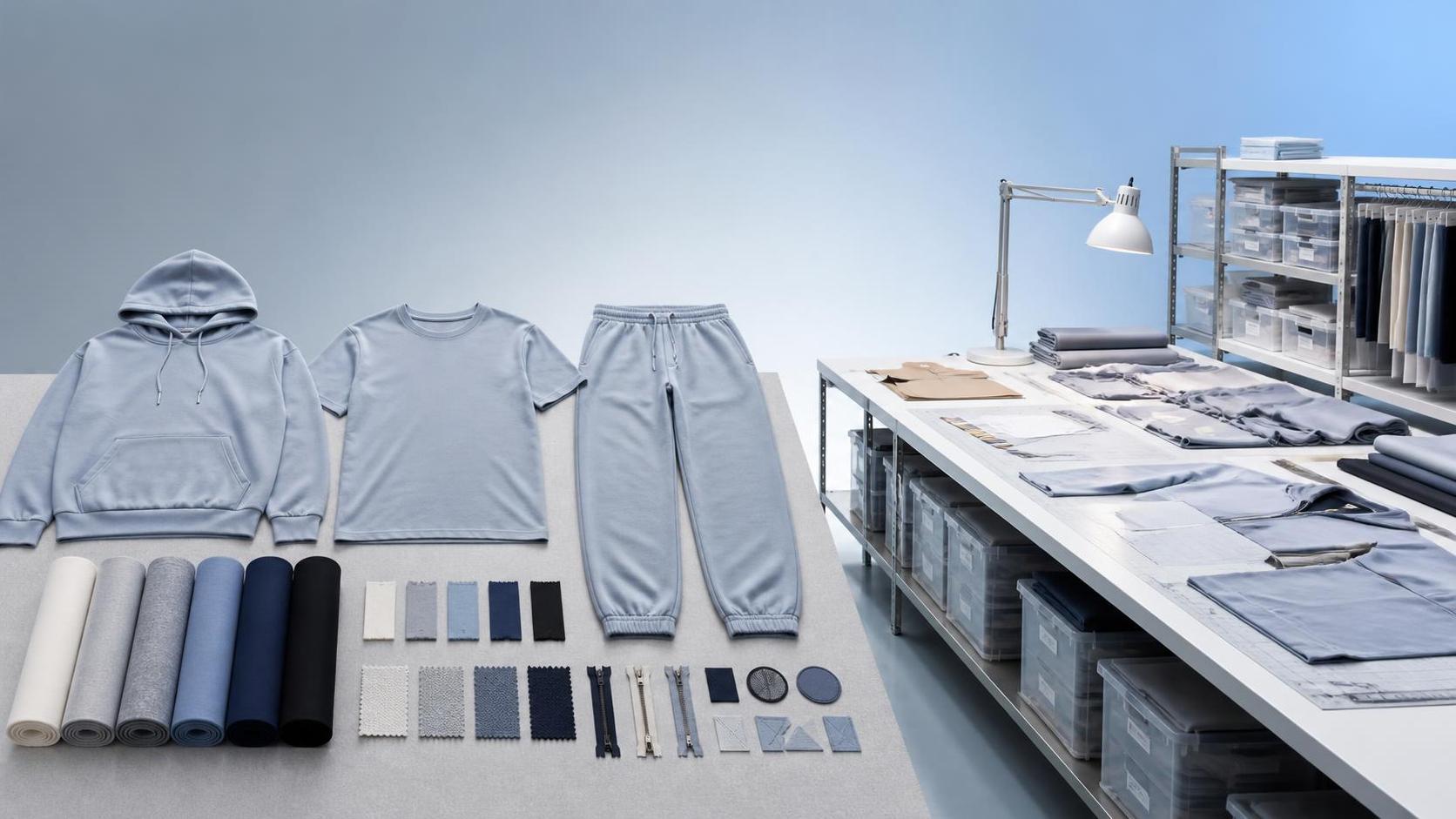
Another emerging practice is modular development. Standardized trims, carryover fabrics, reusable patterns, and proven construction blocks can shorten development time without sacrificing product differentiation.
In short, agility is becoming a designed capability rather than an emergency response. It works best when structure, data, and supplier alignment reduce uncertainty before production starts.
Why craftsmanship and quality control are becoming strategic again
Fast cycles can create the false impression that craftsmanship matters less. In reality, the opposite is happening. As product windows shrink, the cost of poor execution rises because brands have fewer chances to recover.
In the fashion industry, visible flaws spread quickly through reviews, returns, and social media. A rushed product that performs poorly can damage both short-term sales and long-term trust.
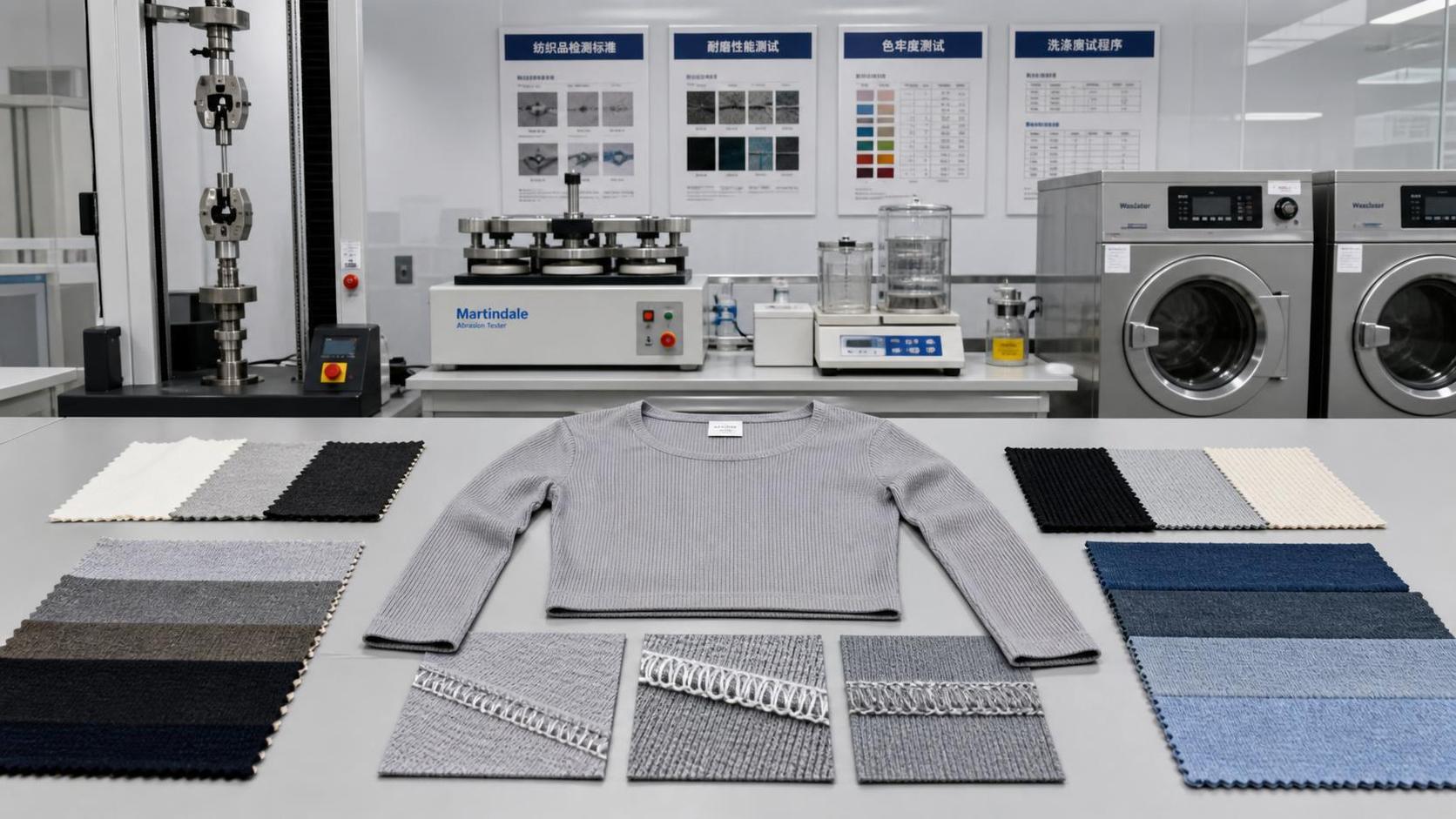
For project managers, this makes quality planning a front-end task. Quality cannot rely only on end-of-line inspection when product complexity, supplier mix, and launch frequency are increasing.
Leading teams are moving quality upstream. They define critical-to-quality attributes during development, align sample evaluation with production realities, and create clearer construction standards before order confirmation.
Craftsmanship is also relevant for efficiency. When technical packs are precise and workmanship expectations are clear, factories spend less time interpreting intent, correcting avoidable mistakes, or reworking inconsistent details.
This is especially important in categories where tactile value drives purchase decisions, such as apparel, accessories, home textiles, and lifestyle products that combine aesthetics with regular daily use.
For businesses trying to balance speed and reputation, craftsmanship should be treated as a scaling asset. It strengthens consistency, supports premium perception, and reduces hidden operational waste.
Where digital tools actually help and where they do not
Digital platforms are often presented as the answer to every challenge in the fashion industry. In practice, tools only create value when they improve decision quality, shorten cycle time, or reduce coordination failure.
Product lifecycle management systems can help centralize specifications, approvals, and revision history. This reduces confusion across design, sourcing, quality, and production teams working on compressed timelines.
3D sampling and virtual review tools can also accelerate early development. They may reduce physical sample rounds, improve communication, and support faster internal alignment on silhouette, color, and proportion.
However, digital adoption has limits. If supplier data is incomplete, if decision rights are unclear, or if teams bypass the system under deadline pressure, technology may add complexity rather than solve it.
Engineering leaders should therefore evaluate tools based on operational use cases. Ask which delays occur most often, which handoffs fail repeatedly, and which approvals create rework or uncertainty.
Good digital investment supports measurable improvements such as lower sample iteration, faster costing, fewer specification errors, and better milestone visibility across departments and external partners.
The goal is not digitalization for its own sake. The goal is a more reliable product cycle with stronger transparency, faster decisions, and fewer avoidable disruptions.
How to decide whether faster cycles are worth the investment
Not every business should pursue maximum speed across every product line. For project leaders, the smarter approach is to determine where faster cycles create strategic value and where stability matters more.
Speed is usually most valuable in trend-sensitive categories, test launches, seasonal capsules, replenishment with volatile demand, and products shaped by social media or short-lived consumer attention.
Longer cycles may still make sense for technically demanding products, certification-heavy categories, premium craftsmanship lines, or programs where material innovation requires extensive testing and validation.
That means the right question is not whether to accelerate everything. It is which portfolio segments need rapid response, which need controlled development, and what operating model supports both.
Project managers should assess investment choices using clear metrics. These include development lead time, first-pass sample approval, on-time launch rate, gross margin impact, markdown exposure, and return-related quality cost.
They should also calculate the hidden cost of poor acceleration. Expedites, overtime, duplicated sampling, fragmented purchasing, and excess quality claims can erase the margin benefit of moving faster.
A segmented approach usually delivers better results than blanket speed targets. It aligns resource intensity with product value, risk profile, and market responsiveness requirements.
A practical framework for managing fast product cycles
To respond effectively to current fashion industry shifts, organizations need a repeatable framework. This framework should connect market speed with technical feasibility, commercial priorities, and factory execution.
Start with product classification. Group programs by volatility, complexity, margin sensitivity, and quality risk. This helps teams avoid managing every style with the same calendar and approval structure.
Next, define milestone discipline. Set clear decision points for concept lock, material approval, sample review, costing sign-off, production readiness, and launch release. Ambiguous milestones create silent delays.
Then strengthen cross-functional ownership. Design, sourcing, engineering, quality, and planning should share visibility into risks and dependencies instead of handing problems downstream after deadlines tighten.
Build supplier readiness reviews into development. Validate raw material lead times, machine capability, workmanship standards, and contingency options before production orders are placed.
Use exception-based escalation. Teams should know which issues require immediate leadership attention, such as material substitution, compliance gaps, repeated sample failure, or capacity shortfalls near launch.
Finally, review cycle performance after each launch. Measure delay sources, approval efficiency, quality outcomes, and supplier responsiveness. Fast-cycle capability improves when organizations learn systematically, not incidentally.
What these shifts mean for global brands and manufacturing partners
The current transformation of the fashion industry is not only a brand-side issue. It also changes what manufacturers, sourcing offices, and development partners must be able to deliver consistently.
Factories are being asked to do more than execute orders. They must support material innovation, smaller batch flexibility, faster prototyping, stable quality, and clearer technical collaboration with brand teams.
This creates opportunity for capable suppliers. Partners that combine craftsmanship, engineering responsiveness, and transparent communication can become strategically important in a more compressed market environment.
For brands, the implication is equally important. The strongest partnerships will be built less on price negotiation alone and more on shared planning, trust, data visibility, and problem-solving speed.
This is especially relevant for companies operating across textiles, apparel, home furnishing, gifts, and outdoor lifestyle categories where design intent and manufacturing detail must remain closely connected.
As cycles get faster, the gap widens between transactional supply chains and collaborative ones. Businesses that bridge aesthetics with production capability are more likely to protect both margin and market relevance.
Conclusion: speed matters, but coordinated execution matters more
Fashion industry shifts are reshaping fast product cycles in ways that directly affect project managers and engineering leads. The real challenge is not speed by itself, but the ability to align speed with quality, sourcing, and delivery control.
Organizations that respond well are not simply working harder. They are redesigning workflows, involving suppliers earlier, clarifying decision gates, using digital tools selectively, and treating craftsmanship as an operational advantage.
For decision-makers, the most useful mindset is strategic selectivity. Accelerate where market responsiveness creates value, standardize where repeatability improves efficiency, and protect quality where brand trust depends on it.
In a more competitive global market, the winners in the fashion industry will be those that connect aesthetics, industrial discipline, and supply chain intelligence into one coordinated product cycle.