Apparel Production Costs in 2026: What Changes


As buyers prepare for 2026, apparel production is entering a new phase shaped by rising labor costs, sustainability rules, sourcing shifts, and smarter manufacturing tools. Understanding what is changing can help procurement teams control budgets, reduce risk, and choose partners more strategically. This article explores the key cost drivers behind apparel production and what they mean for purchasing decisions in a fast-evolving global market.
For procurement teams, the issue is no longer just unit price. In 2026, apparel production decisions will be influenced by lead-time volatility, compliance costs, material traceability, production flexibility, and supplier resilience across multiple regions.
This matters to buyers working across textiles, apparel, lifestyle products, and related soft-industry categories. A sourcing choice that looks competitive on paper can become expensive when testing delays, low line efficiency, or sustainability documentation are added to the total landed cost.
Why apparel production costs are changing in 2026
The cost base of apparel production is shifting because several variables are moving at the same time. Labor remains important, but it now sits alongside energy pricing, raw material volatility, digital compliance, and regional sourcing strategy.
Labor costs are rising, but the bigger issue is productivity
In many sourcing markets, wage growth of 5% to 12% over a 12-month cycle is no longer unusual. Yet higher wages do not always translate into higher total cost if the factory improves output per operator, reduces rework, and shortens changeover time.
For buyers, the key question is not only hourly labor rate. It is also how many pieces a line can deliver per shift, whether defect rates stay below 2% to 3%, and how quickly the supplier can move from sample approval to bulk production.
What buyers should check
- Average line efficiency by product type, such as knit tops, woven shirts, or outerwear
- Operator skill depth for small-batch and multi-style production
- Historical rework ratio and first-pass quality performance
- Training cycle for new sewing operations, often 3 to 10 days depending on complexity
Raw material costs are becoming more layered
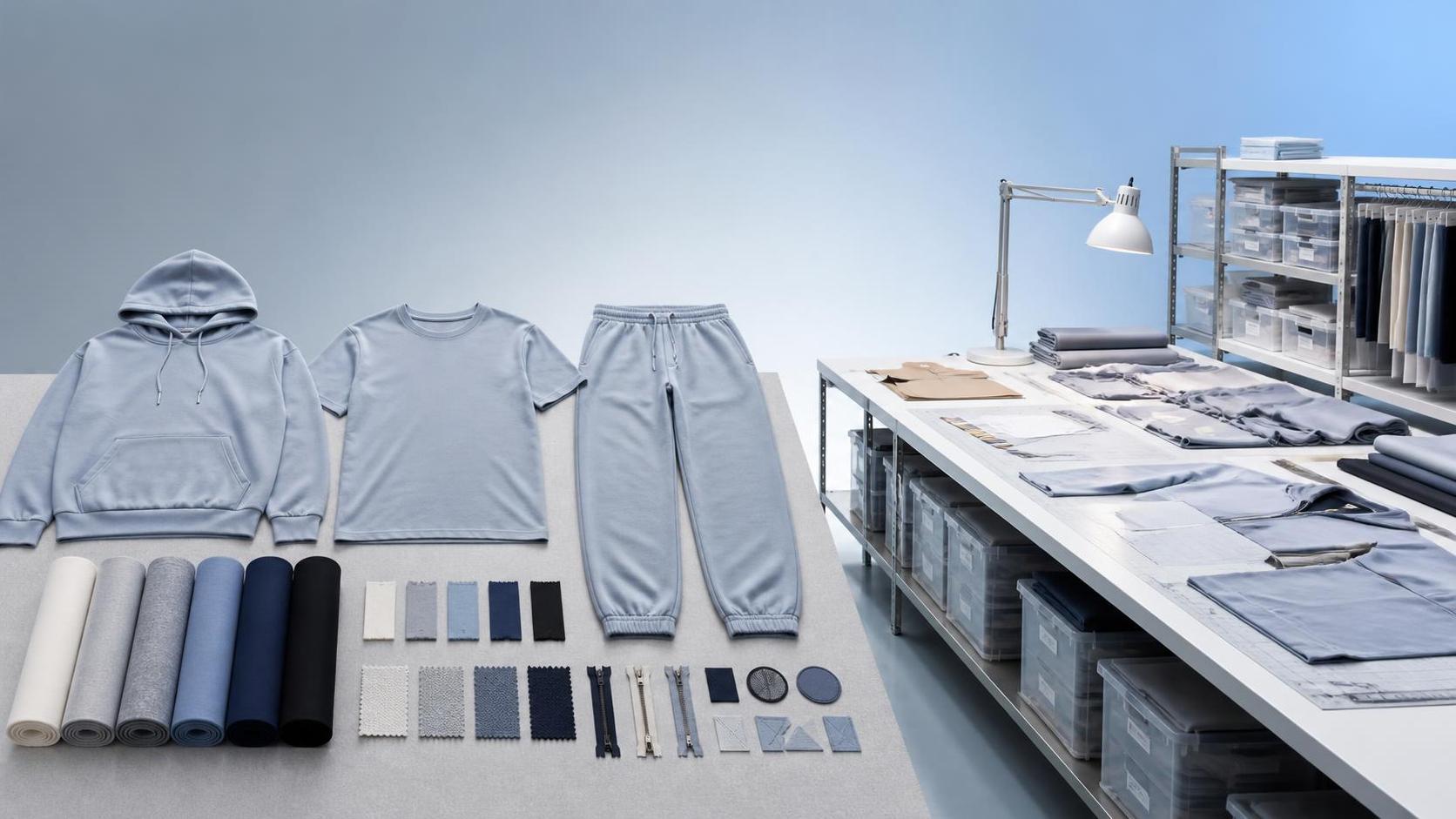
Fabric remains one of the largest cost components in apparel production, often accounting for 35% to 60% of FOB cost depending on category. In 2026, buyers are facing wider price spreads between conventional fibers, recycled inputs, and certified lower-impact materials.
A cotton jersey program and a recycled polyester performance style may now differ not only in yarn price, but in dyeing setup, testing requirements, and sourcing lead time. Trim costs, especially for zippers, labels, hangtags, and packaging, are also under pressure when traceability is required.
The table below outlines how major cost drivers tend to affect apparel production budgets in practical sourcing scenarios.
The practical takeaway is that apparel production cost inflation is not one-dimensional. A supplier with a slightly higher quoted price may still offer lower total cost if it has stronger material control, better yield management, and fewer compliance failures.
Sustainability rules are no longer optional overhead
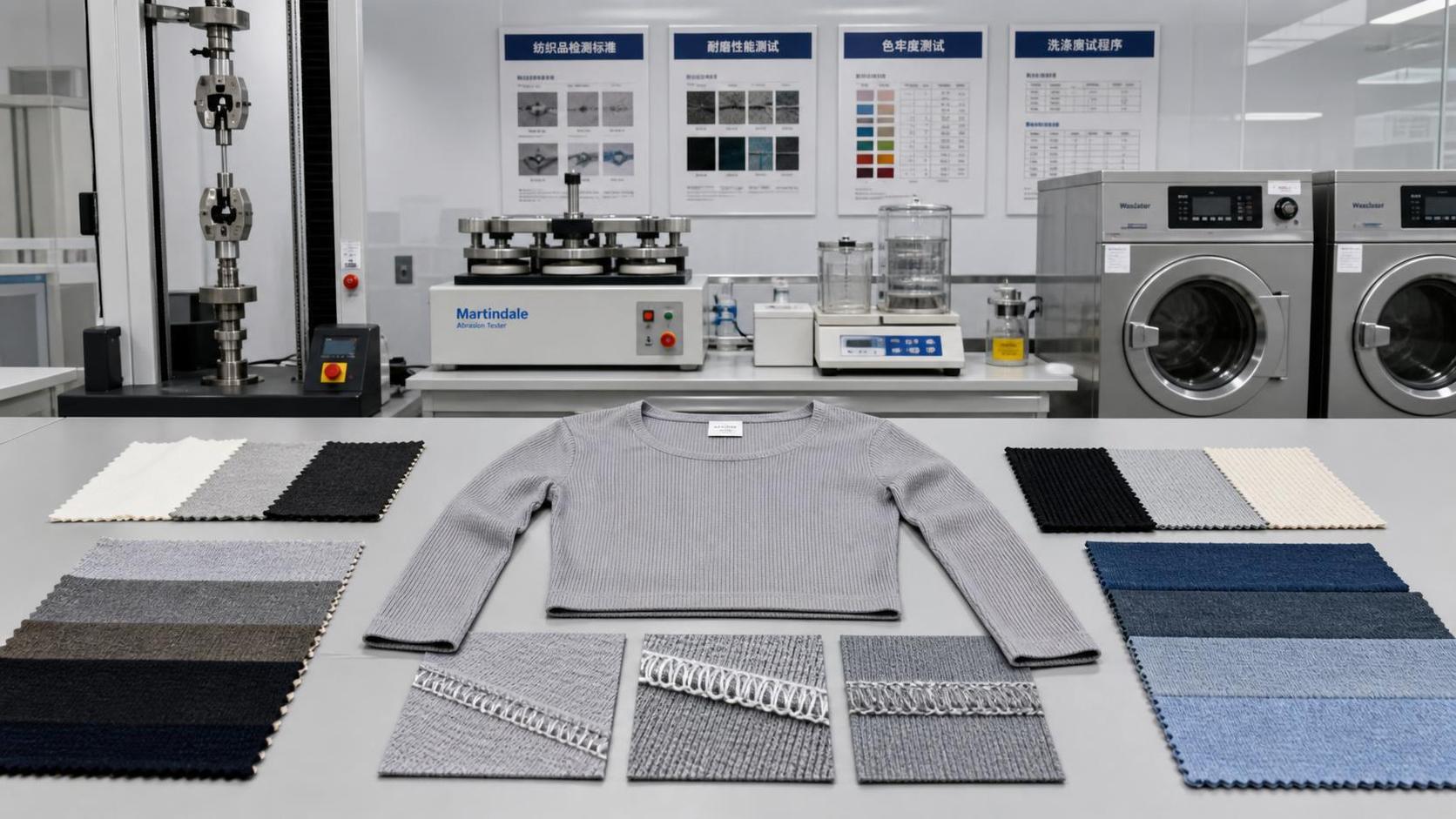
In 2026, environmental and social compliance costs are being built directly into apparel production planning. Buyers increasingly need evidence for fiber content, chemical management, wastewater handling, and workplace standards before orders are released.
This adds cost at several points: testing fees, certification management, segregated inventory, document preparation, and in some cases slower onboarding. A factory that once needed 2 weeks to confirm production readiness may now need 3 to 5 weeks when traceability mapping is incomplete.
How sourcing shifts are reshaping apparel production strategy
Regional diversification has become a major sourcing theme. Buyers are balancing cost, speed, tariff exposure, compliance readiness, and category specialization rather than relying on a single manufacturing country or a single factory group.
Nearshoring, China-plus-one, and dual-region planning
For many procurement teams, apparel production in 2026 will involve at least 2 sourcing layers. One layer handles core volume and stable programs; the second handles speed-to-market, replenishment, or risk backup.
This model helps reduce disruption, but it also creates new cost structures. Duplicate development, parallel testing, split fabric bookings, and lower initial order concentration can all raise per-unit cost by 3% to 8% during transition periods.
Common buyer scenarios
- Basic programs placed in high-capacity factories with 60 to 90 day planning windows
- Fashion or seasonal capsules placed in flexible units with 30 to 45 day lead times
- Emergency replenishment reserved for regional partners with smaller MOQ thresholds
Category complexity now matters more than headline pricing
Not all apparel production should be sourced using the same logic. A simple cotton T-shirt, a bonded outerwear style, and a seam-sealed performance garment carry very different risk profiles, machine requirements, and quality control needs.
A buyer may save $0.20 per piece on a quote, but lose that advantage through lower yield, color inconsistency, or missed shipment windows. This is especially relevant for lifestyle categories linked to outdoor leisure, footwear-adjacent soft goods, and furnishing-related textile products where performance claims must be supported.
The following comparison helps buyers assess how different sourcing models influence apparel production economics and supply stability.
The best model depends on product architecture and business rhythm. For many buyers, a mixed network is becoming more practical than chasing the lowest initial apparel production quote in one geography.
Technology is changing cost structure inside the factory
Smarter manufacturing tools are not removing labor from apparel production completely, but they are changing where cost is created and where savings can be captured. Digital planning, cutting optimization, line monitoring, and quality data are becoming more relevant to procurement outcomes.
Automation helps most in preparation and control stages
In 2026, the most visible gains often come from marker efficiency, fabric spreading accuracy, cutting precision, and production tracking rather than fully automated sewing. These areas can reduce fabric waste by 1% to 3%, lower recut frequency, and improve schedule visibility.
For a large seasonal order, even a 1.5% improvement in fabric yield can offset part of the annual wage increase. This is why buyers should ask not only whether a factory uses digital tools, but where those tools affect cost, quality, and delivery reliability.
Useful factory questions for buyers
- What is the average marker efficiency by fabric type?
- How often are in-line defects reported during a shift: hourly, every 2 hours, or end-of-day?
- Can the factory track WIP by style, color, and size ratio in real time?
- How many days are typically needed from PP approval to cutting start?
Small-batch capability is becoming a cost advantage
The old assumption that only large-volume orders are cost efficient is weakening. As product cycles become shorter, buyers increasingly value apparel production partners that can handle 300 to 1,500 pieces per style without excessive setup loss or documentation delays.
Factories with strong digital workflow and modular lines can switch styles faster, sometimes cutting changeover from 4 hours to less than 2 hours. That flexibility may produce a better total margin for brands managing uncertain demand or high SKU counts.
A practical framework for procurement teams in 2026
To manage apparel production costs well, buyers need a broader evaluation framework than FOB comparison alone. A useful approach is to score suppliers across 4 dimensions: cost transparency, execution stability, compliance readiness, and development flexibility.
Build a total cost view before placing orders
A complete sourcing review should include at least 6 checkpoints: material lead time, sample cycle, MOQ, testing burden, transit plan, and contingency capacity. Missing even one of these can distort the real cost of apparel production.
For example, a supplier with a 10-day longer fabric booking window may require earlier commitment, larger inventory buffers, or air shipment in peak periods. Those extra costs can erase an attractive sewing price very quickly.
Recommended procurement checklist
- Confirm fabric source, backup mill, and replenishment cycle
- Review factory capacity by month, not by annual statement
- Validate compliance documents and testing workflow before order issue
- Ask for defect-control method at cutting, sewing, and finishing stages
- Compare transit options for standard and urgent delivery windows
- Define escalation rules for delays longer than 48 hours
Choose partners that connect craftsmanship with supply chain discipline
In sectors shaped by aesthetics and function, buyers need more than a factory that can sew. They need apparel production partners that understand material behavior, workmanship standards, and the commercial effect of fit, finish, and consistency across repeated orders.
This is especially true for businesses operating across textiles, home-related soft goods, gifts, outdoor products, and lifestyle categories where design intent must be translated into scalable manufacturing. The strongest suppliers combine workmanship discipline with reliable documentation and realistic cost engineering.
Common buyer mistakes to avoid
One common mistake is selecting suppliers based only on the lowest quote for first orders. Another is treating all apparel production categories as if they share the same compliance burden, line setup, or lead-time profile.
A third mistake is failing to align MOQ, development speed, and sales forecast. If the business model depends on frequent refreshes every 6 to 8 weeks, a factory optimized only for long runs may not be the right fit even if its base price is lower.
What buyers should prioritize next
The biggest change in 2026 is that apparel production cost control is becoming a strategic sourcing exercise rather than a simple negotiation exercise. Buyers who understand productivity, compliance, material structure, and regional flexibility will be better positioned to protect margin and reduce disruption.
Strong procurement performance now depends on asking better factory questions, comparing total cost across 2 to 3 sourcing scenarios, and building partnerships that balance design quality with manufacturing discipline. That is where better decisions are made, especially in industries where craftsmanship and global supply logic increasingly overlap.
If your team is reviewing sourcing plans, evaluating new suppliers, or mapping cost risks across apparel production programs, now is the right time to build a more informed framework. Contact us to discuss your sourcing priorities, get a tailored market view, or explore more solutions for resilient and cost-aware procurement.