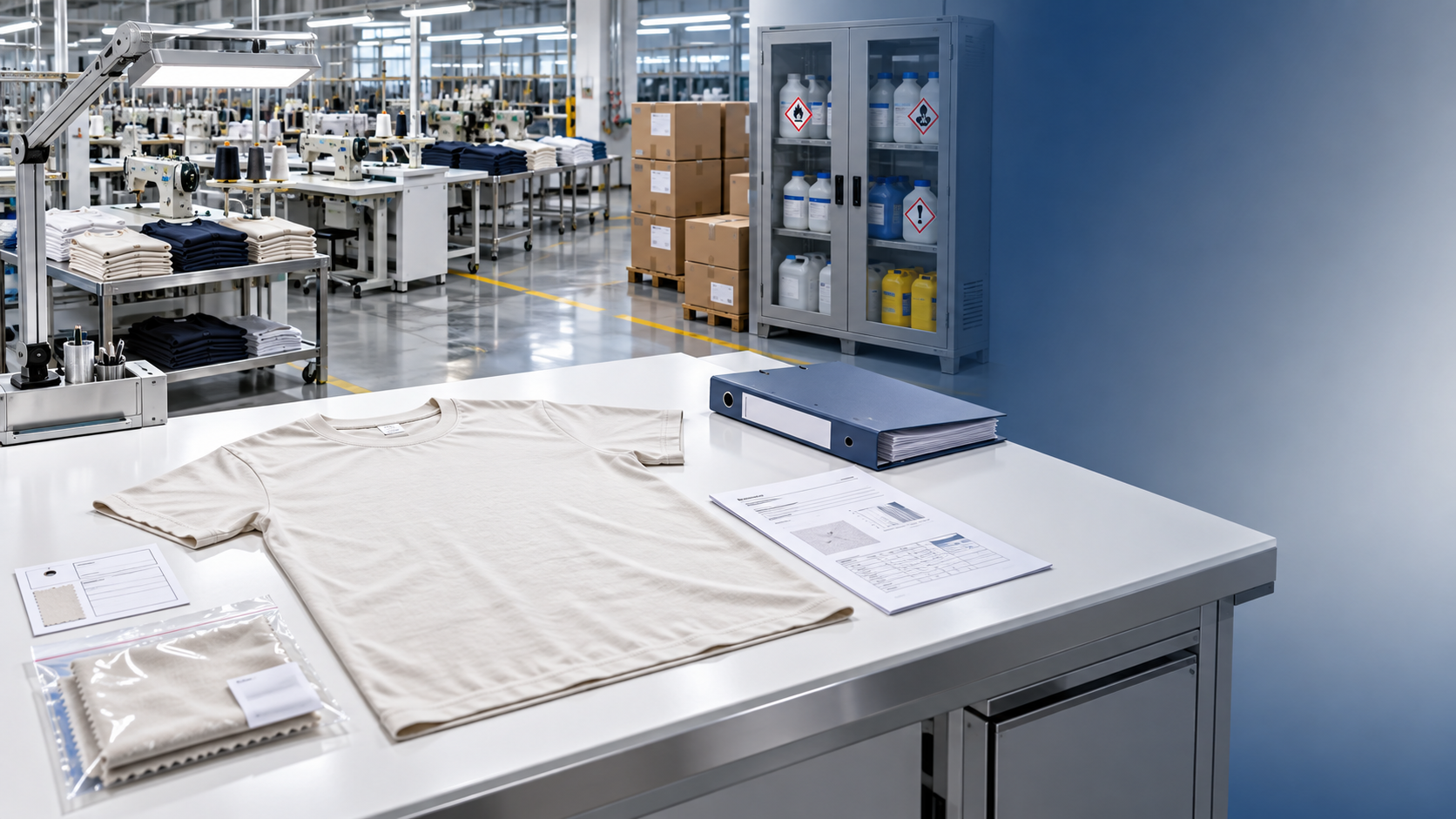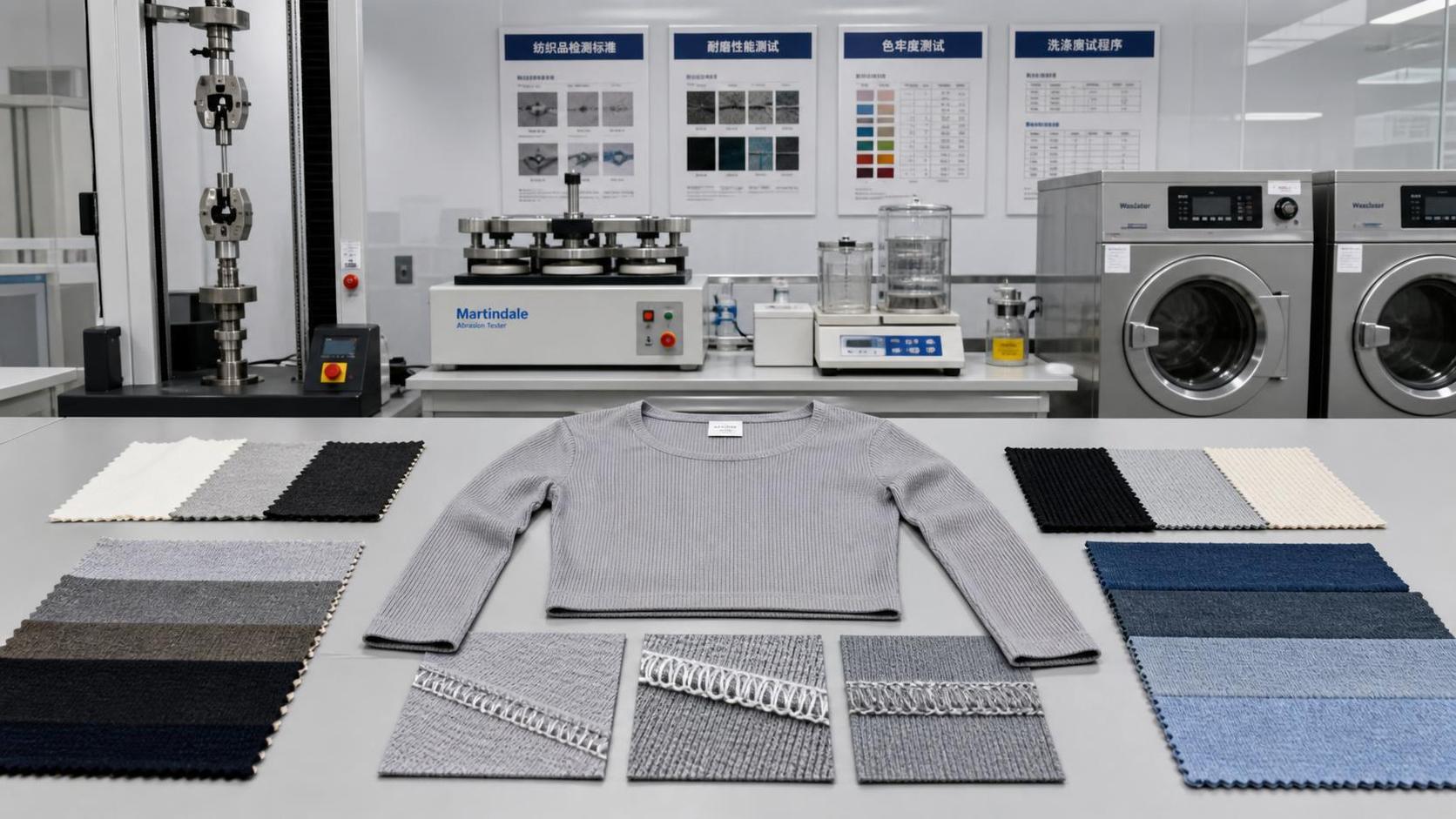
Fashion Manufacturing Risks to Watch in 2026


In 2026, fashion manufacturing will face a wider risk map than cost inflation alone.
Pressure will come from sourcing shifts, compliance changes, climate disruption, digital exposure, and unstable quality performance.
For brands, suppliers, and global product teams, early visibility matters because every weak point can damage delivery, margin, and reputation.
This guide explains where fashion manufacturing risk will hit hardest, which operating scenarios need closer attention, and how resilient systems can reduce disruption.
Why fashion manufacturing risk looks different across operating scenarios
Not every fashion manufacturing model carries the same exposure.
A fast-cycle apparel launch faces different threats than a premium home textile collection or a technical outdoor product line.
The risk profile changes with material complexity, country mix, order volatility, certification level, and customer promise.
That is why fashion manufacturing planning in 2026 must start with scenario judgment, not generic risk lists.
Across textiles, apparel, leather, gifts, and lifestyle categories, the same disruption can produce very different business outcomes.
Scenario 1: Fast-turn apparel programs face the highest delivery and quality volatility
Short lead-time apparel depends on precise fabric booking, stable trims, fast approvals, and synchronized logistics.
In this scenario, fashion manufacturing breaks down when one late dye lot delays cutting or one test failure blocks shipment release.
The core judgment point is cycle compression.
When merchandising calendars shrink, teams often remove inspection buffers and overestimate factory flexibility.
That creates hidden risk in line balancing, color consistency, and final packing accuracy.
For fashion manufacturing in this scenario, the biggest warning signs include frequent style changes, split purchase orders, and low raw material visibility.
Key warning points in fast-cycle production
- Fabric readiness lags behind sample approval.
- Trim substitutions occur without updated testing.
- Factory capacity is booked on optimistic assumptions.
- AQL inspection is moved too close to vessel cutoff.
Scenario 2: Sustainable sourcing programs face compliance and traceability pressure
Sustainability promises are expanding from marketing claims into regulated operational requirements.
In 2026, fashion manufacturing risk will rise where recycled, bio-based, or low-impact materials lack reliable chain-of-custody data.
This scenario matters for apparel, footwear, home products, and gift categories alike.
The judgment point is not only whether a material is greener.
It is whether documentation, testing, and supplier declarations remain consistent across mills, converters, and assembly sites.
Fashion manufacturing teams should watch for data gaps between fiber source, dye process, chemical input, and finished product labeling.
One missing record can trigger shipment holds, customer disputes, or claim withdrawal.
Core judgment points for traceable sourcing
- Material origin matches transaction certificates.
- Chemical compliance records are current and auditable.
- Supplier onboarding includes ESG evidence, not promises only.
- Label claims align with test scope and legal wording.
Scenario 3: Multi-country sourcing creates resilience but increases coordination risk
Many companies are diversifying country exposure to reduce concentration risk.
This is a smart direction, but fashion manufacturing becomes harder when technical standards differ across regions.
A dual-source strategy can improve continuity while also introducing fit variation, documentation errors, and inconsistent lead times.
The main judgment point is process harmonization.
If patterns, tolerances, testing plans, and packaging rules are interpreted differently, supply redundancy becomes a quality risk.
Fashion manufacturing resilience depends on whether data, not just orders, can move cleanly across the network.
Typical breakdowns in diversified sourcing
- Different mills interpret color standards differently.
- Local subcontracting is not fully disclosed.
- Testing methods vary by country or lab partner.
- Booking windows shift due to customs or port congestion.
Scenario 4: Technical and premium products carry higher hidden failure costs
Outdoor wear, performance footwear, protective fabrics, and premium furnishing products carry tighter tolerance expectations.
In these categories, fashion manufacturing risk is less about volume and more about functional failure.
A seam issue, coating inconsistency, or hardware defect can create returns, recalls, and liability exposure.
The judgment point is validation depth.
Products with complex performance claims require stronger pre-production testing, wear simulation, and process control during scale-up.
For fashion manufacturing in technical segments, skipping pilot runs often creates the most expensive mistakes.
How risk priorities change by fashion manufacturing scenario
Practical fashion manufacturing actions that fit different scenarios
The right response depends on where risk enters the workflow.
Strong fashion manufacturing control combines technical discipline, supplier transparency, and decision speed.
Recommended actions by situation
- For short lead times, freeze critical materials earlier than styling details.
- For traceable programs, connect claim approval with documentation checkpoints.
- For multi-country sourcing, standardize tech packs, grading rules, and test methods.
- For technical products, run pre-bulk trials with real use conditions.
- For all categories, create escalation rules before a delay becomes a shipment crisis.
Common fashion manufacturing mistakes that are easy to miss
Many failures do not start at the sewing line.
They begin with poor assumptions, fragmented data, or weak change control.
One common mistake is treating approved samples as proof of scalable bulk performance.
Another is assuming a certified supplier automatically delivers compliant output every season.
Fashion manufacturing also suffers when teams monitor supplier price more closely than supplier process capability.
A lower quote can hide higher rework, freight acceleration, and claim settlement costs.
Climate-related disruption is another blind spot.
Floods, heat stress, water restrictions, and energy instability can disrupt mills and dye houses with little warning.
In 2026, fashion manufacturing planning should include local environmental exposure, not only labor and tariff considerations.
A stronger 2026 response starts with better visibility and disciplined next steps
The most resilient fashion manufacturing systems are built on timely signals, shared standards, and realistic operating buffers.
That approach fits the broader shift across global lifestyle industries, where design value now depends on supply reliability.
A useful next step is to map current programs by scenario, then rank exposure across sourcing, quality, compliance, logistics, and climate sensitivity.
After that, assign one measurable control for each major risk point.
In fashion manufacturing, resilience rarely comes from one dramatic change.
It comes from many small controls working together, from fiber source to final delivery.
For organizations linking global aesthetics with craftsmanship, this is the path to protect quality, trust, and long-term growth in 2026.