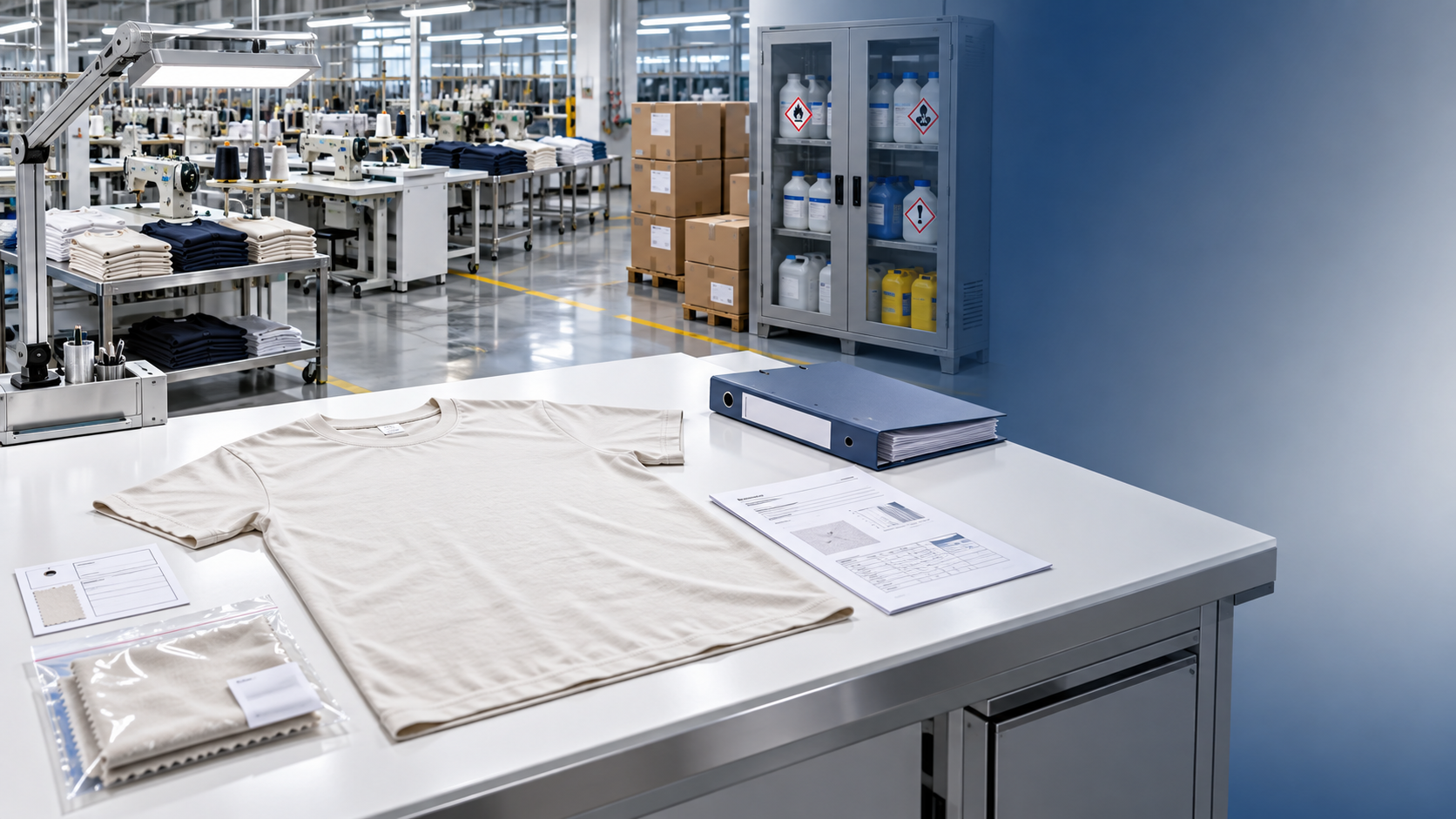
Fast Fashion Environmental Impact: The Costs Behind Low Prices

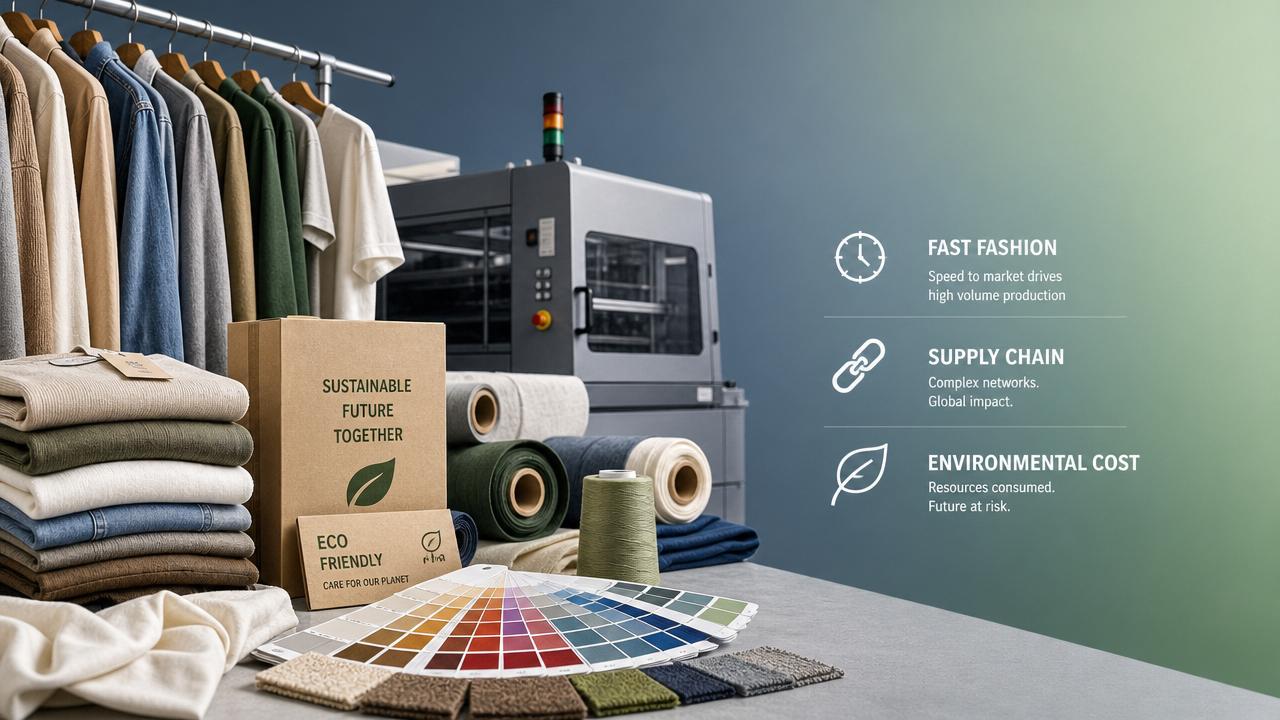
Fast fashion environmental impact is no longer just a sustainability issue—it is a supply chain, sourcing, and brand risk challenge that project leaders cannot ignore. Behind low prices lie resource-intensive production, waste-heavy cycles, and growing pressure for transparency across textiles and apparel. This article explores the hidden costs shaping modern manufacturing decisions and what they mean for responsible growth.
For project managers and engineering leads, this topic is operational rather than abstract. Material choices, factory scheduling, packaging design, wastewater handling, and supplier visibility all affect cost, lead time, compliance exposure, and brand reputation. In sectors linked to textiles, apparel, furnishing, gifts, and outdoor products, the fast fashion environmental impact increasingly shapes procurement frameworks and cross-border delivery decisions.
From the perspective of Global Living & Craftsmanship, the issue sits at the intersection of aesthetics, manufacturing discipline, and lifecycle accountability. Low unit prices may look attractive in a 30-day launch cycle, but hidden environmental costs often return as rework, rejected shipments, unstable quality, or higher due-diligence demands from buyers and retailers.
Why Fast Fashion’s Low Prices Create High Operational Costs
The fast fashion environmental impact begins with production speed. Many fast-moving collections are designed, sampled, and commercialized within 2 to 6 weeks. That compressed window often increases reliance on energy-intensive processes, fragmented sourcing, and expedited transport, each of which raises environmental pressure while reducing planning resilience.
A project leader typically tracks cost, schedule, quality, and risk. In fast fashion, environmental stress affects all 4 indicators. When one supplier changes dye chemistry at short notice, or a subcontractor lacks wastewater controls, the issue can escalate from a local factory problem into shipment delays, failed audits, or customer complaints across multiple SKUs.
The resource burden behind rapid product turnover
Fast fashion depends on frequent assortment refreshes. Some retailers work on 12 to 24 micro-seasons per year instead of the traditional 2 to 4 major seasonal drops. More launches mean more sample rounds, more short-run production, and more deadstock risk when demand forecasts miss the mark by even 10% to 15%.
Water, chemicals, and energy are major pressure points. Cotton cultivation, fiber processing, dyeing, washing, finishing, printing, lamination, and packaging each add environmental load. Synthetic fibers may reduce some sourcing volatility, yet they can introduce microfiber shedding and fossil-based feedstock dependence. Neither route is impact-free, which is why comparative lifecycle thinking matters.
Where project teams often underestimate exposure
- Sampling inflation: 3 to 7 prototype rounds can multiply fabric waste before bulk production begins.
- Color inconsistency: last-minute dye lot changes may trigger re-dyeing, extra water use, and delivery slippage of 5 to 12 days.
- MOQ pressure: splitting orders across multiple small batches can increase packaging waste and transport frequency.
- Returns and markdowns: unsold inventory often leads to disposal, export liquidation, or fiber value loss.
The table below breaks down how low-price apparel programs can generate hidden environmental and commercial costs at different supply chain stages.
The key takeaway is simple: the fast fashion environmental impact does not stay inside the factory gate. It moves through cost accounting, delivery planning, customer returns, and long-term supplier performance. What looks cheap per unit can become expensive per program when waste, urgency, and weak traceability combine.
Environmental Pressure Points Project Managers Should Track
Project managers need measurable checkpoints, not broad sustainability slogans. In practical terms, the fast fashion environmental impact can be monitored through six areas: fiber input, water use, chemical control, energy intensity, waste rate, and end-of-life handling. Even without full lifecycle software, teams can set baseline thresholds within one planning quarter.
1. Fiber mix and sourcing visibility
A 70/30 or 60/40 blend may improve cost or hand feel, but blended materials are often harder to recycle at scale. Teams should document composition accuracy within a tolerance band, such as plus or minus 2%, and confirm whether fiber origin is verified at tier-2 and tier-3 levels. Visibility below the cut-and-sew stage is increasingly important in buyer reviews.
2. Wet processing controls
Dyeing and finishing can account for a large share of the fast fashion environmental impact in textile-heavy products. Project teams should request data on process water recirculation, chemical inventory management, and batch rejection frequency. If a mill reports frequent reprocessing above 3% to 5%, it usually indicates planning or quality control weakness, not just normal variation.
3. Waste generation across development and bulk
Waste is not limited to unsold garments. It includes test yardage, cutting scraps, rejected trims, damaged packaging, and canceled styles. In fast-turn programs, a cut waste ratio of 8% to 15% is not unusual depending on pattern complexity. Recording this early helps engineering and merchandising teams redesign for material efficiency.
4. End-of-life and returns planning
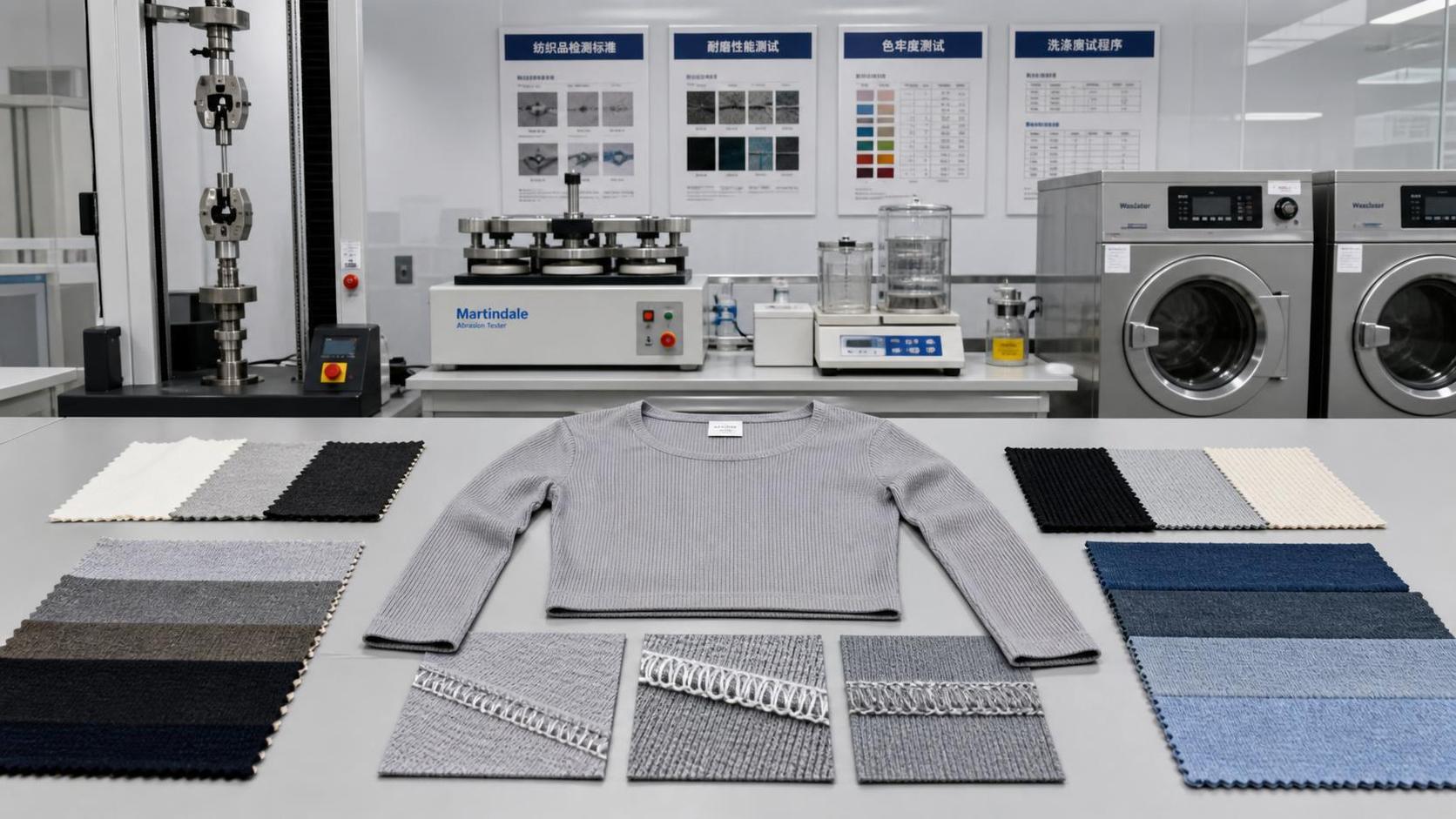
Low durability can shorten use cycles dramatically. If an item fails after 10 to 20 wears instead of 40 or more, the environmental burden per wear rises sharply. For managers responsible for commercial execution, durability testing, seam performance checks, and colorfastness controls are not only quality tasks but impact-reduction tasks.
The following matrix can help teams convert environmental concern into sourcing and execution criteria during vendor selection or project review.
This kind of matrix helps separate serious suppliers from reactive ones. It also gives engineering, sourcing, and compliance teams a common language. Instead of debating broad intentions, they can compare lead times, reject rates, and process controls using shared checkpoints.
How the Fast Fashion Environmental Impact Changes Sourcing Strategy
Sourcing strategies built only around unit price are becoming less stable. The fast fashion environmental impact now influences retailer questionnaires, import due diligence, packaging requirements, and internal risk scoring. As a result, many B2B buyers are shifting from the lowest initial quote to total-cost evaluation over a 6 to 18 month planning horizon.
Balancing speed, flexibility, and accountability
A practical sourcing model often uses 3 layers. First, core suppliers handle stable volume basics. Second, flexible suppliers support trend-driven capsules. Third, development partners test lower-impact fabrics, trims, or digital sampling tools. This structure reduces the need to force every vendor into rush, small-batch behavior that amplifies waste and inconsistency.
Some teams also build gated approvals into project plans. For example, no bulk order proceeds until fiber declarations, wet processing disclosures, and packaging specs are reviewed. That may add 2 to 4 days at the front end, but it often prevents 2 to 3 weeks of downstream disruption.
Common sourcing adjustments with measurable impact
- Reduce unnecessary style duplication by consolidating similar SKUs into fewer colorways or trims.
- Use digital prototyping to cut sample iterations from 5 rounds to 2 or 3 where feasible.
- Align packaging with transport mode to reduce damage and secondary repacking.
- Reserve expedited freight for high-margin launches instead of defaulting to urgency.
- Set supplier scorecards with 4 to 6 weighted factors, not price alone.
In market intelligence and sourcing workflows, some teams reference information hubs or placeholder procurement records such as 无 when consolidating early-stage vendor notes. The key is not the label itself, but whether the project file captures environmental checkpoints alongside cost and delivery metrics.
Implementation Framework for Responsible Growth in Fast-Moving Categories
The goal is not to stop fast product development. The goal is to manage it with fewer blind spots. A workable implementation plan usually has 5 steps and can be launched within 60 to 90 days for a focused product category such as knitwear, accessories, home textiles, or promotional gifts.
Step 1: Map the current program
List all active suppliers, development cycles, and top-impact materials. Start with the 20% of SKUs that drive 80% of volume or urgency. For each one, record fiber mix, country of origin, sample rounds, average lead time, and common quality failures.
Step 2: Define minimum data requirements
Require a standard pack for each project: bill of materials, wet processing notes where relevant, packaging details, test requirements, and disposal or recycling considerations. Even a simple spreadsheet can improve consistency if all vendors use the same 10 to 15 core fields.
Step 3: Pilot one category before scaling
A pilot reduces resistance. Choose one category with repeat volume and manageable complexity, then compare 2 or 3 production cycles. Teams should measure waste, delay frequency, rework, and claim rate. If the pilot delivers clearer forecasting and fewer escalations, scaling becomes easier to justify internally.
Step 4: Build decision rules into procurement
Procurement should not approve a supplier solely because the quote is 4% lower. Decision rules might include required visibility on source materials, acceptable rework rates, standard testing windows, and a documented corrective action path for repeated process failures.
Step 5: Report monthly, adjust quarterly
Monthly reviews maintain pace, while quarterly reviews support structural changes. For fast-moving businesses, 30-day reporting is frequent enough to catch drift but not so frequent that teams only chase short-term noise. This rhythm is especially useful in sectors where design, merchandising, and operations move at different speeds.
Frequent Misconceptions About Fast Fashion and Environmental Risk
“Low price means efficiency”
Sometimes it does, but often it reflects shifted cost rather than real efficiency. Environmental treatment, traceability systems, and quality assurance all require investment. If those functions are weak, the true cost may appear later as rejections, damaged trust, or unstable output.
“Sustainability always slows projects down”
Not necessarily. Clear material specs, fewer sample loops, and better process discipline can reduce both waste and delay. In many cases, the issue is not slower execution but better front-end control. A well-scoped approval gate is usually faster than a late-stage corrective action plan.
“Only apparel brands need to care”
The same logic applies across home textiles, soft furnishing components, promotional gifts, and outdoor lifestyle goods. Any category using fabrics, synthetic materials, coatings, trims, or high-turn packaging can experience the fast fashion environmental impact through waste, compliance burden, or shortened product life cycles.
What Responsible Project Leaders Should Do Next
The fast fashion environmental impact is no longer a side conversation for sustainability teams alone. It is now a live management issue affecting supplier selection, development speed, quality stability, and brand resilience. For project managers, the most effective response is to turn environmental exposure into operational criteria that can be measured, reviewed, and improved.
Organizations that bridge design ambition with manufacturing discipline are better positioned to grow responsibly. That is especially true in interconnected sectors such as apparel, textiles, furnishing, gifts, and outdoor lifestyle products, where craftsmanship, material science, and sourcing transparency increasingly shape commercial outcomes.
If you are evaluating suppliers, refining a textile-related product roadmap, or building a lower-risk sourcing model, now is the right time to review your current process. Contact us to discuss your category challenges, get a tailored framework, and learn more solutions for responsible, market-ready growth.