Fast Fashion Supply Chain Risks Shaping 2026 Sourcing Decisions

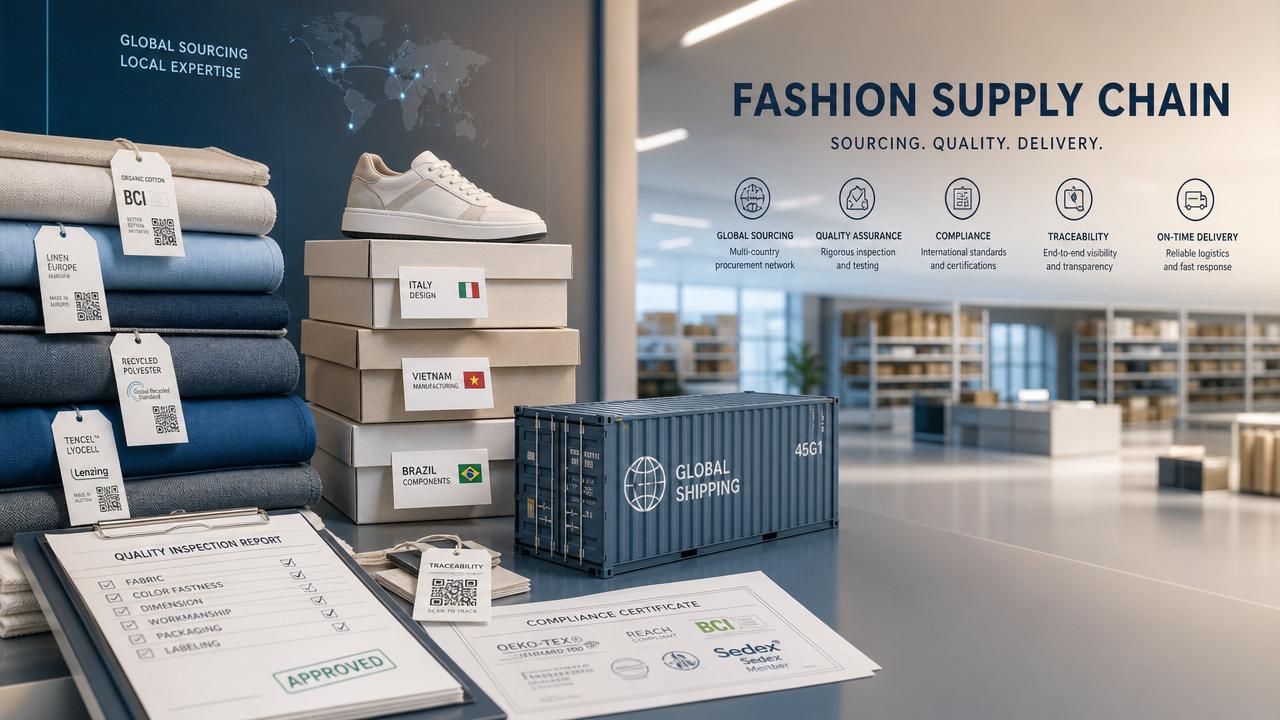
As 2026 sourcing plans take shape, fast fashion supply chain risks are no longer viewed as a simple cost concern. They now influence partner selection, timeline design, compliance controls, and long-term market resilience.
Across apparel, textiles, footwear, home lifestyle, and related sectors, sourcing decisions increasingly depend on visibility and adaptability. The fast fashion supply chain is being tested by tighter regulations, volatile shipping conditions, labor scrutiny, and demand instability.
For global value networks, the key question is changing. The issue is no longer who can produce fastest at the lowest price. It is who can deliver speed with traceability, quality, and operational trust.
Why fast fashion supply chain risk is becoming a board-level sourcing issue
The fast fashion supply chain once relied on compressed lead times and aggressive vendor competition. That model still matters, but its weaknesses are more visible in 2026 planning cycles.
Trade disruptions now hit raw materials, trims, dyeing capacity, booking access, and final-mile delivery at the same time. A delay in one node can quickly spread across the entire fast fashion supply chain.
At the same time, regulatory attention is expanding beyond factory audits. Buyers are expected to understand fiber origin, chemical inputs, subcontracting layers, wage conditions, and carbon-linked reporting.
This is especially important in cross-category ecosystems. Apparel often shares suppliers with accessories, home textiles, packaging, gifting, and outdoor products, creating linked exposure across the broader lifestyle industry.
The strongest trend signals shaping 2026 sourcing decisions
Several trend signals show why fast fashion supply chain evaluation is becoming more selective. These signals affect both strategic sourcing design and day-to-day execution.
- Lead-time compression is colliding with stricter compliance expectations.
- Nearshoring and multi-country sourcing are replacing single-country dependence.
- Material traceability is moving from optional value-add to sourcing requirement.
- Smaller production runs demand more flexible factory planning.
- Supplier financial stress is increasing hidden continuity risk.
- Climate events are affecting ports, power stability, and seasonal production timing.
These signals suggest a clear shift. In 2026, sourcing models built only on speed and cost are more likely to create disruption than advantage.
What is driving these fast fashion supply chain disruptions
The pressures on the fast fashion supply chain come from several connected drivers. Their interaction makes risk harder to predict and harder to absorb.
These drivers do not affect only fashion apparel. They also shape sourcing across footwear, home furnishings, promotional items, and outdoor lifestyle collections.
How the risks affect different business stages
The fast fashion supply chain creates risk at different points, not only at final production. Early-stage decisions often determine whether later disruption becomes manageable or expensive.
Product development and material planning
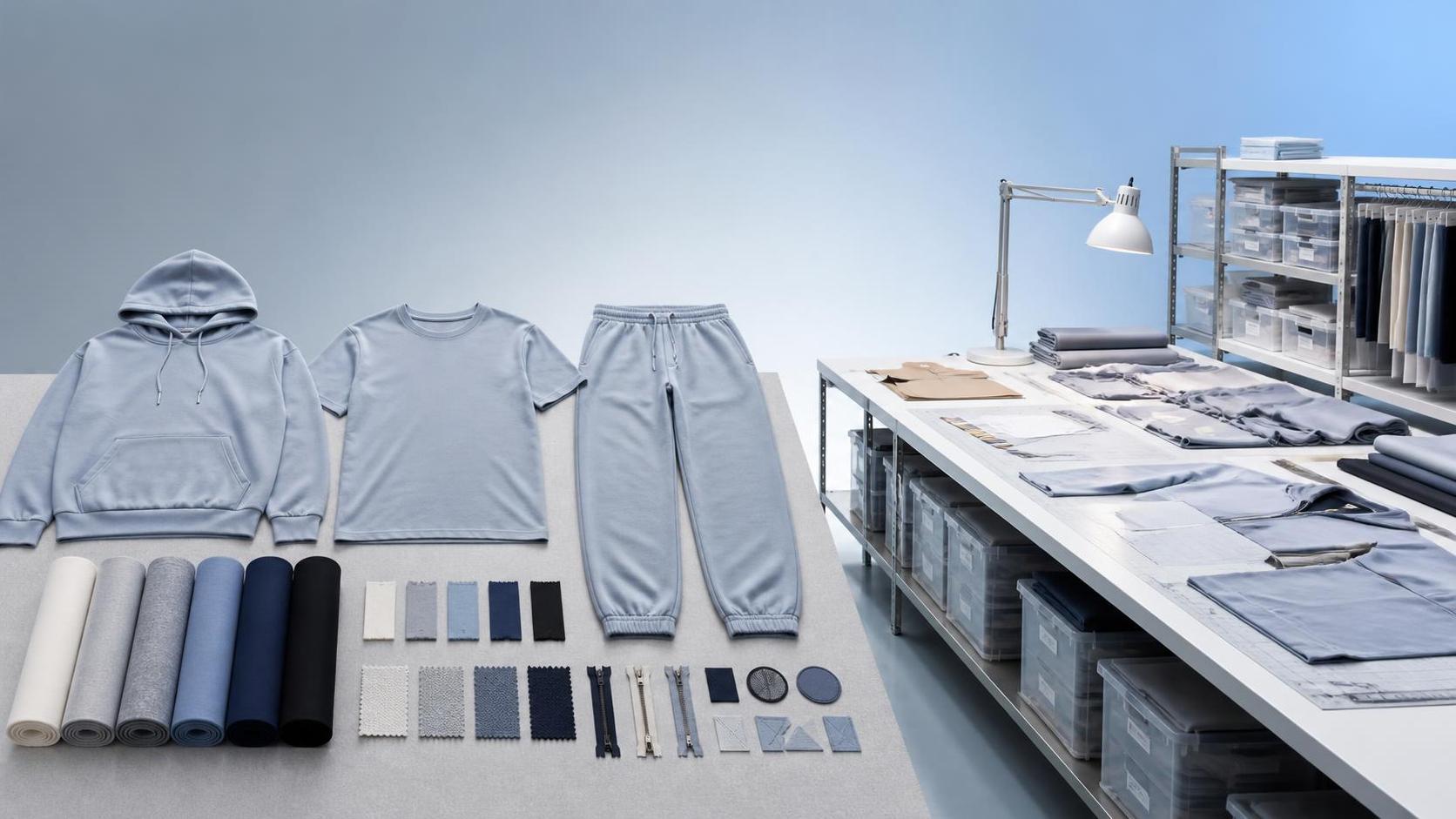
Design teams want speed, but unavailable fabrics, testing delays, or substitution limits can slow launches. Material libraries now need both aesthetic fit and sourcing resilience.
Sampling and approval cycles
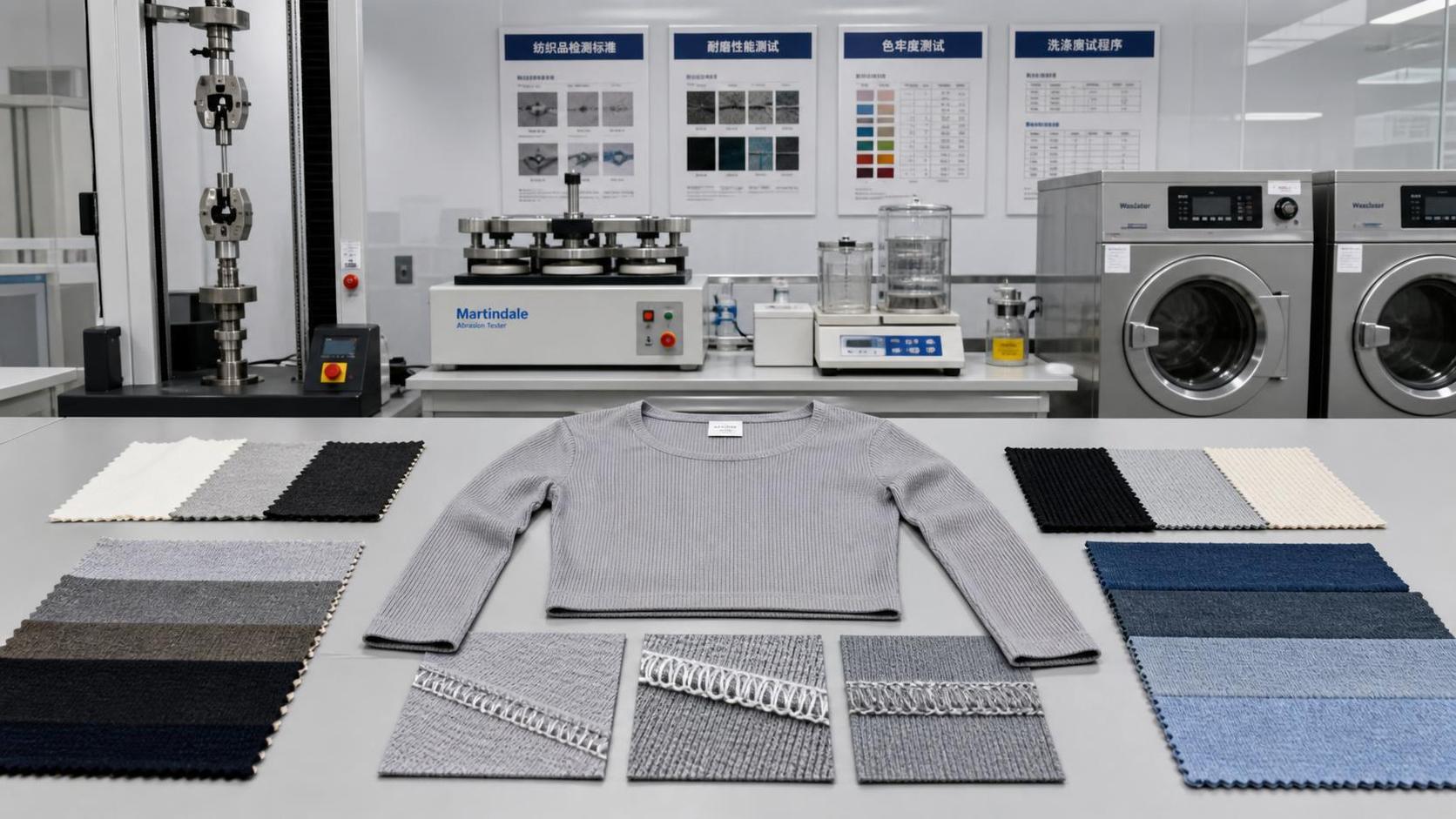
When factories face overloaded sampling rooms, approval windows slip. This reduces flexibility later and forces rushed production, which can weaken quality control.
Bulk manufacturing and compliance
Subcontracting without clear disclosure remains a major fast fashion supply chain concern. It affects labor assurance, process consistency, chemical management, and shipment reliability.
Delivery and replenishment
Late vessels, port congestion, and customs checks create missed launch windows. In fast-cycle categories, one missed delivery can erase the value of trend timing.
For businesses seeking broader sector insight, selected industry intelligence resources such as 无 can support comparative visibility across lifestyle manufacturing networks.
The sourcing capabilities that matter more in 2026
Because fast fashion supply chain risk is becoming multidimensional, supplier assessment must move beyond price, capacity, and sample speed alone.
- Traceability depth across tier-two and tier-three inputs
- Evidence of stable workforce management and labor compliance
- Ability to handle smaller, more frequent production orders
- Digital reporting for testing, certifications, and shipment milestones
- Backup capacity across regions or approved partner sites
- Material substitution planning without quality loss
- Financial health strong enough to withstand cost swings
These capabilities support both risk reduction and commercial agility. They also align with the wider movement toward responsible manufacturing across soft industry categories.
How to build a stronger response to fast fashion supply chain exposure
An effective response begins with segmentation. Not every item needs the same sourcing model, and not every supplier should carry the same business criticality.
This approach helps convert the fast fashion supply chain from a reactive network into a more managed system. It also supports cross-functional alignment between product, sourcing, compliance, and logistics.
What deserves immediate attention before 2026 commitments are locked
Before finalizing sourcing allocations, several questions deserve close review. These checks can reveal hidden weakness before it affects launch schedules or margin performance.
- Which suppliers rely heavily on undeclared subcontracting?
- Which high-volume items have no approved material alternative?
- Where is logistics lead-time variability highest?
- Which regions face increasing labor or environmental compliance pressure?
- Which partners can share real-time production and testing data?
Fast fashion supply chain strategy in 2026 will reward those who prepare for uncertainty, not those who assume old sourcing shortcuts still work.
The most effective next step is a structured risk review by product category, region, and supplier tier. External intelligence references, including 无, may help benchmark changing supply dynamics across connected industries.
In a market shaped by aesthetics, speed, and accountability, resilient sourcing is becoming a competitive asset. A stronger fast fashion supply chain is now essential for protecting quality, timing, and future growth.