
Sustainable Fashion Pricing: Cost Drivers That Change Margin Planning

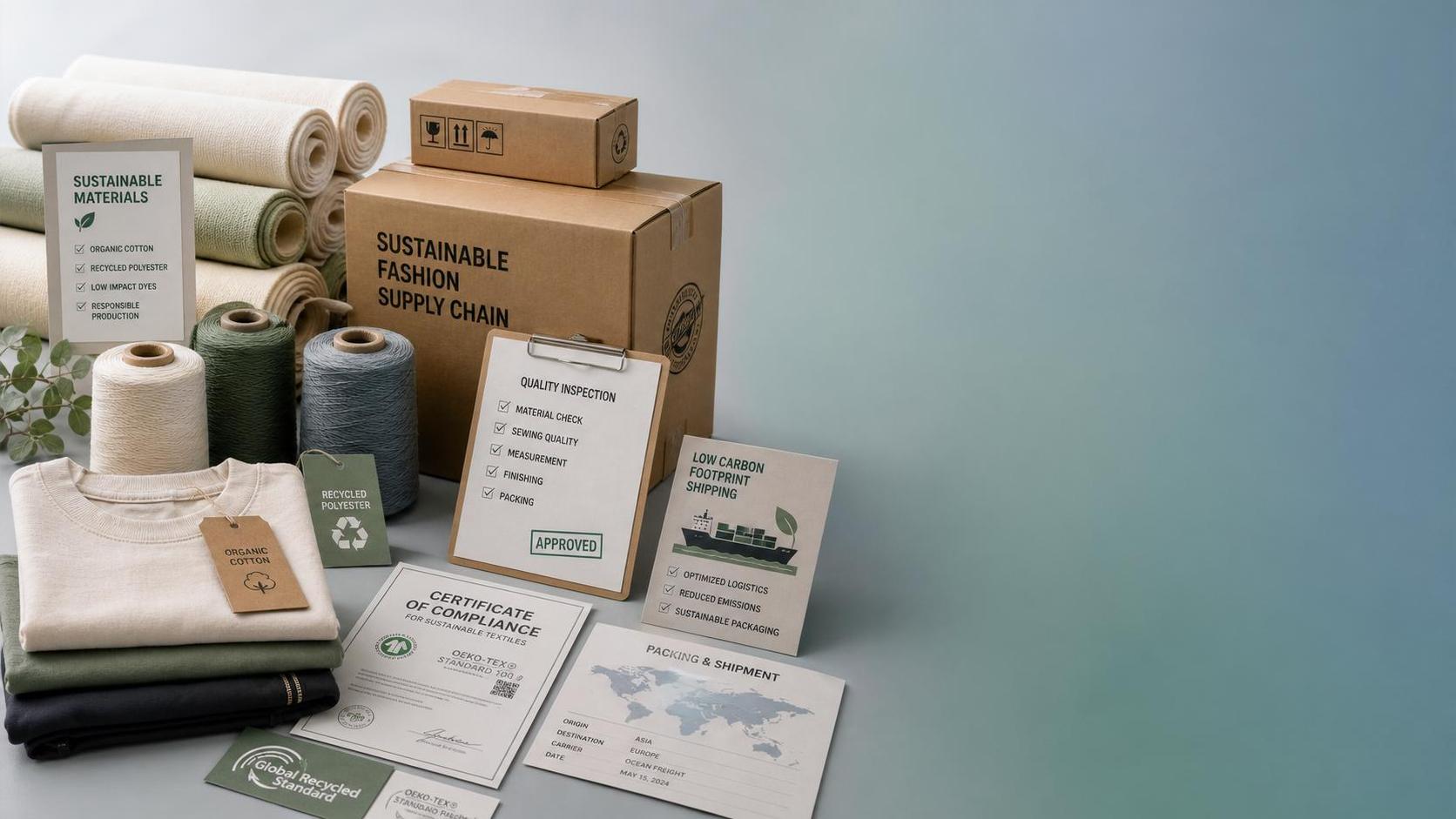
Why does sustainable fashion pricing keep moving even when the product looks similar?
Sustainable fashion pricing has become a planning issue, not a branding detail. A shirt, tote, jacket, or upholstered item may look unchanged, yet its cost structure can shift quickly.
The main reason is simple. Sustainability changes where materials come from, how factories process them, what documents must be shown, and how risk is shared across the chain.
In practical sourcing work, price changes rarely begin at the final sewing line. They often start upstream with fiber selection, chemical inputs, traceability systems, audit demands, and smaller production runs.
That is why sustainable fashion pricing affects margin planning more than many teams expect. The visible unit price is only one layer. Landed cost, claim risk, lead-time pressure, and markdown exposure matter just as much.
Across textiles, footwear, leather alternatives, gifting, and outdoor lifestyle products, the pattern is similar. Better environmental performance often requires tighter process control, and tighter control usually has a cost.
GLC follows this intersection closely because aesthetics and craftsmanship now depend on supply chain discipline. Materials, finishing quality, compliance, and storytelling have become economically linked.
Which cost drivers usually change sustainable fashion pricing first?
The first movement usually comes from materials. Organic cotton, recycled polyester, certified wool, preferred cellulosics, and bio-based leather inputs often carry higher base prices or tighter availability.
Then processing adds pressure. Low-impact dyeing, water treatment, cleaner finishing, recycled content separation, and restricted chemistry management can increase conversion cost per unit.
Labor standards also matter. Factories with stronger social compliance, better wage structures, and stable workforce retention may quote higher, but hidden disruption risk is usually lower.
Traceability is another growing line item. Chain-of-custody systems, transaction certificates, digital tracking, and third-party verification create admin cost that conventional sourcing sometimes ignores.
Logistics can change the picture again. Sustainable inputs may come from different regions, require separate handling, or involve slower consolidation. That affects freight, duty planning, and buffer stock.
A useful way to review sustainable fashion pricing is to separate visible and hidden drivers:
This is where margin planning becomes more realistic. Instead of asking whether a quote is high, it is better to ask which cost driver moved and whether that movement is temporary or structural.
Is a higher quote always justified by sustainability claims?
Not always. Higher sustainable fashion pricing can be justified, but only when the supplier can connect the premium to measurable inputs, process changes, or verified compliance obligations.
A common mistake is accepting a broad “eco premium” without cost detail. That makes margin planning weak and complicates future negotiations when volume, specification, or origin changes.
More reliable suppliers usually explain the premium in pieces. They can show raw material substitution, certification charges, lower process yield, dedicated segregation, or slower throughput.
There is also the opposite risk. Some quotes look competitive because environmental controls, wastewater treatment, or traceability are treated as optional. The savings are real only until a claim fails.
A better test is to compare like with like. Match fabric weight, recycled content method, finish standard, packaging requirement, audit level, and lead time before reading the price delta as meaningful.
- Ask whether the quoted sustainability standard is material-based, process-based, or social-compliance based.
- Check if the claim applies to the full order or only part of the bill of materials.
- Confirm whether testing, certification, and labeling are already included.
- Review whether lower MOQ efficiency is inflating the quote more than the sustainability requirement itself.
In other words, sustainable fashion pricing should be evidence-based. A premium without traceable logic is not a strategy input. It is just uncertainty priced into the order.
How should margin planning change when sustainable fashion pricing is less predictable?
The first adjustment is to stop treating sustainability as a fixed surcharge. It behaves more like a variable cost cluster that moves with fiber markets, regulation, utilization, and documentation depth.
That means margin planning needs scenarios. One scenario may assume stable certified material supply. Another should model tight availability, longer lead time, and higher conversion loss.
The second adjustment is to plan by product architecture. Core carryover lines can absorb certification investment more efficiently than short seasonal drops with fragmented color and trim choices.
This matters across the broader lifestyle sectors covered by GLC. A recycled textile item, a bio-synthetic footwear component, and an outdoor shell all carry different risk patterns even when the sustainability message sounds similar.
The third adjustment is supplier segmentation. Mature partners with audited systems often quote higher initially, yet they reduce quality drift, claim exposure, and emergency freight costs later.
A simple operating checklist helps:
- Build separate cost lines for certified material, process premium, compliance, and logistics.
- Set tolerance bands for material volatility instead of one fixed target cost.
- Use replenishment forecasts to improve MOQ efficiency on repeat programs.
- Track landed margin by claim type, not only by SKU family.
When sustainable fashion pricing is modeled this way, negotiations become more precise. Teams can challenge weak premiums while protecting cost elements that genuinely support stability and compliance.
Where do buyers usually misread the real cost risk?
One frequent mistake is focusing on ex-factory price while ignoring claim management risk. If recycled content, chemical compliance, or social standards are poorly documented, the downstream cost can exceed any initial saving.
Another is assuming certified input equals stable quality. In reality, alternative fibers and lower-impact finishes can behave differently in colorfastness, hand feel, abrasion, or dimensional recovery.
Lead time is also underestimated. Sustainable fashion pricing often rises when planning is late, because approved material sources are narrower and substitute options may not meet the same standard.
There is a commercial blind spot too. If the sustainability story is central to the assortment, inconsistent proof can damage the product narrative that supports pricing at retail.
A useful comparison looks like this:
The pattern is clear. Sustainable fashion pricing is not only about cost increase. It is about which risks are being funded and which are being pushed downstream.
What is the smarter next step when comparing suppliers?
Start with a normalized quote template. Ask every supplier to break out material source, certification basis, process assumptions, test scope, packaging, and freight terms the same way.
Then match pricing to product role. A hero item with visible sustainability claims may justify a tighter supplier base and more documentation. A basic replenishment line may need cost discipline above all.
It also helps to use category-specific intelligence. Textile and apparel programs react differently from office soft furnishings, gift products, or outdoor gear because usage, compliance, and durability expectations differ.
That broader perspective is where GLC adds value. Its cross-sector lens connects design ambition with manufacturing facts, making cost discussions less theoretical and more grounded in actual production behavior.
Before locking a source, confirm five points:
- Which sustainability claim drives the price, and can it be verified quickly?
- What part of the premium is permanent, and what part is volume-sensitive?
- How does the quote change under different lead-time windows?
- What failure cost appears if documentation or testing is incomplete?
- Can the supplier support continuity when demand expands across regions or product families?
The strongest sourcing decisions usually come from this balance: respect the real drivers behind sustainable fashion pricing, challenge unsupported premiums, and build margin plans around verified cost logic rather than assumptions.
A sensible next move is to map current programs by claim type, material dependency, and documentation depth. That makes supplier comparison cleaner and turns sustainability from a pricing surprise into a managed sourcing variable.